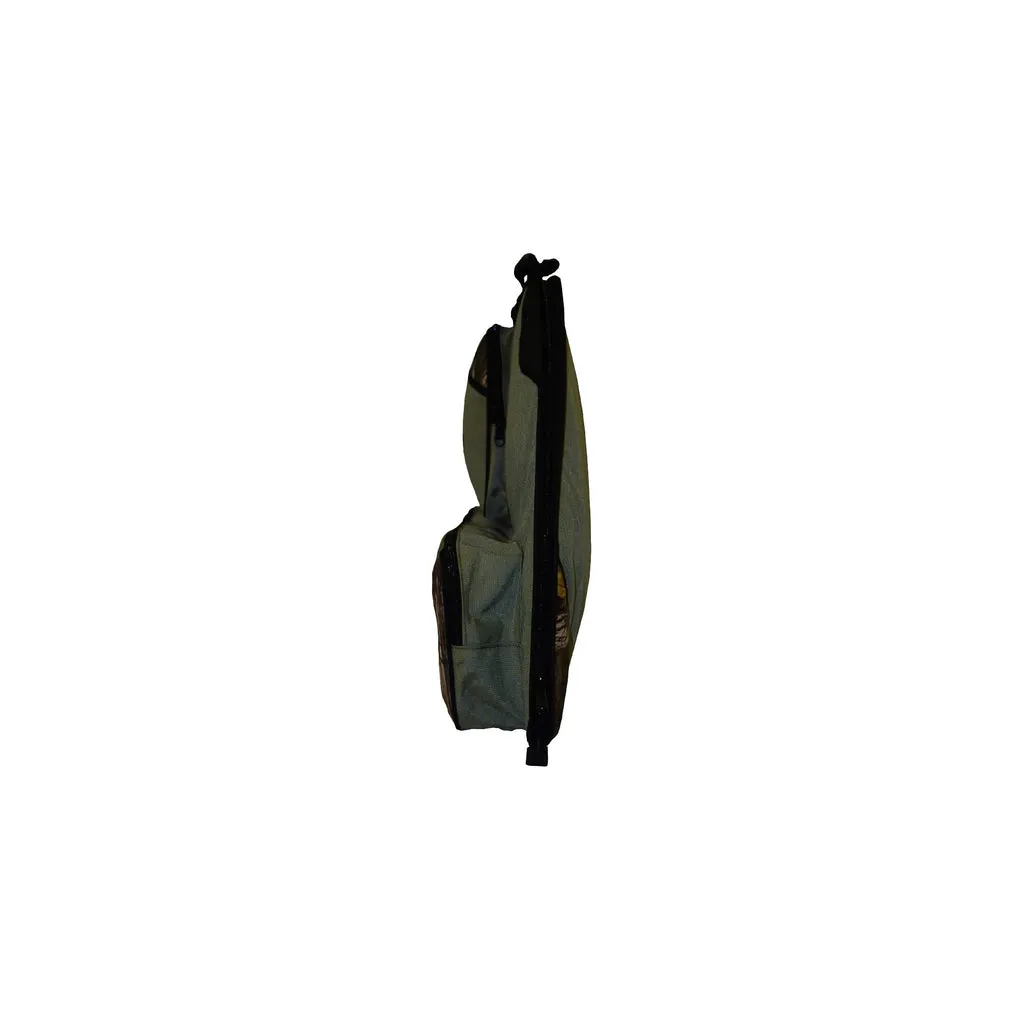
What is a Tarantula Single Bow Case?
A Tarantula single bow case is a specialized container designed to protect and transport a single bow. These cases are crucial for archers of all levels, from beginners to seasoned professionals, ensuring their valuable equipment remains safe from environmental elements, accidental damage, and general wear and tear. The primary function of a bow case is to safeguard the bow’s integrity during storage and transit. This includes protecting delicate components like the limbs, cams, and strings, which are susceptible to damage from impacts, moisture, and extreme temperatures. A well-chosen case extends the lifespan of a bow and preserves its performance, allowing archers to confidently pursue their sport knowing their equipment is well-protected. Choosing the right case, therefore, is an important decision for any archer seeking to maintain the quality and functionality of their bow.
Why You Need a Tarantula Bow Case
Investing in a Tarantula bow case offers several benefits, making it an essential piece of archery gear. Firstly, a bow case provides superior protection against physical damage. Bows can be easily damaged by accidental bumps, drops, or impacts during transport and storage. A sturdy case absorbs these impacts, preventing potential scratches, dents, or even more severe damage that could compromise the bow’s performance. Secondly, bow cases shield against environmental factors. Moisture, humidity, and extreme temperatures can negatively affect a bow’s components, causing them to warp, rust, or degrade. A case creates a barrier against these elements, preserving the bow’s structural integrity and longevity. Furthermore, a bow case offers organizational benefits. Many cases feature compartments and pockets for storing accessories such as arrows, sights, stabilizers, and other essential equipment. This ensures everything is neatly organized, readily accessible, and protected from damage or loss. Finally, a bow case contributes to the overall safety and security of the archer and their equipment. A locked case can deter theft and prevent unauthorized access, providing peace of mind. Image (tarantula-bow-case-overview.webp).
Step 1 Choosing the Right Size

Selecting the correct size of a Tarantula bow case is crucial for ensuring a perfect fit and optimal protection. A case that is too small will not accommodate the bow and its accessories, while a case that is too large may allow the bow to shift around during transport, increasing the risk of damage. Accurate measurement is the key. You must measure your bow before purchasing a case. This includes the overall length, width, and height of the bow, including any installed accessories such as sights, stabilizers, or quivers. Ensure you measure the bow in its fully assembled state. Always remember to factor in the potential for any future accessories or modifications. It’s better to have a bit of extra space than to squeeze the bow into a case that is too small. The goal is to have a snug fit that prevents movement but does not compress or strain the bow’s components. Image (measuring-bow-for-case.webp).
Measure Your Bow
Before you start looking for a case, you must know the exact dimensions of your bow. Use a measuring tape to determine the length of your bow from tip to tip, including any protruding parts. Then, measure the width, which is usually the widest part of the bow, such as the limbs or cams. Note the height, which is important if the bow has tall sights or other accessories. Take these measurements while your bow is fully assembled and ready to use. Record these measurements carefully, as they will be essential when comparing them with the interior dimensions of the bow cases. Make sure to measure the bow in its usual setup to account for all attached equipment, like stabilizers, sights, and quivers, as these affect the overall size and fitting of the bow in the case.
Check Case Dimensions
Once you have the measurements of your bow, compare them to the interior dimensions listed by the case manufacturer. Pay close attention to the length, width, and height of the case, ensuring that your bow will fit comfortably. Add a little extra space to accommodate accessories such as a quiver or stabilizer. Most cases provide detailed specifications of their internal space. These dimensions are crucial; if your bow is longer, wider, or taller than the case’s internal measurements, it will not fit. Always check the interior dimensions, not just the exterior ones. Review the case’s layout to determine if it has compartments or straps that will secure your bow and accessories. Remember, the goal is to find a case that offers a snug but comfortable fit, preventing any unnecessary movement during transport. Make sure the dimensions listed on the case match your bow to avoid any surprises.
Step 2 Assessing Material and Durability

The material and build quality of a Tarantula bow case directly impact its ability to protect your bow from damage and the elements. It’s important to select a case made of durable, high-quality materials designed to withstand the rigors of transport and storage. The right material can significantly extend the life of your bow and ensure it remains in optimal condition. The most common materials include hard-shell plastics, reinforced fabrics, and a combination of both, so assessing them is crucial before making a decision. The material choice affects the case’s resistance to impact, its protection against moisture and temperature fluctuations, and its overall lifespan. High-quality materials offer better protection and ensure your bow is well-protected in all conditions. Image (hard-vs-soft-bow-case.webp).
Hard vs Soft Cases
When choosing a Tarantula bow case, you will typically choose between hard and soft cases, each with its own advantages. Hard cases are generally constructed from rigid materials like durable plastics or metal, offering superior protection against impacts and crushing forces. These cases are ideal for air travel or situations where the bow might be subjected to rough handling. They typically provide a more secure and weatherproof environment, safeguarding the bow from moisture and temperature changes. Soft cases, on the other hand, are typically made of padded fabric or nylon. They are lighter and more flexible, making them easier to carry and store. Soft cases are suitable for everyday use, protecting the bow from scratches, dust, and minor bumps. While they offer less protection against severe impacts than hard cases, they are often more affordable and provide convenient storage options. Consider your typical usage when deciding between a hard and soft case. Think about how you will be transporting your bow and the level of protection required. For instance, frequent travel or situations where the bow will be exposed to harsh conditions might require a hard case, while a soft case may suffice for local transport and storage.
Material Quality
The quality of materials directly influences the effectiveness of a Tarantula bow case in protecting your bow. High-quality materials, whether in hard or soft cases, are designed to withstand the rigors of travel and storage. In hard cases, look for durable, impact-resistant plastics or metals that will not crack or deform easily. The hinges, latches, and handles should be robust and securely attached. In soft cases, examine the fabric for tear resistance, water resistance, and abrasion resistance. Consider the padding material; it should be dense enough to absorb impacts and protect the bow from internal damage. The stitching should be strong and reinforced in high-stress areas. Check for features like reinforced corners and edges. The zippers should be heavy-duty and operate smoothly. The material should be UV-resistant to prevent fading and degradation from sunlight exposure. Choosing a case made from high-quality materials is an investment in the long-term protection of your bow.
Step 3 Packing Your Bow

Proper packing is essential to ensure your bow remains safe during transport in your Tarantula bow case. Incorrect packing can lead to damage, so taking the time to pack your bow correctly is time well-spent. Start by removing any loose accessories from your bow, such as quivers or sights. These should be stored in separate compartments within the case. Clean your bow before packing. This prevents dirt and debris from scratching the surface. Carefully place the bow inside the case, ensuring that it is correctly positioned according to the case’s design. Use any straps or restraints provided to secure the bow in place, preventing it from shifting during transit. Use padding around the bow to cushion it from impacts. Always double-check that everything is secure before closing and locking the case. Image (packing-bow-in-case.webp).
Bow Placement
Correct bow placement is critical for providing the best protection during transport. Most Tarantula bow cases feature designated slots or compartments specifically designed to hold the bow. Always follow the case’s instructions for positioning the bow. Typically, you will place the bow with its limbs aligned with the case’s interior, making sure that all parts of the bow are fully within the case’s boundaries. The goal is to prevent any part of the bow from being exposed or coming into contact with the case’s edges. Ensure that the handle, limbs, and cams are properly supported and not subjected to any undue pressure. Use any foam padding or Velcro straps to hold the bow securely in place. Check that the bow does not move around when the case is closed and turned over, and make adjustments if necessary. Proper placement will prevent your bow from being damaged during transit.
Securing the Bow
Securing your bow within the Tarantula bow case is vital to protect it from damage during transit. This typically involves using straps, buckles, or Velcro fasteners to hold the bow firmly in place, preventing any movement that could lead to damage. Many cases include internal straps strategically positioned to secure the limbs and handle. Utilize these straps to immobilize the bow, ensuring that it does not shift or rattle around inside the case. Fasten the straps snugly, but avoid overtightening them, as this could potentially damage the bow’s components. Some cases also feature foam inserts or padding to cradle the bow, further reducing the risk of impact damage. When securing the bow, pay close attention to the placement of accessories such as sights and stabilizers, making sure they are also properly secured and do not come into contact with the bow or other items in the case. Double-check the security of the bow before closing the case and embarking on your journey. This simple step can prevent a lot of damage.
Step 4 Adding Accessories

Besides the bow itself, your Tarantula bow case also needs to accommodate various accessories essential for archery. Knowing how to properly pack these items is just as important as protecting your bow. Proper packing keeps everything organized and protected from damage or loss. Most cases feature dedicated compartments and pockets for storing accessories such as arrows, sights, stabilizers, and quivers. Take advantage of these features to keep everything neatly arranged. Make sure all accessories are properly secured within the case, so they don’t shift around during transit. Consider using protective sleeves or cases for delicate items, like rangefinders or binoculars. Before closing the case, double-check that all your accessories are safely stowed away and easily accessible. Image (arrow-storage-in-case.webp).
Arrow Storage
Proper arrow storage is a vital component of protecting your archery equipment. Most Tarantula bow cases come with dedicated arrow storage compartments or sleeves to keep your arrows safe and organized. Always make sure your arrows are protected from damage during transport. Inspect your arrows for any signs of wear or damage before storing them in the case. Arrange the arrows carefully in the designated compartment, ensuring that the fletchings are not crushed or damaged. If your case does not have a dedicated arrow storage area, consider using an arrow case or tube to protect the arrows. Make sure the arrows cannot move around and cause damage to each other or to your bow. Properly storing your arrows protects them and helps maintain their accuracy, providing everything you need for a successful archery session.
Other Gear
Beyond your bow and arrows, you’ll likely need to transport other archery accessories. Most Tarantula bow cases offer additional pockets and compartments for storing various items such as releases, binoculars, rangefinders, maintenance tools, and other small essentials. Using these compartments keeps everything organized and protected. When packing other gear, consider its fragility and pack accordingly. Delicate items should be placed in protective cases or pouches to prevent damage. Heavier items should be placed in the case’s base or away from delicate equipment. Make sure all items are secure to prevent them from shifting during transport. Regularly check your case and its contents for any signs of damage or wear and tear, and replace any worn-out items promptly. Keeping your accessories organized helps with safety and efficiency.
Step 5 Transporting and Maintenance

After packing your bow and accessories, the final step is transporting and maintaining your Tarantula bow case to ensure its longevity and continued protection of your equipment. Safe transport, along with proper maintenance, is crucial for preserving the integrity of both your bow and the case itself. During transport, take extra care to handle the case with caution. Avoid dropping or subjecting it to impacts. When placing the case in a vehicle, secure it to prevent it from shifting during transit. Store the case in a cool, dry place when not in use. Extreme temperatures or humidity can damage both the bow and the case. By following these guidelines, you’ll extend the life of your case and ensure it consistently safeguards your valuable archery equipment. Image (transporting-bow-case.webp) and Image (cleaning-bow-case.webp).
Safe Transport
Safe transport of your Tarantula bow case involves several precautions to protect both your bow and the case. First, handle the case with care at all times. Avoid dropping, throwing, or subjecting it to any unnecessary impacts. When transporting the case in a vehicle, make sure it is secured to prevent it from shifting or sliding during travel. Use straps or other securing methods to prevent the case from moving around. If you’re flying, consider using a hard-shell case, especially for air travel. Make sure the case is clearly labeled with your contact information. Check the case for any signs of damage after each trip and address any issues promptly. Safe transport is essential to safeguard your bow and your case, allowing you to focus on your archery practice.
Cleaning and Care
Regular cleaning and maintenance are vital for extending the life of your Tarantula bow case. Start by cleaning the case regularly with a damp cloth or sponge to remove dirt and debris. For hard cases, you can use a mild detergent. For soft cases, avoid harsh chemicals that could damage the fabric. Inspect the case’s interior regularly for any signs of wear and tear, such as fraying seams or damaged padding. Repair any damage promptly to prevent it from worsening. Inspect the zippers and latches for smooth operation, and lubricate them as needed. Store your bow case in a cool, dry place to prevent moisture damage. By following these simple cleaning and maintenance tips, you can keep your bow case in top condition, ensuring it continues to protect your archery equipment for years to come.