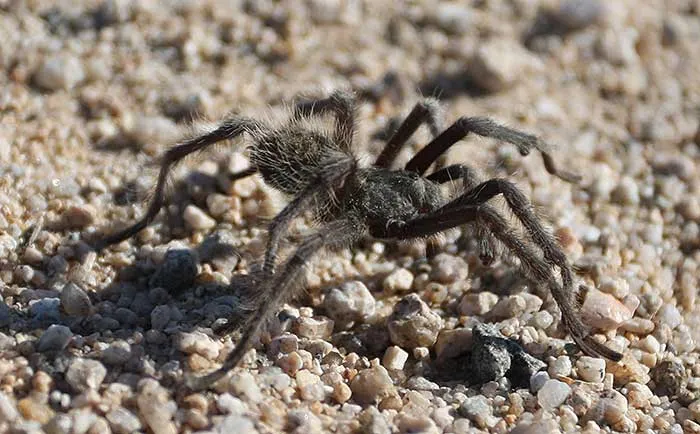
What Makes a Tarantula Bite Painful
Tarantula bites are often described as painful, but the level of pain can vary significantly depending on several factors. Unlike some other venomous creatures, tarantulas aren’t typically considered highly dangerous to humans in terms of their venom’s toxicity. However, their bites can still be quite uncomfortable due to the mechanical nature of the bite and the presence of irritants. The experience of a tarantula bite is influenced by the size and species of the tarantula, the amount of venom injected (if any), and individual sensitivity. The pain, while often intense, is usually localized to the bite area and does not usually result in serious systemic reactions. Knowing what factors contribute to the pain can help you understand and cope with a tarantula bite if it unfortunately happens.
The Venom’s Role
The venom itself plays a crucial role in the level of discomfort experienced after a tarantula bite. While tarantula venom isn’t as potent as that of some other spiders or snakes, it does contain a variety of toxins that can cause localized pain, inflammation, and other symptoms. These toxins act on the nervous system and can trigger pain receptors, leading to the sharp, stinging sensation often reported. Furthermore, the mechanical aspect of the bite itself contributes to the pain. Tarantulas have large fangs, and a bite can be a significant puncture wound. The depth and location of the bite also affect how painful it feels. The venom also induces local inflammation. This inflammatory response is your body’s way of protecting itself. However, it also contributes to pain, swelling, and redness at the bite site. It’s important to note that the amount of venom injected during a bite can vary, which affects the intensity of the pain.
Comparing Tarantula Bites

Not all tarantula bites are created equal when it comes to the level of pain. Different species of tarantulas possess different venom compositions, and some bites are considerably more painful than others. The size of the tarantula also plays a role. Larger tarantulas have larger fangs and may be able to inflict a deeper, more painful bite. Even within a species, the pain level can vary based on the individual tarantula’s health, the specific circumstances of the bite, and how threatened the tarantula feels. The pain from a tarantula bite is often compared to a bee sting, but it can range from a mild, temporary discomfort to a more intense, lasting ache. Understanding these variations is important if you work with or encounter tarantulas, enabling you to anticipate and prepare for different potential experiences.
Top 5 Most Painful Tarantula Bites
The level of pain from a tarantula bite is subjective, and individual experiences can vary. However, based on reports and research, here are five tarantula species known for inflicting notably painful bites. These ratings consider venom effects and the size of the tarantula.
The Goliath Birdeater
As the world’s largest tarantula, the Goliath Birdeater (Theraphosa blondi) boasts impressive fangs and a powerful bite. Although their venom isn’t considered highly toxic, the sheer size of their bite often leads to significant pain, swelling, and localized muscle cramps. The mechanical trauma from their large fangs contributes significantly to the discomfort experienced. This is one instance where the bite itself, and the size of the spider, makes a bite memorable. It is worth noting that they will often flick urticating hairs instead of biting.
Brazilian Wandering Spider

While technically not a tarantula, the Brazilian Wandering Spider (Phoneutria genus) is often included in discussions about painful bites. They are known for their aggressive behavior and potent venom. Their bites are extremely painful, with symptoms including intense pain, inflammation, and potentially, in severe cases, priapism (prolonged and painful erection) in males. Their bite is considered medically significant and requires prompt medical attention.
Mexican Redknee Tarantula
The Mexican Redknee Tarantula (Brachypelma hamorii) is a popular species in the pet trade, known for its striking coloration and relatively docile temperament. However, their bites can still be quite painful, often described as a sharp sting followed by localized pain and swelling. The pain from a Mexican Redknee bite is often compared to a bee sting or a wasp sting, and while not life-threatening, the discomfort can last for several hours. They also have urticating hairs that can cause irritation.
The Pinktoe Tarantula
The Pinktoe Tarantula (Avicularia avicularia) is another common pet tarantula, celebrated for its beautiful colors and gentle nature. However, their bites can still be surprisingly painful, with a burning sensation and localized pain. This pain is often accompanied by redness and swelling around the bite site. While not considered highly dangerous, the pain can be quite intense and can persist for several hours. They are also prone to releasing urticating hairs.
The Cobalt Blue Tarantula

The Cobalt Blue Tarantula (Cyriopagopus lividus) is known for its vibrant blue coloration and defensive nature. Their bites are infamously painful. The venom contains toxins that lead to a sharp, burning pain that can radiate from the bite site. This is often accompanied by muscle cramps and swelling. The intensity of the pain can persist for several hours or even days, making this one of the more unpleasant tarantula bites to experience. Because of their temperament, bites can happen.
Factors Influencing Pain Levels
Several factors influence the pain level associated with a tarantula bite. Understanding these factors can help you assess the potential severity of a bite and take appropriate action. Knowing more about these factors can also help in the management of the pain and recovery process.
Size and Species
The size of the tarantula is a primary factor determining the intensity of the bite. Larger tarantulas, with their bigger fangs, can inflict a deeper and more mechanically damaging bite, leading to greater pain and potentially more venom injected. Different species also have varying venom compositions. Some species have venom with higher concentrations of pain-inducing toxins. This means that even if the size of the tarantula is similar, a bite from one species may be more painful than from another. The specific species’ characteristics can significantly influence the severity of a bite.
Individual Sensitivity

Individual sensitivity to the venom is another critical factor. People react differently to the same bite based on their body’s response. Factors like age, overall health, and pre-existing medical conditions can affect how an individual experiences the pain and other symptoms. Some individuals may experience only minor pain, while others may have more severe reactions, including more significant swelling and inflammation. Sensitivity levels can also fluctuate over time. Someone may have a different reaction to a tarantula bite at one point in their life compared to another time.
Location of the Bite
The location of the bite on the body also influences the level of pain. Bites on sensitive areas, such as the face, fingers, or toes, tend to be more painful because these areas have a higher concentration of nerve endings. Bites near joints might also be more painful due to the increased movement and pressure. In addition, if a bite occurs in an area with limited blood flow, the venom can remain localized for a longer period, increasing the pain and the duration of the symptoms. The bite location can greatly affect the severity of the overall experience.
Treating Tarantula Bites
While tarantula bites are rarely life-threatening, it’s important to know how to treat them effectively. The primary goals of treatment are to alleviate the pain, minimize inflammation, and prevent secondary infections. Proper care can significantly reduce discomfort and speed up the healing process. The specific steps to take will depend on the severity of the bite and the individual’s response.
Immediate First Aid

Immediate first aid is crucial after a tarantula bite. First, stay calm and move away from the tarantula to prevent further bites. Clean the bite area thoroughly with mild soap and water to reduce the risk of infection. Apply a cold compress or ice pack to the bite site to reduce pain and swelling. Elevate the affected limb to help minimize swelling. Over-the-counter pain relievers, such as ibuprofen or acetaminophen, can help manage pain. Keep an eye out for any signs of allergic reaction, such as difficulty breathing, swelling of the throat or face, or hives, and seek immediate medical attention if these symptoms develop.
Medical Treatment
In most cases, tarantula bites do not require extensive medical treatment. However, if the pain is severe or the symptoms worsen, seeking medical attention is advisable. A doctor may recommend stronger pain medications or prescribe antihistamines to reduce inflammation and itching. In rare cases, where there is a secondary infection, antibiotics might be necessary. The doctor will assess your symptoms and advise the best course of treatment. For any bite, the most important thing is to monitor for any signs of a severe allergic reaction. If one is suspected, seek immediate medical care.
Prevention is Key
The best way to deal with a tarantula bite is to prevent it from happening in the first place. If you are working with or around tarantulas, handle them with care. Always wear appropriate protective gear, such as gloves and long sleeves, to minimize the risk of being bitten. Learn to recognize signs of aggression in the tarantula, like a raised stance or hissing, and avoid provoking them. Ensure their enclosure is secure and that the environment they live in is safe. Proper handling techniques and awareness of tarantula behavior will reduce the chances of getting bitten.
In conclusion, while tarantula bites are generally not life-threatening, they can be surprisingly painful. Understanding the factors that contribute to the pain, knowing which species are most likely to inflict painful bites, and being prepared with the right treatment can help you manage the experience effectively. Always prioritize safety and preventative measures when dealing with tarantulas to avoid bites. If you do get bitten, stay calm, take appropriate first aid measures, and seek medical attention if necessary. Remember to always respect these fascinating creatures while staying mindful of the potential for discomfort.