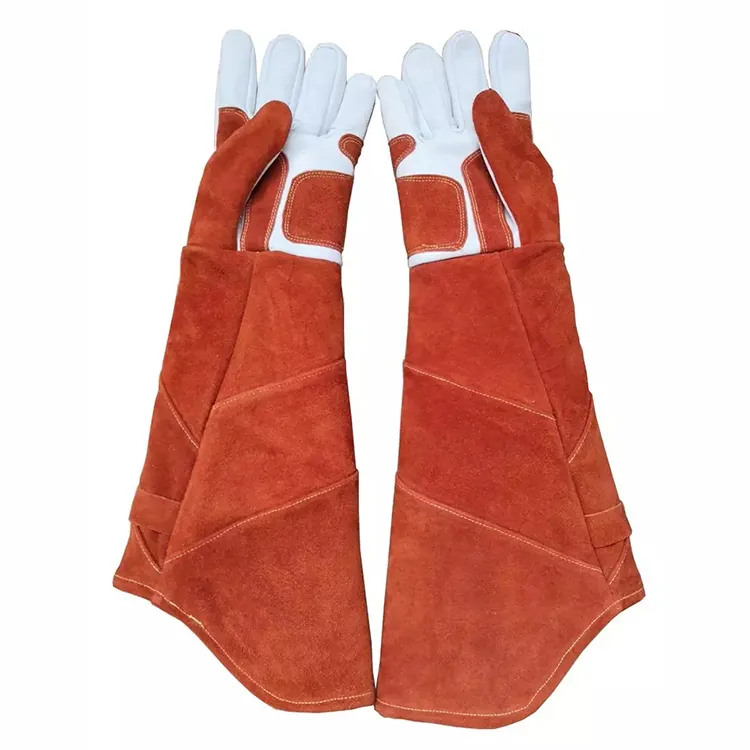
Top 5 Features of Tarantula Bite Proof Gloves
Handling tarantulas, whether for research, pet care, or relocation, demands a high degree of safety. Tarantula bite proof gloves are essential for protecting against bites and minimizing the risk of injury. These specialized gloves are engineered with unique features to offer maximum protection. Understanding the key features is crucial for selecting the right gloves and ensuring safe handling practices. The following outlines the top 5 features that make tarantula bite proof gloves an indispensable tool for anyone working with these fascinating creatures. Choosing the correct gloves can significantly enhance your safety and confidence when handling tarantulas, providing peace of mind and allowing for focused interaction with these amazing arachnids. Remember that the gloves are just one part of the overall safety protocol when working with tarantulas, but definitely the most important part.
Feature 1 Material
The material used in tarantula bite proof gloves is the first line of defense against bites. The material needs to be exceptionally durable, puncture-resistant, and capable of withstanding sharp fangs. Several materials are commonly used, each with unique properties. These can include specially treated leather, synthetic materials, or a combination of both. The choice of material greatly influences the overall protection level offered by the gloves. It is crucial to check the specifications of each glove. Always ensure that the material is designed to prevent bites and to withstand the force applied during a tarantula bite.
Durability of the material

Durability is a critical aspect of the material, and it determines how long the gloves will last and how effectively they protect. High-quality materials are resistant to wear and tear, punctures, and abrasions. This is important to ensure that the gloves can endure repeated use and remain effective over time. Inspecting the material’s construction and testing its resistance to various hazards can help ensure its longevity. Look for reinforced stitching and robust designs that withstand the rigors of regular handling of tarantulas. When choosing your gloves, it is very important to ensure the material durability.
Puncture resistance
The primary function of tarantula bite proof gloves is to resist punctures from tarantula fangs. The material’s ability to withstand penetration is directly related to its density, thickness, and the way it’s constructed. Materials like treated leather and specialized synthetics are often designed to minimize the risk of punctures. Testing and certification often include puncture resistance tests that evaluate how well the material can withstand sharp objects. It is very important to choose gloves that meet high puncture-resistance standards to make sure the tarantula fangs will not get through the material.
Feature 2 Dexterity and Grip
While protection is paramount, dexterity and grip are also essential for safe and effective handling. Gloves should allow for a good range of motion in the hands and fingers while providing a secure grip on the tarantula. A balance between protection and dexterity can be achieved through design and the use of flexible materials. This feature ensures that the user can handle the tarantula with precision and control. It minimizes the risk of dropping the spider and allows for careful handling, which reduces stress on the animal.
Finger sensitivity

Finger sensitivity is important for feeling the tarantula’s movements and for performing delicate tasks, such as feeding or inspecting the animal. Gloves that are too thick may reduce the ability to feel, which could be a problem. Innovative glove designs often incorporate materials and construction methods to enhance finger sensitivity while providing protection. Look for gloves with flexible finger areas. This will give the user better tactile feedback. This enhanced feedback ensures safer and more controlled handling, which is crucial for the tarantula and the handler.
Grip performance
Grip performance is another key aspect of a good tarantula bite proof glove. A secure grip ensures that the tarantula is held firmly, reducing the risk of accidental drops. The glove’s outer surface or palm area should be designed to maximize grip. This could involve using textured materials, patterns, or coatings that provide enhanced friction. Good grip performance gives the handler greater control. This is especially important when working with larger or more active tarantulas. Always consider the grip performance of the glove you choose.
Feature 3 Length and Coverage
Tarantula bite proof gloves must provide complete coverage to protect the hands and wrists. The length and design of the gloves significantly impact the level of protection offered. Sufficient coverage ensures that no skin is exposed to potential bites. This is especially true when handling tarantulas, as their bites can be very painful. The design should extend well past the wrist. Also, it can include features that further enhance protection against accidental contact with the tarantula’s fangs. The more coverage a glove provides, the safer the handling will be.
Wrist and forearm protection

The wrist and forearm are particularly vulnerable areas that need to be well-protected. Gloves should extend sufficiently up the forearm to provide full coverage and prevent bites. Reinforcements in the wrist area can provide additional protection against punctures. Consider gloves that have a secure fit around the wrist to prevent the gloves from slipping. Adequate wrist and forearm protection minimizes the risk of injury. This is achieved by providing a barrier against the tarantula’s fangs.
Extended cuff design
An extended cuff design is an important feature of tarantula bite proof gloves. This design extends the glove’s coverage well up the forearm, providing enhanced protection. The extended cuff reduces the chance of a tarantula biting the exposed skin. It is a must-have feature for anyone handling tarantulas. Many designs also include features that help secure the cuff, such as adjustable straps or elastic closures. This ensures the glove stays in place during handling. Extended cuffs provide a superior level of safety, making handling safer and more secure.
Feature 4 Comfort and Fit
Comfort and fit are crucial for the user’s experience and for ensuring that the gloves are worn correctly and consistently. Gloves that are uncomfortable or poorly fitted can hinder dexterity and reduce the effectiveness of the protection. A well-designed glove should offer a comfortable fit, allowing for extended use without causing fatigue or discomfort. This enhances the overall handling experience and makes sure the gloves are used every time a tarantula is handled. Finding the right balance between protection and comfort can significantly improve safety.
Breathability and ventilation

Breathability and ventilation are essential for comfort, especially during extended handling sessions or in warmer climates. Gloves made from breathable materials will help to reduce sweating. They keep the hands cooler and more comfortable. Many designs include features like mesh panels or ventilation holes to improve airflow. This improves the comfort of the gloves, allowing them to be used for a longer amount of time. Breathability enhances the wearer’s comfort, making the gloves more practical for continuous use.
Sizing options
The availability of different sizing options is critical for ensuring a proper fit. Gloves that fit well will provide the best protection and allow for optimal dexterity. Sizing charts and detailed measurements can help the user select the correct size. Gloves should be neither too tight nor too loose, as this can impact their performance. Having a variety of sizes ensures that users can find gloves that fit comfortably and provide the necessary protection. Choosing the correct size is important for both comfort and safety.
Feature 5 Certification and Standards
Choosing gloves that meet recognized safety standards and certifications is crucial for ensuring their effectiveness. Certifications indicate that the gloves have been tested and meet specific performance criteria. This gives users confidence in the level of protection offered. Compliance with safety standards confirms that the gloves have been designed, tested, and manufactured to meet specific safety requirements.
Testing and certifications

Gloves should undergo rigorous testing to evaluate their puncture resistance, durability, and overall performance. Certification bodies often conduct these tests. This will confirm that the gloves meet specific safety standards. Certifications such as those from recognized safety organizations provide assurance. They confirm that the gloves have undergone rigorous testing and meet specific performance criteria. Checking for certifications is an important step to ensure safety. You can be sure that the gloves meet the standards required for the protection of your hands.
Compliance with safety standards
Compliance with safety standards means that the gloves have been designed and manufactured to protect the user. This also ensures that the gloves will protect the wearer against potential hazards. Always look for gloves that meet or exceed the required safety standards. This will ensure maximum protection. Choosing gloves that comply with the required safety standards is a sign of product quality. This also provides the user with added safety and peace of mind.