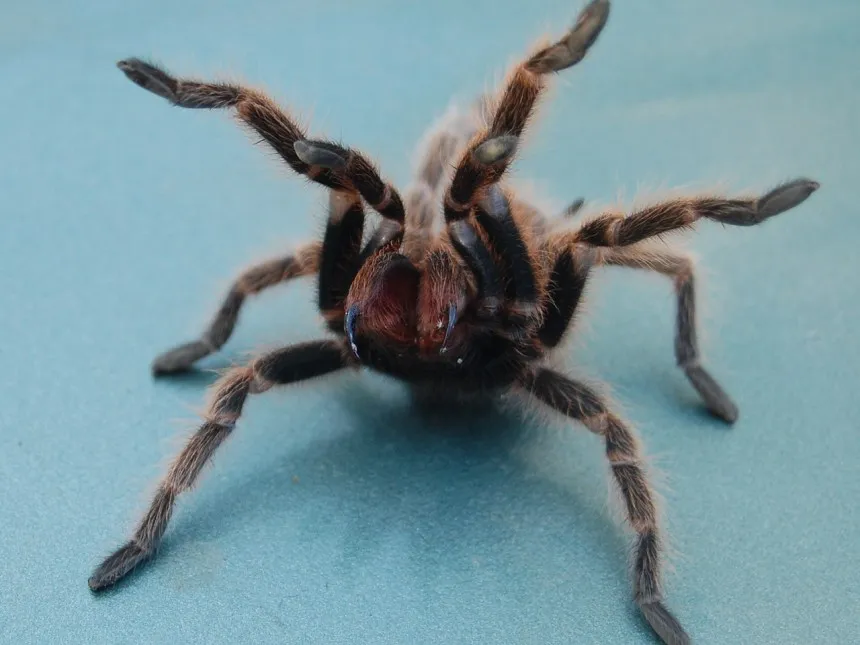
What Happens if a Tarantula Bites You
Being bitten by a tarantula can be a frightening experience, but understanding what happens after a bite is crucial for effective management and peace of mind. Contrary to popular belief, tarantulas are not inherently deadly to humans. Their venom, while present, is generally not potent enough to cause serious harm to healthy adults. The effects of a tarantula bite are more akin to a bee sting than a life-threatening event. However, the reaction to a bite can vary depending on several factors, including the species of tarantula, the amount of venom injected, the individual’s sensitivity, and the presence of any secondary infection. In most cases, the symptoms are localized and resolve within a few days. It is important to stay calm and assess the situation. Seeking medical attention is necessary to ensure proper care and rule out any complications. Knowing the possible effects will help you respond appropriately.
Symptoms of a Tarantula Bite
The symptoms of a tarantula bite can range from mild to moderate, with the severity depending on several factors. The primary symptoms are often localized to the bite area, but some individuals may experience more systemic reactions. It is important to note that the vast majority of tarantula bites do not result in severe health complications. Recognizing these signs can help you to understand the severity and decide the appropriate course of action. Observing the symptoms will allow you to respond quickly to ensure the best possible outcome.
Common Localized Symptoms

Localized symptoms are the most frequently observed after a tarantula bite. The bite site typically presents with immediate pain, often described as a sharp, stinging sensation. Redness and swelling around the affected area are also common, as the body’s inflammatory response kicks in. Itching or pruritus may occur as the body attempts to heal. These localized symptoms usually subside within a few days and can be managed with basic first aid. In most cases, these localized reactions are the extent of the problem, underscoring the generally mild nature of tarantula venom’s effect on humans. The body will naturally work to heal and recover, and the symptoms will decrease over time.
Less Common Systemic Symptoms
In some cases, particularly in individuals with sensitivities or allergies, systemic symptoms may develop. These are less common but can include muscle cramps, nausea, or vomiting. More serious reactions are exceedingly rare but may involve difficulty breathing or severe allergic responses, requiring immediate medical intervention. Systemic symptoms indicate that the body is reacting more strongly to the venom, and a healthcare professional should be consulted. While the likelihood of significant systemic reactions is low, it is essential to be aware of them to respond appropriately. If symptoms are severe, it is best to err on the side of caution and seek professional medical help.
First Aid for a Tarantula Bite
Administering prompt and correct first aid can significantly impact the outcome of a tarantula bite. The primary goals of first aid are to minimize pain, prevent infection, and manage any adverse reactions. Many of these measures can be done at home, but it is important to know when professional medical attention is required. Proper care at the initial stage is critical to ensure that the healing process begins immediately. Quick and effective response can help reduce discomfort and prevent any complications. By following these steps, you can take appropriate action right away.
Immediate Steps to Take

The immediate response to a tarantula bite involves several simple, yet crucial, steps. First, remain calm and move away from the tarantula to avoid further bites. Gently clean the bite area with mild soap and water to remove any venom and reduce the risk of infection. Apply a cold compress or ice pack to the bite site to reduce swelling and alleviate pain. Elevating the affected limb can also help minimize swelling. Monitor the individual for any signs of systemic reactions, such as difficulty breathing, dizziness, or nausea, and seek medical help immediately if these occur. Documenting the incident and taking a photo of the bite can also be helpful for medical professionals.
Cleaning the Wound
Thoroughly cleaning the wound is vital to prevent infection. Use mild soap and water to gently wash the bite area. Avoid harsh chemicals or scrubbing, which could irritate the skin. Rinse the area thoroughly and pat it dry with a clean cloth. Apply a topical antibiotic ointment to help prevent infection. Cover the bite with a clean bandage to protect it. Changing the bandage daily and monitoring the area for signs of infection, such as increased redness, swelling, pus, or fever, is crucial. Proper wound care is paramount to promote healing and prevent complications. Observing for any changes and ensuring cleanliness is essential.
When to Seek Medical Attention
While most tarantula bites are not life-threatening, there are instances when medical attention is necessary. Seek professional medical help if you experience severe pain, difficulty breathing, or signs of an allergic reaction. If the symptoms worsen or do not improve within a few days, consult a healthcare provider. Any signs of infection, such as increasing redness, swelling, or pus, warrant medical evaluation. Individuals with pre-existing health conditions, young children, and the elderly should also seek medical advice. It is always better to be cautious, and the professional expertise of a doctor can prevent any further health complications.
Treatments for a Tarantula Bite

Treatment for a tarantula bite aims to alleviate symptoms and prevent secondary complications. Depending on the severity of the bite, treatment may range from simple home remedies to more advanced medical interventions. Understanding the available treatments will help to manage the situation effectively. It is important to follow your healthcare provider’s advice to ensure the best possible outcome and to promote a quick recovery.
Pain Management Techniques
Pain management is a key component of treating a tarantula bite. Over-the-counter pain relievers, such as ibuprofen or acetaminophen, can help reduce pain and inflammation. Applying a cold compress to the bite site can also alleviate pain and swelling. Elevating the affected limb can further help reduce swelling. For more severe pain, a doctor may prescribe stronger pain medications. Topical creams containing antihistamines or corticosteroids can help relieve itching and inflammation. Following these pain management techniques will help you manage discomfort effectively.
Antivenom Availability
Antivenom for tarantula bites is generally not available, as the venom is typically not considered life-threatening. In rare cases of severe reactions, healthcare professionals might administer supportive care, such as oxygen or medications to manage allergic reactions. The focus of treatment remains on managing symptoms and preventing complications. The absence of specific antivenom highlights the relatively benign nature of most tarantula bites. Supportive care, such as monitoring the individual and providing comfort measures, is usually sufficient.
Preventing Tarantula Bites

Preventing tarantula bites involves taking precautions, especially if you are around tarantulas. This section will explore tarantula behavior and offer safety tips. Implementing preventive measures significantly reduces the risk of bites. Knowing how to act around these arachnids is critical.
Understanding Tarantula Behavior
Understanding tarantula behavior is essential for preventing bites. Tarantulas are generally docile and prefer to avoid confrontation. However, they may bite if they feel threatened or provoked. Avoid handling tarantulas unless you are an experienced handler. Tarantulas may become defensive if they are startled or if their habitat is disturbed. It is important to recognize these behaviors and provide a safe environment. Keeping these facts in mind will significantly reduce the risk of being bitten. Approaching these animals with caution, and understanding their instincts, will help to keep you safe.
Safety Measures for Tarantula Owners
If you own a tarantula, taking safety measures is crucial. Always handle tarantulas carefully and avoid sudden movements. Use appropriate tools, such as long-handled tongs, to move or feed your tarantula. Make sure the enclosure is secure to prevent escapes. Wash your hands thoroughly after handling your tarantula or its enclosure. Be aware of your tarantula’s temperament and recognize signs of stress. Keep children and pets away from tarantulas to minimize the risk of bites. By following these safety measures, you can reduce the chances of a bite and ensure a safe environment for both you and your tarantula.
Debunking Tarantula Bite Myths

There are many myths surrounding tarantula bites, and it’s important to separate fact from fiction. One common myth is that all tarantula bites are deadly. As mentioned earlier, tarantula venom is generally not fatal to humans. Another myth is that antivenom is readily available. In reality, antivenom is rarely needed. Understanding and debunking these myths can help reduce fear and anxiety. Knowing the truth about tarantula bites will help people respond appropriately and confidently.
In conclusion, while a tarantula bite can be unsettling, it is rarely a serious threat to human health. Most bites cause only mild, localized symptoms that resolve within a few days. Proper first aid, including cleaning the wound and applying a cold compress, can help alleviate discomfort. Seeking medical attention is essential if you experience severe symptoms or signs of infection. By understanding the facts about tarantula bites, taking preventive measures, and following the recommended first aid guidelines, you can stay safe and address any incidents effectively.