Understanding Tarantulas
Welcome to the fascinating world of Tarantulas in the Bahamas! This comprehensive guide is designed for beginners who are curious about these impressive arachnids. We’ll explore everything from what a tarantula is to where you can find them in the beautiful Bahamian islands, providing you with valuable insights into their behavior, habitat, and the crucial role they play in the ecosystem. Prepare to embark on an exciting journey of discovery, dispelling myths, and fostering a deeper appreciation for these often-misunderstood creatures. Whether you’re a nature enthusiast, a budding biologist, or simply curious, this guide has something for everyone. Let’s dive in and uncover the secrets of the Tarantula Bahamas!
What is a Tarantula
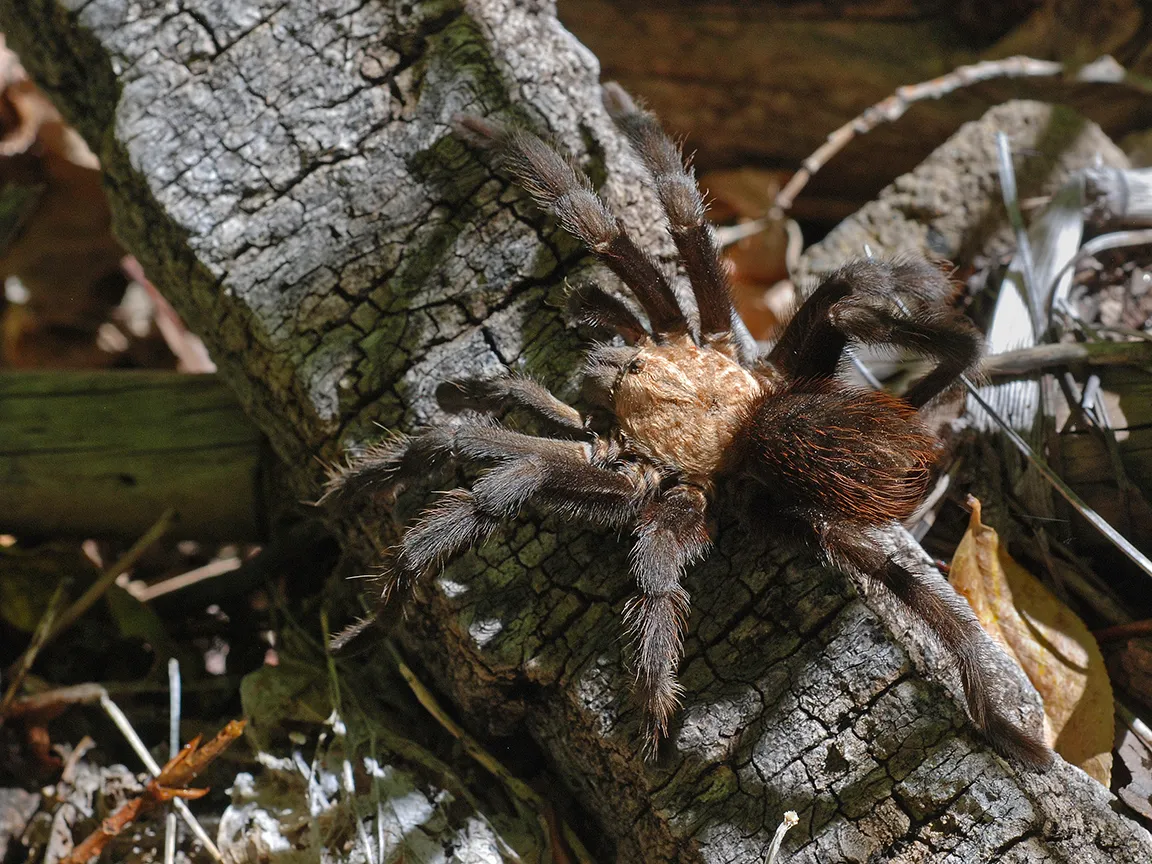
A tarantula is a large, hairy spider belonging to the Theraphosidae family. Unlike many other spiders, tarantulas are known for their size, often boasting a leg span of several inches. They are found in various habitats around the world, from tropical rainforests to deserts. Tarantulas are nocturnal hunters, preying on insects, other spiders, and sometimes even small vertebrates. They possess fangs for injecting venom to subdue their prey and have unique defense mechanisms such as urticating hairs that can irritate predators. Their lifespan can vary greatly, with females often living for several decades, while males have a shorter lifespan.
Types of Tarantulas Found in the Bahamas

The Bahamas, with its tropical climate and diverse ecosystems, is home to several species of tarantulas. While specific species identification can be complex and may require expert knowledge, some common characteristics can help in identifying the local varieties. These tarantulas vary in color, size, and behavior. Understanding the specific species present in the Bahamas is an ongoing field of study, and new discoveries are possible. Generally, these tarantulas are adapted to the island environment, with unique traits that distinguish them from their mainland counterparts. Observing these creatures in their natural habitat offers a fascinating glimpse into the biodiversity of the Bahamian islands. Keep in mind that the local species might be different from those found elsewhere in the world, making the Bahamas an exciting destination for tarantula enthusiasts.
Bahamian Tarantula Habitats
Bahamian tarantulas typically inhabit a variety of environments. They can be found in the undergrowth of lush forests, in burrows beneath the soil, or even in the crevices of rocks. The humid climate and dense vegetation of the Bahamas provide an ideal setting for these arachnids. Different species may have preferences for specific microhabitats within the islands, which can influence their distribution and behavior. Many tarantulas are well-camouflaged to blend in with their surroundings, making them difficult to spot. These spiders often create silk-lined burrows or retreats to provide shelter from the elements and protect them from predators. Understanding the specific habitat preferences of different Bahamian tarantula species is key to their conservation and protection.
Where to Find Tarantulas in the Bahamas
Spotting tarantulas in the Bahamas requires patience and a keen eye. The best time to search for these creatures is often at night, when they are most active. Hiking through forests and natural areas can provide opportunities to observe tarantulas in their natural habitats. Look for their burrows, which often appear as small holes in the ground, surrounded by silk and debris. Be respectful of the environment and avoid disturbing the tarantulas or their habitats. Some popular areas for wildlife observation may offer guided tours that can enhance your chances of spotting these elusive spiders. Always remember to keep a safe distance and avoid any direct contact with the tarantulas. Careful observation and responsible exploration are essential for enjoying the wonders of Bahamian tarantulas.
Tarantula Behavior and Characteristics

Tarantulas in the Bahamas display fascinating behaviors and characteristics. They are primarily nocturnal hunters, using their excellent senses to detect prey. Tarantulas are ambush predators, waiting patiently for an unsuspecting insect or small animal to come within striking distance. They inject venom to paralyze their prey, which is then consumed. The behavior of tarantulas varies based on species and their environment. Some species are more docile, while others may be defensive. Observing their molting process, where they shed their exoskeleton to grow, is another remarkable aspect of their biology. This process leaves them vulnerable, so they typically seek a safe place to hide during molting. Understanding these behaviors provides a deeper appreciation for the complexity of these creatures.
Tarantula Diet and Feeding Habits
Bahamian tarantulas are carnivores, and their diet primarily consists of insects, such as crickets, beetles, and other invertebrates. Larger tarantulas may also consume small vertebrates like lizards and even small birds. The spiders employ a hunting strategy where they ambush their prey. They inject venom to immobilize their food, then use their fangs to break down the meal. Tarantulas consume their food by liquifying it and then sucking up the nutrients. The amount of food a tarantula needs depends on its size and activity level. Providing them with a varied diet ensures they get the necessary nutrients for healthy growth. Careful observation of their feeding habits reveals their hunting techniques and digestive process, making them a fascinating subject for study.
Tarantula Lifespan and Growth
The lifespan of a Bahamian tarantula varies depending on the species and sex. Female tarantulas generally live longer than males, sometimes exceeding 20 years in the wild, whereas males typically live for 5-10 years. Their growth process involves molting, where they shed their exoskeleton to grow larger. This process can occur multiple times throughout their lives, especially during their juvenile stages. Each molt represents a significant period of growth. Proper care and a suitable environment are essential for their healthy growth and longevity. Their lifespan is affected by various factors such as food availability, environmental conditions, and predator threats. Observing their growth provides a fascinating insight into their life cycle and adaptation to the Bahamas environment.
Tarantulas and Humans Interaction

Interactions between humans and tarantulas in the Bahamas are generally rare, but it’s important to understand the potential risks and how to respond appropriately. The presence of tarantulas can sometimes cause fear, and it is important to approach these creatures with respect and caution. Understanding their behavior, such as their defensive postures or threat displays, can help prevent unnecessary encounters. Education plays a key role in dispelling common myths and promoting a positive perception of tarantulas. Responsible ecotourism and wildlife conservation efforts are essential for minimizing negative impacts and promoting co-existence. When interacting with tarantulas, it’s best to observe them from a safe distance and to avoid any direct physical contact.
Are Bahamian Tarantulas Dangerous
While tarantulas possess venom, their bites are generally not considered life-threatening to humans. The venom of Bahamian tarantulas is typically mild and may cause localized pain, redness, and swelling, similar to a bee sting. However, individuals with allergies to insect venom might experience a more severe reaction. It is important to note that tarantulas primarily use their venom to subdue prey and are not aggressive towards humans unless provoked. Their main defense mechanism is usually to flick urticating hairs from their abdomen, which can cause skin irritation. Although serious bites are rare, it is advisable to seek medical attention if you experience an allergic reaction or any unusual symptoms after being bitten. Always exercise caution and respect the space of these creatures.
Tarantula Bites and First Aid
If bitten by a Bahamian tarantula, it is essential to remain calm and follow these first aid steps. Clean the bite area thoroughly with soap and water to prevent infection. Apply a cold compress to reduce swelling and pain. Monitor the bite site for any signs of an allergic reaction, such as difficulty breathing or severe swelling. If you experience an allergic reaction or any other concerning symptoms, seek immediate medical attention. Avoid scratching the bite area to prevent secondary infections. Keep the area clean and dry. In most cases, the symptoms will subside within a few hours or days. However, prompt medical attention can ensure proper care and minimize any potential complications. Always consult with a healthcare professional for specific medical advice.
Conservation and Tarantulas

Conservation efforts are crucial for protecting the tarantulas and their habitats in the Bahamas. These creatures face numerous threats, including habitat destruction, climate change, and the illegal pet trade. Conservation strategies focus on preserving natural habitats, promoting sustainable tourism, and raising public awareness about the importance of tarantulas in the ecosystem. Supporting research initiatives and monitoring populations provides critical information for conservation efforts. Protecting these remarkable spiders helps ensure the continued biodiversity of the Bahamian islands. Encouraging responsible practices, such as minimizing pollution and avoiding the use of pesticides, contributes to the overall health of the ecosystem. Working together, we can safeguard the future of tarantulas in the Bahamas.
Threats to Tarantula Populations
Bahamian tarantula populations face a range of threats that jeopardize their survival. Habitat loss due to deforestation, development, and climate change is a significant concern. The destruction of their natural environments directly impacts their ability to find food, shelter, and mates. The illegal pet trade also poses a threat, as tarantulas are sometimes collected from the wild for sale. Climate change is causing shifts in temperature and rainfall patterns, affecting the availability of food sources and the overall suitability of habitats. Pollution and the use of pesticides can also harm tarantulas and their food sources. Understanding these threats is essential for developing effective conservation strategies. Protecting their habitats and addressing the impacts of climate change are crucial steps toward preserving their survival.
How to Protect Tarantulas and Their Habitats
Protecting Bahamian tarantulas and their habitats requires a multi-faceted approach. Supporting conservation organizations and initiatives is essential. Advocate for sustainable land-use practices and responsible development. Educate yourself and others about the importance of tarantulas and their role in the ecosystem. Report any illegal activities, such as habitat destruction or the collection of tarantulas. Avoid the use of pesticides and herbicides that can harm these creatures. Support ecotourism ventures that promote the responsible observation of wildlife. Participate in citizen science projects to monitor tarantula populations and habitats. Every small action contributes to the larger effort. By working together, we can create a future where tarantulas thrive in the Bahamas for generations to come.