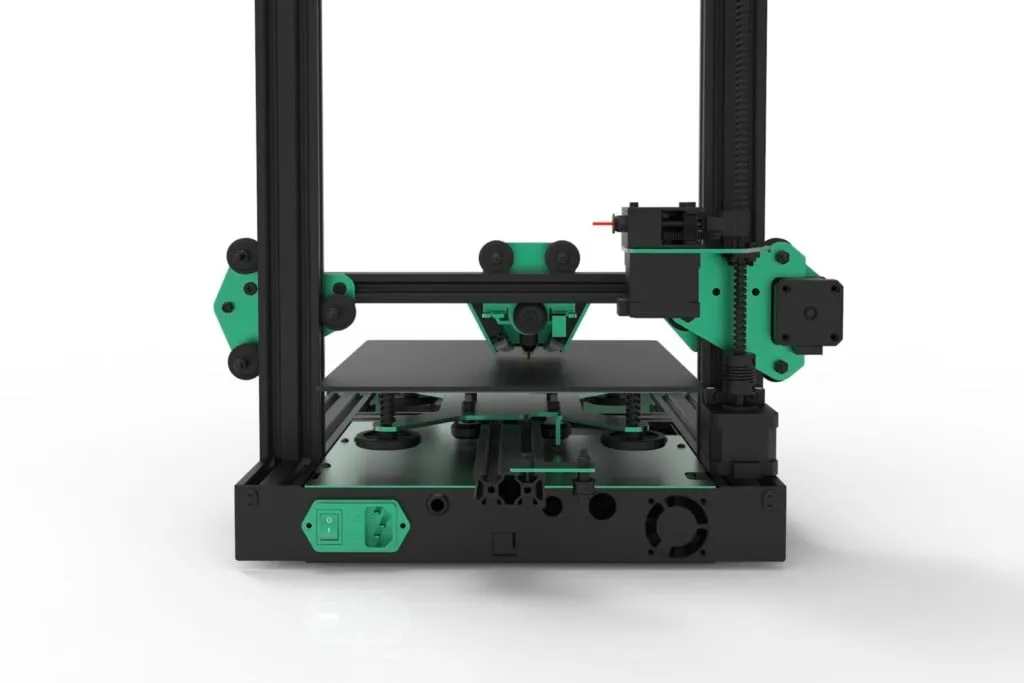
Tarantula 3D Printer Review 5 Key Facts
The Tarantula 3D printer has gained popularity among hobbyists and beginners due to its affordability and open-source nature. This review delves into the top 5 key facts you should know about this printer. We will explore its features, capabilities, and limitations. Whether you’re a seasoned 3D printing enthusiast or just starting, understanding the Tarantula’s strengths and weaknesses is crucial before making a purchase. This detailed overview will provide you with a comprehensive guide to help you determine if the Tarantula 3D printer is the right choice for your needs, covering everything from its core technologies to its user experience and print quality. Let’s uncover the essential aspects that define the Tarantula 3D printer.
What is the Tarantula 3D Printer
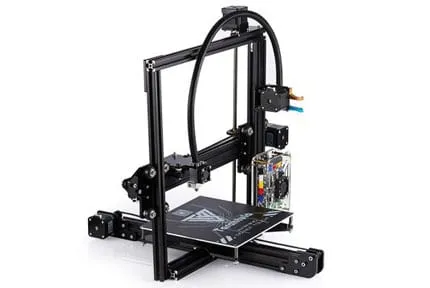
The Tarantula 3D printer is a desktop 3D printer typically offered as a kit, allowing users to assemble it themselves. Known for its budget-friendly price point, it’s an accessible option for those entering the world of 3D printing. The printer uses Fused Deposition Modeling (FDM) technology, where a thermoplastic filament is heated and extruded through a nozzle to build objects layer by layer. The Tarantula has a significant community that supports it, with a wide range of online resources, modifications, and troubleshooting guides available. This community aspect is a significant advantage, providing extensive support and fostering a collaborative environment for users to share knowledge and improve their printing experience.
The Tarantula’s Core Technologies

At its core, the Tarantula relies on FDM technology. This involves heating a thermoplastic filament, such as PLA, ABS, or PETG, and extruding it through a nozzle. The printer moves the print head along the X, Y, and Z axes to deposit the molten plastic in thin layers. The layer-by-layer process builds up the 3D model. Stepper motors control the movement of the print head and the build plate, ensuring precise positioning. The hot end, which heats and melts the filament, is a crucial component, and its quality affects print performance. The build plate, where the model is printed, can be heated on some Tarantula models, which can improve adhesion and reduce warping when printing with certain materials. Proper calibration of the bed and nozzle is essential for optimal print quality, requiring users to regularly level the bed and adjust the nozzle height.
Printing Technology
The Tarantula 3D printer, being an FDM printer, uses a heated nozzle to melt and extrude plastic filament. This process, known as Fused Deposition Modeling, builds objects layer by layer from the bottom up. The nozzle moves along three axes (X, Y, and Z) to deposit the melted plastic onto the build plate, forming the desired shape. The precision of this process depends on factors like the nozzle diameter, layer height, and print speed. The Tarantula typically uses standard nozzle sizes, and the layer height can be adjusted, which affects the print’s resolution and time. The printer’s performance is also dependent on the temperature control of the hot end and the build plate, ensuring the filament melts and adheres properly. Correct temperature settings for different filaments, such as PLA, ABS, or PETG, are crucial for print success. Proper calibration of the bed and nozzle is essential to achieve high-quality prints.
Build Volume and Print Speed
The build volume of the Tarantula varies depending on the specific model. However, it generally offers a decent size for hobbyist projects. The build volume determines the maximum size of the objects that can be printed. The print speed is another crucial factor, affecting how quickly prints are completed. The Tarantula’s print speed is moderate, balancing speed with print quality. The print speed can be adjusted in the slicing software, but faster speeds may compromise print quality. The ability to print larger objects efficiently depends on the build volume and print speed. Understanding these specifications helps users to plan and execute their printing projects effectively. Optimizing print settings such as layer height, infill, and temperature are important for balancing speed and quality.
Materials Compatibility

The Tarantula 3D printer supports a wide range of materials, including PLA, ABS, PETG, and various other filaments. PLA is a popular choice due to its ease of printing and low odor. ABS offers greater durability and heat resistance, but it requires a heated bed and can be more prone to warping. PETG combines the best properties of both PLA and ABS, providing good strength and flexibility. The printer’s heated bed, if available, is essential for printing materials like ABS, as it helps to prevent warping. The print settings, such as temperature and print speed, should be adjusted depending on the material used. Experimentation with different materials will allow users to expand the printer’s capabilities and explore various applications. Each material’s specific properties will influence the final print quality and the objects functionality. Understanding the characteristics of the filament is essential for achieving the desired outcomes.
The Tarantula 3D Printer’s Features
The Tarantula often comes with features like a heated bed, which aids in printing with materials such as ABS, by preventing warping. It usually includes an LCD screen and a control knob for easy navigation and control over the printing process. Some models feature an SD card slot for offline printing, allowing users to print without being connected to a computer. Open-source firmware, often Marlin, provides customization options and community support. Many Tarantula models also include a filament runout sensor that pauses the print if the filament runs out. These features enhance the user experience and make the printer more versatile and user-friendly. They contribute to the printer’s overall ease of use and reliability, making it a solid choice for both beginners and experienced users. The combination of features offers a balanced blend of functionality and affordability.
Assembly and Setup
The Tarantula 3D printer usually arrives as a kit, requiring users to assemble it themselves. The assembly process can take several hours. The kit includes detailed instructions and all the necessary components. Following the instructions carefully is critical for a successful build. The initial setup involves assembling the frame, installing the electronics, and connecting the various mechanical components. The printer’s assembly requires basic mechanical and electrical knowledge, and online resources can provide additional assistance. Once assembled, the printer must be calibrated, including leveling the build plate and adjusting the nozzle height. Proper assembly and calibration are essential for achieving high-quality prints. The assembly process, though time-consuming, allows users to understand the printer’s mechanics and make adjustments as needed.
Software and Firmware

The Tarantula 3D printer typically uses open-source slicing software like Cura or Simplify3D. Slicing software converts 3D models into instructions the printer can understand. It also generates the G-code, which controls the printer’s movements and settings. The firmware, often Marlin, is also open-source, allowing users to customize the printer’s behavior. This flexibility enables adjustments to print settings, such as temperature, speed, and retraction. Cura offers a user-friendly interface and is suitable for beginners, while Simplify3D provides advanced features for experienced users. Regular firmware updates are recommended to improve performance and fix any issues. The software is crucial for preparing the 3D models for printing, controlling all aspects of the print job and optimizing print quality. Users should learn the basics of slicing software to achieve the best possible results.
User Experience and Print Quality
The user experience with the Tarantula 3D printer can vary depending on the user’s experience and the quality of assembly. For beginners, the kit form might present a challenge during assembly. Print quality is generally good, but it can be affected by calibration, material selection, and print settings. Correct bed leveling is crucial for the first layer adhesion and overall print quality. Fine-tuning the settings for different filaments is essential for achieving the desired results. With proper setup and adjustments, the Tarantula can produce detailed and functional prints. The community support helps users to troubleshoot any issues and enhance their experience. Users can gradually improve print quality with practice and experimentation.
Pros and Cons of the Tarantula 3D Printer
The Tarantula 3D printer offers several advantages and disadvantages. It’s essential to weigh these factors before making a purchase. Understanding the pros and cons can help users determine if the Tarantula is the right fit for their specific needs and requirements. Careful consideration of these aspects will allow for a well-informed decision and a more successful printing experience. Both positive and negative aspects play a crucial role in determining overall user satisfaction and the printer’s suitability for various projects and applications.
Pros
- Affordable price point, making it accessible to beginners.
- Open-source design and community support for customization.
- Supports a wide range of filaments, including PLA, ABS, and PETG.
- Decent build volume for many hobbyist projects.
- Relatively easy to find replacement parts.
Cons
- Assembly required, which can be time-consuming.
- Print quality can vary depending on calibration and settings.
- May require some technical knowledge for troubleshooting.
- Can be noisy during operation.
- Build quality might not be as robust as more expensive models.
Where to Buy and Price
The Tarantula 3D printer is typically available through online retailers, such as Amazon, and from specialized 3D printer stores. The price can vary depending on the specific model and any included features. Check for sales and discounts to get the best possible deal. Consider the shipping costs and warranty options before purchasing. Reading user reviews can give you insights into the reliability and customer service offered by different retailers. The price generally positions the Tarantula in the budget-friendly category, making it an attractive option for those new to 3D printing. Comparing prices across multiple vendors is always recommended to make a well-informed purchasing decision.
Final Verdict on the Tarantula 3D Printer

The Tarantula 3D printer is a good choice for beginners and hobbyists on a budget. Its affordability and open-source nature make it a popular option. However, the assembly process and potential for adjustments may require some technical knowledge. While print quality is good, it may not match that of more expensive models. The Tarantula offers an excellent starting point for those new to 3D printing. The strong community support provides extensive resources for troubleshooting and upgrades. It provides a balance of features, performance, and cost-effectiveness, making it a good option for the price. Ultimately, the Tarantula 3D printer is a recommended option for those looking for an affordable entry point into the world of 3D printing, offering a great combination of value and functionality.