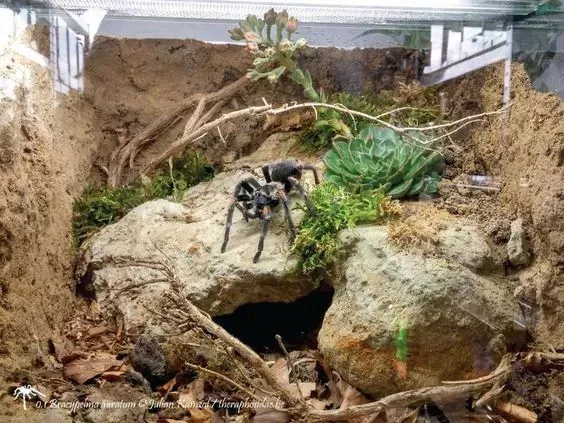
Choosing the Best Substrate for Your Desert Tarantula
Caring for a desert tarantula involves understanding their specific needs, and one of the most critical aspects of providing a healthy environment is selecting the right substrate. The substrate serves as more than just a bedding material; it plays a vital role in maintaining the proper humidity levels, facilitating natural behaviors like burrowing, and ensuring the tarantula’s overall well-being. This guide will explore the top substrate choices for your desert tarantula, helping you create the perfect habitat for your eight-legged friend. Choosing the correct substrate is a cornerstone of successful tarantula keeping, impacting everything from their physical health to their psychological comfort, therefore, it is vital that you research the best options. There are many materials you can use; however, not all of them are adequate, and some can even be harmful to the tarantula.
Why Substrate is Important for Desert Tarantulas
The substrate is fundamental to the life of your desert tarantula; it is more than just a decorative element inside the enclosure. A suitable substrate facilitates various aspects of the tarantula’s life cycle, including molting, humidity control, and burrowing behavior. Selecting the right material can prevent health problems and enhance the tarantula’s quality of life, leading to a happier and more active pet. It’s crucial to consider the specific needs of a desert tarantula when making this choice, as their requirements differ from those of species found in more humid environments.
Humidity Regulation

Desert tarantulas thrive in environments with low humidity. The substrate helps regulate the moisture levels within the enclosure, preventing the air from becoming too humid. Some substrates absorb moisture, while others help maintain dryness, which is critical for the desert tarantula’s health. Incorrect humidity levels can lead to respiratory problems or even death. Therefore, choosing a substrate that effectively manages humidity is paramount for the well-being of your desert tarantula, ensuring it lives in a healthy and comfortable environment. This is particularly important in enclosed terrariums, where humidity levels can quickly build up.
Burrowing and Enrichment
Desert tarantulas are burrowing animals, and the substrate provides them with the opportunity to express this natural behavior. Providing a substrate that allows them to dig and create burrows offers enrichment, reducing stress and promoting a sense of security. Burrowing offers shelter from the elements and predators, offering them a safe place to molt and rest. Substrates that hold their shape when tunneled are preferable, as they allow the tarantula to construct and maintain its living space with ease. Without adequate burrowing material, the tarantula may become stressed and less active.
Molting and Safety
Molting is a critical process for tarantulas, allowing them to grow and replace their exoskeleton. The substrate provides a stable surface during molting, minimizing the risk of injury. It also helps in the shedding process by providing a grip for the tarantula to pull itself out of its old skin. A suitable substrate should be free from sharp objects or chemicals that could harm the tarantula during this vulnerable time. Regular monitoring and maintenance of the substrate help ensure a safe molting environment and protect the tarantula’s overall health and well-being. When molting, tarantulas are extremely vulnerable; they cannot defend themselves or escape from any danger.
Top 5 Substrate Choices for Desert Tarantulas
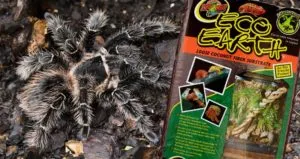
1. Coco Fiber
Coco fiber, derived from coconut husks, is a popular substrate choice for many tarantula keepers due to its excellent water retention properties. However, it’s crucial to manage humidity carefully when using coco fiber for desert tarantulas, as it can retain too much moisture if not monitored. It can be mixed with other substrates to increase its drainage capacity. It offers a natural look and is generally safe for tarantulas. However, it may not be the best choice for true desert species, as it can be prone to molding if it gets too wet, which is less desirable for species requiring drier conditions. It also provides a good base for burrowing, allowing the tarantula to construct tunnels and hideaways.
Pros of Using Coco Fiber
Coco fiber is readily available, affordable, and provides a naturalistic look to the enclosure, mimicking the environment of many tarantulas. Its ability to hold moisture helps in maintaining a degree of humidity, which can be beneficial for some species or used in conjunction with other substrates. It’s also a relatively safe option, with minimal risks of harm to the tarantula if properly managed. Moreover, coco fiber is biodegradable and can be composted, which makes it an environmentally friendly choice. It can also be mixed with other substrates to create a more tailored blend.
Cons of Using Coco Fiber
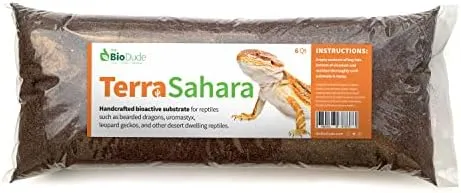
Coco fiber can retain too much moisture, making it unsuitable for desert species requiring very dry conditions. Overly humid environments can lead to mold growth and respiratory issues for the tarantula. Regular monitoring of humidity levels and the substrate is essential to prevent these problems. Coco fiber may also need to be replaced frequently to prevent the build-up of waste and to maintain optimal hygiene. Its fine texture can sometimes cause it to stick to the tarantula during molting if the enclosure is too humid.
2. Sand
Sand is a natural substrate choice that aligns well with the arid environments that desert tarantulas are accustomed to. It’s excellent for maintaining the low humidity levels that these species require and allows for burrowing. However, not all types of sand are created equal; it’s essential to select the correct type to avoid health problems. Sand from beaches is not suitable, since it contains salts that will harm your tarantula. Washed play sand is the best choice, since it offers a good texture for burrowing and is relatively inexpensive. It is important to provide a depth of substrate that allows for proper burrowing.
Pros of Using Sand
Sand is ideal for creating a dry environment, essential for the health of desert tarantulas. It facilitates natural burrowing behavior, providing enrichment and a sense of security for the tarantula. Its texture is generally non-toxic and safe for molting tarantulas. Sand also provides a visually appealing substrate, mirroring the natural habitats of these spiders. Additionally, it is relatively easy to clean, making maintenance less tedious. Furthermore, a sand substrate is excellent for maintaining low humidity levels.
Cons of Using Sand

Sand can be dusty, potentially causing respiratory issues if not properly maintained. It can also be challenging to clean and may require complete substrate changes more frequently than other options. Some types of sand can compact, making burrowing more difficult for the tarantula. Furthermore, if ingested, sand can cause impaction. Always use washed play sand and sift it to remove dust and any large particles before introducing it to the terrarium to mitigate these risks. Over time, sand can lose its ability to absorb waste.
3. Clay Substrate
Clay substrate, often available in a pre-mixed form, provides a unique set of benefits for desert tarantula enclosures. It’s excellent at holding its shape, allowing the tarantula to construct elaborate burrows. It’s also good at absorbing moisture, which helps to regulate humidity. This can be particularly useful in maintaining the dry conditions that desert tarantulas need. When choosing a clay substrate, ensure it is specifically designed for reptiles or arachnids and free from additives that might harm the tarantula. Mixing clay with other substrates can also provide a more suitable environment for the tarantula.
Pros of Using Clay Substrate
Clay substrate is excellent for burrowing, allowing tarantulas to create structurally sound tunnels and hideaways. Its ability to maintain shape and firmness encourages natural behaviors and provides a sense of security for the tarantula. It also offers good humidity regulation, helping maintain the arid conditions ideal for desert species. Many clay substrates are non-toxic and easy to clean, making them a practical choice for tarantula keepers. This provides an enriching environment that supports the physical and psychological well-being of the tarantula.
Cons of Using Clay Substrate

Clay substrates can sometimes be difficult to work with and may require specific preparation before use. Depending on the type, they can become very hard when dry, making burrowing difficult if not properly hydrated or mixed with other substrates. Some clay substrates can also be dusty, potentially affecting the tarantula’s respiratory health. Ensure the product is specifically made for reptiles or arachnids to avoid potentially harmful chemicals or additives.
4. Vermiculite
Vermiculite is a mineral substrate that is occasionally used in tarantula keeping, though it is more common for its use in plant cultivation. It is known for its excellent water retention and aeration properties. For desert tarantulas, its use is limited, as it may retain too much moisture. However, it can be used in small amounts in a mix with other, drier substrates to offer some moisture retention. It’s crucial to monitor humidity levels carefully when vermiculite is included in the substrate to prevent the enclosure from becoming overly humid, which could lead to health problems. It can be beneficial if you want a substrate with a slightly higher moisture content, but it must be used with caution.
Pros of Using Vermiculite
Vermiculite helps improve the moisture content of the substrate, providing a more stable environment. This can be useful when mixed with drier substrates to maintain some humidity for molting or for species that require a small amount of moisture. It is also non-toxic and safe for tarantulas. Vermiculite can also promote aeration, which helps prevent compaction and allows for better air circulation within the substrate. It is relatively inexpensive and readily available in most pet stores, making it a convenient option for tarantula keepers.
Cons of Using Vermiculite

Vermiculite can retain too much moisture, which makes it unsuitable for desert tarantulas, which prefer dry environments. Excess humidity can lead to mold growth, respiratory problems, and even infections. Regular monitoring and careful management are essential when using vermiculite. It may not be ideal on its own but can be used sparingly, as a component within a carefully balanced substrate mixture. It’s always best to avoid it for desert species that require low humidity.
5. Substrate Mixes
Creating substrate mixes involves combining different materials to achieve the ideal environment for your desert tarantula. Mixes can offer a balance of moisture retention, drainage, and burrowing capabilities. The best mix often includes a combination of sand, clay, and a small amount of coco fiber to balance moisture content. These mixtures can be tailored to the specific needs of the tarantula species and the keeper’s preferences. This approach allows you to fine-tune the environment to the perfect humidity level, encouraging natural behaviors and ensuring a healthy habitat. The right mix can offer a diverse range of textures, promoting burrowing, molting, and overall well-being.
Creating the Right Mix
When creating a substrate mix, the goal is to balance different properties to meet the tarantula’s specific needs. A good starting point is often a base of washed play sand, which provides a dry environment and facilitates burrowing. Adding a small amount of clay substrate improves the structure for burrowing and adds some moisture retention. Coco fiber can be added to provide a little more moisture, but should be used sparingly in arid environments. Mixing these materials in the right proportions is crucial to ensure the right consistency and moisture level. Start with the sand as the base and add other components gradually, testing the mix to ensure it provides adequate support for burrows and maintains the proper humidity levels.
Things to Consider When Choosing Substrate

Humidity Levels
Humidity is a critical factor, particularly for desert tarantulas. Choose substrates that can help maintain the correct moisture levels. In arid environments, this means prioritizing materials that do not retain too much moisture. Regular monitoring of humidity levels is essential, using a hygrometer to ensure the environment remains within the ideal range. A substrate that helps maintain dryness is crucial for preventing respiratory problems and other health issues. If the enclosure becomes too humid, mold and bacteria can begin to form, which puts the tarantula at risk. Therefore, the substrate should be able to quickly remove the waste. If the humidity is too low, then the tarantula will have issues when it comes to molting.
Burrowing Behavior
Desert tarantulas are burrowing creatures by nature, and the substrate should accommodate this behavior. It’s important to select a substrate that is firm enough to allow for burrow construction, which provides the tarantula with security and comfort. The material should be deep enough to allow for the formation of extensive burrows, and it should hold its shape when tunneled. Mixing different substrates can help create the ideal burrowing environment, providing the right texture and stability. This not only enhances the tarantula’s physical well-being but also enriches its life by allowing it to express natural behaviors.
Ease of Maintenance
Easy maintenance is a key consideration when choosing a substrate. The substrate should be easy to spot-clean to remove waste and uneaten food, which helps maintain a clean and healthy environment. Substrates that are too fine or compact can be difficult to clean, leading to potential hygiene issues. Consider the frequency with which the substrate will need to be changed and the effort required for cleaning. Some substrates may also require more frequent changes than others. A well-maintained substrate promotes a healthy environment and makes the tarantula keeping experience more manageable.
Conclusion
Selecting the appropriate substrate is a fundamental aspect of providing the best possible care for your desert tarantula. The right choice helps regulate humidity, supports natural behaviors like burrowing, and promotes overall health. By carefully considering the options, understanding the needs of your specific species, and implementing regular maintenance practices, you can ensure your desert tarantula thrives in a comfortable and enriching environment. Choosing the right substrate is not just about bedding; it is about creating a vibrant and healthy ecosystem where your tarantula can live a long and fulfilling life. Ultimately, the substrate plays a critical role in both the well-being and enjoyment of keeping these fascinating creatures as pets.