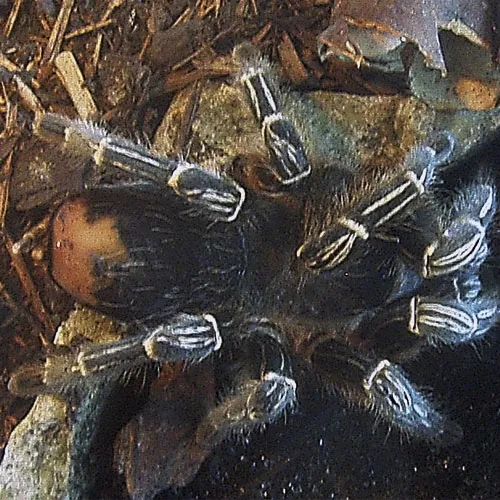
Striped Knee Tarantula Overview
The Striped Knee Tarantula (Aphonopelma seemanni) is a captivating creature that has gained popularity among tarantula enthusiasts. Known for its striking black and white striped legs, this species hails from the tropical dry forests of Costa Rica and Nicaragua. This care guide provides essential information for both novice and experienced keepers, ensuring your Striped Knee Tarantula thrives in a healthy and enriching environment. Understanding their natural environment and needs is the first step toward providing optimal care. This guide covers everything from habitat setup to feeding and health, making it a comprehensive resource for all aspects of Striped Knee Tarantula care.
What is a Striped Knee Tarantula?
The Striped Knee Tarantula is a species of tarantula admired for its striking appearance and relatively docile temperament, making it a great option for those new to keeping tarantulas. Unlike some other species, the Striped Knee is generally known to be less defensive and more tolerant of gentle handling, though handling should always be approached with caution. They are terrestrial spiders, meaning they spend most of their time on the ground rather than in trees. Their size varies, with females typically growing larger than males. Their longevity is also a factor, with females living for several years, offering a rewarding long-term pet experience.
Origin and Habitat

Striped Knee Tarantulas are native to the tropical dry forests of Central America, specifically Costa Rica and Nicaragua. In their natural habitat, they inhabit burrows in the ground, often under rocks or near the base of trees. These spiders thrive in a warm, humid environment. Understanding their natural environment is crucial for replicating their needs in captivity. They are well-adapted to climates with distinct wet and dry seasons, which should be considered when creating their enclosure. This understanding helps in providing a suitable habitat that mimics their wild environment.
Striped Knee Tarantula Appearance and Characteristics
The most distinguishing feature of the Striped Knee Tarantula is, of course, the striking black and white stripes on its legs. These markings are not only aesthetically pleasing but also serve as a key identifier for this species. The body, or carapace, is typically a dark color, often brown or black, which contrasts beautifully with the striped legs. Females are generally larger than males, and their coloration may vary slightly depending on their age and individual characteristics. Overall, they present a visually appealing species, making them a popular choice for tarantula enthusiasts. The presence of urticating hairs on their abdomen is a defensive mechanism, so caution is always advised.
Creating the Perfect Striped Knee Tarantula Habitat
Creating a suitable habitat is fundamental to the well-being of your Striped Knee Tarantula. The enclosure should provide a safe, comfortable, and stimulating environment that mimics their natural habitat. This includes selecting the right size enclosure, choosing appropriate substrate, and maintaining the correct temperature and humidity levels. Proper setup ensures your tarantula can thrive and exhibit natural behaviors. Careful attention to detail in habitat design reduces stress and enhances the overall health of your pet tarantula. Always prioritize the needs of the tarantula when creating their living space, as their well-being directly depends on it.
Choosing the Right Enclosure

The enclosure size depends on the size of the tarantula. A good rule is to provide an enclosure that is at least twice the tarantula’s leg span in width and length. For juveniles, a smaller enclosure is preferable, as it makes it easier for them to find their food. As they grow, gradually increase the enclosure size. The enclosure material can be glass or acrylic. The enclosure should have a secure lid to prevent escapes, and good ventilation is essential. The enclosure should also be easy to clean and maintain. Make sure the enclosure is situated in a location away from direct sunlight and extreme temperature fluctuations.
Substrate Selection
The substrate is a crucial part of the enclosure, providing a comfortable surface for the tarantula to walk on and also helping to maintain humidity levels. A mixture of peat moss, coconut fiber, and a bit of vermiculite is ideal. The substrate should be deep enough for the tarantula to burrow, typically 4–6 inches. Avoid substrates that are too dusty or prone to mold. Regular spot cleaning of the substrate is essential to remove any uneaten food or waste, helping to maintain a clean and healthy environment. Replacing the substrate entirely every few months will further ensure optimal conditions.
Temperature and Humidity Control
Striped Knee Tarantulas thrive in a warm and humid environment. The ideal temperature range is between 75-85°F (24-29°C). A heating pad placed on the side of the enclosure can provide this warmth, but avoid placing it under the enclosure as this may cause the substrate to dry out quickly. The humidity level should be maintained at around 60-70%. Regular misting of the enclosure with water can help maintain humidity, especially in drier climates. Use a hygrometer to monitor the humidity levels. Ensure that there’s adequate ventilation to prevent the buildup of condensation and mold growth. Proper temperature and humidity are critical for their health and well-being.
Decorating the Enclosure

Enriching the enclosure with decorations can provide the tarantula with places to hide and feel secure. Include a hide, such as a piece of cork bark or a half-log, for your tarantula to retreat to. Add some artificial plants or decorations to provide visual interest and help maintain humidity. Avoid using sharp or abrasive decorations that could harm the tarantula. Providing a shallow water dish is essential for hydration. Ensure the decorations are stable and cannot fall on the tarantula. A well-decorated enclosure adds to the enjoyment of keeping the tarantula and enriches its environment, contributing to its overall health.
Feeding Your Striped Knee Tarantula
Feeding your Striped Knee Tarantula is a crucial aspect of its care, ensuring it gets the nutrition it needs to thrive. Understanding what to feed, how often, and how to provide water is vital for maintaining its health and well-being. A well-fed tarantula is a healthy tarantula, so attention to its dietary needs is important. Proper feeding habits will also help your tarantula grow and develop properly, contributing to a longer lifespan. Always ensure the food is safe and of high quality to avoid any health problems.
What to Feed
Striped Knee Tarantulas are insectivores. Their diet primarily consists of insects. Crickets, mealworms, and cockroaches are all suitable options. The insects should be gut-loaded before feeding them to your tarantula, meaning they should be fed nutritious food before being offered to your pet. This ensures the tarantula receives essential nutrients. Avoid feeding your tarantula wild-caught insects, as they may carry parasites or pesticides. The size of the insects should be appropriate for the size of your tarantula – juveniles need smaller prey. Always remove any uneaten food within 24 hours to prevent mold growth.
Feeding Frequency

The feeding frequency depends on the tarantula’s age. Spiderlings and juveniles should be fed more frequently, typically 2-3 times a week. Adults can be fed once a week or every other week, depending on their size and appetite. Monitor your tarantula’s abdomen to determine if it’s well-fed; a plump abdomen indicates a healthy tarantula. Adjust the feeding schedule as needed. Do not overfeed your tarantula, as this can lead to health problems. Provide clean water at all times.
Watering and Hydration
Fresh water is essential for the health of your Striped Knee Tarantula. Provide a shallow water dish in the enclosure. The water should be clean and readily available. Ensure the water dish is shallow enough to prevent the tarantula from drowning. Regularly clean the water dish to prevent the buildup of bacteria and algae. In addition to a water dish, misting the enclosure with water, especially during molting, can also help maintain humidity and aid in hydration. Remember, clean water is vital for their well-being. Always keep the water accessible and clean.
Handling and Safety
Handling a Striped Knee Tarantula should be approached with caution and respect for the animal. While they are generally considered docile, they can still bite if they feel threatened. Understanding when and how to handle your tarantula safely is critical for both your and the spider’s well-being. This section addresses safe handling practices, including when to avoid handling and how to minimize risks. Prioritizing the safety of both the handler and the tarantula is paramount. Always remember that tarantulas are delicate creatures and should be treated with care and respect.
When to Avoid Handling

There are several situations when handling should be avoided. Never handle your tarantula when it is about to molt or is in the process of molting. During this time, their exoskeleton is soft and vulnerable. Avoid handling after feeding, as this can cause the tarantula to regurgitate its meal. Refrain from handling if the tarantula appears stressed, defensive, or agitated. Avoid handling when the tarantula is showing any signs of illness or discomfort. Always respect the tarantula’s behavior and body language to ensure its safety and well-being.
Safe Handling Practices
If you choose to handle your tarantula, do so with extreme care. Approach the tarantula gently and calmly. Use a soft, wide surface, like your hand, for the tarantula to walk onto. Avoid sudden movements. Always keep the tarantula close to the ground to prevent falls. Do not hold the tarantula too high. Never squeeze or grab the tarantula. Be prepared for a potential bite or the release of urticating hairs – protective hairs that cause irritation. Wash your hands thoroughly after handling your tarantula. It is best to minimize handling as much as possible to reduce the risk of stress and injury for your pet.
Common Striped Knee Tarantula Health Issues
Like all pets, Striped Knee Tarantulas can experience health issues. Recognizing the signs of illness and knowing how to address them is essential for responsible tarantula care. This section covers the molting process, a critical stage in a tarantula’s life, and the common health problems that can affect them. Early detection and proper care can significantly improve the tarantula’s chances of recovery. Paying attention to the tarantula’s behavior, appetite, and overall appearance can help in identifying potential health concerns. A healthy tarantula is a happy tarantula.
Molting Process

Molting is the process by which tarantulas shed their exoskeletons to grow. During molting, the tarantula will typically become inactive and may refuse food. The tarantula will often flip onto its back. The process can take several hours. It is crucial to avoid disturbing the tarantula during this time. After molting, the tarantula’s new exoskeleton is soft and vulnerable. Do not feed your tarantula for a week or two after molting to allow its new exoskeleton to harden. Molting is a natural and vital process for tarantulas, so it should be respected and not interfered with.
Recognizing and Treating Health Problems
Common health problems include mites, fungal infections, and injuries. Mites can often be seen on the tarantula or in the enclosure. These can be treated by improving enclosure hygiene and, in some cases, using mite treatments specifically designed for arachnids. Fungal infections can occur due to excessive humidity or poor ventilation; treatment involves adjusting humidity levels and providing better ventilation. Injuries, such as a damaged leg, can occur. Monitor the tarantula for loss of appetite, lethargy, or unusual behavior. If you notice any health problems, consult with a veterinarian experienced in exotic animals. Early intervention is key for successful treatment.
Breeding Striped Knee Tarantulas
Breeding Striped Knee Tarantulas is a rewarding but complex undertaking. It involves careful planning, proper preparation, and a thorough understanding of tarantula behavior and needs. This section covers the key aspects of breeding, from sexing your tarantula to caring for the spiderlings. Successful breeding requires patience, knowledge, and dedication. Before considering breeding, ensure you have a good understanding of the responsibilities involved in raising spiderlings.
Sexing Your Tarantula
Sexing a tarantula is an essential first step in breeding. The most reliable method is to examine the molt. After the tarantula molts, you can check the underside of the exuvium (shed exoskeleton) for the presence of spermathecae (sperm storage organs) in females. Males have a distinctive appearance. Males have tibial hooks on their front legs. Males also have modified pedipalps that are used for mating. Sexing can also be done by observing the tarantula’s behavior and size, but this method is less accurate. Accurate sexing is essential for successful breeding.
Mating and Egg Sacs
If you have a mature male and female, you can introduce them for mating. This should be done in a controlled environment, and you should monitor the interaction closely. The male will typically drum on the female’s web or carapace to initiate mating. If the female is receptive, she will allow the male to mate with her. After mating, separate the male and female to prevent the female from eating the male. The female will then lay eggs and create an egg sac. The egg sac will contain hundreds of eggs. Proper care and environment are crucial for the success of the breeding process.
Caring for Spiderlings
The female will typically guard the egg sac for several weeks before the eggs hatch. Once the spiderlings hatch, they should be separated into individual enclosures to prevent cannibalism. Spiderlings require small prey items, such as fruit flies or pinhead crickets. They need high humidity and a suitable substrate. Feeding spiderlings regularly is essential for their growth and development. Provide adequate water. Careful and attentive care of spiderlings increases the chances of successful growth. Raising spiderlings is a demanding but rewarding experience, so be prepared for the time commitment.