Singapore Blue Tarantula Top 5 Amazing Facts
The Singapore Blue Tarantula (Chilobrachys natanicharum) is a captivating arachnid that has captured the attention of both arachnid enthusiasts and casual observers alike. Found primarily in Singapore and surrounding regions, these spiders are not only beautiful but also possess a fascinating array of characteristics that make them a subject of wonder and study. This article will explore five amazing facts about the Singapore Blue Tarantula, shedding light on its unique features, habitat, behavior, and the importance of conservation efforts. Prepare to be amazed by the vibrant world of this incredible creature, learning about its beauty, and the challenges it faces in the wild.
Appearance and Characteristics
The Singapore Blue Tarantula is a striking species, primarily recognized for its vibrant blue coloration, which is particularly prominent in juveniles. The spider’s appearance is a significant factor in its appeal. This section delves into the specific characteristics that define the species and make it stand out in the world of tarantulas.
Vibrant Blue Color

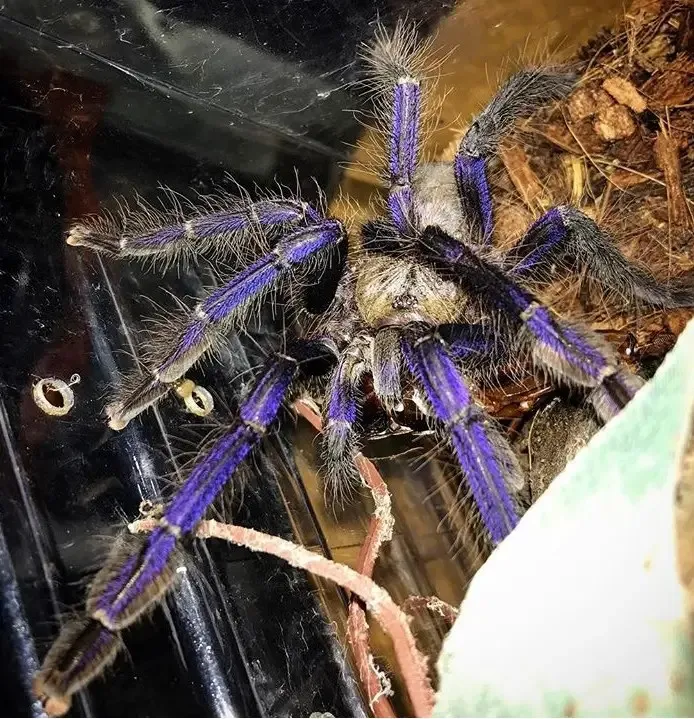
The most distinguishing feature of the Singapore Blue Tarantula is its mesmerizing blue coloration. This vibrant hue isn’t just a random pigment; it’s structural, created by the way light interacts with the microscopic structures on the spider’s hairs. This phenomenon, known as iridescence, gives the tarantula a shimmering, metallic appearance, especially noticeable under certain lighting conditions. The intensity of the blue can vary depending on the spider’s age, health, and environmental factors, making each individual unique. The color serves as a natural camouflage in their environment, blending with the shadows and foliage to avoid predators.
Size and Lifespan
Singapore Blue Tarantulas are medium-sized tarantulas, with females generally larger than males. Adult females can have a leg span of up to 5-6 inches, while males are often slightly smaller. The lifespan of these tarantulas also differs between the sexes. Females can live for 10-15 years or even longer in captivity, while males typically have a shorter lifespan of around 3-5 years. The longer lifespan of females allows them to mature and reproduce, contributing to the species’ survival. Careful care, including appropriate temperature, humidity, and diet, can significantly impact the tarantula’s lifespan and overall health.
Unique Anatomy
Like all tarantulas, the Singapore Blue has a segmented body comprising a cephalothorax (fused head and thorax) and an abdomen. The cephalothorax houses the spider’s eyes, mouthparts (chelicerae), and legs. The abdomen contains the internal organs, including the heart, book lungs, and silk-producing spinnerets. The tarantula’s eight legs are covered in sensory hairs, or setae, which detect vibrations and help the spider navigate its surroundings. Its fangs, or chelicerae, are used to inject venom into prey. The unique anatomy allows for specialized functions such as hunting, mating, and survival in their environment.
Habitat and Native Environment

Understanding the habitat and native environment of the Singapore Blue Tarantula is crucial for appreciating its adaptations and the threats it faces. Their natural environment significantly influences their behavior, diet, and overall survival. The following sections detail where these tarantulas live, the specific climate they thrive in, and their characteristic burrowing behavior.
Where They Live
The Singapore Blue Tarantula is endemic to Singapore, meaning it is found naturally only in this specific geographical location. They are primarily found in forested areas and areas with dense vegetation, where they can find suitable shelter and hunting grounds. Within Singapore, they may inhabit areas close to human settlements. However, habitat loss due to urbanization and deforestation poses a significant threat to their natural environment. Conserving and protecting these habitats is essential for the survival of this species, ensuring their continued existence in their native land.
Singapore’s Tropical Climate
Singapore’s tropical climate, characterized by high humidity and consistent temperatures, is ideal for the Singapore Blue Tarantula. The warm, humid conditions allow the tarantula to thrive, with the humidity aiding in molting and the consistent temperature supporting their metabolism. The abundance of rainfall also contributes to the moist conditions that the tarantulas favor. Understanding the importance of this climate for their survival emphasizes the need to protect and preserve their natural habitat, as any significant alteration to these conditions could negatively impact their populations.
Burrowing Behavior

The Singapore Blue Tarantula is a terrestrial species, meaning it spends most of its time on the ground. They are known for their burrowing behavior, creating underground shelters within the soil or under rocks and logs. These burrows provide protection from predators and extreme weather conditions, while also serving as a safe place for molting and egg-laying. The spider’s ability to construct and inhabit burrows is a key adaptation that allows it to survive in its environment. The structure of the burrows varies based on the soil type and the spider’s individual preferences.
Diet and Feeding Habits
The diet and feeding habits of the Singapore Blue Tarantula provide valuable insights into its ecological role and survival strategies. These spiders are opportunistic predators, with their feeding behavior being closely linked to their habitat and the availability of prey. Let’s explore what they eat, how often they feed, and their prey selection strategies.
What They Eat
Singapore Blue Tarantulas are primarily insectivores, feeding on a variety of insects and other invertebrates. Their diet in the wild includes crickets, grasshoppers, cockroaches, and other small arthropods. In captivity, they can be fed a similar diet, with commercially available insects often used. The tarantula’s diet provides essential nutrients for growth, molting, and overall health. The type of prey offered can affect the tarantula’s growth rate and overall well-being. A varied diet ensures that the tarantula receives all the nutrients it needs for optimal health.
Feeding Frequency

The feeding frequency of the Singapore Blue Tarantula varies depending on its age and size. Juveniles typically require more frequent feedings, about once or twice a week, to support their rapid growth. As they mature, the feeding frequency can be reduced to once every one or two weeks. Adult tarantulas can sometimes go for longer periods without food, as their metabolic rate slows down. Overfeeding can lead to health issues, so it’s important to monitor the tarantula’s body condition and adjust the feeding schedule accordingly. The tarantula’s behavior also gives clues; a hungry tarantula will actively hunt.
Prey Selection
Singapore Blue Tarantulas are opportunistic feeders, which means they will consume whatever prey is available in their environment. They are ambush predators, using their keen senses and stealth to capture their prey. The tarantula’s venom helps to immobilize the prey, allowing the spider to safely consume its meal. The size of the prey offered is also important; it should be appropriately sized for the tarantula to handle. It’s important to offer a variety of prey to ensure that the tarantula receives a balanced diet.
Behavior and Temperament
The behavior and temperament of the Singapore Blue Tarantula play a crucial role in its survival and interaction with its environment, including any interaction with humans. Understanding the defensive mechanisms, the molting process, and how they interact with humans, provides a more complete picture of this amazing spider.
Defensive Mechanisms

Like all tarantulas, the Singapore Blue has several defensive mechanisms to protect itself from predators. Their primary defense is their fangs, used to inject venom. While the venom is not typically lethal to humans, the bite can be painful and cause localized swelling. They may also flick urticating hairs from their abdomen as a defense. These tiny hairs can irritate the skin and eyes of a potential predator. When threatened, they might also raise their front legs and display a defensive posture, which serves as a warning signal.
Molting Process
Molting is an essential part of the tarantula’s life cycle, allowing it to grow and shed its exoskeleton. Before molting, the tarantula will become less active and may stop eating. The process can take several hours, during which the tarantula is extremely vulnerable. During molting, the tarantula sheds its old exoskeleton, revealing a new, larger one underneath. After molting, the tarantula’s new exoskeleton is soft and vulnerable, so it will remain hidden until it hardens. The frequency of molting decreases as the tarantula ages. Providing a suitable environment, including proper humidity, is crucial for a successful molt.
Interaction with Humans
The Singapore Blue Tarantula is a popular choice for tarantula enthusiasts due to its beautiful coloration and relatively docile temperament. When handling these spiders, it’s important to be cautious and respect their space. Avoid sudden movements and always support the tarantula’s body. While they are generally not aggressive, they can bite if they feel threatened. Proper care and handling, as well as education, are key for ensuring safe interactions with these fascinating creatures. The growing popularity as a pet has increased the need for responsible ownership and education.
Conservation Status
The conservation status of the Singapore Blue Tarantula highlights the threats it faces and the ongoing efforts to protect this remarkable species. Understanding the threats to their survival and the conservation initiatives is essential for ensuring their long-term survival. This section details the threats faced and the current efforts to conserve the species.
Threats to Survival
The Singapore Blue Tarantula faces several threats to its survival, including habitat loss due to urbanization, deforestation, and agricultural expansion. The destruction of their natural habitat reduces the available space for them to live, hunt, and reproduce. Illegal collection for the pet trade also poses a significant threat, as over-collection can decimate local populations. Climate change, with changing rainfall patterns and temperatures, could also impact the tarantula’s survival by altering its habitat. Addressing these threats is crucial to protect the Singapore Blue Tarantula.
Conservation Efforts
Several conservation efforts are underway to protect the Singapore Blue Tarantula. These include habitat preservation and restoration projects, which aim to protect and rehabilitate their natural environment. Anti-poaching measures and regulations are being implemented to combat illegal collection. Public awareness campaigns are being run to educate people about the importance of conserving the species. Research and monitoring programs are also in place to understand their population dynamics and behavior. These efforts aim to secure a future for the Singapore Blue Tarantula and its place in the ecosystem.
The Singapore Blue Tarantula is an incredible species that deserves our admiration and protection. From its striking appearance to its unique behaviors and the threats it faces, understanding these aspects is crucial for promoting their survival. By supporting conservation efforts, we can help ensure that future generations can continue to marvel at this amazing creature.