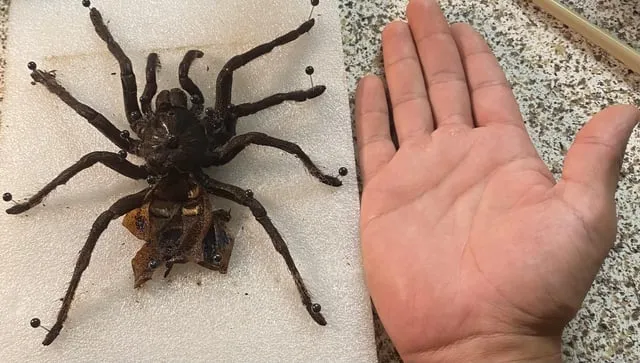
Understanding Tarantula Shedding
Tarantula shedding, also known as molting, is a natural and essential process for these fascinating creatures. It’s how they grow and replace their old exoskeletons. As an arachnid, a tarantula’s body is encased in a rigid exoskeleton that doesn’t grow. To increase in size, the tarantula must shed this outer layer. This guide will help you understand everything about tarantula shedding, from recognizing the signs to providing the right care.
What is Shedding
Shedding is the process where a tarantula removes its old exoskeleton. The exoskeleton protects the tarantula, and it’s like a suit of armor. Because the exoskeleton is inflexible, it restricts growth. When a tarantula needs to grow, it molts, shedding the old exoskeleton to reveal a new, larger one underneath. This process is crucial for the tarantula’s health and development.
The Exoskeleton of a Tarantula

The exoskeleton is made of chitin, a tough, protective substance. It serves several purposes, including protection from predators, support for muscles, and prevention of water loss. This outer layer has sensory hairs (setae) that allow the tarantula to sense its environment. As a tarantula grows, the exoskeleton becomes too tight, necessitating the shedding process. The new exoskeleton is soft and vulnerable initially, gradually hardening over time.
Why Tarantulas Shed
Tarantulas shed their exoskeletons for several reasons. Primarily, it allows them to grow. Young tarantulas molt frequently, sometimes every few months. As they mature, the molting frequency decreases. The process also allows them to regenerate lost limbs, remove parasites, and replace worn or damaged body parts. Shedding is a sign of a healthy, growing tarantula, although the frequency varies with age, and sometimes other factors.
Signs Your Tarantula is About to Shed
Recognizing the signs that your tarantula is about to shed is crucial for providing the right care. Knowing what to expect can prevent you from panicking and help you avoid disrupting the process. Several behavioral and physical changes can indicate that your tarantula is preparing to molt.
Behavioral Changes

One of the most noticeable signs is a change in behavior. Your tarantula might become less active, spending more time in its burrow or hiding spot. They may also stop eating or refuse food altogether for several weeks before the molt. Some tarantulas may also become more defensive and aggressive during this period. Keeping an eye on your tarantula’s behavior can give you an insight into when it might molt.
Physical Indicators
Physical changes are another way to tell if your tarantula is about to shed. You might notice the abdomen darkening or appearing shiny. The tarantula’s body might look swollen or distended. You can also see a color change in the carapace (the shell covering the cephalothorax). Sometimes the tarantula will build a webbing mat to help with the shedding process, and this is a good indicator of the upcoming event.
Preparing for the Shedding Process
Preparing the habitat is essential for a successful molt. Providing the right conditions helps minimize stress and ensures the tarantula can shed its exoskeleton without problems. There are steps you can take to support your tarantula during this vulnerable time.
Creating the Right Environment

The enclosure should be clean and free of anything that could harm the tarantula during molting. Remove any uneaten food, as it can attract mites or other pests that could bother the tarantula. Ensure that the substrate is appropriate for burrowing, if the tarantula is a burrowing species. If your tarantula has a water dish, make sure it is clean and easily accessible.
Humidity and Temperature Control
Maintain the correct humidity and temperature levels for your tarantula species. This is especially important because the tarantula needs a moist environment to shed its skin effectively. The ideal humidity level will vary based on the species of tarantula you have. Use a hygrometer to monitor the humidity and adjust as needed. The temperature also plays a role, so be sure to monitor your tarantula’s environment with a thermometer.
Providing a Safe Space
Provide a secure and undisturbed environment. Avoid handling your tarantula during the pre-molt and molting periods. Reduce disturbances by keeping the enclosure in a quiet area away from bright lights or loud noises. Minimize vibrations as well, as these can stress the tarantula. If your tarantula has a hide, make sure it is positioned in a way that allows the tarantula to molt safely.
The Shedding Process

The actual shedding process is a fascinating but vulnerable time for your tarantula. Understanding the stages involved can help you know what to expect and how to avoid interference. This process can take a short time or several hours, depending on the tarantula.
The Molting Stages
First, the tarantula will typically lie on its back. The exoskeleton will split open, usually at the carapace and the abdomen. The tarantula then slowly wriggles out of the old exoskeleton. The process can be quite strenuous, and the tarantula may appear to be struggling. Sometimes, they may remain in a half-molted state for a while before completing the process. The new exoskeleton is very soft and flexible when it is first exposed.
Helping or Hindering
It’s usually best to avoid interfering with the molting process unless there’s a clear problem. Do not try to pull off any part of the old exoskeleton, as this can seriously injure your tarantula. Ensure the environmental conditions are correct, so the tarantula sheds properly. The best thing you can do is to leave the tarantula undisturbed, allowing it to complete the process at its own pace.
Post-Shedding Care

After shedding, your tarantula will be in a delicate state. Provide the appropriate care to ensure the new exoskeleton hardens properly, and the tarantula recovers fully. A little extra attention will help the tarantula thrive.
Feeding Your Tarantula
Do not offer food immediately after molting, as the tarantula’s fangs and chelicerae will not be fully hardened. Wait a week or until the fangs have darkened before offering food. Start with small, soft-bodied prey items. Offer food in moderation, as tarantulas often eat more after molting to replenish their energy. Increase the size and quantity of the food over time as the tarantula recovers.
Handling Precautions
Avoid handling your tarantula for at least a week or two after it has shed. The new exoskeleton is soft, so the tarantula is especially vulnerable. Even gentle handling can cause injury. Give the tarantula time to harden its exoskeleton before attempting any interaction. After the exoskeleton is hardened, handling can resume with the same precautions you normally observe.
Troubleshooting Common Shedding Issues

While most tarantulas shed without problems, occasionally, issues may arise. Knowing what to look for and how to respond can save your tarantula’s life. If you are worried about your tarantula, don’t hesitate to reach out to an expert.
Stuck Molts
A stuck molt occurs when the tarantula is unable to fully shed its exoskeleton. This is often due to low humidity, which causes the old skin to become too dry and inflexible. Carefully examine your tarantula to see where the molt is stuck. You can try misting the tarantula with water to help soften the old exoskeleton. Avoid pulling at the old skin, as this can injure the tarantula. If the molt is partially stuck, seek expert advice from a vet or experienced keeper.
Dehydration
Dehydration can make molting difficult. Ensure your tarantula has access to fresh water at all times. Check the substrate for proper moisture levels, and mist the enclosure if the humidity is too low. Look for signs of dehydration, such as a shriveled abdomen. Proper hydration is essential for successful molting and overall health.
When to Seek Veterinary Help

If you notice any serious problems with your tarantula’s molting, don’t hesitate to seek veterinary help. A vet specializing in exotic animals can offer professional assistance. Contact a vet if your tarantula has a severe stuck molt or shows signs of injury or illness. Early intervention can make a difference in your pet’s survival.
Shedding is a normal part of a tarantula’s life. Understanding this process and providing the right care is critical to your tarantula’s health and well-being. By following these guidelines, you can help your tarantula shed its skin safely and successfully.