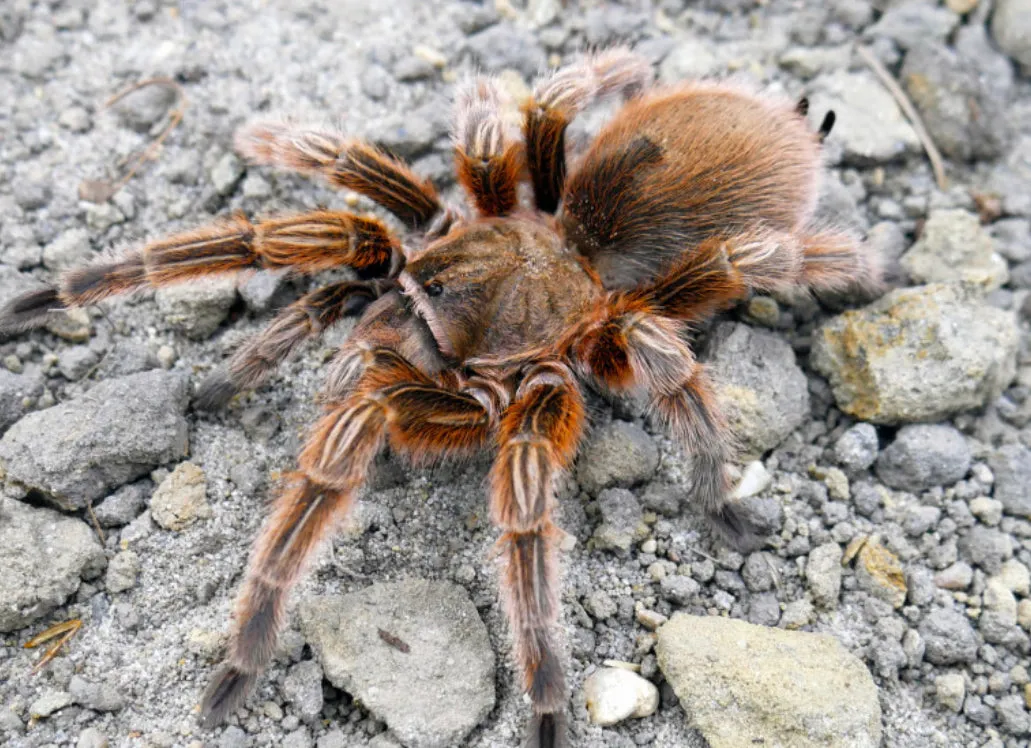
The Chilean rose tarantula (Grammostola rosea), often called the rose hair tarantula, is a popular pet due to its docile nature and relatively easy care requirements. These arachnids, native to the dry scrublands of Chile, Bolivia, and Argentina, have captivated many with their beautiful coloration and intriguing behavior. This article provides key information about the rosea tarantula, focusing on its size and other interesting facts.
What is a Rosea Tarantula?
The rosea tarantula is a terrestrial spider belonging to the Theraphosidae family. They are known for their calm temperament, making them suitable pets for beginner tarantula keepers. Their lifespan is relatively long, with females living up to 20 years or more and males typically living for 5-10 years. Their size, color, and ease of care make them a favored choice. Their bodies are covered with urticating hairs which they use for defense, but these spiders are generally not aggressive and prefer to flee from perceived threats.
The Rosea Tarantula’s Size Overview
Understanding the size of a rosea tarantula is crucial for providing appropriate housing and recognizing any potential health issues related to their growth. These tarantulas are not the largest tarantula species, but they still reach a considerable size, especially the females. The size of a rosea tarantula is often measured in two ways: body length and leg span. While the body length gives an idea of the size of the spider’s abdomen and carapace, the leg span provides a broader measure of the overall size and how much space they occupy. These spiders grow slowly throughout their lives, shedding their exoskeleton to accommodate their growth.
Size Variation Among Rosea Tarantulas

The size of rosea tarantulas can vary significantly depending on several factors. This variation is normal, and not all tarantulas will reach the maximum size. Genetic factors, the environment in which they are kept, and the availability of food influence the size of these spiders. It’s important to keep in mind that individual tarantulas can have different growth rates. Providing the right conditions and nutrition is key to helping your rosea tarantula reach its full potential. Regular monitoring of their growth and overall health is a good practice.
Factors Influencing Rosea Tarantula Size
Several factors play a critical role in determining the final size of a rosea tarantula. Understanding these can help you care for your pet more effectively and manage your expectations regarding its growth. The most significant of these factors are the gender of the tarantula, their diet, and the environmental conditions provided.
1. Gender Differences
Female rosea tarantulas typically grow larger than males. Females can have a leg span of up to 6 inches or more, while males tend to be slightly smaller, usually reaching a leg span of about 4-5 inches. This difference in size is due to their different lifespans; females live much longer, allowing them more time to grow and molt. This is an important consideration when choosing a pet; if you are looking for a larger tarantula, a female is the better option. It’s important to know this difference when purchasing a spider, as the size is a visual indicator of how much the tarantula will grow.
2. Diet and Nutrition

A balanced diet is crucial for any tarantula’s growth. Rosea tarantulas should be fed a variety of insects, such as crickets, roaches, and mealworms. The size and frequency of feeding should be adjusted based on the tarantula’s size and appetite. Overfeeding can lead to a shorter lifespan and other health issues. Adequate nutrition ensures the tarantula has the energy it needs to molt and grow. Water should always be available, and a shallow water dish is recommended to help the tarantula stay hydrated.
3. Environmental Conditions
Providing the right environment is essential for healthy growth. Rosea tarantulas thrive in a habitat that mimics their natural environment. This includes a substrate (like coconut fiber or peat moss) that helps retain moisture and humidity, and a temperature between 75-85°F (24-29°C). Proper ventilation is important to prevent mold and mildew. The enclosure size should be appropriate for the tarantula’s size to allow for movement and prevent stress. Also, the tarantula needs a hide, such as a piece of cork bark, to feel secure.
How to Measure a Rosea Tarantula
Measuring a rosea tarantula is important for tracking its growth and ensuring that it is developing well. It is important to note, however, that it is not necessary to handle the tarantula to do so, as this can cause stress. The best time to measure a tarantula is after it has molted. You can measure the leg span using a ruler or measuring tape, gently extending the legs and measuring the distance from the tip of one leg to the tip of the opposite leg. Body length can be measured similarly, but this is less critical than the leg span for overall size assessment. Take photos and record measurements regularly to keep track of your tarantula’s growth.
Average Rosea Tarantula Sizes

Knowing the average size of a rosea tarantula will help you assess the health of your pet and decide on the right housing and setup. As mentioned before, the most common measurement is the leg span, but other measurements can also be valuable. Below, you will find the most common size measurements.
1. Body Length
The body length of a mature female rosea tarantula is usually around 2 to 3 inches. Males are often slightly smaller, with a body length of around 1.5 to 2.5 inches. This measurement refers to the size of the cephalothorax (the fused head and chest) and the abdomen, without including the legs. Body length is not as critical as leg span in the overall assessment of the tarantula’s size.
2. Leg Span
The leg span is the most commonly used measurement for assessing the size of a rosea tarantula. Mature females can have a leg span of up to 5-6 inches, sometimes even larger. Males typically have a leg span of around 4-5 inches. This measurement provides a more comprehensive understanding of the tarantula’s overall size and the space it requires in its enclosure. Keep in mind that the leg span can vary based on individual genetics, nutrition, and environmental factors.
Caring for Your Rosea Tarantula: Size Implications

The size of your rosea tarantula plays a key role in the care you provide. As the tarantula grows, you will need to adapt its housing, feeding schedule, and environmental conditions. A small tarantula will require a smaller enclosure, while a larger tarantula will need more space. Regular size checks and observations can help you determine if you are on the right track. Providing appropriate care ensures the well-being of your pet and allows it to live a healthy life.
Maintaining a Healthy Rosea Tarantula
Maintaining a healthy rosea tarantula requires a consistent approach to its care. This includes providing the right diet, habitat, and environmental conditions. Monitoring your tarantula’s behavior, such as appetite, activity level, and molting frequency, can indicate whether it is healthy or if there is anything to worry about. Ensure that you handle your tarantula safely to prevent injury to both the animal and yourself. Always wash your hands before and after handling. It’s also crucial to know how to handle common health issues.
How to Ensure Optimal Growth
To ensure that your rosea tarantula grows optimally, you need to pay attention to several key aspects of their care. Providing a balanced diet of appropriate size insects is critical. Maintain the right temperature and humidity levels in its enclosure. Make sure to provide a hide and a substrate to allow for burrowing and molting. Avoid handling your tarantula unnecessarily, as this can cause stress. Monitor the tarantula’s progress by tracking its size. The goal is to create the ideal environment so that your tarantula will molt, grow, and thrive.
Common Misconceptions about Rosea Tarantula Size

There are several misconceptions about the size of rosea tarantulas. One common misconception is that all rosea tarantulas will reach the maximum size. The reality is that the size can vary based on various factors, and some tarantulas may not grow to their full potential. Another misconception is that overfeeding will speed up growth. Overfeeding can lead to health problems. Many people assume that bigger is always better, but it is important to consider the tarantula’s welfare over its size. Understanding these misconceptions will help you provide better care.
In conclusion, the size of a rosea tarantula is influenced by a variety of factors, including gender, diet, and environment. Providing appropriate care is essential for the health and well-being of your pet. Understanding these aspects will help you provide the best possible care for your rosea tarantula, ensuring that it grows to a healthy size and lives a long life. Regular monitoring, proper housing, and a balanced diet are the keys to raising a thriving rosea tarantula. Enjoy the journey of tarantula ownership!