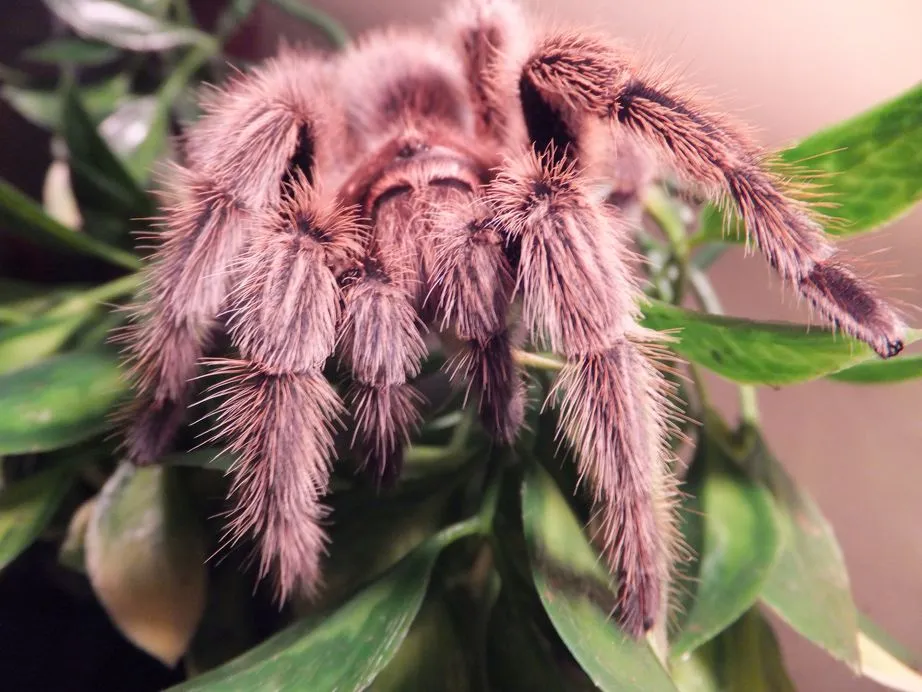
Understanding Rose Hair Tarantula Hair Flicking
The rose hair tarantula, a popular choice for pet owners due to its docile nature and relatively easy care, exhibits a fascinating behavior known as hair flicking. This defensive mechanism, though seemingly harmless, is a crucial aspect of understanding and caring for your tarantula. This comprehensive guide delves into the intricacies of hair flicking, providing you with the knowledge needed to ensure the health and well-being of your rose hair tarantula. From the reasons behind this behavior to the potential dangers and management strategies, we will explore everything you need to know about hair flicking. Proper understanding is key to creating a safe and comfortable environment for your eight-legged friend, preventing potential health issues for both the tarantula and the owner.
What is Hair Flicking?
Hair flicking, also known as urticating hair flicking, is a defensive behavior unique to certain tarantula species, including the rose hair tarantula. This process involves the tarantula using its hind legs to kick or flick barbed hairs, called urticating hairs, towards a perceived threat. These hairs are not merely irritating; they are designed to embed themselves in the skin, causing itching, inflammation, and discomfort. The behavior is a critical part of their defense strategy, helping them ward off predators and protect themselves in various situations. The hairs are usually located on the abdomen, and the tarantula can release them with remarkable accuracy. Understanding what this behavior entails is the first step in learning how to manage it and care for your pet.
Why Do Tarantulas Flick Hairs?

Tarantulas flick hairs primarily as a defense mechanism. This action is a preemptive strike to deter potential threats, acting as a physical barrier and irritant. The hairs, once embedded, cause significant discomfort, discouraging the predator from pursuing further. Rose hair tarantulas are generally docile, but they will resort to this defense if they feel threatened or perceive a danger. This behavior is instinctual and is not an indication of aggression but rather a survival strategy. Several factors can trigger this response, including perceived threats, handling, or even environmental stressors. Learning to recognize the potential triggers can help you avoid eliciting this behavior, making interactions with your tarantula safer for both of you. Always handle with care and respect for their natural defenses.
Rose Hair Tarantula Defense Mechanism
The hair flicking defense mechanism is a multi-faceted process. Tarantulas possess specialized hairs called urticating hairs, which are barbed and designed to irritate the skin. When threatened, the tarantula rubs its hind legs against its abdomen, dislodging these hairs. The hairs are then flicked in the direction of the perceived threat. The effectiveness of this defense lies in the physical irritation the hairs cause. Once embedded, they cause itching, redness, and inflammation. For smaller predators, this can be enough to deter them. For humans, the effects can range from mild irritation to more severe allergic reactions. Understanding the mechanics of this defense is crucial for handling and interacting with your tarantula safely.
Irritation & Discomfort
The primary purpose of the urticating hairs is to cause irritation and discomfort. When these hairs come into contact with the skin, they embed themselves and release irritants. This can lead to immediate itching, redness, and swelling. The severity of the reaction varies depending on the individual and the amount of hair exposure. Some individuals may experience a mild reaction, while others may develop a more severe allergic response. For the tarantula, the discomfort is usually temporary, and the hairs eventually fall off. However, for a predator or a human, the effects can be prolonged and quite unpleasant. It’s essential to avoid any contact with the hairs to prevent these reactions. Always use caution and proper safety measures when caring for or handling your rose hair tarantula.
Molting

Molting is a natural process where tarantulas shed their exoskeletons to grow. During molting, the tarantula is particularly vulnerable. This is because its new exoskeleton is soft and not yet fully hardened. The tarantula’s hair flicking behavior can be more pronounced during molting, as it is a time of heightened stress and vulnerability. The tarantula may flick hairs more frequently or with less provocation. It’s important to avoid any unnecessary disturbance during this period. Providing a safe, quiet environment can help minimize stress and ensure a successful molt. Ensure the enclosure has the correct humidity level to aid in the molting process. After molting, the tarantula’s hair coverage will be replenished, and the cycle continues.
Identifying Hair Flicking Behavior
Recognizing the signs of hair flicking behavior is important for responsible tarantula ownership. Knowing when your tarantula is likely to flick hairs can help you avoid triggering this defensive response. There are several visual cues and behavioral indicators that can signal an impending flick. Paying close attention to your tarantula’s body language will help you understand its mood and anticipate its actions. This awareness is not only beneficial for your safety but also for minimizing stress in your tarantula. This understanding allows you to handle your pet more safely and responsibly. By recognizing the signs, you can create a less stressful environment and foster a better relationship with your tarantula.
Signs of Flicking
The signs of an impending hair flicking event can be subtle but are usually noticeable with observation. Look for the tarantula raising its abdomen or orienting its hind legs toward the perceived threat. It might adopt a defensive posture, with its fangs exposed. Subtle vibrations or a slight rubbing of the legs against the abdomen are also precursors to flicking. The tarantula might also display erratic movements or appear agitated. By recognizing these signs, you can step back and avoid further interaction, giving your tarantula space and reducing the likelihood of hair flicking. These are important cues to observe when introducing yourself or interacting with your rose hair tarantula.
Frequency of Flicking

The frequency of hair flicking can vary depending on the tarantula’s individual personality, environmental factors, and the level of perceived threat. Some tarantulas are more prone to flicking than others. In a safe and well-maintained environment, hair flicking should be infrequent. However, if the tarantula feels stressed, threatened, or experiences discomfort, the frequency may increase. Regularly check the environment to ensure that it’s suitable for the tarantula. Frequent flicking can also indicate underlying health issues or a need for adjustments in care. Keep a record of flicking incidents and note any changes in the environment or the tarantula’s behavior. If there is a sudden increase in frequency, consider consulting with a veterinarian specializing in exotic animals.
The Dangers of Hair Flicking
While hair flicking is a natural behavior, the effects of the urticating hairs can pose certain dangers to both humans and other animals. The hairs can cause a range of reactions, from minor skin irritation to more severe allergic responses. Understanding these dangers is crucial to protect yourself and others from potential harm. Additionally, it’s important to recognize the potential impact on your tarantula. While the tarantula is equipped to handle its own hairs, excessive hair loss or exposure can indicate issues that need to be addressed. Always take precautions to minimize any contact with the hairs and to seek professional advice if necessary. Proper awareness of the risks associated with hair flicking contributes to responsible tarantula ownership.
Skin Irritation & Allergies
The most common danger associated with hair flicking is skin irritation. When the urticating hairs come into contact with human skin, they embed themselves and release irritants. This can cause itching, redness, and swelling. The reaction can range from mild to severe, depending on individual sensitivity and the amount of exposure. In some cases, people may develop an allergic reaction, which could include more severe symptoms such as hives, difficulty breathing, or anaphylaxis. People with sensitive skin, allergies, or asthma are at higher risk of experiencing severe reactions. If you suspect a severe allergic reaction, seek immediate medical attention. Washing the affected area with soap and water can help to remove the hairs, but it may not eliminate the irritation. It is crucial to take precautions and avoid contact with the hairs whenever possible.
Respiratory Issues

Inhaling urticating hairs can lead to respiratory issues. The tiny hairs can irritate the airways, causing coughing, wheezing, and difficulty breathing. People with asthma or other respiratory conditions are particularly susceptible to these effects. The hairs can also irritate the lungs, potentially leading to more severe complications such as bronchitis. When cleaning or handling your tarantula’s enclosure, take precautions to avoid inhaling the hairs. Use a mask or respirator to prevent inhalation. Ensure adequate ventilation when working with the tarantula or its habitat. If you experience respiratory symptoms after exposure, seek medical advice. Prevention is key to mitigating the risks associated with respiratory issues caused by hair flicking. Always prioritize your health and safety.
Eye Irritation
Eye irritation is another potential danger associated with hair flicking. If the urticating hairs come into contact with the eyes, they can cause redness, itching, and inflammation. In some cases, more severe reactions may occur, potentially leading to corneal abrasions or other eye injuries. To prevent eye irritation, avoid rubbing your eyes after handling or being near a tarantula. If you suspect that hairs have entered your eyes, flush them thoroughly with clean water and seek medical attention if necessary. Protective eyewear, such as safety glasses, can be helpful when working with your tarantula’s enclosure. Proper eye care and preventative measures are critical to ensuring your eye health. Always prioritize safety.
Managing Hair Flicking in Your Rose Hair Tarantula
Managing hair flicking involves creating a safe and stress-free environment for your rose hair tarantula. This includes providing a suitable habitat, maintaining the correct humidity levels, and avoiding stressful situations. Regular observation and careful handling are also crucial aspects of minimizing hair flicking. By taking these measures, you can reduce the likelihood of your tarantula resorting to this defensive behavior, promoting its well-being and ensuring a positive relationship between you and your pet. Proper management not only benefits the tarantula but also minimizes potential health risks for yourself. A proactive approach is the key to successfully managing hair flicking and creating a harmonious environment.
Providing a Suitable Habitat

The habitat is a vital component in managing hair flicking behavior. A well-designed enclosure provides a comfortable and secure environment for your rose hair tarantula, reducing stress and minimizing the likelihood of flicking. The enclosure should be appropriately sized, with enough space for the tarantula to move around freely. Choose a terrarium that has proper ventilation to prevent humidity buildup. Provide a substrate that mimics the tarantula’s natural environment and allows it to burrow. Include hiding places, such as cork bark or artificial caves, where the tarantula can retreat and feel safe. Avoid any sharp objects or potential hazards that could injure the tarantula. Regularly clean and maintain the enclosure to keep it hygienic and free from potential irritants.
Maintaining Proper Humidity
Maintaining proper humidity is essential for the health and well-being of your rose hair tarantula. Humidity levels that are too low can cause dehydration and stress, potentially leading to hair flicking. The ideal humidity range for rose hair tarantulas is typically between 60% and 70%. You can monitor humidity using a hygrometer. To maintain the correct humidity level, mist the enclosure with water regularly, taking care not to over saturate the substrate. Ensure that the enclosure has adequate ventilation to prevent mold growth. Avoid placing the enclosure in direct sunlight or near heat sources, which could cause the humidity levels to fluctuate. Regular monitoring and adjustments are critical to ensuring that your tarantula’s environment remains comfortable. Proper humidity contributes to the tarantula’s overall health and reduces the likelihood of stress-related behaviors.
Avoiding Stressful Situations
Minimizing stress is key to reducing hair flicking. Several factors can cause stress in rose hair tarantulas, including excessive handling, loud noises, vibrations, and sudden movements. Avoid handling your tarantula unless necessary, and always approach it calmly and gently. Keep the enclosure away from areas with heavy foot traffic or loud noises. When cleaning or maintaining the enclosure, do it slowly and carefully to avoid startling the tarantula. Ensure that the tarantula has access to a secure hiding place where it can retreat and feel safe. Regular monitoring of the environment and paying attention to your tarantula’s behavior can help you identify and avoid potential stressors. A stress-free environment supports your tarantula’s well-being and minimizes the chances of hair flicking.
Handling Your Tarantula

Handling your rose hair tarantula should be done with care and caution. While these tarantulas are generally docile, they can still flick hairs if they feel threatened. If you decide to handle your tarantula, do it in a safe and controlled environment, such as a low table or a bed, to minimize the risk of falls. Wash your hands thoroughly before handling to remove any potential irritants. Approach the tarantula slowly and gently, allowing it to become accustomed to your presence. Avoid sudden movements or loud noises. When picking up the tarantula, gently guide it onto your hand, using your other hand for support. Never force the tarantula to move. Always be mindful of the tarantula’s body language and place it back in its enclosure if it shows signs of stress or agitation. Proper handling practices promote safety and foster a positive relationship with your pet.
When to Consult a Veterinarian
Knowing when to consult a veterinarian specializing in exotic animals is an important part of responsible tarantula ownership. While hair flicking is a normal behavior, certain situations may warrant professional medical attention. A veterinarian can provide expert advice and treatment if your tarantula exhibits signs of illness or injury. Regular check-ups can help identify potential problems early on. The following are the times when you should reach out to a specialist. Early intervention can often improve the outcome and ensure your tarantula’s long-term health.
Recognizing Health Issues
Recognizing signs of illness in your rose hair tarantula is critical for providing appropriate care. Some indicators that you should consult a veterinarian include loss of appetite, lethargy, unusual behavior, difficulty molting, or physical injuries. Other signs can include swelling, discharge, or any changes in the tarantula’s appearance. If your tarantula is flicking hairs excessively, it may be a sign of stress or underlying health problems. The veterinarian can perform examinations and tests to diagnose any potential issues. Early detection of health problems leads to more effective treatment. Always prioritize your tarantula’s health and seek professional advice if you notice anything unusual.
Seeking Professional Advice

Consulting a veterinarian specializing in exotic animals is advisable if you have any concerns about your tarantula’s health or behavior. They can provide expert advice on proper care, diet, and habitat maintenance. They can diagnose and treat illnesses, injuries, and other health issues. During a visit, the veterinarian will conduct a thorough examination, ask questions about your tarantula’s care, and may recommend tests or treatments. Seeking professional advice is also beneficial if you’re unsure about any aspect of your tarantula’s care or if you notice changes in its behavior. They can help you identify potential stressors or environmental problems. The veterinarian can address any concerns you have and provide guidance. Make sure to do your research and find a veterinarian experienced in treating tarantulas before your appointment.