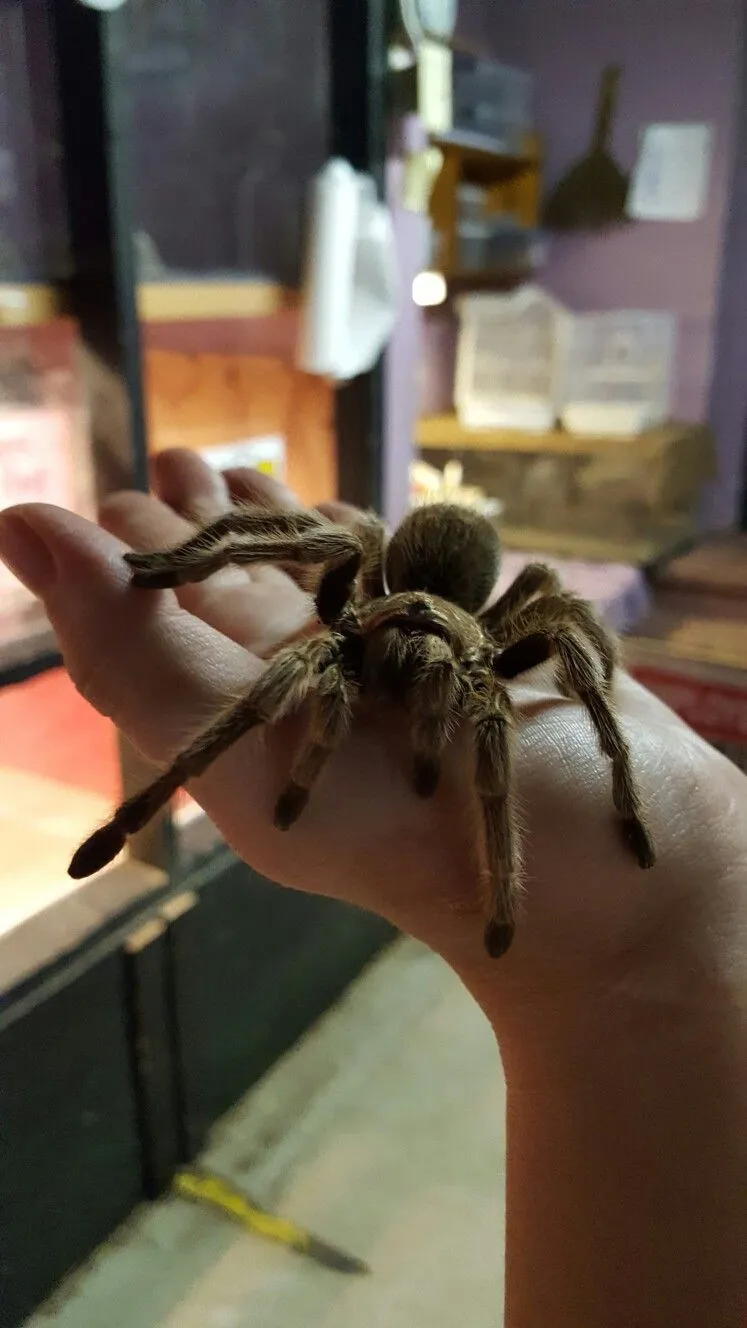
Rose Hair Tarantula Growth Rate Top 5 Facts
The Rose Hair Tarantula, scientifically known as Grammostola rosea, is a popular pet due to its docile nature and relatively easy care. One of the most common questions from new owners revolves around their growth rate. Understanding how quickly these arachnids mature is crucial for providing proper care and anticipating changes in their needs. This article delves into the fascinating world of Rose Hair Tarantula growth, exploring the key factors influencing it and offering insights into each stage of their development. Knowing the growth rate of your Rose Hair Tarantula is critical to ensure a healthy and happy life for your pet, and proper care during molting. Let’s uncover five key facts about Rose Hair Tarantula growth.
Factors Influencing Growth
Several factors significantly impact a Rose Hair Tarantula’s growth rate. These elements, from environmental conditions to genetics, play a vital role in how quickly your tarantula will grow and reach its adult size. Careful management of these aspects is essential for promoting healthy development and preventing potential issues. Proper understanding of these factors will help you to ensure the well-being of your Rose Hair Tarantula.
Temperature

Temperature is a critical environmental factor. Rose Hair Tarantulas thrive in temperatures between 75°F and 85°F (24°C and 29°C). Warmer temperatures generally speed up metabolism and, consequently, growth. However, excessive heat can be detrimental, potentially leading to dehydration or even premature molting, which can be fatal. Monitoring and maintaining a consistent temperature is paramount, often achieved through the use of a heat mat or a regulated room environment. The correct temperature is essential for successful molting and overall health, so careful consideration must be taken.
Humidity
Humidity, typically between 60% and 70%, is another crucial factor. It assists in the molting process, preventing the exoskeleton from drying out and making it easier for the tarantula to shed its old skin. Low humidity can lead to a failed molt, a serious health risk. Achieving the right humidity level can be accomplished by misting the enclosure regularly and providing a shallow water dish. The substrate used within the enclosure also plays a role, with materials like coconut fiber helping to retain moisture. Proper humidity control, along with temperature regulation, is crucial for healthy growth.
Feeding Schedule
The feeding schedule is directly linked to growth. Young tarantulas, or spiderlings, need to eat more frequently than adults. Providing an appropriate amount of food, such as crickets or roaches, ensures they have the necessary nutrients to grow. Overfeeding, however, can lead to health issues, while underfeeding can stunt growth. It’s essential to observe your tarantula’s eating habits and adjust the feeding schedule accordingly. A healthy, consistent diet ensures they have the energy for molting and growing properly. Consider providing food every other day or two times a week, always removing uneaten food within 24 hours.
Species and Genetics

Genetics also play a role. Some Rose Hair Tarantulas might simply grow faster than others, depending on their genetic makeup. Variations in growth rates exist even within the same species. The lineage of the tarantula can impact both size and growth speed. Additionally, the overall health of the tarantula will influence how quickly it grows. A healthy spider is more likely to have a better growth rate than one that is not. Therefore, it’s impossible to provide a one-size-fits-all answer. Furthermore, some individual tarantulas may also simply have a faster metabolism, leading to quicker growth. Always observe your tarantula to ensure it’s growing as expected.
Molting Process
Molting is a natural process where a tarantula sheds its exoskeleton to grow. This process can be stressful, and understanding the stages is important for providing adequate care. The molting cycle involves a series of phases, each with its unique characteristics and requirements, and can impact the overall growth rate.
Pre-Molting Stage
In the pre-molting stage, your tarantula might appear sluggish, refuse food, and develop a darker abdomen. The spider may also start to create a webbing mat in its enclosure. This is a sign that the molt is approaching. During this time, it’s crucial to avoid disturbing the tarantula. Providing a stable environment and maintaining appropriate humidity levels can help your tarantula. Ensuring there is no stress in this stage will help it prepare for the molting process. Avoid handling and keep the enclosure undisturbed.
Molting Stage

The molting process itself is a vulnerable period. The tarantula will lie on its back, and its exoskeleton will split open, allowing the spider to emerge. This process can take several hours, and the spider will be extremely fragile. Never disturb a molting tarantula. The newly molted tarantula will have soft, white, and delicate new skin. Do not attempt to help it, as this can lead to injury or death. The molt itself is often a spectacular event to witness, but should be observed from a distance to avoid disturbing the tarantula.
Post-Molting Stage
After molting, the tarantula’s exoskeleton is soft, and it will take several days or weeks for it to harden. During this time, the tarantula is particularly vulnerable. It’s best to avoid handling or feeding the tarantula for at least a week after molting. Provide fresh water and a stable environment. Once the exoskeleton has hardened, the tarantula can resume its normal activities, and its appetite will increase. The tarantula can now grow to a larger size, having shed its previous shell.
Growth Stages and Lifespan
Rose Hair Tarantulas go through several growth stages, which affect their lifespan. Understanding these stages is crucial for providing appropriate care at each phase. The rate of growth slows as the tarantula ages, and different stages have unique requirements.
Spiderling Stage

Spiderlings are the youngest stage and typically grow rapidly. They are small, fragile, and need frequent feeding. The humidity must be carefully monitored. The enclosure should be small to prevent the spiderling from feeling overwhelmed. Spiderlings molt frequently, sometimes every few weeks, depending on how much they are fed. The rapid growth during this stage makes for an exciting part of the tarantula’s life cycle.
Juvenile Stage
During the juvenile stage, the tarantula continues to grow, though at a slower rate. The molting frequency decreases, and the tarantula becomes more resilient. The enclosure size can be increased as the tarantula grows. The diet can become more varied. Proper care at this stage sets the stage for a healthy adulthood. The tarantula will become more independent, and this is the stage where you can start to see the characteristics of the adult tarantula appear.
Adult Stage
In the adult stage, growth slows significantly. Female Rose Hair Tarantulas can live for 20 years or more, molting less frequently. Males, however, typically live shorter lives after reaching maturity. The size will largely be determined at this point. The adult tarantula needs a habitat and care tailored to its size and lifestyle. The focus will be on providing a comfortable environment and proper nutrition to extend their lifespan.
Size Comparison
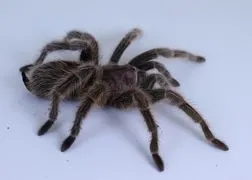
Adult Rose Hair Tarantulas typically reach a leg span of 4 to 6 inches, though this can vary. Females are generally larger than males. The size of a tarantula at each stage can be roughly estimated. The growth rate of a tarantula is greatly influenced by its overall health, nutrition, and environment, especially throughout its life. Observing these changes will help you understand and appreciate the development of your pet.
Comparing Growth Rates
Compared to other tarantula species, Rose Hair Tarantulas have a moderate growth rate. They don’t grow as quickly as some other species, such as the Chilean Rose, which may be a bit faster. However, compared to some slower-growing species, they are a relatively average speed. Their growth rate is one of the reasons they are good beginner pets. The overall rate and duration of a tarantula’s growth is dependent on a combination of factors. By carefully monitoring the growth stages, you can ensure your Rose Hair Tarantula is growing healthily and developing properly.