Understanding the Rose Hair Tarantula
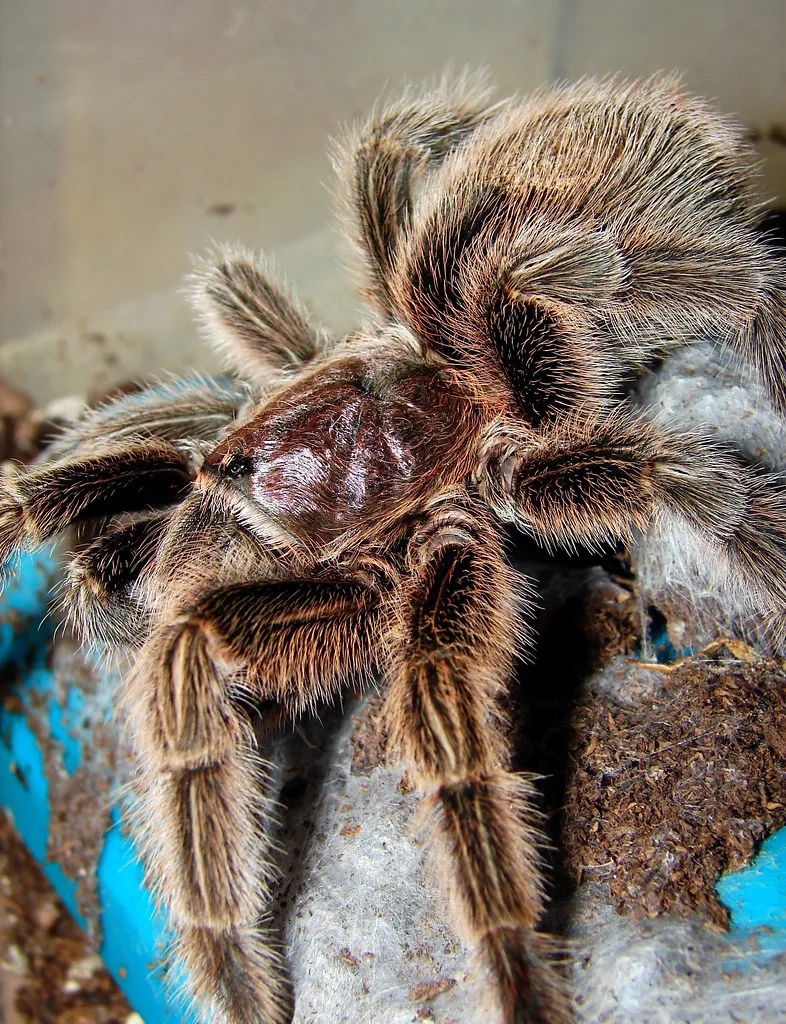
The Rose Hair Tarantula (Grammostola rosea), a native of the deserts of South America, has become a popular pet choice due to its relatively docile nature, striking appearance, and manageable care requirements. Before considering the cost of owning one, it’s essential to understand what makes this arachnid so appealing. These spiders are known for their beautiful coloration, ranging from a light tan to a darker reddish-brown, often with pinkish hairs that give them their common name. They are relatively slow-moving, making them less intimidating for beginners, and they generally don’t exhibit aggressive behaviors unless provoked. Owning a Rose Hair Tarantula can be a rewarding experience, offering a fascinating glimpse into the world of arachnids, and they can live for many years, providing companionship and a unique learning opportunity for owners interested in the care of exotic pets. The cost of these pets can vary widely.
Origins and Characteristics
Rose Hair Tarantulas originate from the arid and semi-arid regions of Chile, Bolivia, and Argentina. In their natural habitat, they burrow in the ground or utilize existing crevices for shelter. Their lifespan can range from 10 to 20 years for females, while males typically live for a shorter period, usually 5 to 7 years. This longevity contributes to the appeal of these pets, as they can become a long-term part of your life. Understanding their natural environment helps in replicating appropriate living conditions in captivity, promoting the spider’s health and well-being. These tarantulas are nocturnal hunters, primarily feeding on insects in the wild, and their behaviors are fascinating to observe. Moreover, they are not prone to biting, preferring to flick urticating hairs as a defense mechanism.
Appearance and Behavior

The Rose Hair Tarantula is recognized by its robust build and striking coloration. The body is covered with fine hairs, with the pinkish hue more pronounced on the legs and carapace. Their size can vary depending on the individual and its age, with females typically growing larger than males. They are relatively docile, making them a great choice for beginners. However, like all tarantulas, they can exhibit defensive behaviors when threatened, such as raising their front legs or flicking urticating hairs. This behavior is a key part of their self-preservation strategies, and it is important for owners to learn to recognize these signs to handle their pets safely. The way they interact with their environment and their habits are both interesting and useful to understanding their overall well-being.
Rose Hair Tarantula Cost Factors
Several factors influence the cost of a Rose Hair Tarantula. One of the most significant is the spider’s age. Spiderlings (young tarantulas) are typically less expensive than adult specimens. The source also plays a role; reputable breeders usually charge more than pet stores, but they often provide healthier spiders with a known history. The size and sex of the tarantula also influence the price, with larger females generally commanding higher prices due to their longer lifespans and potential for breeding. Finally, the overall health and appearance of the tarantula affect its cost. A healthy, well-cared-for spider with vibrant colors will typically be priced higher. It is important to do your research and shop around to find a tarantula that meets your budget and preferences.
Spiderling vs. Adult Tarantulas
The cost of a Rose Hair Tarantula varies greatly depending on its life stage. Spiderlings are generally more affordable, often costing between $10 and $30, making them a budget-friendly option for beginners. However, they require more specialized care due to their smaller size and vulnerability. Adult tarantulas, on the other hand, can cost anywhere from $30 to $100 or more, depending on their size, sex, and lineage. While they come with a higher initial cost, adults are typically hardier and require less intense care. They also present a more immediate sense of fulfillment since you can see the fully-grown spider. Both options have their advantages, and the best choice depends on your experience level, budget, and commitment to providing appropriate care.
Variations in Pricing

Prices can fluctuate based on the seller and the tarantula’s specific characteristics. Reputable breeders, who often specialize in tarantulas, typically set higher prices because they invest in the health and genetics of their spiders. Pet stores may have lower prices, but the quality of the tarantulas can vary. The geographical location can also impact the price due to shipping costs and local market demands. Additionally, certain color morphs or larger sizes may increase the cost. Before purchasing, it is essential to compare prices from different sources, read reviews, and ensure that the seller is reputable and provides healthy, well-cared-for tarantulas.
Ongoing Costs of Ownership
Beyond the initial purchase price, owning a Rose Hair Tarantula involves ongoing costs. These include food, typically consisting of crickets, mealworms, or roaches, which can cost around $10 to $20 per month, depending on the spider’s size and appetite. Substrate, such as coconut fiber or peat moss, needs to be replaced periodically, adding to the expenses. Enclosure maintenance and potential veterinary care also contribute to the costs. Although Rose Hair Tarantulas are generally healthy, unexpected health issues can arise, and vet visits can be costly. It is essential to factor these recurring expenses into your budget to ensure you can provide proper care for your pet throughout its lifespan. Proper planning is key to guaranteeing the health and safety of these animals.
Feeding Your Rose Hair Tarantula
Feeding your Rose Hair Tarantula is a straightforward but essential aspect of their care. These tarantulas are insectivores, primarily eating insects like crickets, mealworms, and roaches. The frequency of feeding depends on the spider’s age and size. Spiderlings may require feeding two to three times per week, while adults can be fed once or twice a week. It’s crucial to offer appropriately sized prey; the insect should be no larger than the tarantula’s abdomen. Avoid overfeeding, as this can lead to health issues. Ensure the insects are gut-loaded with nutritious food before feeding them to your tarantula to provide balanced nutrition. Always remove any uneaten prey to prevent stress or harm to the spider. Observing your tarantula’s feeding habits is a great way to gauge its overall health.
Housing Requirements

Creating an appropriate habitat for your Rose Hair Tarantula is crucial for its well-being. The enclosure should be large enough to allow the tarantula to move comfortably. A ten-gallon tank is suitable for adults. The enclosure should be escape-proof, with a secure lid. The substrate should be a mix of coconut fiber, peat moss, or other suitable materials, providing a burrowing environment. Include a shallow water dish for hydration and a hide, such as a piece of cork bark or a hollow log, to provide a sense of security. Maintain a temperature between 75-85°F (24-29°C) using a heat mat or a heat lamp, and ensure the enclosure has proper ventilation. The correct habitat will not only help your tarantula live a long and healthy life, but also help them thrive.
Health and Veterinary Care
Rose Hair Tarantulas are generally hardy, but like all pets, they can encounter health issues. Common problems include mites, fungal infections, and injuries from molting. It’s essential to monitor your tarantula for any signs of illness, such as lethargy, loss of appetite, or unusual behavior. While specialized veterinary care for tarantulas is limited, finding a vet experienced with exotic pets can be beneficial. Prevention is the best approach. Keep the enclosure clean, maintain appropriate humidity levels, and provide a balanced diet to minimize health risks. Being observant and proactive in providing proper care will help ensure that your Rose Hair Tarantula remains healthy and vibrant throughout its life.
Where to Buy a Rose Hair Tarantula
Several options are available for purchasing a Rose Hair Tarantula. Local pet stores, especially those specializing in exotic pets, are a convenient option. However, selection might be limited, and the care of the animals can vary. Breeders are often a preferred choice. Breeders typically have a deeper knowledge of tarantulas, offer a wider variety of species, and can provide valuable information about the tarantula’s lineage and care. Online retailers are another possibility, providing a broad selection, but always research the seller’s reputation and policies before making a purchase. Attending reptile shows or exotic pet expos can also be a great way to meet breeders and see tarantulas in person, ensuring you choose a healthy spider from a reputable source.
Reputable Breeders and Shops

Choosing a reputable breeder or shop is paramount to acquiring a healthy Rose Hair Tarantula. Look for sellers with a solid reputation, positive reviews, and a clear commitment to animal welfare. A reputable seller will readily provide information about the tarantula’s origin, age, and health history. They will also be knowledgeable about tarantula care and willing to answer your questions. Examine the conditions in which the tarantulas are kept; the enclosures should be clean, well-maintained, and appropriately sized. Avoid sellers with overcrowded or unsanitary conditions. It is always better to pay a little more for a tarantula from a trusted source, as it reduces the risk of acquiring a sick or poorly cared-for spider.
Avoiding Scams and Unhealthy Spiders
Scams and the sale of unhealthy spiders are unfortunately common in the pet trade. To avoid these issues, do your research before making a purchase. Always ask for detailed information about the tarantula’s age, origin, and feeding history. Request photos or videos of the tarantula to assess its condition. Be wary of prices that seem too good to be true, as they might indicate an unhealthy spider. Purchase from sellers who offer guarantees, and familiarize yourself with common tarantula health problems. If possible, visit the seller’s facility or ask for references. Trust your instincts; if something feels off, it’s best to look elsewhere. By taking these precautions, you can significantly reduce the risk of buying an unhealthy spider or falling victim to a scam.
Caring for Your Rose Hair Tarantula
Caring for a Rose Hair Tarantula involves several key aspects. Maintaining the correct temperature and humidity levels in the enclosure is essential. Provide a varied diet of insects, ensuring the prey is appropriately sized and gut-loaded. Regularly clean the enclosure, removing uneaten food and fecal matter. Handle your tarantula with care and avoid unnecessary handling, as it can stress the spider. Monitor its behavior for any signs of illness, and seek veterinary advice if you notice any concerning symptoms. Creating a stimulating environment with proper substrate, hides, and water will also contribute to the health of your spider. Proper care allows you to enjoy your pet and maintain its longevity.
Creating the Ideal Habitat

The ideal habitat for your Rose Hair Tarantula provides security, comfort, and the right environmental conditions. The enclosure should be appropriately sized, with secure ventilation and a secure lid. The substrate should be deep enough for burrowing, with a mix of coconut fiber, peat moss, or other suitable materials. Provide a hide, such as a piece of cork bark or a hollow log, to allow the tarantula to retreat and feel safe. Maintain a temperature gradient with a heat source, such as a heat mat, and a cooler area. Monitor the humidity levels with a hygrometer, ensuring they remain within the appropriate range. A well-designed habitat minimizes stress and ensures the long-term health of your pet.
Handling and Interaction
Rose Hair Tarantulas are generally not suited for frequent handling. While some individuals are more docile than others, handling carries risks for both the spider and the owner. The tarantula could be injured if dropped, and the owner could be bitten or exposed to urticating hairs. If handling is necessary, do it cautiously. Approach the tarantula slowly and allow it to move onto your hand. Avoid sudden movements. Wash your hands before and after handling, and supervise children carefully. Regular handling is not necessary for their well-being, and excessive handling can stress them. Instead, focus on creating a suitable habitat and providing a good diet to ensure a happy, healthy tarantula.
Health and Common Issues
Understanding the health of your Rose Hair Tarantula will help you maintain it. While Rose Hair Tarantulas are relatively hardy, they can still develop health problems. Mites are a common issue and can be introduced through substrate or food. Fungal infections can occur if the enclosure is too humid or poorly ventilated. Injuries can happen during molting if the environment is not optimal. Be attentive to your tarantula’s behavior, feeding habits, and appearance. Early detection of problems is crucial for effective treatment. Consult with a veterinarian specializing in exotic pets if you notice any unusual symptoms. Proactive care, including a clean environment, appropriate diet, and attentive observation, is essential for the long-term health and happiness of your Rose Hair Tarantula.