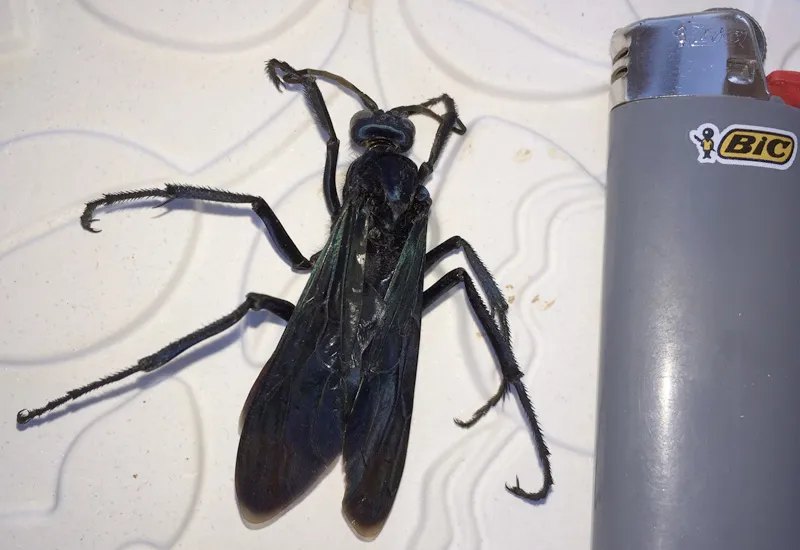
Roadrunner vs Tarantula Hawk Top 10 Astonishing Facts
The American Southwest is home to some of the most fascinating creatures on Earth, two of which are the roadrunner and the tarantula hawk. These animals, though vastly different, share the same arid landscapes, where their lives are filled with remarkable adaptations and behaviors. This article delves into 10 astonishing facts, comparing these intriguing animals, exploring their unique characteristics, and highlighting the extraordinary aspects of their survival. Get ready to explore the incredible world of the roadrunner and the tarantula hawk.
Fact 1 Roadrunner’s Speed
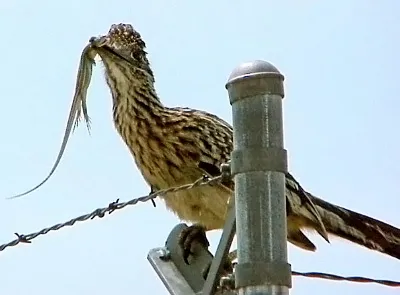
Roadrunners are famous for their speed, easily reaching impressive velocities when necessary. They are not built for sustained flight, instead preferring to use their strong legs to run. Their ability to dash at high speeds makes them formidable hunters and allows them to evade predators efficiently, helping them survive in their wild habitat. The sight of a roadrunner sprinting across the desert floor is a common and awe-inspiring scene in the Southwest.
How Fast Can a Roadrunner Run

Roadrunners are capable of reaching speeds up to 20 miles per hour (32 kilometers per hour). This incredible speed allows them to chase down prey, such as lizards, snakes, and insects, as well as escape from potential dangers like coyotes and hawks. This impressive speed makes them one of the fastest-running birds in the world and a truly remarkable example of natural adaptation.
Fact 2 Tarantula Hawk’s Painful Sting
The tarantula hawk is notorious for having one of the most painful stings in the insect world. The sting itself isn’t typically lethal to humans, but the intense pain can be debilitating, making it a memorable experience. This powerful sting is a critical part of the tarantula hawk’s hunting strategy, allowing it to paralyze its prey. Its sting is a defense mechanism to other threats as well, but they are not generally aggressive unless provoked.
What Makes the Tarantula Hawk’s Sting So Painful
The intensity of the tarantula hawk’s sting comes from a unique combination of neurotoxins injected into the victim. These toxins directly affect the nervous system, causing immediate and excruciating pain. This pain, unlike that of other insect stings, can last for several minutes, making the tarantula hawk’s sting one of the most unpleasant experiences one can have. The pain is so intense that it is often described as unlike anything else.
Fact 3 Roadrunner’s Diet

Roadrunners are opportunistic omnivores, meaning they eat a wide variety of foods. Their diet primarily consists of insects, lizards, snakes, and small rodents. They are also known to consume fruits, seeds, and other plant matter. Roadrunners are adept at hunting, using their speed and agility to catch their prey. This varied diet allows them to thrive in the diverse habitats they occupy, showcasing their adaptability.
What Does a Roadrunner Eat
A roadrunner’s diet is quite diverse, including many types of insects like grasshoppers and beetles. They also hunt lizards, snakes (including rattlesnakes), small rodents like mice, and even other birds and their eggs. Roadrunners will also eat fruits, seeds, and cacti fruits, making them highly adaptable to different food sources. Their ability to eat almost anything helps them survive in various environments.
Fact 4 Tarantula Hawk’s Prey
The tarantula hawk’s primary prey is, as the name suggests, tarantulas. They hunt these large spiders, paralyzing them with their potent sting. The wasp then drags the paralyzed tarantula back to its nest, where it lays an egg on the spider’s abdomen. When the wasp larva hatches, it consumes the still-living tarantula as its first meal. This dramatic hunting behavior is a fascinating example of predator-prey dynamics.
Why Tarantula Hawks Hunt Tarantulas

Tarantula hawks hunt tarantulas to provide a food source for their larvae. The tarantula serves as a living pantry for the wasp’s offspring. The tarantula is paralyzed but not killed, ensuring that the wasp larva has fresh food to consume as it grows. This relationship is a vital part of the tarantula hawk’s life cycle, ensuring the survival of the next generation. The wasp’s size, up to 2 inches, makes it able to attack the large spider.
Fact 5 Roadrunner’s Habitat
Roadrunners are commonly found in the southwestern United States and parts of Mexico. They prefer arid and semi-arid habitats, including deserts, grasslands, and scrublands. These adaptable birds can also be found in areas with human development, such as parks and gardens, as long as there is enough cover and food available. Their ability to thrive in harsh environments is a testament to their resilience.
Where Do Roadrunners Live
Roadrunners are most often found in the southwestern United States, including states like Arizona, New Mexico, Texas, and California. They also extend their range into parts of Mexico. They thrive in areas with sparse vegetation, allowing them to move quickly and hunt effectively. The diverse landscapes of the desert Southwest, including grasslands and scrublands, provide them with the essential elements they need to survive and thrive.
Fact 6 Tarantula Hawk’s Life Cycle
The tarantula hawk’s life cycle is a remarkable process. After mating, the female wasp searches for a tarantula. Once she has successfully stung and paralyzed the spider, she drags it to a burrow. She then lays a single egg on the tarantula’s abdomen. When the egg hatches, the larva feeds on the still-living spider, growing until it is ready to pupate and eventually emerge as an adult wasp. This entire process can take several weeks to months.
The Metamorphosis of a Tarantula Hawk
The life cycle of a tarantula hawk involves complete metamorphosis. From egg to larva, pupa, and adult, each stage has a specific role. The larva feeds on the tarantula, growing rapidly before entering the pupa stage, which is typically inside a cocoon. The pupa transforms into an adult wasp, emerging from the cocoon to start the cycle anew. This complete transformation is an amazing example of nature’s complexity.
Fact 7 Roadrunner’s Defense Mechanisms
Roadrunners possess several defense mechanisms to protect themselves from predators. Their speed and agility are their primary means of escape, allowing them to quickly outrun threats. They can also fly short distances to evade danger. They have a keen awareness of their surroundings, enabling them to detect threats early. These defensive adaptations ensure the roadrunner’s survival in a world full of predators.
How Roadrunners Protect Themselves

Roadrunners rely on a combination of speed, agility, and stealth to stay safe. Their ability to run at high speeds lets them escape predators, while their ability to fly, though limited, provides another means of evasion. They often hide in thick brush or cacti, using camouflage to blend into their environment. Their keen eyesight and quick reflexes also help them to anticipate and avoid danger.
Fact 8 Tarantula Hawk’s Size and Appearance
Tarantula hawks are among the largest wasps in the world. They are easily recognizable by their striking appearance, featuring a black or dark blue body with vibrant orange or rust-colored wings. Females are larger than males and have a more robust build, as they are the ones responsible for hunting tarantulas. Their bright coloration serves as a warning to potential predators.
Identifying a Tarantula Hawk
Identifying a tarantula hawk is usually straightforward due to its unique appearance. Look for the large size, the black or blue body, and the rust-colored wings. They are often seen dragging tarantulas across the ground. The size of the wasp, up to two inches long, combined with its distinctive coloration, makes it easy to identify, even from a distance. Their appearance alone is a testament to their powerful nature.
Fact 9 Roadrunner’s Role in the Ecosystem

Roadrunners play a vital role in their ecosystem, acting as both predators and prey. As predators, they help control the populations of insects, reptiles, and small mammals. They also serve as prey for larger predators like coyotes and hawks, contributing to the food chain. Their presence indicates a healthy ecosystem, and they are an essential part of the ecological balance.
The Roadrunner’s Contribution to Nature
Roadrunners contribute to the ecosystem by helping to control insect and small reptile populations. Their diet includes various pests, regulating the numbers of these species and helping maintain the balance of the environment. Additionally, they are a food source for larger predators, making them an important part of the food web. By contributing to both predator and prey relationships, roadrunners promote a stable ecosystem.
Fact 10 Tarantula Hawk’s Behavior
Tarantula hawks are solitary creatures, with the exception of mating. The females are active hunters, diligently searching for tarantulas. They are not generally aggressive towards humans unless provoked. Their behavior is driven by the need to find prey and ensure the survival of their offspring. Their dedication to this task makes them a captivating study in insect behavior.
What Makes Tarantula Hawks Unique
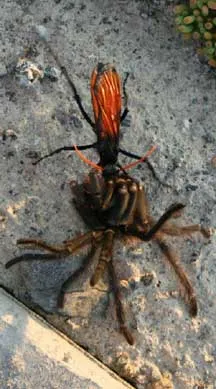
The tarantula hawk is unique due to its size, its painful sting, and its hunting behavior. The wasp’s impressive size and striking appearance, along with its intense sting, make it easily recognizable. The tarantula hawk’s specialized hunting strategy, which involves paralyzing and then utilizing tarantulas as food, sets it apart. These characteristics make them a fascinating subject for biologists and nature enthusiasts alike.
In conclusion, the roadrunner and the tarantula hawk, though different in many ways, share the harsh landscape of the American Southwest. Both have adapted to their environment in unique and astonishing ways, with the roadrunner showcasing speed and agility and the tarantula hawk utilizing its powerful sting and specialized hunting skills. These two species are a testament to the diversity and resilience of nature, making them both fascinating subjects to observe and appreciate.