Understanding the Redknee Tarantula’s Habitat
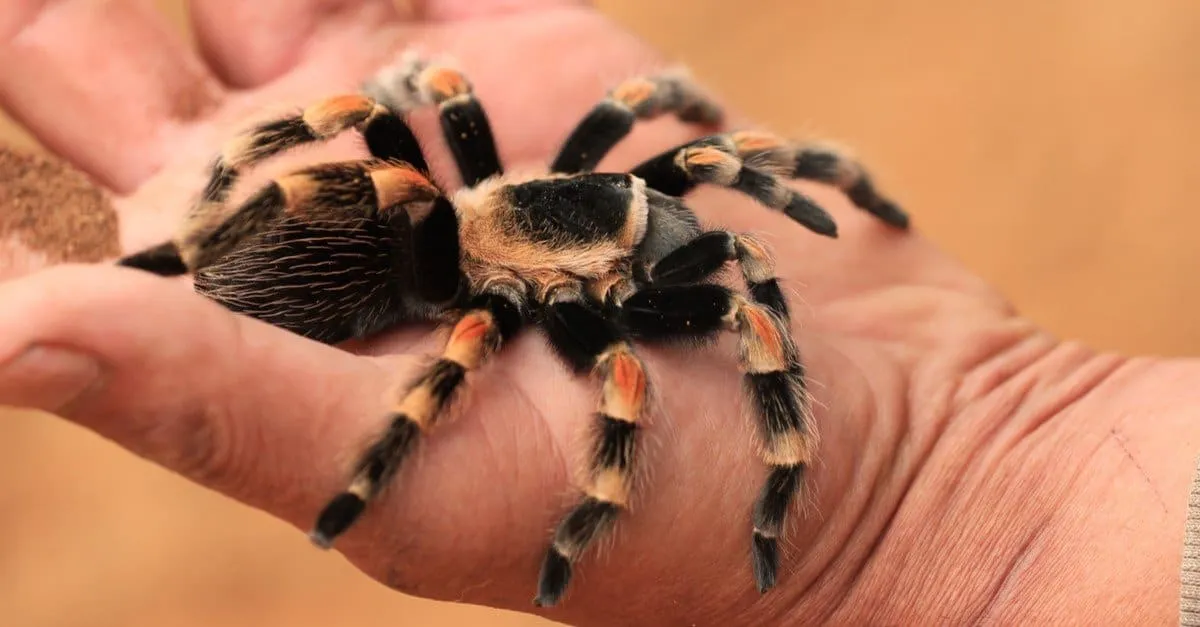
The Redknee Tarantula (Brachypelma hamorii), a captivating species, has specific habitat requirements essential for its survival and well-being. Understanding these needs is crucial for anyone interested in learning about or caring for these fascinating creatures. Their natural habitat provides the necessary conditions for them to thrive, including appropriate temperature, humidity, and shelter. These tarantulas are native to the arid scrublands and tropical deciduous forests of the Pacific coast of Mexico. Their location is a key factor that dictates the tarantula’s behavior, diet, and overall health. The habitat, characterized by specific geographical and environmental factors, plays a pivotal role in the life cycle of the Redknee Tarantula, influencing everything from their molting to their reproductive behaviors. By learning about their preferred environment, we gain a deeper appreciation for their needs and the importance of habitat preservation.
Geographical Distribution of Redknee Tarantulas
The geographical distribution of the Redknee Tarantula is relatively confined, adding to its uniqueness and the importance of understanding its location. They are primarily found in the western coast of Mexico, specifically in the states of Guerrero and Michoacán. This specific geographical area provides the essential climate and environmental conditions that these tarantulas need to survive. Within this region, their presence is often linked to particular types of landscapes, such as dry scrublands and tropical deciduous forests, where they can find suitable burrows and prey. Their restricted geographical location makes the Redknee Tarantula vulnerable to habitat loss and environmental changes. Therefore, the conservation of their habitat within this specific area is vital to ensuring their long-term survival. Understanding their geographical distribution gives insight into how they have adapted to their environment and the challenges they face.
The Natural Environment of Redknees

The natural environment of the Redknee Tarantula is crucial for its survival. These tarantulas thrive in a climate that is semi-arid, characterized by distinct wet and dry seasons. The temperature in their natural habitat fluctuates, with warm to hot temperatures during the day and cooler temperatures at night. Humidity levels are generally moderate, which is important for their molting process and overall health. The landscape typically consists of scrubland and areas with sparse vegetation, providing ample space for creating burrows. The composition of the soil, including its ability to drain water, is another important factor. The presence of rocks and crevices offer refuge from predators and environmental extremes. These conditions provide the essential elements for their life cycle, including shelter, prey, and the right climate. Preserving the integrity of these habitats is important for protecting this species.
Specific Locations Where Redknees Thrive
Within their geographical distribution, Redknee Tarantulas favor specific locations that offer ideal conditions. These locations often include areas with well-drained soil, which allows them to dig and maintain their burrows. Slopes and hillsides are common habitats, as they offer good drainage and protection from flooding. The presence of rocks, roots, and other natural features gives them structural support for their burrows. These tarantulas often prefer areas with sparse vegetation, which enables them to hunt for prey and provides a degree of cover. They are frequently found in proximity to small bodies of water, such as seasonal streams or seeps. These details can help in understanding their niche and aid in the conservation efforts by identifying crucial habitats. The locations are important because it determines their survival strategies and the ecological balance.
Factors Influencing Redknee Tarantula Location
Several factors influence the specific location choices of Redknee Tarantulas within their habitat. One key factor is the availability of suitable soil for burrowing. The soil must be able to hold its shape without collapsing and provide adequate drainage. Another important consideration is the presence of prey. Redknees are opportunistic hunters, feeding on insects, small rodents, and other arthropods. The tarantula will tend to stay in locations with a consistent supply of food. The availability of shelter, such as rocks, crevices, or vegetation, plays a vital role in providing protection from predators and environmental stressors. Microclimate conditions, including temperature and humidity, are also significant. The tarantula looks for areas where these conditions are stable and conducive to its survival. By understanding how these elements interact, one can appreciate the complexity of a Redknee Tarantula’s life.
Microclimates and Their Impact

Microclimates, localized climate conditions within a small area, significantly affect Redknee Tarantula location preferences. These tarantulas tend to seek out microclimates that offer them optimal conditions for survival. A burrow, for example, creates its own microclimate, with temperature and humidity levels that are more stable than those outside. The surrounding vegetation can have a significant impact on the microclimate. Dense vegetation can provide shade and reduce temperatures, while also increasing humidity. The orientation of a burrow relative to the sun can affect the amount of heat and sunlight it receives. The presence of rocks or other geological features can also create microclimates. These features can absorb heat during the day and release it at night, thus moderating temperature fluctuations. Understanding these microclimatic influences is essential for identifying the precise locations where Redknee Tarantulas are most likely to thrive.
Burrowing Behavior and Habitat Preferences
Burrowing behavior is a fundamental aspect of the Redknee Tarantula’s habitat preference. These tarantulas are fossorial, meaning they spend a significant portion of their lives underground in burrows they dig themselves. The structure of their burrows provides protection from predators, extreme temperatures, and desiccation. The depth and design of the burrow may vary depending on the soil type and other environmental factors. The burrows typically have a single entrance and a network of tunnels and chambers where they retreat. The tarantulas line their burrows with silk to stabilize the walls and maintain humidity levels. The ability to dig and maintain a burrow is therefore important for survival. They prefer locations with stable, well-drained soil that will not collapse and is easily excavated. This behavior is a critical element in their life cycle, and their success depends on their ability to locate and maintain an effective burrow system.
Identifying Potential Redknee Habitats
Identifying potential Redknee Tarantula habitats requires an understanding of their preferences and the environmental features they seek. Start by focusing on the known geographical distribution of the species. Within that area, look for regions that have the right climate and soil conditions. These tarantulas prefer locations with well-drained soil, slopes, and sparse vegetation. Look for signs of burrows, which can be recognized by the circular entrance holes. Note the presence of rocks, crevices, and other potential shelter sources. Consider the availability of prey. The presence of insects or other arthropods indicates a suitable food source. The presence of water sources, such as seasonal streams, may also indicate a potential habitat. Observing these details can provide clues about areas where Redknee Tarantulas are most likely to be found. Research local ecological reports can help. Understanding their habitat requirements is essential for conservation efforts.
Signs of Redknee Tarantula Presence

Recognizing the signs of Redknee Tarantula presence is crucial for confirming their existence in a specific location. The most obvious sign is the presence of their burrows. These are typically circular or oval-shaped entrance holes in the ground. Look for discarded exoskeletons, or molts, near the entrance of burrows. This indicates that a tarantula is actively growing and molting. In the evenings, it may be possible to see tarantulas at or near the entrance of their burrows as they wait for prey. The presence of webs around the burrow entrance may indicate a tarantula is present. The webs can help catch prey and provide additional protection. Consider also any reports of sightings. Local residents or researchers may have observed these tarantulas in the area. By paying attention to these signs, it’s possible to determine whether Redknee Tarantulas are present in a specific location. This information is useful for understanding their distribution and supporting conservation efforts.
Conservation Efforts and Redknee Habitats
Conservation efforts focused on Redknee Tarantulas depend on protecting and preserving their natural habitats. Habitat loss due to human activities, such as deforestation and urbanization, is a major threat to these tarantulas. Conservation strategies include establishing protected areas within their geographical range, where habitats can be conserved from development. Another approach is to educate local communities about the importance of preserving their habitat and the role of the Redknee Tarantula in the ecosystem. Promoting sustainable land management practices, such as responsible grazing and agriculture, can help to minimize habitat damage. The use of citizen science to monitor tarantula populations and their habitat can contribute valuable data for conservation. Captive breeding programs can also play a role, helping to increase the number of these tarantulas. The long-term survival of the Redknee Tarantula requires collaborative and comprehensive conservation efforts that focus on protecting their location and ensuring their habitat remains undisturbed.