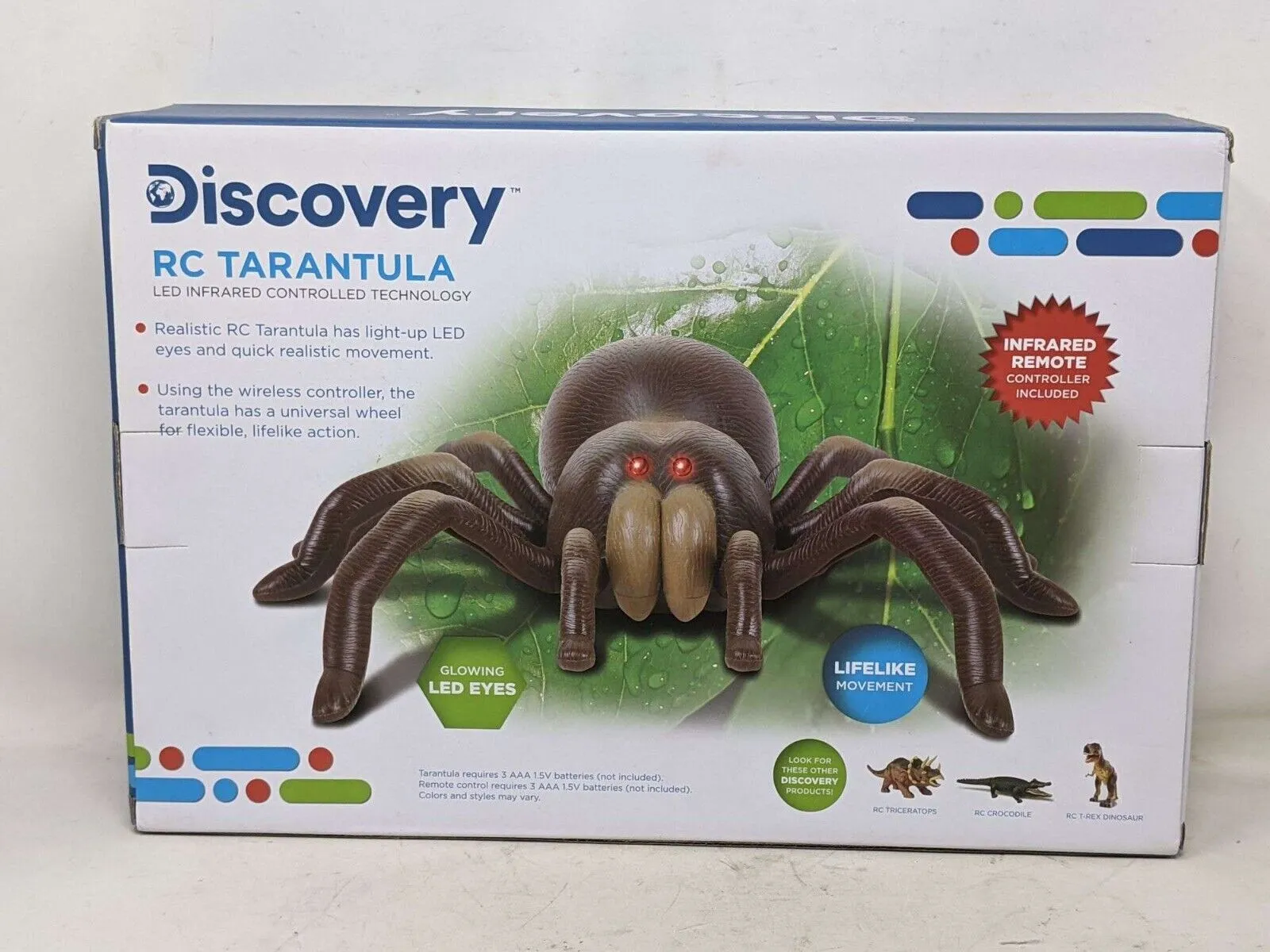
RC Tarantula Troubleshooting Top 5 Tips
Owning an RC Tarantula can be an incredibly fun experience, offering hours of entertainment as you navigate it through various terrains. However, like any mechanical device, your RC Tarantula might encounter issues from time to time. The good news is that many problems are easily fixed with a bit of troubleshooting. This guide will provide you with top tips to diagnose and resolve common issues, ensuring your RC Tarantula stays in top working condition. Whether you’re a beginner or an experienced hobbyist, knowing how to troubleshoot your RC Tarantula will save you time, money, and frustration.
Understanding Common RC Tarantula Issues
Before diving into specific troubleshooting steps, it’s crucial to understand the common issues that can plague your RC Tarantula. These problems often stem from a few key areas battery problems, motor and gearbox issues, and control system malfunctions. Recognizing the symptoms of these problems early on can help you prevent more serious damage and get your RC Tarantula back in action quickly. Understanding the root causes will also empower you to make informed decisions about repairs and maintenance, extending the lifespan of your device.
Battery Problems and Solutions

The battery is the heart of your RC Tarantula’s operation, so any issues here can bring your fun to a halt. Common battery problems include a dead or weak battery, loose connections, and charging issues. These can manifest as the RC Tarantula not turning on, running for a short duration, or experiencing a loss of power during operation. Regular monitoring of the battery’s condition and adherence to proper charging practices are essential for maximizing performance and longevity. Always use the correct charger for your battery type to avoid damage.
Motor and Gearbox Issues
The motor and gearbox are responsible for the RC Tarantula’s movement. Problems often arise from overheating, physical damage, or wear and tear. Symptoms include the RC Tarantula running slowly, making unusual noises, or not moving at all. Regular inspection and maintenance of these components are critical. You should regularly clean the motor, lubricate gears, and replace worn parts promptly. Neglecting these areas can lead to significant performance drops and the eventual failure of your RC Tarantula.
Control System Malfunctions
The control system, which includes the transmitter, receiver, and servos, is responsible for controlling the RC Tarantula’s movements. Malfunctions can stem from interference, signal loss, or servo failures. Symptoms range from unresponsive controls to erratic behavior. Ensuring proper binding of the transmitter and receiver, checking for physical damage to the servos, and avoiding interference sources can help diagnose and resolve control system issues. Moreover, regular checks of the control system can prevent larger issues.
Tip 1 Inspect the Battery and Connections

Start your troubleshooting by examining the battery and its connections. This is often the easiest place to begin and can quickly identify the source of the problem. Check for any signs of damage, corrosion, or loose connections. A poorly connected battery can prevent the RC Tarantula from receiving adequate power, even if the battery itself is fully charged. A visual inspection will often reveal obvious problems, such as a corroded terminal or a frayed wire.
Checking Battery Voltage and Condition
Use a multimeter to check the battery voltage. Make sure the voltage matches the specifications for your RC Tarantula. If the voltage is low, the battery may need charging or replacement. Also, inspect the battery for any swelling or physical damage, which could indicate internal problems. If the battery is damaged, do not attempt to charge it, as this can be dangerous. Replace it with a new battery of the correct type and specifications for optimal performance. Consider the age of your battery because they degrade over time.
Cleaning and Securing Connections
Clean any corrosion from the battery terminals and connectors using a wire brush or electrical contact cleaner. Ensure that all connections are secure and free from debris. Loose connections can cause intermittent power loss, leading to erratic behavior. Wiggle the wires and connectors to check for any play. If you find loose connections, carefully re-secure them, making sure the wires are firmly attached. Use electrical tape or heat shrink tubing to protect the connections from the elements and potential short circuits.
Tip 2 Diagnose Motor and Gearbox Problems

If your RC Tarantula isn’t moving properly, the motor and gearbox are prime suspects. The motor converts electrical energy into mechanical motion, while the gearbox transmits this motion to the wheels. Overheating can be caused by overloading the motor or running it for extended periods without sufficient cooling. A thorough inspection can quickly pinpoint the problem. Carefully listen and feel the motor for any unusual sounds or excessive heat.
Identifying Motor Overheating
If the motor feels excessively hot to the touch, it might be overheating. Overheating can be caused by several factors, including excessive load, poor ventilation, or a faulty motor. Try running the RC Tarantula in shorter bursts or letting it cool down between runs. Ensure that the motor is properly ventilated and that the cooling fins (if present) are clear of debris. If the overheating persists, the motor may need to be replaced. Always allow the motor to cool before touching it to avoid burns.
Checking for Gearbox Damage and Wear
Inspect the gearbox for any signs of damage or wear. Listen for grinding noises, which could indicate worn gears. If you notice any broken teeth or excessive play in the gears, the gearbox may need to be disassembled and repaired or replaced. Ensure proper lubrication of the gears to reduce friction and wear. Use a suitable grease or lubricant recommended by the manufacturer. Regularly inspect the gearbox and replace any worn parts to maintain optimal performance and prevent further damage.
Tip 3 Address Control System Failures

Control system issues often manifest as unresponsive or erratic behavior. The control system includes the transmitter, receiver, and servos. The first step is to ensure the transmitter and receiver are properly bound. Binding creates a secure wireless connection, allowing the transmitter to communicate with the receiver in your RC Tarantula. Interference from other electronic devices can disrupt the signal, leading to control problems. Try moving the RC Tarantula to a different location to see if the issue resolves itself.
Binding the Transmitter and Receiver
Consult the manual to properly bind your transmitter and receiver. The binding process usually involves pressing a button on the receiver while turning on the transmitter. If the binding is successful, the receiver’s LED will indicate a stable connection. If the RC Tarantula still doesn’t respond, make sure the batteries in the transmitter are charged. Also, make sure the antennas on both the transmitter and receiver are intact and positioned correctly for optimal signal reception. If you are in a crowded area, interference can disrupt your signal.
Checking Servo Functionality
Servos control the steering and throttle of your RC Tarantula. Check the servos for proper function by observing their movement as you use the transmitter. If a servo is unresponsive or moves erratically, it may be faulty. Also, check for any physical damage to the servo horns or linkages. Listen for any unusual noises, such as grinding or clicking, which could indicate internal damage. Replace any damaged or malfunctioning servos to restore proper control of your RC Tarantula. Ensure that the servos are securely mounted and properly connected to the linkages.
Tip 4 Maintaining Cleanliness

Regularly cleaning your RC Tarantula is a simple but crucial part of maintenance. Dirt, dust, and debris can interfere with the proper functioning of the internal components and lead to issues. Cleaning your RC Tarantula regularly helps prevent these issues and ensures that it operates at peak performance. It is a simple process that can prevent many problems from arising.
Cleaning the RC Tarantula
Use a soft brush, compressed air, or a damp cloth to remove dirt and debris from the chassis, wheels, and electronics. Avoid using harsh chemicals or solvents that could damage the plastic components or electronics. Make sure to clean the motor and gearbox, removing any accumulated dirt or debris. Cleaning the wheels will help maintain good traction and prevent slippage. After cleaning, allow the RC Tarantula to dry completely before operating it to prevent any electrical shorts. Inspect the components for damage during the cleaning process to catch any problems before they worsen.
Tip 5 Perform Regular Maintenance
Regular maintenance is essential to keep your RC Tarantula running smoothly and to prevent costly repairs. Routine maintenance involves lubricating moving parts, inspecting components for wear, and tightening screws. By taking a proactive approach to maintenance, you can extend the life of your RC Tarantula and ensure enjoyable operation. Setting up a maintenance schedule based on the frequency of use will help.
Lubricating Moving Parts

Lubricate the moving parts, such as gears, bearings, and axles, with a suitable lubricant recommended by the manufacturer. Lubrication reduces friction and wear, and it prevents the RC Tarantula from running at peak performance. Apply the lubricant sparingly to avoid attracting dirt and debris. Regularly inspect the parts for any signs of wear or damage. Replace worn parts immediately. Clean any excess lubricant to keep the Tarantula clean and to prevent problems in the future. Ensure that the lubrication you use is compatible with the materials of your RC Tarantula components.
Conclusion
Troubleshooting your RC Tarantula doesn’t have to be a daunting task. By following these tips, you can diagnose and fix many common problems, keeping your RC Tarantula in excellent condition. Always remember to prioritize safety, consult the manual for your specific model, and never hesitate to seek expert assistance when needed. With the right knowledge and a bit of patience, you can enjoy your RC Tarantula for years to come. Happy driving!