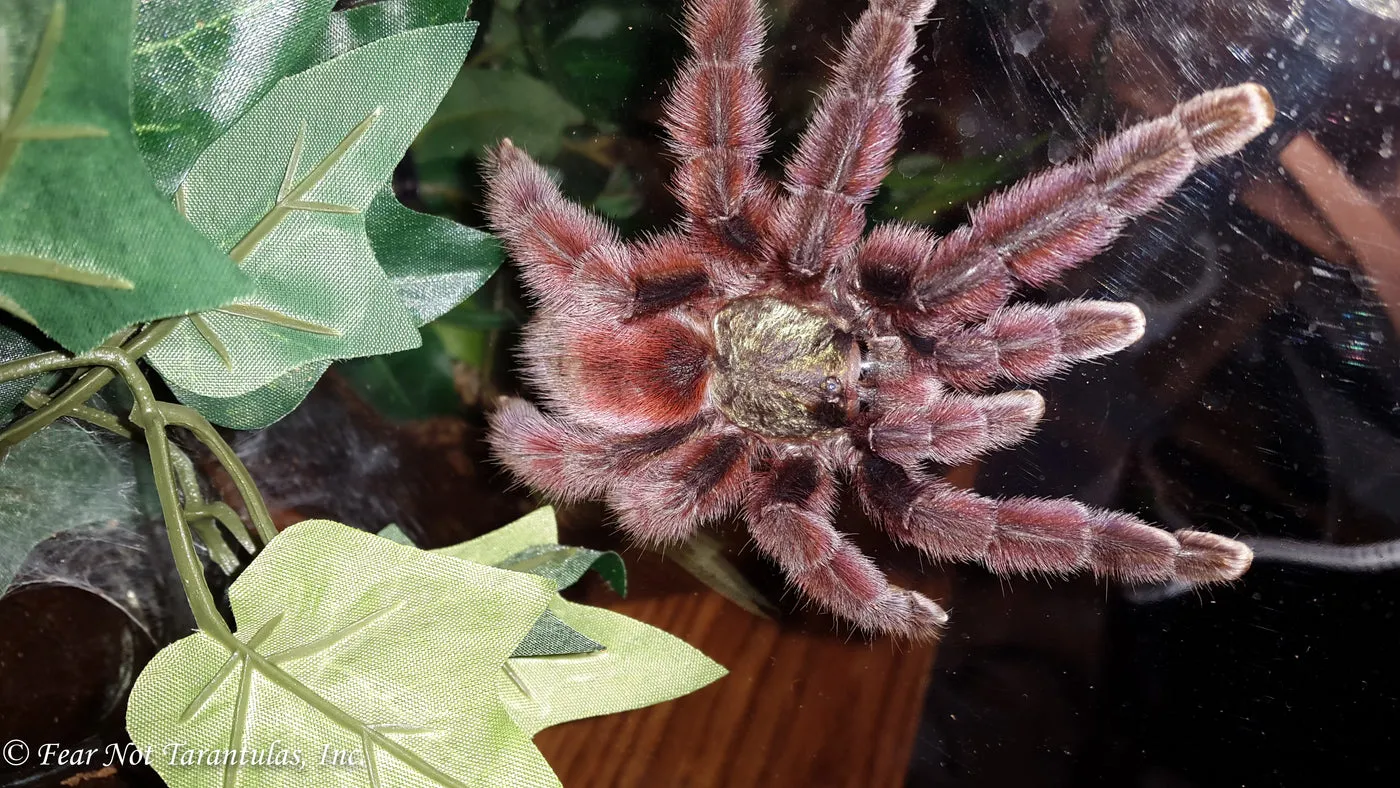
Understanding the Pinktoe Tarantula (Avicularia Versicolor)
The Avicularia versicolor, commonly known as the Antilles Pinktoe Tarantula, is a captivating arboreal species popular among tarantula enthusiasts. Known for their vibrant coloration, these spiders feature a metallic blue, purple, or green carapace and pinkish-red hairs on their legs and abdomen. Originating from the rainforests of Martinique and Guadeloupe, they offer a unique visual appeal. This beginner’s guide will help navigate the basics of caring for these beautiful creatures, ensuring their well-being in a captive environment. Their relatively docile nature also contributes to their popularity, making them an excellent choice for novice keepers who want to delve into the world of tarantulas. This comprehensive guide will equip you with the knowledge needed to provide a thriving environment for your Pinktoe Tarantula.
Origin and Habitat of Pinktoe Tarantulas
Understanding the natural habitat of the Pinktoe Tarantula is crucial for replicating a suitable environment in captivity. Native to the lush, humid rainforests of Martinique and Guadeloupe, these tarantulas thrive in arboreal settings, primarily residing in trees. The rainforest environment provides them with essential components: high humidity, moderate temperatures, and a variety of hiding spots among the foliage. In their natural habitat, these tarantulas are well-adapted to climbing, utilizing silk to construct small nests or retreats within trees. They are also ambush predators, waiting patiently for prey to come within striking distance. Recreating this setting in your home involves careful attention to humidity, temperature gradients, and the provision of arboreal structures, ensuring your tarantula feels secure and can exhibit its natural behaviors.
Choosing Your Pinktoe Tarantula

Selecting the right Pinktoe Tarantula is the first crucial step in providing proper care. Look for a tarantula that is active, alert, and shows no signs of lethargy. Observing its behavior in the enclosure can give insights into its health and personality. Avoid specimens that appear weak, are slow to respond, or have a shrunken abdomen. The best time to acquire a Pinktoe Tarantula is when it’s well-established and has a good feeding response, which indicates it’s accustomed to its environment. Checking for any physical abnormalities, such as missing limbs or signs of parasites, is essential. Ideally, choose a tarantula from a reputable breeder or pet store that can provide information on the spider’s history and origin.
Selecting a Healthy Pinktoe Tarantula
When selecting your Pinktoe Tarantula, pay close attention to its physical condition and behavior. A healthy tarantula will exhibit vibrant colors, active movement, and a robust appearance. Examine the abdomen for any signs of injury or illness, such as cuts, sores, or swelling. The pedipalps and chelicerae should be intact and in good condition. Observe the tarantula’s feeding habits, as a healthy spider should readily accept food. Also, inquire about the tarantula’s history, including its feeding schedule, molting cycle, and any known health issues. By carefully assessing these factors, you can ensure that you’re bringing home a healthy and well-adjusted Pinktoe Tarantula, setting the foundation for its long-term well-being.
Setting Up the Ideal Pinktoe Tarantula Habitat
Creating the right habitat is key to your Pinktoe Tarantula’s health. They are arboreal, so the enclosure should be taller than it is wide, providing space for climbing. The environment should replicate their natural habitat—warm, humid, and secure. Essential components include appropriate substrate, ample hiding places, a water source, and careful attention to temperature and humidity levels. By mimicking their natural environment, you’re providing your tarantula with the best opportunity to thrive. Proper setup minimizes stress, allowing your Pinktoe Tarantula to feel safe and secure, which is essential for their overall well-being and longevity. The goal is to create a stable, comfortable environment where your tarantula can exhibit natural behaviors like web-spinning and hunting.
Enclosure Size and Type for Pinktoe Tarantulas

The size and type of enclosure play a significant role in the well-being of your Pinktoe Tarantula. For juveniles, a terrarium of approximately 8x8x12 inches is suitable, while adults require a minimum of 12x12x18 inches. Ensure the enclosure is well-ventilated to prevent the buildup of excessive humidity, which can lead to mold and other health issues. Glass or acrylic terrariums are popular choices, with clear sides allowing for easy observation of your tarantula. The enclosure should have a secure lid to prevent escapes. The choice of material often depends on personal preference and ease of maintenance. Remember, the enclosure should offer enough height for climbing and vertical web-building, which is a natural behavior for Pinktoe Tarantulas.
Substrate, Decor, and Hiding Places
The substrate should maintain humidity and be safe for your Pinktoe Tarantula. A mixture of coconut fiber, peat moss, and vermiculite works well, as it retains moisture and allows the spider to burrow slightly if it chooses. Avoid substrates that could be harmful if ingested. Add décor such as cork bark, artificial plants, and branches to provide hiding places and climbing surfaces. These elements not only enhance the enclosure’s aesthetic appeal but also provide necessary environmental enrichment. Adequate hiding spots help reduce stress, making the tarantula feel secure. Arrange the decor to allow for both vertical and horizontal movement, encouraging natural behaviors. Regularly check and replace any decaying organic matter to maintain a healthy environment.
Maintaining the Right Temperature and Humidity
Maintaining optimal temperature and humidity is vital for Pinktoe Tarantulas. The ideal temperature range is between 75°F to 85°F (24°C to 29°C). You can use a heat lamp or under-tank heater to achieve the desired temperature, ensuring the heat source doesn’t directly contact the enclosure. Humidity levels should be maintained between 70% and 80%. Regular misting with a spray bottle can help achieve this, but avoid over-misting, which can lead to mold growth. Using a hygrometer is essential to monitor humidity levels accurately. Proper ventilation is also crucial to prevent mold and stagnation. Regularly check and adjust these environmental parameters to ensure the comfort and well-being of your Pinktoe Tarantula.
Feeding Your Pinktoe Tarantula

Proper nutrition is essential for your Pinktoe Tarantula’s health and growth. These tarantulas are primarily insectivores, and their diet should consist mainly of live insects. The type, size, and frequency of feeding depend on the tarantula’s age and size. Feeding your Pinktoe Tarantula requires understanding their natural feeding habits and providing a varied diet that meets their nutritional needs. Ensure the insects are safe and free from pesticides, and that they are appropriately sized to prevent any feeding difficulties or injury to the tarantula. A balanced diet contributes to their overall health, growth, and longevity.
What to Feed Your Pinktoe Tarantula
A varied diet keeps your Pinktoe Tarantula healthy and engaged. Suitable food items include crickets, roaches, mealworms, and other commercially available insects. The size of the insects should be appropriate for your tarantula’s size—generally, the prey should be no larger than the tarantula’s body length. It’s crucial to avoid feeding wild-caught insects, as they may carry parasites or pesticides harmful to your tarantula. Gut-load the insects you feed your tarantula by providing them with nutritious food a few hours before feeding. This ensures the tarantula receives the most nutrients. Supplementing with commercially available tarantula vitamins can also be beneficial. Always remove uneaten prey to prevent stress and potential harm to your tarantula.
Feeding Frequency and Portion Sizes
The feeding frequency for your Pinktoe Tarantula depends on its age and growth stage. Spiderlings should be fed two to three times a week, while juveniles can be fed once or twice a week. Adult Pinktoe Tarantulas typically need to be fed every one to two weeks. Adjust these frequencies based on the tarantula’s appetite and body condition. A tarantula that is too thin may require more frequent feeding. Portion sizes should be adjusted based on the size of the tarantula and the prey. Avoid overfeeding, which can stress your tarantula and lead to potential health problems. Monitor the tarantula’s abdomen; a plump abdomen indicates a well-fed tarantula. Adjust your feeding schedule as needed to maintain optimal health.
Watering and Hydration for Pinktoe Tarantulas

Providing a clean water source is essential for hydration. Always provide a shallow water dish with fresh, clean water. The dish should be small enough to prevent the tarantula from drowning. You can use a bottle cap or a commercial tarantula water dish. Regularly clean and refill the water dish to prevent the growth of bacteria and ensure your tarantula always has access to fresh water. In addition to a water dish, misting the enclosure regularly helps maintain the necessary humidity levels and allows the tarantula to drink water droplets from the enclosure’s surfaces. Monitoring the substrate moisture and humidity levels will help in determining the appropriate watering frequency.
Handling and Interaction with Your Pinktoe Tarantula
While Pinktoe Tarantulas are known for their docile nature, handling should be approached with caution. Understanding your tarantula’s behavior and respecting its space is crucial. Handling is not generally recommended unless necessary, as it can cause stress and increase the risk of the tarantula biting or dropping. Always be mindful of your tarantula’s well-being, and ensure you create a safe and stress-free environment. Proper handling practices involve careful assessment, slow movements, and minimizing direct contact to foster a safe and positive experience for both you and your pet. The safety and well-being of your tarantula should always be the priority.
Safe Handling Practices
If handling is necessary, do so with extreme caution. Always handle your Pinktoe Tarantula close to the ground or over a soft surface to minimize the risk of injury if it falls. Use a soft brush or cup to gently guide the tarantula onto your hand. Avoid sudden movements, and speak calmly to reassure the tarantula. Wash your hands thoroughly before and after handling to prevent the spread of bacteria or harmful substances. Understand that the tarantula may exhibit defensive behaviors if it feels threatened. Always respect the tarantula’s space and observe its behavior to determine if it’s comfortable with interaction. If the tarantula shows signs of stress, such as raising its front legs, it’s best to avoid further handling.
Recognizing and Handling Potential Issues

Being able to identify and address potential health problems is vital for the well-being of your Pinktoe Tarantula. This involves regular observation and a proactive approach. Watch for signs of illness, such as lethargy, loss of appetite, unusual postures, or changes in behavior. Regular health checks can catch issues early and improve the chances of successful treatment. Knowing the signs of common health problems helps you maintain a healthy environment. Addressing problems early can significantly improve the chances of successful treatment, ensuring your tarantula’s longevity and quality of life. Early detection and appropriate care can prevent the spread of disease and maintain the overall health of your tarantula.
Common Pinktoe Tarantula Health Problems
Pinktoe Tarantulas can experience a few common health issues, including dehydration, parasites, and problems with molting. Dehydration can be caused by low humidity or lack of access to water. Parasites may be introduced through live prey. Molting issues, such as stuck molts, can be a serious concern and are often related to low humidity or a poor environment. Ensure your tarantula has access to clean water and the right humidity. Regular checks for parasites, such as mites, are also essential. If you notice a problem, isolate the tarantula if possible and consult with a veterinarian specializing in exotic pets or an experienced tarantula keeper immediately to prevent the issue from escalating and protect the tarantula’s health.
Molting and What to Expect
Molting is a natural process where the tarantula sheds its exoskeleton to grow. The frequency of molting depends on the tarantula’s age, with spiderlings molting more frequently. During this process, the tarantula will typically stop eating and may become lethargic. Increase the humidity to aid the molting process. Avoid disturbing the tarantula during molting, as it is a vulnerable time. After molting, the tarantula’s new exoskeleton will be soft, and it will take several days to harden. Do not feed the tarantula immediately after molting; wait until its fangs have hardened. Successful molting is a sign of a healthy tarantula and indicates proper care and environmental conditions.
Breeding Pinktoe Tarantulas (Optional)

Breeding Pinktoe Tarantulas can be a rewarding but challenging endeavor, often undertaken by experienced keepers. It requires careful planning, precise environmental control, and a thorough understanding of tarantula behavior. Successfully breeding these tarantulas involves creating the right conditions, including appropriate temperature and humidity levels, and providing the proper nutrition to ensure the health of both the male and female spiders. Breeding Pinktoe Tarantulas is not recommended for beginners, as it demands extensive knowledge and experience. For those interested, it’s essential to research extensively and consult with experienced breeders.
Basic Requirements for Breeding
Successful breeding requires mature male and female tarantulas and precise environmental conditions. The female should be well-fed and healthy before mating. The male must be introduced to the female’s enclosure carefully, as females can sometimes be aggressive. Mating usually involves the male depositing sperm into the female’s spermatheca. After mating, the female will typically produce an egg sac, which she will carefully guard. Incubating the eggs requires maintaining the right temperature and humidity. Once the spiderlings hatch, they must be raised separately and fed tiny prey items. Breeding Pinktoe Tarantulas requires a significant investment of time, space, and resources, making it a complex and demanding process.
Final Thoughts and Resources
Caring for a Pinktoe Tarantula can be a fulfilling experience, providing a unique opportunity to observe these fascinating creatures. Providing the right environment, proper nutrition, and consistent care is crucial for their health and well-being. Remember to research and understand their specific needs thoroughly. The information in this guide serves as a foundation, but continuous learning is essential. There is always more to discover about Pinktoe Tarantulas, so always seek out additional information. Consider joining online forums or connecting with other tarantula enthusiasts to share experiences and ask questions. With patience, diligence, and a genuine interest in their welfare, you can enjoy a long and rewarding relationship with your Pinktoe Tarantula.