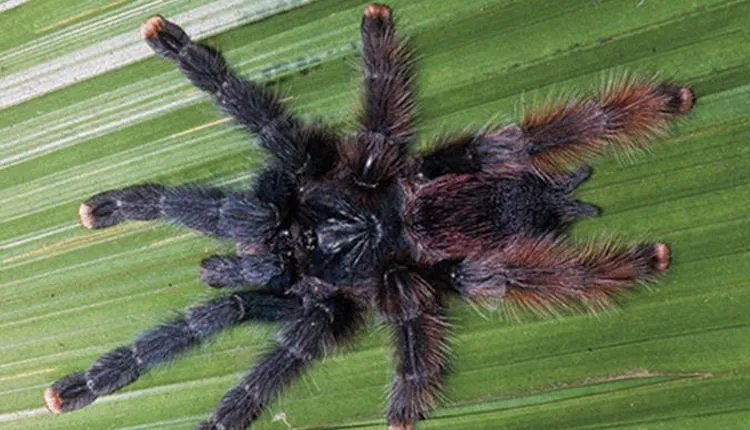
Choosing the Right Plants for Your Pink Toe Tarantula
Creating a suitable habitat for your Pink Toe Tarantula involves more than just providing a cage; it’s about replicating their natural environment as closely as possible. One of the most enriching ways to achieve this is by incorporating plants into their enclosure. Plants not only add aesthetic appeal but also play a crucial role in maintaining the ideal humidity levels, providing hiding spots, and enhancing the overall wellbeing of your tarantula. This guide will walk you through the process of selecting, setting up, and maintaining plants in your Pink Toe Tarantula’s habitat, ensuring a happy and healthy environment for your eight-legged friend. Selecting the right plants is paramount. Consider plants that thrive in humid conditions, are non-toxic to tarantulas, and can withstand the occasional accidental disturbance from your pet. This guide will provide detailed information on the best plant choices and how to care for them.
Understanding Pink Toe Tarantula Habitat Needs
Before introducing plants, it’s essential to understand the specific environmental requirements of Pink Toe Tarantulas. These arboreal creatures originate from the rainforests of South America, where they experience high humidity and moderate temperatures. Replicating these conditions is key to their health and longevity. A well-designed habitat should mimic their natural surroundings, providing a sense of security and promoting natural behaviors. The right setup supports successful molting, feeding, and overall stress reduction. Proper habitat management involves a balance of factors, from the substrate you select to the placement of hiding spots and the plants. Plants contribute significantly to this balance.
Humidity and Airflow Requirements

Pink Toe Tarantulas thrive in high humidity environments, typically between 70% and 80%. This level of humidity is crucial for their health, particularly during molting. Plants naturally contribute to maintaining humidity through transpiration, the process by which they release water vapor into the air. However, it’s equally important to ensure proper airflow within the enclosure. Stagnant air can lead to mold and fungal growth, which can be detrimental to the tarantula’s health. A well-ventilated terrarium, combined with plants that help regulate moisture, creates an optimal environment. Regular misting and strategic plant placement help in achieving the perfect balance of humidity and airflow.
The Importance of Plant Selection
Not all plants are suitable for a Pink Toe Tarantula’s habitat. It’s crucial to choose plants that are safe, non-toxic, and able to withstand the specific conditions of a tarantula enclosure. The plants should be able to tolerate high humidity levels and indirect light, typical in a terrarium setup. Plants that are too delicate or those that require excessive watering may quickly succumb to the conditions, while others can become breeding grounds for unwanted pests. Selecting the right species ensures the aesthetic appeal of the terrarium and supports the tarantula’s health and wellbeing. Always research potential plants thoroughly before introducing them to your tarantula’s home.
Top Plant Choices for Pink Toe Tarantulas
Several plant species are particularly well-suited for Pink Toe Tarantula habitats. These plants not only enhance the environment but also contribute to the overall health of the tarantula. When selecting plants, consider their size, growth rate, and care requirements. Opt for plants that offer ample hiding spaces and can withstand the humid environment. It is advisable to wash and inspect any plants thoroughly before placing them into the terrarium, ensuring they are free from pesticides or other harmful substances. Here are some of the best options.
Pothos as a Pink Toe Tarantula Plant

Pothos plants are a popular choice for terrariums due to their hardiness and adaptability. They can thrive in low-light conditions and high humidity, making them perfect for a Pink Toe Tarantula’s habitat. Pothos offers the added benefit of being easy to care for, requiring minimal maintenance once established. Their trailing vines provide excellent climbing opportunities and hiding spots for the tarantula, enriching their environment. Ensure the plant is securely potted or anchored to prevent it from toppling over. The lush green foliage adds an aesthetic appeal, simulating the tarantula’s natural environment. Regularly inspect the pothos for any signs of pests and address them immediately to prevent issues in the enclosure. (Image: pothos-plant-tarantula.webp)
Tillandsia (Air Plants)
Tillandsias, or air plants, are another excellent option due to their unique characteristics. These plants do not require soil, obtaining nutrients and moisture from the air. This makes them exceptionally clean and easy to manage in a tarantula enclosure. Air plants can be attached to branches, cork bark, or other decorations, providing a natural and visually appealing addition to the habitat. They come in various shapes and sizes, allowing for creative terrarium designs. Regular misting is usually sufficient to keep them hydrated, and they require minimal maintenance, making them ideal for busy keepers. Make sure to provide good air circulation to prevent rot. (Image: tillandsia-air-plant.webp)
Snake Plants
Snake plants are known for their resilience and ability to thrive in less-than-ideal conditions, making them suitable for tarantula habitats. They can tolerate low light and irregular watering, which aligns well with the requirements of the terrarium. The upright leaves of snake plants add a structural element to the enclosure, providing additional hiding places for your tarantula. Ensure that the plant is securely planted to avoid it tipping over and potentially harming the spider. They are relatively low-maintenance, which is a definite advantage for busy pet owners. However, be cautious, as overwatering can lead to root rot. (Image: snake-plant-terrarium.webp)
Bromeliads in Pink Toe Tarantula Habitats

Bromeliads, the family of plants that includes pineapples, are well-suited for tropical terrariums. Many varieties are epiphytes, meaning they grow on other plants or structures and obtain nutrients and moisture from the air. They provide beautiful foliage and may even produce colorful flowers, adding to the aesthetic appeal of the enclosure. When selecting bromeliads, choose species that are non-toxic and of a suitable size for the habitat. They require regular misting and good airflow to prevent rot. Their unique structure provides interesting textures and climbing opportunities for the tarantula. (Image: bromeliad-tarantula.webp)
Creating a Thriving Pink Toe Tarantula Environment
To create a thriving habitat, you need to focus on more than just selecting the right plants; the setup and maintenance of the terrarium are equally important. The substrate, the layout of the plants, the placement of water dishes, and the addition of other decorative elements all contribute to a balanced ecosystem that supports your tarantula’s wellbeing. A well-designed habitat mimics the spider’s natural environment, reducing stress and promoting natural behaviors, such as webbing and hunting. The overall goal is to create a sustainable, visually appealing, and enriching environment for your Pink Toe Tarantula. The substrate should hold moisture, and the plant placement offers both hiding spots and climbing opportunities.
Planting and Setup Instructions
Before introducing plants into the terrarium, prepare the enclosure. First, select a terrarium that is appropriately sized for your Pink Toe Tarantula, providing enough space for movement and plant growth. Choose a substrate that retains moisture, such as a mix of coco coir and sphagnum moss. This combination helps maintain humidity and provides a base for the plants. Gently plant your chosen plants, ensuring their roots are secure and that they are not easily knocked over by the tarantula. Decorate the enclosure with cork bark, branches, or other natural elements to create a varied landscape. Ensure the plants and decorations do not obstruct the tarantula’s access to water and food. Provide the plants with the necessary lighting and consider any specific needs they may have, such as drainage for potted plants. Regularly observe the habitat and make any adjustments as needed.
Maintaining Your Planted Habitat

Maintaining a planted Pink Toe Tarantula habitat involves several ongoing tasks. Regular watering and misting are crucial for maintaining the correct humidity levels. Monitor the soil moisture and adjust watering frequency according to the plants’ needs. Periodic pruning of the plants may be necessary to prevent overgrowth. Inspect plants regularly for pests, such as spider mites or aphids, and address any infestations promptly. Remove any dead leaves or debris to prevent mold or fungal growth. Clean the terrarium regularly to prevent the buildup of waste and maintain overall hygiene. Ensure that the plants are receiving the correct amount of light, which could be natural or artificial, depending on the plant’s requirements. Proper maintenance ensures the health of the plants and the tarantula. (Image: watering-tarantula-plant.webp)
Watering and Humidity Management
Watering and maintaining humidity are crucial aspects of tarantula care. The humidity level should be between 70% and 80% for optimal health and molting. Use a hygrometer to monitor the humidity levels in the terrarium. Water the plants based on their specific needs, and mist the enclosure regularly, especially during the dry seasons. Use a spray bottle to mist the enclosure, ensuring the water is clean and free of chemicals. Avoid overwatering, which can lead to root rot and the growth of mold. The frequency of watering and misting depends on several factors, including the type of plants, the ventilation in the enclosure, and the ambient conditions of the environment. Regularly check the soil moisture and the overall moisture levels of the terrarium.
Lighting and Temperature Control
While Pink Toe Tarantulas do not require intense lighting, the plants in their habitat do. Provide adequate lighting for the plants to ensure their growth. The type of lighting you need depends on the specific plant species. Some plants thrive in indirect sunlight, while others may need grow lights. Monitor the temperature in the enclosure, as it impacts the plants’ health and the tarantula’s wellbeing. The ideal temperature range for Pink Toe Tarantulas is between 75°F and 85°F (24°C to 29°C). Use a thermometer to monitor the temperature in the terrarium. Ensure the lighting and temperature are balanced, so the plants get enough light without overheating the enclosure. Avoid placing the terrarium in direct sunlight, as this can lead to excessive heat and potential harm to your tarantula. Proper lighting and temperature controls are vital for both the plants and the tarantula.
Troubleshooting Common Plant Problems

Even with proper care, plant problems can arise. Be prepared to address common issues such as yellowing leaves, mold, and pests. Yellowing leaves often indicate issues like overwatering, underwatering, or insufficient light. Assess the watering schedule, adjust the lighting, and check for any underlying issues. Mold and fungal growth can be a significant concern in humid environments. Ensure proper ventilation and remove any dead leaves or decaying plant matter. Pests, such as spider mites or aphids, can infest plants. Quarantine any new plants before introducing them into the enclosure, and treat infestations promptly. A healthy plant is key. Regular inspections and quick action can prevent problems from escalating.
Dealing with Mold and Pests
Mold and pests can quickly disrupt the balance of a terrarium ecosystem. Prevent mold growth by ensuring proper ventilation and removing any dead or decaying plant matter. Use a non-toxic antifungal solution if mold appears. Pests can be introduced through new plants or other external sources. Inspect all new plants thoroughly before introducing them into the habitat. If pests are present, use a mild insecticide or insecticidal soap, ensuring it is safe for both the plants and the tarantula. Isolate any infested plants and treat them separately to prevent the spread of pests to other plants. Maintain good hygiene in the enclosure by regularly cleaning and removing any waste.
Benefits of Plants in a Pink Toe Tarantula Habitat
Incorporating plants into a Pink Toe Tarantula habitat offers several benefits, contributing to the tarantula’s wellbeing and the overall environment. The plants improve humidity and create a natural environment that helps the tarantula thrive. They also provide additional hiding spots and enrichment opportunities.
Enhancing Tarantula Wellbeing

Plants help reduce stress in tarantulas by providing hiding spots and a sense of security. They also provide a more natural environment, stimulating natural behaviors such as webbing. High humidity is key to the tarantula’s molting cycle. This is supported by plants that contribute to the humidity levels in the enclosure. A healthy habitat reduces the risk of health issues and provides the tarantula with a more enriched life. (Image: tarantula-healthy-habitat.webp)
Aesthetical Appeal
Plants significantly improve the aesthetic appeal of the tarantula’s habitat. A terrarium with lush greenery creates a visually stunning display, adding a touch of nature to your home. The variety of colors, textures, and shapes from different plant species can create an interesting and beautiful environment. A well-designed terrarium becomes a focal point, enhancing any room. This adds value to the living space and provides a more enjoyable viewing experience.
Conclusion Plant Selection and Habitat Design
Selecting and caring for plants in a Pink Toe Tarantula habitat is a rewarding endeavor that enhances the wellbeing of your pet. By understanding the habitat requirements, choosing appropriate plants, and maintaining a balanced environment, you can create a thriving ecosystem that enriches the lives of your Pink Toe Tarantula and adds beauty to your home. Always prioritize the tarantula’s needs when designing the habitat, and remember that a healthy and enriched environment leads to a happy and thriving pet.