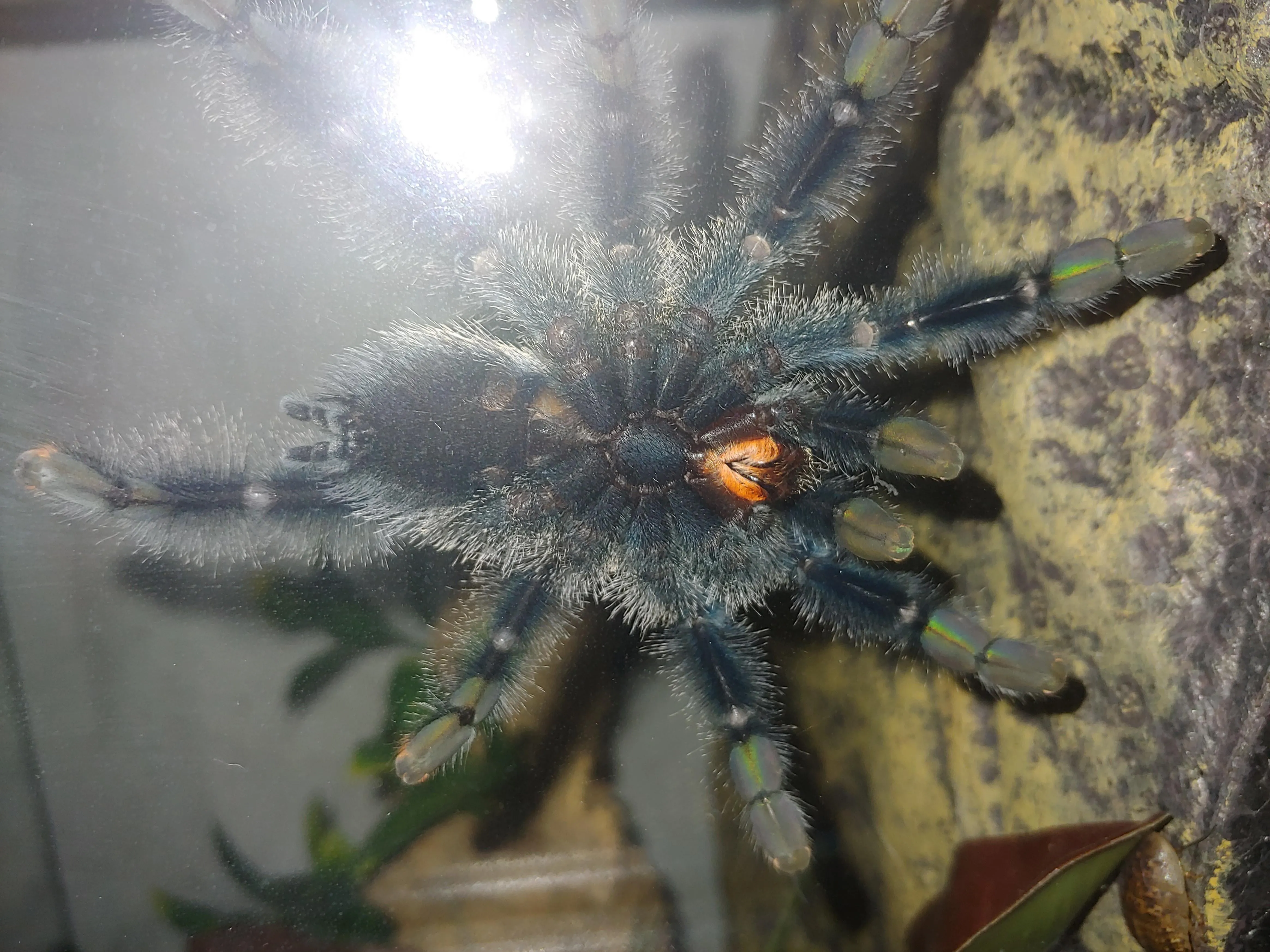
Understanding the Pink Toe Tarantula Male
The Pink Toe Tarantula, scientifically known as Avicularia avicularia, is a captivating species gaining popularity among tarantula enthusiasts. Understanding the specific needs of a male Pink Toe Tarantula is crucial for providing proper care. These fascinating arachnids offer a unique glimpse into the world of exotic pets, bringing the opportunity to learn and observe their behaviors. Males, in particular, have distinct characteristics and life cycles that set them apart from their female counterparts, requiring tailored care considerations to ensure their well-being and longevity. This guide will delve into the specifics of male Pink Toe Tarantulas, providing a comprehensive overview to ensure you’re well-equipped to care for these amazing creatures.
Identifying Male Pink Toe Tarantulas
Distinguishing a male Pink Toe Tarantula from a female is a fundamental aspect of tarantula keeping. The most reliable method is to examine the tarantula after its final molt, as mature males develop specialized structures. Male Pink Toes possess ‘pedipalps’ that resemble boxing gloves, used for mating. You will also notice ‘hooks’ or ‘spurs’ on their front legs, again used for mating, allowing them to grip the female’s fangs during the breeding process. This is the most definitive indicator. However, these features are only apparent on mature males. Before maturity, distinguishing between the sexes can be challenging, often requiring a close inspection of the molted exoskeleton or, if possible, examination by an experienced tarantula keeper or veterinarian.
Physical Characteristics of Male Pink Toes

Male Pink Toe Tarantulas present distinct physical characteristics. Mature males often exhibit a slightly different coloration than females. While both sexes have the characteristic pinkish-red hairs on their feet, males tend to have a less vibrant coloration overall. The abdomen of a male can also appear slightly smaller compared to a female, who carries eggs. The presence of the previously mentioned ‘boxing glove’ pedipalps and leg spurs are the key identifiers. These physical attributes are critical for tarantula enthusiasts, allowing for better care, understanding of their behavior, and breeding practices. These distinctions are important for correctly identifying and providing for your tarantula’s specific needs and for determining their maturity and potential breeding capabilities.
Key Differences Between Male and Female Pink Toes
The primary differences between male and female Pink Toe Tarantulas are centered around their life cycle and physical attributes, with males typically having shorter lifespans than females. Females can live for several years, sometimes a decade or more, while males usually live for a year or two after reaching maturity. Behaviorally, males become more active and wander more often when they are mature, searching for a mate. Their overall size is also typically smaller than that of females. The significant differences in lifespan, behavior, and physical attributes necessitate different approaches to their care, particularly in habitat management and long-term planning. Owners must be aware of these differences to provide optimal care.
Pink Toe Tarantula Male: Top 5 Facts
Fact 1 Lifespan and Maturity

Male Pink Toe Tarantulas have a significantly shorter lifespan than females. They reach maturity within a few years, after which they typically live for another year or two. This relatively short lifespan is directly linked to their primary role of reproduction. Once mature, their focus shifts from growth to mating, leading to a decline in their overall health and a shorter life cycle. Understanding this fact is crucial for providing appropriate care, as it impacts habitat setup, feeding, and overall expectations for your pet.
Fact 2 Molting Cycle
Molting is a critical process for Pink Toe Tarantulas, as they shed their exoskeleton to grow. Males continue to molt even after they reach maturity, but the frequency of molting decreases. Each molt provides an opportunity to observe the tarantula and potentially identify the sex if it hasn’t been previously determined. During molting, it’s important to maintain high humidity levels to aid in the process. The molt itself provides a valuable insight into the tarantula’s health, and any issues should be carefully observed. Avoid disturbing the tarantula during molting, which is a vulnerable time for them.
Fact 3 Breeding Behavior
Mature male Pink Toe Tarantulas exhibit specific behaviors associated with mating. They become more active, often wandering in search of a female. They will display by tapping on the enclosure and creating mating webs. The male uses his pedipalps to transfer sperm to the female. This process is often initiated by the male, although successful breeding requires the right conditions and a receptive female. Observing these behaviors provides a fascinating look into their natural instincts, although owners are not required to breed their tarantulas. Understanding the breeding cycle is essential for anyone considering introducing breeding practices to their tarantula keeping experience.
Fact 4 Habitat and Housing Needs

Housing a male Pink Toe Tarantula involves providing a suitable habitat that mimics their natural environment. A tall enclosure is necessary, as they are arboreal tarantulas, and they prefer to climb. The enclosure should be well-ventilated to prevent the buildup of humidity and stagnant air, but not so much that it dries out the enclosure. Substrate, such as coco coir or a mixture of peat moss and vermiculite, should be used to retain moisture. The enclosure should also contain plenty of vertical climbing opportunities, such as branches or cork bark. The size of the enclosure depends on the size of the tarantula, but generally, a 10-gallon tank is sufficient for an adult male. Maintaining the appropriate habitat ensures their well-being.
Fact 5 Diet and Feeding
Male Pink Toe Tarantulas are carnivores and require a diet primarily consisting of live insects. Crickets, roaches, and mealworms are common food choices. The size of the prey should be appropriate for the tarantula’s size. It’s best to feed them 2-3 times a week, removing any uneaten prey within 24 hours to prevent stress and potential injury to the tarantula. Ensuring the prey is gut-loaded with nutritious food is also beneficial for the tarantula’s health. Proper feeding habits contribute significantly to their overall health and well-being, giving them the energy and nutrition needed for their life cycle.
Caring for Your Male Pink Toe Tarantula
Habitat Setup Essentials

Setting up a proper habitat is vital for the health and well-being of your male Pink Toe Tarantula. A tall enclosure is necessary because of their arboreal nature. Provide plenty of vertical climbing opportunities, such as branches, cork bark, or artificial plants. The substrate should be appropriate for maintaining humidity, such as coco coir or a mixture of peat moss and vermiculite. Adequate ventilation is also important to prevent mold and stagnant air. The enclosure should also include a water dish, which is important for hydration, and should be kept full and clean at all times. Proper setup directly affects their comfort and health.
Humidity and Temperature
Maintaining the correct humidity and temperature levels is crucial for a healthy Pink Toe Tarantula. Ideal humidity levels are between 70-80%, which can be achieved by misting the enclosure regularly. The enclosure should be kept at a temperature between 75-80°F (24-27°C). Use a hygrometer and thermometer to monitor these levels. Proper humidity is essential for successful molting, while the right temperature ensures that the tarantula’s metabolism functions properly. Regular monitoring and adjustments will help you to create and maintain a suitable environment for your tarantula.
Feeding Your Tarantula
Feeding your male Pink Toe Tarantula is a straightforward process. Offer them a variety of live insects, such as crickets or roaches, that are appropriately sized for the tarantula. Feed them 2-3 times a week, removing any uneaten prey within 24 hours. Always ensure the prey is gut-loaded with nutritious food. Make sure you are not overfeeding your tarantula, as overfeeding can lead to obesity and other health issues. Providing the right amount of food, along with the correct diet, will help your tarantula to live a long and healthy life.
Health and Common Issues

Male Pink Toe Tarantulas, like all tarantulas, can experience health issues. Common problems include dehydration, parasites, and molting difficulties. Look for signs of illness, such as loss of appetite, lethargy, or unusual behavior. Providing the correct environment with proper humidity and temperature can help prevent these issues. Regular observation and prompt action are key if any health concerns arise. If you suspect your tarantula is ill, consult an experienced tarantula keeper or a veterinarian with experience in exotic animals. Careful observation will help in the early detection of any potential health problem.
Molting Process and Aftercare
Molting is a crucial process for growth and rejuvenation. During molting, male Pink Toe Tarantulas are extremely vulnerable. Increase humidity during the molting period to help them shed their old exoskeletons. Avoid disturbing your tarantula during molting, as stress can lead to complications. After molting, it can take some time for the tarantula’s new exoskeleton to harden. Avoid feeding for a few days until the fangs have hardened. Careful handling and patience are key to a successful molt. If you follow these guidelines, you can help make sure that your tarantula is healthy and happy.
Recognizing and Addressing Health Problems
It is essential to be able to recognize and address any health problems. Common signs include loss of appetite, lethargy, or unusual behavior. Dehydration is a common issue. Ensure that the water dish is always full and mist the enclosure as needed. Parasites can also affect tarantulas; consult with a veterinarian if you suspect an infestation. Molting problems can occur, so maintaining proper humidity is essential. Recognizing these issues early and seeking help from an expert can greatly improve the chances of a full recovery and ensure that your Pink Toe Tarantula stays healthy and happy.
In conclusion, caring for a male Pink Toe Tarantula requires a thorough understanding of their specific needs. From recognizing the differences between males and females to providing the correct habitat, diet, and recognizing any potential health problems, each of these aspects plays a vital role in ensuring the well-being of your tarantula. By following the guidelines outlined in this guide, you can ensure your Pink Toe Tarantula lives a healthy and fulfilling life. Continuous learning, observation, and a dedication to providing optimal care will enhance your experience and allow you to appreciate these fascinating creatures fully.