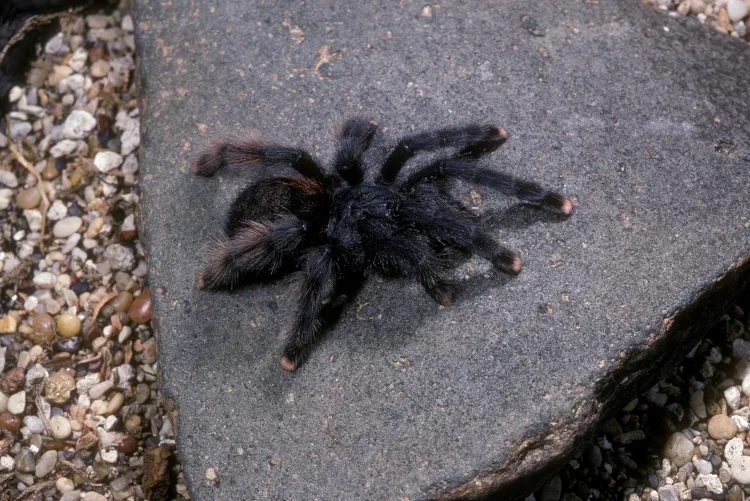
What are Pink Toe Tarantula Hairs?
Pink toe tarantulas, known for their striking pink feet and arboreal lifestyle, possess a unique defense mechanism – urticating hairs. These specialized hairs, located primarily on their abdomen, serve as a primary means of protection against potential predators. Understanding these hairs is crucial for anyone considering keeping a pink toe tarantula or interacting with them. They are not merely cosmetic; they are an integral part of the tarantula’s survival strategy. The hairs are designed to irritate and deter threats, ensuring the tarantula can live a long and healthy life. They play a key role in the tarantula’s ecosystem and is important for the spider’s safety.
The Structure of Pink Toe Tarantula Hairs
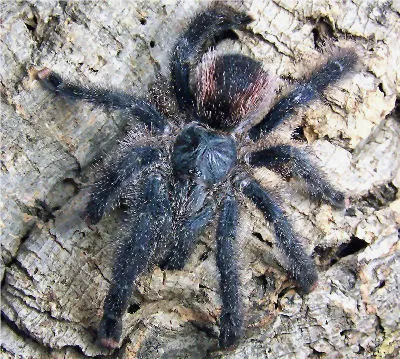
The structure of the urticating hairs is complex and fascinating. These hairs are microscopic barbs that are incredibly sharp and, when disturbed, detach from the tarantula’s abdomen. The structure of the hairs themselves allows them to easily penetrate the skin and cause significant irritation. The microscopic barbs ensure the hairs stay embedded, which intensifies the irritation and discomfort. The pink toe tarantula can flick these hairs off their abdomen when threatened or agitated, effectively launching a cloud of tiny irritants towards their attacker. This is a primary defense mechanism against many would-be predators. The hairs themselves are quite durable, allowing them to remain a problem even after being brushed off the spider.
How Pink Toe Tarantulas Use Their Hairs

Pink toe tarantulas employ their urticating hairs as a strategic defense. Instead of biting, as many other tarantula species do, the pink toe tarantula will use its hind legs to flick hairs towards a perceived threat. This action is almost instantaneous and can occur multiple times. The tarantula directs the flick towards the threat’s face or any other vulnerable area to maximize its effectiveness. The primary goal is to cause irritation to the eyes, skin, and respiratory tract of a potential predator, discouraging any further aggressive behavior. The tarantula will often retreat to a safer location after deploying its hairs, capitalizing on the temporary disadvantage inflicted on its attacker.
Top 5 Facts About Pink Toe Tarantula Hairs
Fact 1 Hairs as a Defense Mechanism
Urticating hairs are the primary defense mechanism of the pink toe tarantula. Unlike some tarantulas that bite, the pink toe relies on these irritating hairs to deter predators. When threatened, the tarantula uses its hind legs to flick the hairs toward the threat. These hairs cause immediate irritation and discomfort, acting as a deterrent and helping the tarantula to escape or find a safe place. The efficacy of this defense is high, making it a reliable form of protection in their natural habitat. They are a key element of the pink toe tarantula’s survival strategy.
Fact 2 Irritation Caused by the Hairs

The urticating hairs of pink toe tarantulas cause significant irritation upon contact. The microscopic barbs on the hairs embed themselves in the skin, eyes, and mucous membranes, leading to itching, redness, and inflammation. For humans, this can range from mild discomfort to more severe reactions, depending on the amount of exposure and individual sensitivity. In the eyes, the hairs can lead to conjunctivitis and painful inflammation. These reactions make the hairs a very effective deterrent against predators. It is important to be aware of these potential reactions when handling or caring for these tarantulas.
Fact 3 Shedding of Hairs
Pink toe tarantulas shed their hairs during molting. As the tarantula grows, it sheds its exoskeleton, including the urticating hairs. During this process, the tarantula becomes vulnerable as it forms a new outer layer. These hairs remain in the old exoskeleton, and the tarantula will regenerate a new supply of urticating hairs. This molting process allows the tarantula to shed and replace any damaged or worn hairs, keeping its defense system effective. This is a natural and vital part of the tarantula’s life cycle, ensuring it maintains its protective mechanisms.
Fact 4 Prevention and Mitigation
Preventing exposure to pink toe tarantula hairs involves several precautions. Avoid direct contact with the tarantula’s abdomen, where the hairs are located. Use long-handled tools when handling the tarantula or cleaning its enclosure. Wear gloves and eye protection to minimize contact if you must handle the tarantula or its enclosure. If exposure occurs, remove contaminated clothing immediately and wash the affected area with soap and water. Use adhesive tape to remove any embedded hairs from the skin. Consult a medical professional if symptoms are severe or if the hairs get into the eyes.
Fact 5 How to Safely Handle Pink Toe Tarantulas
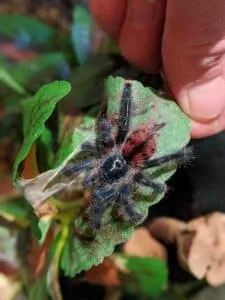
Handling pink toe tarantulas should be kept to a minimum to avoid triggering their defense mechanisms. If handling is necessary, approach the tarantula calmly and avoid sudden movements. Use a soft brush or a specialized tool to gently guide the tarantula onto a handling surface. Always wear gloves and eye protection to minimize the risk of exposure to the hairs. Avoid direct contact with the abdomen. Ensure the tarantula is calm and not agitated before handling. Provide a safe and secure environment to avoid startling the tarantula. If possible, avoid handling altogether, and observe the tarantula in its enclosure.
How to Manage Exposure to Pink Toe Tarantula Hairs
First Steps after Exposure
If you are exposed to pink toe tarantula hairs, the first step is to remove yourself from the exposure and remove any contaminated clothing. Wash the affected area thoroughly with soap and water. Use a gentle scrubbing motion to remove any hairs embedded in the skin. Avoid rubbing, as this can worsen the irritation. Flush the eyes with plenty of water if hairs have gotten into them. If available, use adhesive tape or a lint roller to lift the hairs off the skin. Apply a cool compress to reduce itching and inflammation.
Treatments and Remedies
Treatments for exposure to pink toe tarantula hairs aim to alleviate symptoms. Antihistamines can help to reduce itching and inflammation. Calamine lotion or other topical anti-itch creams can provide relief. If the eyes are affected, use artificial tears to soothe them and flush out any remaining hairs. In more severe cases, or if symptoms persist, consult a medical professional. Over-the-counter pain relievers can help manage any discomfort. Keeping the affected area clean and avoiding scratching is crucial to prevent secondary infections. The goal is to minimize the impact of the irritation and support the healing process.
Preventative Measures
Preventative measures are essential to minimize the risk of exposure to pink toe tarantula hairs. Wear gloves and eye protection when handling or cleaning the enclosure. Handle the tarantula only when necessary, using the proper tools and techniques. Keep the enclosure clean and well-maintained to reduce the buildup of loose hairs. Maintain a safe distance from the tarantula when cleaning the enclosure. Provide good ventilation to prevent airborne hairs. Educate yourself and others on the risks of exposure and proper handling techniques. Regularly inspect the tarantula and enclosure for signs of hair buildup.
Conclusion
Understanding pink toe tarantula hairs and how to handle them safely is critical for responsible pet ownership. By being aware of their function, the risks of exposure, and how to manage them, you can ensure both your and the tarantula’s well-being. Always prioritize safety, handle the tarantula with care, and take appropriate precautions to avoid unnecessary exposure. With the right knowledge and handling practices, you can enjoy the experience of owning a pink toe tarantula while minimizing the potential for irritation. Remember, responsible ownership includes respecting the animal’s natural defenses and prioritizing its health and safety.