Captivating Pet Tarantula Images
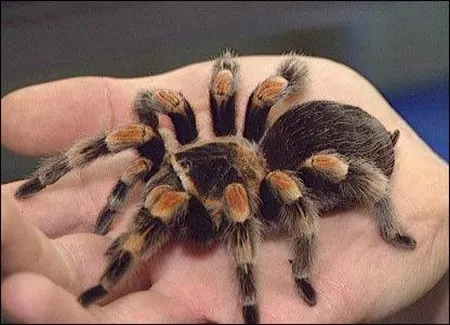
The world of pet tarantulas is a fascinating one, filled with unique creatures that capture the imagination. Beyond their impressive size and intriguing behaviors, these arachnids boast stunning appearances, making them a popular subject for photography. Pet tarantula pictures serve not only to document these beautiful creatures but also to educate and inspire. They allow us to appreciate the intricate details of their bodies, the vibrant colors of their exoskeletons, and the diverse personalities they exhibit. From the fiery hues of a Mexican Red Knee to the iridescent blues of a Cobalt Blue, each species offers a unique visual experience. This article celebrates the beauty of pet tarantulas through a collection of 10 stunning images and offers tips for capturing your own captivating shots.
Why Pet Tarantula Pictures Matter
Pet tarantula pictures play a crucial role in promoting understanding and appreciation for these often-misunderstood creatures. In a society that often views spiders with fear and apprehension, photographs can help to dispel myths and showcase their beauty. High-quality images can highlight the intricate details of their anatomy, such as the delicate hairs and the complex patterns on their abdomens, which are often missed by the naked eye. Furthermore, pictures can be a valuable resource for educational purposes, allowing people to identify different species and learn about their habitats and behaviors. By sharing captivating photographs, enthusiasts can encourage responsible pet ownership and contribute to the conservation of these remarkable animals. They also provide a valuable tool for researchers and conservationists in documenting and studying tarantula populations and their environments.
Showcasing Tarantula Species

Tarantulas come in a dazzling array of colors, sizes, and patterns, each species possessing its unique charm. The pictures below showcase some of the most popular and visually striking species kept as pets. From the terrestrial giants to the arboreal beauties, the diversity within the tarantula family is truly remarkable. Each photograph is an opportunity to appreciate the individual characteristics of the species, from the subtle differences in their leg patterns to the vibrant colors that adorn their bodies. This visual journey is a celebration of the beauty of these creatures, hoping to inspire further exploration and appreciation for the world of tarantulas.
The Beauty of Grammostola
The genus Grammostola often presents a more subtle beauty. Known for their docile temperaments, these tarantulas are often popular among beginners. Their coloration can range from the muted browns and tans of the Chilean Rose Hair to the more striking patterns seen in the other species. They are generally hardy and relatively easy to care for, making them an excellent choice for those just entering the world of tarantula keeping. The photographs that show them reveal the intricate textures of their bodies and their calm presence, emphasizing their gentle nature.
The Elegance of Brachypelma
Brachypelma tarantulas, particularly the Mexican Red Knee (Brachypelma hamorii) and the Mexican Fireleg (Brachypelma boehmei), are renowned for their striking colors and elegant appearance. Their bold patterns and vibrant hues make them a favorite among tarantula enthusiasts. These tarantulas are usually docile and have a distinctive appearance. Photographs of these species highlight their beauty, showing the striking contrast between their black bodies and the red or orange markings on their legs. These images often captivate viewers and encourage a deeper appreciation for these creatures.
The Allure of Theraphosidae

The Theraphosidae family includes a vast array of tarantula species, each with unique characteristics. From the Goliath Birdeater (Theraphosa blondi), the world’s largest tarantula, to the smaller, more colorful species, this family offers a diverse range of visual experiences. Images of Theraphosidae tarantulas showcase the incredible variety within this group, highlighting differences in size, color, and behavior. Photographs of these species are often used to educate people about tarantulas and their different environments, emphasizing the importance of understanding and protecting these remarkable creatures.
Top 10 Stunning Pet Tarantula Pictures
Picture 1 The Chilean Rose Hair
The Chilean Rose Hair tarantula (Grammostola rosea) is known for its gentle nature and beautiful appearance. The pictures often show a reddish-brown spider with a calm demeanor. They are popular pets because of their easy-going temperament and their relatively simple care requirements, making them a great choice for beginners. The images also showcase their unique, sometimes subtle beauty, which makes them a favorite among tarantula enthusiasts. This visual representation provides a glimpse into their calm and friendly nature.
Picture 2 The Mexican Red Knee

The Mexican Red Knee tarantula (Brachypelma hamorii) is iconic for its striking coloration. Their images usually feature a black body contrasted by vibrant red or orange markings on their leg joints. These spiders are famous and popular pets due to their beautiful appearance and relatively docile nature. Pictures of the Mexican Red Knee always draw attention and they play a key role in educating people about these wonderful creatures. This visual beauty has made them favorites among hobbyists and a common sight in tarantula photography.
Picture 3 The Pinktoe Tarantula
The Pinktoe tarantula (Avicularia avicularia) is a vibrant arboreal species. Pictures often highlight their distinctive pink toe pads and the colorful hairs on their bodies. These pictures showcase the vivid beauty of their pink tips and the various shades that adorn their bodies. Often seen against a backdrop of lush greenery, these photos emphasize their natural habitat. The images reflect their arboreal lifestyle and unique coloration, making them stand out.
Picture 4 The Greenbottle Blue
The Greenbottle Blue tarantula (Chromatopelma cyaneopubescens) is a visually stunning species. The pictures show a vibrant combination of green, blue, and orange. Photos of this tarantula always grab attention because of its unique coloration. It is often displayed as a prime example of the visual appeal of tarantulas, with the photos displaying its bright and vibrant appearance. The images make it a favorite subject for photography and highlight the importance of showcasing its beautiful colors.
Picture 5 The Cobalt Blue Tarantula

The Cobalt Blue tarantula (Cyaneopubescens cyaneopubescens) is known for its striking metallic blue coloration. The images show their distinctive bright blue legs and bodies. This species is a highlight in the visual world of tarantulas due to their beautiful colors. Photographs of this tarantula display the beauty of these creatures. It’s also an example of the variety and visual appeal of tarantulas, making it popular among enthusiasts.
Picture 6 The Goliath Birdeater
The Goliath Birdeater (Theraphosa blondi) is one of the largest tarantulas in the world. The pictures emphasize their size and imposing presence. Photos usually depict these giants in their enclosure, giving a good feel for their enormous size. The images show its formidable presence and showcase its size, making the Goliath Birdeater a fascinating subject for photography. These photos are key in educating people about these spiders and the world of tarantulas.
Picture 7 The Curly Hair Tarantula
The Curly Hair tarantula (Tlitocatl albopilosus) is recognized for its fluffy appearance. The pictures display its distinct curly hairs. These pictures highlight the tarantula’s appealing nature. This particular tarantula is a great addition for educational purposes, showing the variety of appearances in the family of spiders.
Picture 8 The Arizona Blonde

The Arizona Blonde tarantula (Aphonopelma chalcodes) has a unique look. Their pictures often show the tarantula’s tan or light brown coloration, which blends with the desert. The pictures show its elegance and highlights the tarantula’s characteristics. These images are a great educational tool, used to promote education on the different species.
Picture 9 The Tiger Rump Tarantula
The Tiger Rump tarantula (Psalmopoeus irminia) stands out with its vibrant colors. The pictures emphasize the pattern on their abdomens. The images show the elegance and uniqueness of this tarantula. These pictures are a key part of educational material and showcase how diverse the species are.
Picture 10 The White Knee Tarantula
The White Knee tarantula (Acanthoscurria geniculata) is known for its striking appearance. The pictures showcase the white bands on their legs, which contrast with the black body. These pictures show the beauty of the species. They are commonly used for educational purposes and emphasize the great diversity found in tarantulas.
Tips for Taking Great Pet Tarantula Pictures
Lighting Techniques
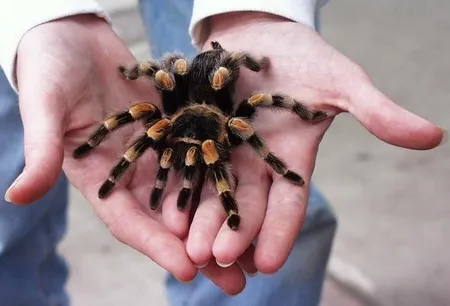
Good lighting is essential for capturing stunning pet tarantula pictures. Natural light is often best, as it provides soft and even illumination that enhances the colors and textures of the tarantula. Avoid direct sunlight, which can create harsh shadows and overexpose the image. When using artificial light, consider using softboxes or diffusers to soften the light and reduce glare. Experiment with different angles and intensities to achieve the desired effect. Proper lighting can bring out the vibrant colors and intricate details of your tarantula, resulting in more visually appealing photographs.
Using the Right Background
The background can significantly impact the overall look of your pet tarantula pictures. A clean and uncluttered background helps to keep the focus on the spider itself. Simple backgrounds, such as plain paper or a solid-colored surface, work well. Alternatively, consider using a background that complements the color of the tarantula, such as green foliage for arboreal species. Avoid backgrounds with busy patterns or distracting elements that can detract from the subject. The right background ensures your pet tarantula is the center of attention.
Camera Settings & Equipment

The right camera settings and equipment are vital for capturing high-quality pet tarantula pictures. A macro lens is ideal for getting close-up shots and showcasing the details of the spider’s body. Use a low aperture (high f-number) to ensure that the entire tarantula is in focus. Consider using a tripod to stabilize the camera and prevent blur, especially when shooting in low light. Experiment with different ISO settings to balance brightness and noise levels. By mastering your camera settings, you can ensure sharp and detailed images.
Ethical Considerations in Photography
Ethical considerations should always be a priority when photographing pet tarantulas. Ensure the safety and well-being of your spider by creating a comfortable and stress-free environment. Avoid using flash photography, which can startle or harm the tarantula. Be mindful of your spider’s behavior and be prepared to stop the photoshoot if it appears stressed or agitated. Remember, your goal is to capture stunning images while respecting the animal. Always prioritize the health and comfort of your pet.