Phorid Flies vs Tarantulas
The world of arachnids and insects can be a fascinating and sometimes perilous one. Among the many creatures that inhabit this realm, tarantulas and phorid flies stand out as an intriguing example of predator-prey dynamics and parasitic relationships. Phorid flies, often no bigger than a fruit fly, pose a significant threat to tarantulas, making it essential for tarantula keepers and enthusiasts to understand these creatures and the challenges they present. This article delves into the complex relationship between phorid flies and tarantulas, providing key facts and insights to help you protect your eight-legged companions.
What are Phorid Flies
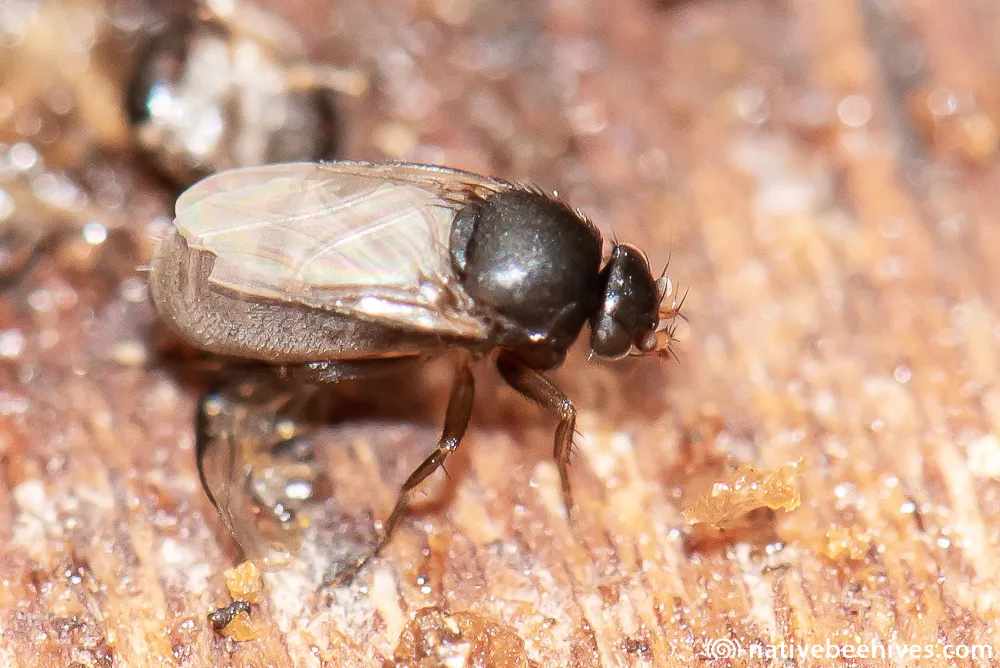
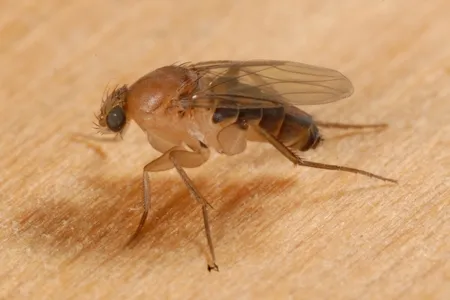
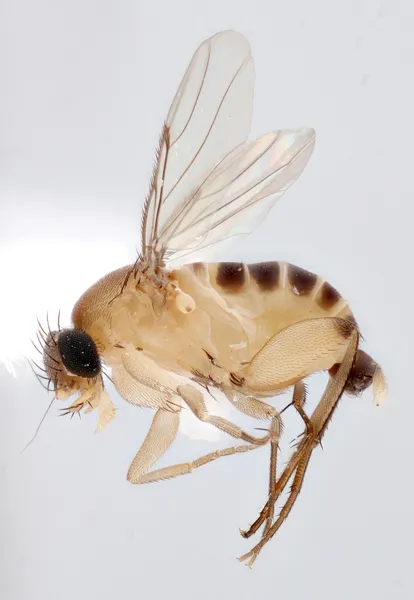
Phorid flies, belonging to the family Phoridae, are a diverse group of small flies, with many species exhibiting parasitic behavior. These flies are often found in various environments, including homes, gardens, and, unfortunately for tarantula keepers, terrariums. They are known for their distinctive humpbacked appearance and rapid movements. Phorid flies are attracted to decaying organic matter, which makes them a constant threat to tarantulas.
Appearance and Life Cycle

Phorid flies are typically small, ranging from 0.5 to 6 millimeters in length. They have a characteristic humpbacked appearance and often possess reddish or yellowish bodies. Their life cycle is relatively quick, with females laying eggs near or on suitable hosts, such as tarantulas. The larvae then feed on the host, eventually pupating and emerging as adult flies. Understanding their life cycle is crucial for effective prevention and control.
What are Tarantulas
Tarantulas are large, hairy spiders belonging to the Theraphosidae family. They are popular pets due to their impressive size, relatively docile nature, and diverse colors and patterns. Native to tropical and subtropical regions worldwide, tarantulas are generally solitary creatures, with most species living in burrows or under rocks and logs. These fascinating arachnids can live for many years, making them a long-term commitment for their owners.
Common Tarantula Species
There are hundreds of tarantula species, each with unique characteristics. Some of the most popular species kept as pets include the Chilean rose hair tarantula (Grammostola rosea), the Mexican redknee tarantula (Brachypelma hamorii), and the Gooty sapphire ornamental (Poecilotheria metallica). These species, and many others, are susceptible to phorid fly infestations, making awareness and preventative measures critical for tarantula owners.
Fact 1 Phorid Flies as Parasites

The most significant threat phorid flies pose to tarantulas is their parasitic behavior. Female phorid flies lay their eggs near or on the tarantula, often in the area of the mouth or other vulnerable body parts. These eggs hatch into larvae that feed on the tarantula, eventually killing the spider. This parasitic relationship is a serious concern for tarantula keepers.
How Phorid Flies Attack Tarantulas
Phorid flies employ a sneaky strategy to parasitize tarantulas. The flies often target vulnerable points, such as the tarantula’s mouthparts or the soft membranes between their legs. Once the eggs hatch, the larvae burrow into the tarantula, feeding on its tissues and eventually causing death. The speed at which the infestation progresses varies depending on the fly species and the tarantula’s size and health.
The Parasitic Process
The parasitic process begins when the female phorid fly deposits her eggs on or near the tarantula. The larvae hatch and begin to feed on the tarantula’s hemolymph (spider blood) and internal tissues. As the larvae grow, they consume more of the tarantula, leading to weakness, loss of appetite, and eventual death. The larvae then pupate inside the tarantula, and the adult flies emerge, continuing the cycle. This process can be quite rapid, sometimes taking only a few weeks from infestation to the tarantula’s demise.
Fact 2 Impact on Tarantula Health

Phorid fly infestations can have a devastating impact on tarantula health. The parasitic larvae cause internal damage, leading to a range of health issues. Early detection and intervention are crucial to saving an infested tarantula.
Signs of Phorid Fly Infestation
Recognizing the signs of a phorid fly infestation is critical for timely intervention. Look out for the following indicators:
Behavioral Changes
Infested tarantulas may exhibit changes in behavior. They might become less active, lose their appetite, or show signs of lethargy. Unusual movements or twitching can also be a sign of infestation. Keep a close eye on your tarantula’s behavior.
Physical Symptoms
Physical symptoms of a phorid fly infestation can include small, dark spots on the tarantula’s body, which are often the entry points of the larvae. You might also notice larvae emerging from the tarantula’s body, especially near the mouth or leg joints. Swelling and discoloration are other possible signs.
Fact 3 Geographic Distribution
Phorid flies and tarantulas can be found in many parts of the world, but the specific areas where they co-exist depend on the species of both the fly and the tarantula. Knowing where these creatures are most commonly found can help tarantula keepers take extra precautions.
Where Phorid Flies and Tarantulas Meet
Phorid flies are found globally, and tarantulas have a wide distribution in tropical and subtropical regions. The areas where these two meet include the Americas, Africa, Asia, and Australia. Both can also be found in controlled environments like terrariums and zoos, posing a risk to captive tarantulas in any location. The prevalence of phorid flies varies depending on the specific climate and environmental conditions of the region.
Climate and Habitat

Phorid flies thrive in warm, humid environments. They can often be found in decaying organic matter. Tarantulas prefer similar climates, with many species living in burrows in the ground or under rocks and logs. These overlapping habitat preferences increase the likelihood of encountering phorid flies. Maintaining a clean and dry environment is therefore crucial for tarantula enclosures.
Fact 4 Prevention Strategies
Prevention is the best defense against phorid fly infestations. Implementing preventative measures can greatly reduce the risk of these parasites harming your tarantula. This includes quarantine, habitat maintenance, and proper food handling.
Quarantine and Inspection
When acquiring a new tarantula, it’s vital to quarantine it in a separate enclosure for at least 30 to 60 days. Inspect the tarantula thoroughly for signs of infestation. This can prevent the introduction of phorid flies into your existing collection. Regularly inspect all your tarantulas, even those you’ve had for a while.
Maintaining a Clean Habitat
A clean habitat is crucial for preventing phorid fly infestations. Remove any uneaten food promptly, as this can attract the flies. Regularly clean and sanitize the enclosure, removing any decaying organic matter. Good ventilation is also essential, as it reduces humidity and discourages fly breeding. Ensure that the enclosure is properly sealed to prevent flies from entering.
Fact 5 Treatment Options
If you suspect or confirm a phorid fly infestation, quick and decisive action is critical. The following are some treatment options to consider to save your tarantula.
Removing Affected Tarantulas
If you find a tarantula with a confirmed infestation, isolate it immediately in a separate, clean enclosure. This will prevent the spread of the flies to other tarantulas. Monitor the affected tarantula closely for any further signs of infestation, and consult with a veterinarian or experienced tarantula keeper.
Using Insecticides

In some cases, the use of insecticides may be necessary. However, it’s essential to use insecticides with extreme caution, as many can be harmful to tarantulas. Consult with a veterinarian or experienced tarantula keeper before using any insecticide. Ensure that the product is specifically designed for use around arachnids and follow all instructions carefully. Always remove the tarantula from the enclosure during treatment, and ensure that the enclosure is thoroughly ventilated before returning the tarantula.
In conclusion, the relationship between phorid flies and tarantulas highlights the complex interactions within the natural world. By understanding the dangers of these parasites and implementing effective preventative and treatment strategies, tarantula keepers can protect their beloved pets. Regular observation, strict hygiene, and quick action are key to ensuring the health and longevity of your tarantulas. Being vigilant and well-informed is the best approach to keeping your tarantulas safe from phorid flies.