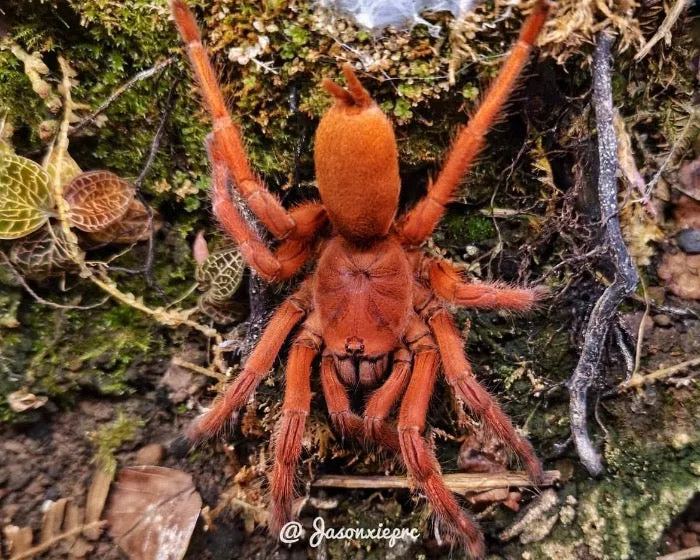
What is a Philippine Tangerine Tarantula
The Philippine Tangerine Tarantula, scientifically known as Psalmopoeus irminia, is a captivating arachnid native to the tropical regions of the Philippines. Known for its vibrant coloration, relatively docile temperament, and manageable size, this tarantula has gained popularity among both novice and experienced invertebrate keepers. Its striking appearance, which includes a tangerine-orange hue, particularly on its legs and carapace, makes it a visually appealing addition to any collection. These tarantulas are arboreal, meaning they spend a significant portion of their lives in trees or elevated areas. They are relatively fast growers and, with proper care, can provide years of enjoyment for their keepers. Furthermore, their manageable size, typically reaching a leg span of around 5-6 inches, makes them suitable for various enclosure sizes, appealing to those with limited space. Their adaptability contributes to their increasing popularity within the exotic pet trade, making them a sought-after species for those interested in tarantula ownership.
Appearance and Characteristics
The Philippine Tangerine Tarantula is easily recognizable due to its striking appearance. The most defining characteristic is its vibrant coloration, which includes shades of orange, particularly prominent on its legs and carapace, often contrasting with a darker abdomen. The body is covered in fine hairs, giving it a velvety texture. These tarantulas typically have a leg span ranging from 5 to 6 inches when fully grown, with females generally being larger than males. They possess powerful chelicerae, which are used for capturing and subduing prey. Their coloration is not only aesthetically pleasing but also provides camouflage in their natural environment. Their overall build reflects an arboreal lifestyle, with longer legs and a lighter build that allows for agility in climbing and moving through foliage. This unique blend of appearance and build makes them a remarkable species to observe.
Identifying Features

Distinguishing a Philippine Tangerine Tarantula from other species is key to proper identification. Beyond the overall orange hue, specific markings provide additional clues. The carapace often features a darker pattern, and the abdomen may have subtle markings or patterns. The legs exhibit a distinctive striping or banding in contrasting colors. Examining the eye arrangement can also aid in identification. This species has a distinct eye pattern, often situated on a slightly raised area on the cephalothorax. Comparing these characteristics with images and descriptions from reliable sources will help confirm the identification. Accurate identification is also crucial to ensure the animal receives appropriate care and to comply with any local regulations regarding the keeping of exotic species.
Habitat and Distribution
Philippine Tangerine Tarantulas are native to the Philippines, specifically inhabiting the tropical rainforests of the islands. They have a preference for humid environments with plenty of foliage and cover. Their distribution within the Philippines is not uniform; they are often found in specific regions where the climate and habitat conditions are optimal. Their natural environment dictates their behavior and care requirements, influencing their need for arboreal setups and high humidity levels. Their natural habitat typically involves elevated areas, such as trees and shrubs, which allows them to hunt and seek refuge. Understanding their natural environment helps to replicate their needs in captivity, promoting their well-being and ensuring they thrive in their enclosures.
Natural Environment
In their natural habitat, Philippine Tangerine Tarantulas occupy a niche in the rainforest ecosystem. They are primarily arboreal, constructing silken retreats within trees, under the bark, or amidst the foliage. The high humidity and temperatures of the rainforest are essential for their survival, impacting their molting process, hydration, and overall health. These tarantulas are opportunistic hunters, preying on insects, small invertebrates, and sometimes even small vertebrates. The dense vegetation of the rainforest provides ample cover, protection from predators, and opportunities for ambush hunting. The presence of a thriving insect population is critical for their survival. Furthermore, their natural environment influences their behavior, including their feeding patterns and the types of shelters they construct. Replicating these conditions in captivity is crucial to ensure the well-being of these fascinating creatures.
Where to Buy Philippine Tangerine Tarantulas

If you’re considering adding a Philippine Tangerine Tarantula to your collection, finding a reputable source is paramount. They can be purchased from various avenues, including specialized breeders, online retailers, and sometimes at reptile shows or local pet stores that focus on exotic animals. Reputable breeders often provide detailed information about the tarantulas’ lineage and health, which can be invaluable for new keepers. Online retailers offer a wide selection, allowing buyers to compare prices and options. However, it is essential to research the seller’s reputation and ensure they adhere to ethical practices. Always check for reviews, read customer feedback, and ask about the tarantula’s health before making a purchase. Selecting a healthy specimen from a reliable source ensures a positive experience and contributes to the well-being of the animal. Careful consideration of the source is crucial to starting your journey with a Philippine Tangerine Tarantula.
Reputable Breeders
Choosing a reputable breeder is the most reliable way to acquire a healthy Philippine Tangerine Tarantula. Reputable breeders prioritize the health and well-being of their tarantulas. They often provide detailed information about the tarantula’s lineage, age, and any special requirements it might have. Breeders are usually knowledgeable and willing to offer advice and support to new keepers. Their practices often involve breeding programs designed to maintain the health and genetic diversity of the species. A reputable breeder will be transparent about their operations, allowing buyers to inquire about the tarantula’s history and care. Breeders also often provide guarantees of the tarantula’s health and offer support after purchase. You can usually find reputable breeders through online forums, specialized reptile websites, or recommendations from experienced tarantula keepers. Selecting a breeder who cares about the well-being of their animals ensures you are getting a healthy, well-cared-for specimen.
Online vs Local Dealers
The decision of whether to buy a Philippine Tangerine Tarantula online or from a local dealer requires careful consideration. Online retailers often offer a broader selection and competitive pricing. They may also provide convenient shipping options, but it’s essential to ensure the seller follows proper packing procedures. Local dealers offer the benefit of in-person inspection before purchase. This allows you to assess the tarantula’s health and the conditions of its enclosure. Dealers can provide immediate support and advice, which is invaluable for beginners. However, local dealers might have limited stock and higher prices compared to online retailers. The best choice depends on individual preferences, experience, and priorities. Thoroughly research both options and weigh the pros and cons before making a decision. Always prioritize the health of the tarantula and the seller’s reliability to make an informed choice.
Things to Consider Before Buying

Before purchasing a Philippine Tangerine Tarantula, there are several important factors to consider. First and foremost is the commitment required to provide proper care. Tarantulas have specific needs regarding habitat, feeding, and temperature. Researching and understanding these requirements is crucial. Another critical aspect is the cost, not only of the tarantula itself but also of the enclosure, substrate, heating, and feeding supplies. The lifespan of a tarantula is also a consideration, as some species can live for many years. Assess your lifestyle to ensure you can provide the consistent care necessary. Finally, familiarize yourself with the legal regulations in your area regarding owning exotic pets, as some regions have restrictions. Thorough research, careful planning, and a realistic understanding of your capabilities will prepare you for the responsibilities of owning a Philippine Tangerine Tarantula.
Caring for Your Philippine Tangerine Tarantula
Proper care is essential for ensuring the health and longevity of your Philippine Tangerine Tarantula. They thrive in a specific environment that mimics their natural habitat. This includes providing the right enclosure, maintaining appropriate humidity and temperature levels, and offering a suitable diet. Regular monitoring of the tarantula’s health, including its feeding habits and overall activity, is also essential. Handling should be kept to a minimum, as it can stress the tarantula and potentially lead to bites. Keeping your tarantula in an environment that closely resembles its natural habitat, with regular maintenance, is crucial. By providing the appropriate care, you can ensure that your tarantula will thrive in captivity and provide many years of enjoyment. Furthermore, consistent care helps you develop a rewarding relationship with your pet.
Enclosure Requirements
Creating an appropriate enclosure is critical for the well-being of your Philippine Tangerine Tarantula. Being arboreal, they need a vertically oriented enclosure, providing ample space to climb and create a retreat. The enclosure should be well-ventilated to prevent the buildup of stagnant air and reduce the risk of mold and fungal growth. The size of the enclosure should be appropriate for the tarantula’s size, ensuring that it has enough space to move around comfortably. Providing a suitable substrate, such as a mix of peat moss, coconut fiber, and sphagnum moss, helps maintain humidity levels. Include decorations like cork bark, branches, and artificial plants, which provide hiding spots and climbing opportunities. Maintaining the correct temperature and humidity levels is crucial for successful molting and overall health. Regular cleaning of the enclosure is also necessary to remove uneaten food and waste, and promote a healthy environment.
Feeding and Diet

Feeding your Philippine Tangerine Tarantula a balanced diet is essential for its health. These tarantulas are opportunistic insectivores and typically consume a variety of insects. Crickets, mealworms, roaches, and other appropriately sized insects can be used as food sources. The size of the prey should be appropriate to the size of the tarantula, avoiding insects that are too large or small. It is important to offer a varied diet to provide essential nutrients. Feeding frequency depends on the tarantula’s size and age, with younger tarantulas requiring more frequent feedings than adults. Water should be provided in a shallow dish or using a water gel to ensure hydration. Uneaten prey should be removed to prevent stress and the buildup of pests. Monitoring the tarantula’s feeding habits is also important, as changes in appetite can be an indicator of health issues or upcoming molting.
Common Health Issues
Philippine Tangerine Tarantulas can be susceptible to certain health issues, and recognizing the signs is crucial for timely intervention. Dehydration is a common problem, often indicated by a loss of appetite, lethargy, or a wrinkled appearance. Parasitic infestations can be another concern, with mites and other parasites that can affect the tarantula’s health. Improper enclosure conditions, such as incorrect humidity or temperature, can stress the tarantula. When molting, tarantulas are particularly vulnerable; provide an undisturbed environment. If you notice any unusual behavior, such as loss of appetite, changes in activity level, or visible injuries, consult with a veterinarian. Preventing health issues involves maintaining proper care, including appropriate temperatures, humidity, and feeding habits. With good care and awareness, many potential problems can be avoided, ensuring a long and healthy life for your Philippine Tangerine Tarantula.
Philippine Tangerine Tarantula Behavior
Understanding the behavior of your Philippine Tangerine Tarantula is essential for providing proper care and creating a positive experience for both you and your pet. Tarantulas possess distinctive behaviors related to their natural instincts. Their movements, feeding patterns, and interactions with their environment all provide clues to their well-being and overall health. Learning to recognize these behaviors helps you understand the tarantula’s needs and ensure its comfort. Monitoring behavior can also help you identify potential health issues. When observing your tarantula, note its level of activity, feeding habits, and any changes in its routine. The more you understand your tarantula’s behavioral traits, the better you can care for and enjoy your pet.
Temperament and Handling

The Philippine Tangerine Tarantula is known for being relatively docile, but it is important to approach handling with caution. While some individuals may tolerate handling, it is generally recommended to minimize direct interaction. Handling can stress the tarantula and potentially lead to bites. Before any handling, ensure you are prepared and have a clear understanding of the risks involved. When handling is necessary, move slowly and carefully, avoiding sudden movements that could startle the tarantula. Always support the tarantula’s body, preventing it from falling. It is crucial to wash your hands before and after handling to prevent the transfer of oils or chemicals. Keep handling sessions short and always return the tarantula to its enclosure when it shows signs of stress. Prioritizing the tarantula’s well-being is crucial. If you are not confident or experienced in handling, it is best to avoid it altogether and observe from a distance.
Defense Mechanisms
Philippine Tangerine Tarantulas, like all tarantulas, have defense mechanisms they use when threatened. One of their primary defenses is their ability to flick urticating hairs from their abdomen, which can cause skin irritation in humans. This behavior is often used when feeling threatened and is a natural defense against potential predators. When handling or interacting with a tarantula, it is essential to be aware of this defense mechanism. Other defense mechanisms may include rearing up, showing their fangs, or attempting to bite. Avoid actions that may stress the tarantula, and maintain a safe distance when handling. Never attempt to handle a tarantula that appears stressed. Providing the appropriate environment and handling the tarantula with care are critical factors in preventing the use of defense mechanisms. By respecting their boundaries, you can reduce the risk of encountering these defenses and ensure the safety of both the tarantula and the handler.
Conservation Status
Understanding the conservation status of the Philippine Tangerine Tarantula is essential for responsible pet ownership. While the species is relatively common in the pet trade, its status in the wild needs consideration. Factors such as habitat loss and overcollection can threaten tarantula populations. It is vital to support sustainable practices, ensuring that the tarantulas available for sale are from ethical sources. Buying captive-bred specimens rather than wild-caught ones reduces the pressure on wild populations. Educating yourself and others about the importance of conservation can contribute to the long-term survival of this species. Supporting conservation efforts, such as supporting breeders who are committed to sustainability, can also make a positive impact. Staying informed about the latest research and conservation initiatives is essential to protect this remarkable species.
Threats to the Species

The Philippine Tangerine Tarantula faces several threats, both in its natural habitat and through human activities. Habitat loss, due to deforestation and urbanization, is one of the most significant threats, destroying their natural environment. Overcollection for the pet trade can also negatively impact wild populations if not managed sustainably. Climate change is another factor, potentially altering the environmental conditions in the Philippines, impacting their survival. Invasive species could also threaten their environment. It is essential to remain aware of these threats and work towards solutions. Understanding the threats faced by these species is the first step in addressing these problems. Supporting conservation efforts and promoting responsible pet ownership are important steps towards protecting their future.
Conservation Efforts
Numerous conservation efforts aim to protect the Philippine Tangerine Tarantula. These efforts often include habitat preservation, working with local communities to prevent deforestation, and promoting sustainable practices in the pet trade. Captive breeding programs also help to reduce the demand for wild-caught tarantulas, supporting sustainable populations. Education and awareness are important tools, helping educate the public about the importance of this species. Supporting research, which contributes to a better understanding of their behavior and needs, is crucial. If you are interested in supporting conservation efforts, consider contacting conservation organizations involved in this type of work. Supporting sustainable breeders can make a positive impact. By taking an active role in these efforts, you can contribute to the long-term survival of this beautiful species. Together, we can ensure that the Philippine Tangerine Tarantula thrives for generations to come.