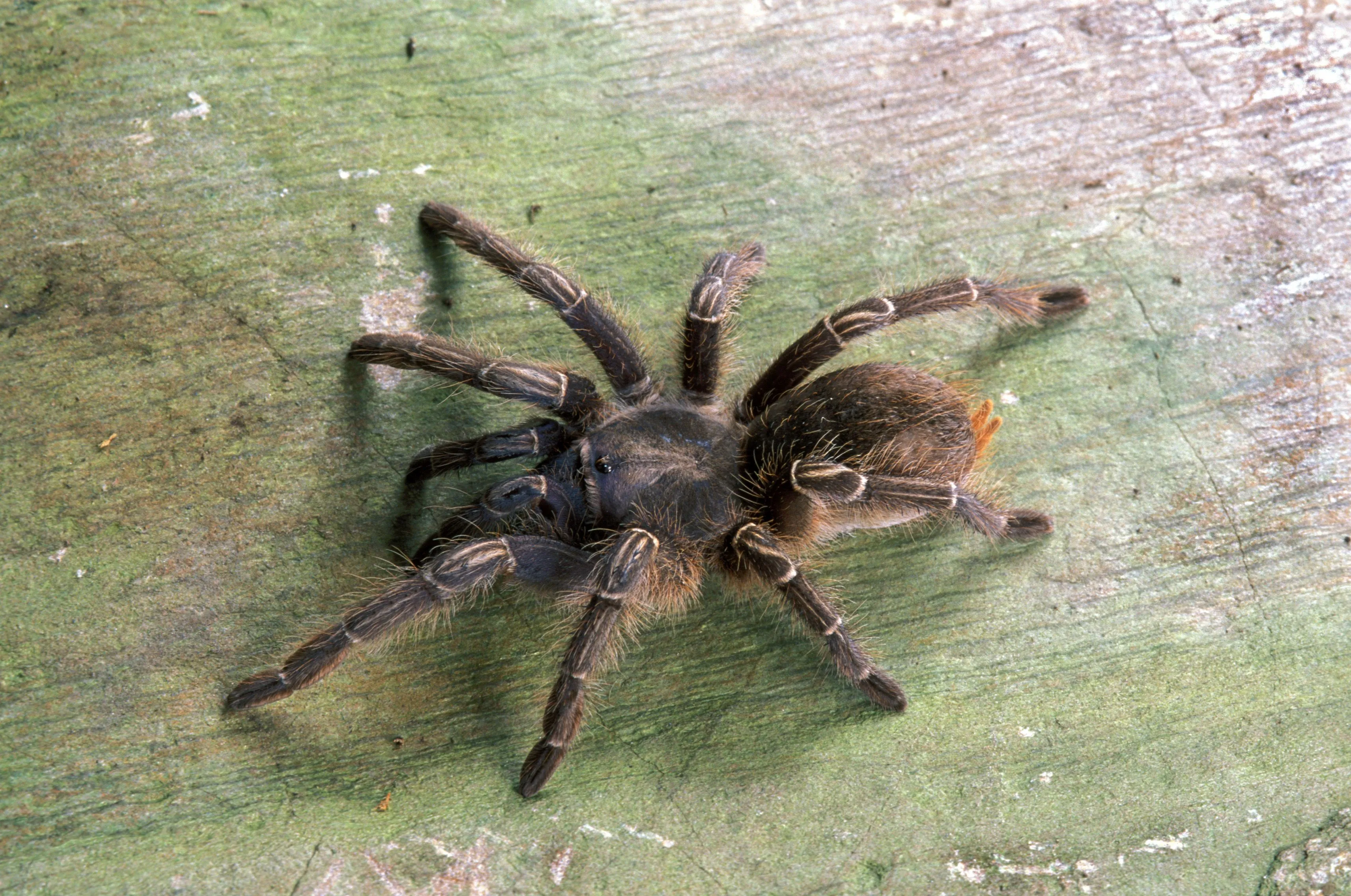
Why Film Your Pet Tarantula?
Creating a pet tarantula video is an excellent way to document the life and behavior of your fascinating eight-legged friend. Tarantulas are captivating creatures, and their unique characteristics make them ideal subjects for videos. Whether you’re a seasoned arachnid enthusiast or a curious beginner, filming your tarantula can be a rewarding experience. It allows you to share your passion for these amazing animals with others, educate viewers about their care, and contribute to a growing community of pet tarantula lovers. It’s also a fantastic way to track your tarantula’s growth, molting cycles, and overall health, creating a lasting record of your pet’s life. Plus, it’s fun!
Captivating Your Audience
To make your pet tarantula videos engaging, you need to consider what will hold your audience’s attention. High-quality visuals and interesting content are key. Think about the behaviors that make tarantulas unique – their hunting techniques, molting processes, and interactions with their environment. Close-up shots that highlight these details will draw viewers in. Use clear and concise commentary to explain what’s happening, and be sure to share any interesting facts or insights you’ve learned. Remember to maintain a consistent posting schedule to keep your audience coming back for more, and engage with your viewers in the comments section to build a community around your videos.
Choosing the Right Equipment for Pet Tarantula Videos

The equipment you use can significantly impact the quality of your pet tarantula videos. While a high-end camera isn’t always necessary, using the right tools can make a difference. Consider whether a smartphone or a dedicated camera suits your needs better. Smartphones offer convenience and portability, while dedicated cameras often provide better image quality and more manual control. Regardless of your choice, ensure your equipment can capture clear, focused footage. A tripod is essential for stability, and a macro lens will allow you to capture detailed close-up shots of your tarantula. Additional equipment, such as external microphones and lighting, can further improve your video production quality. (Image: tarantula-equipment.webp)
Smartphone vs. Dedicated Camera
Smartphones are incredibly convenient for quick videos. Their portability and ease of use make them great for capturing spontaneous moments. Modern smartphones also offer excellent video quality, especially in good lighting. However, dedicated cameras, such as DSLRs or mirrorless cameras, provide several advantages. They often have larger sensors, resulting in better image quality, particularly in low light. They also offer interchangeable lenses, allowing you to use macro lenses for close-up shots and telephoto lenses for filming from a distance. Dedicated cameras also provide more manual control over settings such as aperture, shutter speed, and ISO, giving you greater creative flexibility. Ultimately, the best choice depends on your budget, experience, and filming goals.
Lighting Techniques for Stunning Videos
Good lighting is crucial for creating visually appealing videos. Proper lighting enhances the colors and details of your tarantula and its environment. Consider using both natural and artificial light. Natural light is ideal for filming during the day. Place your tarantula’s enclosure near a window, but avoid direct sunlight, which can overheat the enclosure. If you’re filming indoors, you may need to supplement natural light with artificial lighting. (Image: tarantula-lighting.webp) Softbox lights or LED panels provide soft, even illumination that minimizes harsh shadows. Avoid using harsh overhead lights, which can create unflattering shadows. Experiment with different lighting setups to find what works best for your tarantula and your filming environment.
Natural Light vs. Artificial Light

Natural light is often the preferred choice for its flattering qualities and ease of use. It produces soft, diffused light that enhances colors and reduces harsh shadows. However, natural light can be inconsistent, changing throughout the day and depending on the weather. Artificial light provides greater control and consistency. LED panels and softboxes offer a balanced and even light source, ideal for capturing detail. When using artificial light, be mindful of heat. Ensure your lighting equipment does not overheat the tarantula’s enclosure. Adjust the intensity and placement of your lights to achieve the desired effect without stressing your pet.
Creating the Perfect Setup
The setup is as important as the filming itself. A well-prepared environment makes filming easier and ensures your tarantula’s safety and comfort. (Image: tarantula-tank-setup.webp) Place the enclosure in a stable location away from vibrations and direct sunlight. Clean the glass or acrylic surfaces of the enclosure to eliminate any smudges or fingerprints that could affect video quality. Make sure the substrate is fresh and the enclosure is properly maintained. Consider using a background that complements your tarantula’s color and size. A simple, neutral background can help to keep the focus on your pet. Ensure that the enclosure is well-lit, which will provide optimal conditions for filming. Remember, the setup influences the quality of the videos.
Tank & Environment
The environment within your tarantula’s enclosure directly impacts its behavior and the quality of your videos. A well-designed setup will provide natural enrichment and make your pet more comfortable. Provide ample space for your tarantula to move and explore. Include a water dish, a hide, and appropriate substrate for burrowing or climbing, depending on the species. Maintain the correct temperature and humidity levels for the species. Consider adding natural elements such as rocks or plants. Ensure the tank is secure, preventing escape, and is also easy to clean. A clean and well-maintained enclosure contributes to a happy and healthy tarantula, leading to better video content.
Filming Your Tarantula: Top 5 Secrets

Here are five key secrets to help you create exceptional pet tarantula videos, drawing viewers in and making your content stand out. From capturing the essence of your tarantula to maximizing engagement, these tips will help transform your videos.
Secret 1 Observe Your Tarantula
Before you even pick up your camera, spend time observing your tarantula. Learn its habits, understand its behaviors, and anticipate what it might do next. This will allow you to capture those unexpected and engaging moments that make your videos truly special. Look for signs of activity, like web spinning, hunting behaviors, or changes in posture. Knowing your tarantula’s personality will help you tell a more compelling story and provide insightful commentary for your viewers. Note how your tarantula moves, where it likes to spend its time in the enclosure, and what seems to pique its interest. This pre-filming observation is crucial.
Secret 2 Focus on the Action
Tarantulas are often most interesting when they are actively doing something. Film the most exciting parts of your pet tarantula. Focus on capturing these moments: feeding, molting, or exploring their enclosure. Close-up shots of the tarantula in action are essential. Try using a macro lens to showcase the intricate details of their fangs and hairs. Vary your shots: Use wide shots to show the whole enclosure and close-ups to highlight specific behaviors. Dynamic camera angles and smooth pans can add interest. Always make sure your videos are clear and well-lit, giving the viewer a front-row seat to the tarantula’s fascinating world.
Secret 3 Get Up Close and Personal

One of the most captivating aspects of a pet tarantula video is the ability to get close. Use your equipment to showcase details. Use a macro lens, if you have one. The aim is to allow your viewers to see their amazing features up close. Showcase the intricate patterns, delicate hairs, and unique structures. Showcasing these details captures the beauty of a tarantula. Always ensure the enclosure is clean and the lighting is optimal. Make sure the focus is sharp and the footage is stable. This will create an immersive experience for your audience.
Secret 4 Show Feeding Time
Feeding time is a guaranteed way to capture audience attention. It’s a fascinating display of predatory behavior. It’s exciting to watch. Film the entire process, from introducing the prey to the tarantula’s reaction and the actual feeding. Use the feeding time to demonstrate how your tarantula hunts. Try to capture the moment the tarantula pounces. Good lighting is important. Add commentary to educate your viewers. Make sure you’re also demonstrating proper safety practices. It is important for new keepers. Feeding videos are a great way to engage viewers and educate them about tarantula care.
Secret 5 Edit and Share Your Video
Once you’ve captured your footage, it’s time to edit and share it. Editing enhances your video. Combine your best clips, add music, and provide informative commentary. Keep your video concise and engaging. Trim away unnecessary footage and focus on the most exciting parts. Use a suitable video editing software. Enhance colors, adjust the audio levels, and add titles or annotations to make your video more engaging. Once you’ve finalized your video, choose the right platform, such as YouTube, Instagram, or TikTok. Write an engaging description, use relevant keywords, and add attractive thumbnails to catch viewers’ attention. Remember to engage with your audience in the comments and respond to questions.
Editing Software Recommendations
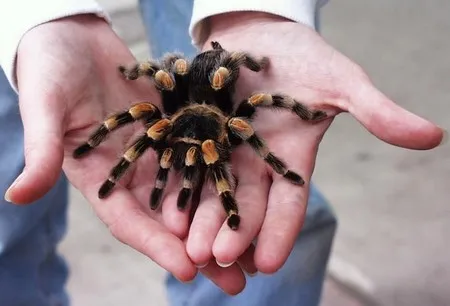
Choosing the right editing software depends on your budget and editing experience. If you’re a beginner, consider free or low-cost options such as OpenShot, DaVinci Resolve (free version), or iMovie (for Mac users). These programs offer a user-friendly interface and most of the basic features you’ll need for editing pet tarantula videos. For more advanced editing, you might consider professional software like Adobe Premiere Pro or Final Cut Pro. These programs offer more advanced tools and features. Whatever software you choose, take some time to learn the basics. The ability to trim, add transitions, insert titles, and adjust audio will improve your videos.
Sharing Your Pet Tarantula Video
Once you have your final video, it’s time to share it with the world. Select your platform carefully. YouTube is ideal for longer, more in-depth videos. Instagram and TikTok are great for short, engaging clips. (Image: tarantula-video-sharing.webp) Use relevant keywords in your video title, description, and tags. Create an eye-catching thumbnail to entice viewers to click on your video. Share your video on social media platforms and invite your friends and followers to watch and share. Interact with your audience by responding to comments and answering questions. Share your videos regularly, and be consistent to build a loyal audience. Engaging with your audience is key for long-term success.
YouTube, Instagram, and TikTok
YouTube, Instagram, and TikTok each offer different strengths for pet tarantula videos. YouTube allows for longer videos, making it suitable for tutorials, educational content, and detailed documentation of your tarantula’s life. Instagram is great for sharing short, visually appealing clips. Use it to showcase interesting behaviors or quick feeding sessions. TikTok is ideal for creating viral content. Use it to engage with the platform’s trends. Whichever platforms you choose, tailor your content to the platform’s style. Optimize your video with appropriate hashtags. Cross-promote your videos across different platforms. Your goal should be to engage and educate viewers about your tarantula.
Engaging with Your Viewers

Engaging with your viewers is crucial for building a community. Respond to comments, answer questions, and acknowledge their feedback. This demonstrates that you value your audience. Ask questions to prompt discussion, and encourage them to share their own experiences. Create a welcoming and friendly environment where viewers can learn and connect. Consider hosting live Q&A sessions or creating polls. These will help build strong relationships with your audience. Building an engaged community makes the experience more fun and rewarding. Always remember that your viewers can be invaluable to you.