Mexican Red Rump Tarantula Top 5 Facts
The Mexican Red Rump Tarantula (Brachypelma vagans) is a captivating species, popular among tarantula enthusiasts. Known for its docile temperament and striking appearance, it’s a relatively easy tarantula to care for, making it suitable for beginners. This article will delve into five key facts about this fascinating creature, providing insights into its characteristics, behavior, and care. Discover what makes the Mexican Red Rump Tarantula so unique and why it continues to be a favorite pet among arachnid lovers. From its physical traits to its feeding habits, we will explore the aspects that make this tarantula species so intriguing. Understanding these aspects will enrich your appreciation for this captivating species.
Appearance and Characteristics
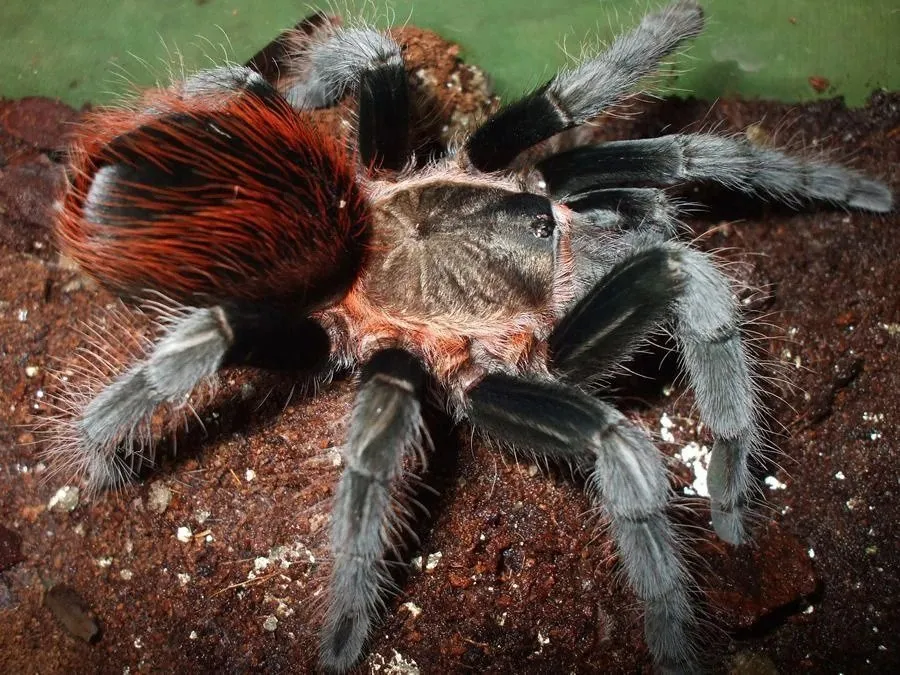
The Mexican Red Rump Tarantula’s appearance is a significant part of its appeal. This species is known for its distinctive coloration and physical traits that set it apart from other tarantulas. The combination of its size, color, and overall appearance contributes to its allure among both amateur and experienced tarantula keepers. Its visual characteristics make it easily identifiable and add to its charm as a pet. Understanding its physical traits is fundamental to appreciating this species.
Size and Physical Traits

Mexican Red Rumps are medium-sized tarantulas, with females typically reaching a leg span of up to 5-6 inches. Males are generally smaller. Their bodies are covered in dense hairs, which contribute to their overall size and appearance. The body consists of two main parts, the cephalothorax (head and thorax combined) and the abdomen. They possess eight legs and two pedipalps, which are used for sensing and manipulating objects. The size of a Mexican Red Rump allows it to be easily housed in a relatively small terrarium, adding to its convenience as a pet. They have robust bodies and powerful legs, well-suited for their burrowing lifestyle.
Coloration and Markings
The most defining feature of the Mexican Red Rump Tarantula is, of course, its vibrant coloration. The carapace (top part of the cephalothorax) is typically a dark brown or black color, while the legs exhibit a similar shade with red hairs on the abdomen, giving the tarantula its name. This striking contrast makes them visually appealing. The intensity of the red hairs can vary between individuals. The overall color scheme helps them blend into their natural environment and also makes them stand out in a collection. Their distinctive markings add significantly to their aesthetic value, making them a favorite among tarantula enthusiasts.
Habitat and Origins
Understanding the natural habitat of the Mexican Red Rump Tarantula is crucial for providing appropriate care. Knowing where they come from allows us to replicate their natural environment as closely as possible. This includes aspects like temperature, humidity, and substrate. Their origins and habitat play a vital role in their health and well-being in captivity, making it a critical piece of information for any tarantula keeper.
Natural Environment

In the wild, Mexican Red Rump Tarantulas are native to Central America, including areas of Mexico, and Central America. They are primarily terrestrial, meaning they live on the ground, often burrowing underground or seeking shelter in crevices. They prefer warm and humid environments. Their natural habitat typically includes tropical and subtropical forests, where they can find suitable prey and shelter from predators. They are nocturnal creatures, active at night, and spend their days hidden in burrows or under cover.
Geographic Distribution
The Mexican Red Rump Tarantula’s distribution spans a relatively wide range. They are most commonly found in the tropical regions of Mexico. Their presence extends into some parts of Central America. They are particularly well-adapted to habitats with moderate humidity and temperatures. The availability of suitable shelter and food sources strongly influences their distribution within these regions. Their wide distribution contributes to the species’ adaptability and survival in different environmental conditions.
Behavior and Temperament
The temperament of a Mexican Red Rump is generally considered docile. However, like all tarantulas, they can exhibit defensive behaviors when threatened. Understanding their typical behavior patterns and defensive mechanisms can help in handling and caring for them safely. It’s important to observe their behavior closely and respect their boundaries to ensure both the tarantula’s and the keeper’s well-being.
Typical Behavior Patterns

Mexican Red Rumps are typically calm and slow-moving, particularly compared to some other tarantula species. They are mostly active during the night, spending their days hiding in their burrows or under cover. They may retreat to their burrows if disturbed. They also spend time web-spinning. They are not typically aggressive and prefer to avoid confrontation. Understanding their daily behavior patterns provides important information that is helpful when observing them, and it also aids in providing the correct habitat setup for their well-being.
Defensive Mechanisms
When threatened, the Mexican Red Rump Tarantula will typically try to escape or flick urticating hairs from their abdomen. These hairs are irritating to the skin and can cause discomfort. They may also raise their front legs in a threat posture. It is rare for them to bite unless they feel severely threatened. It’s important to handle them with care and respect their space to avoid triggering these defensive behaviors. Being aware of defensive mechanisms is critical in keeping a safe handling practice.
Diet and Feeding Habits
The Mexican Red Rump Tarantula’s diet consists primarily of insects. Providing a suitable diet is essential for its health and growth. Feeding habits are relatively straightforward, making them a convenient pet. Understanding their preferred prey and feeding frequency is vital for their proper care and overall well-being.
Preferred Prey

In the wild, the Mexican Red Rump Tarantula feeds on various insects and other invertebrates, such as crickets, roaches, and worms. In captivity, they can be fed a diet of commercially available insects. Crickets and roaches are commonly used due to their availability and nutritional value. The size of the prey should be appropriate for the tarantula’s size, with smaller prey items offered to younger tarantulas and larger prey for adults. Variety in their diet helps ensure they receive a balanced intake of nutrients.
Feeding Frequency
Younger tarantulas typically need to be fed more often, perhaps once or twice a week, while adults can be fed less frequently, such as once every one or two weeks. It’s important to monitor the tarantula’s abdomen size to gauge its feeding needs. A plump abdomen indicates a well-fed tarantula, while a thin abdomen suggests the need for more frequent feeding. Remove any uneaten prey within 24 hours to prevent stress and potential hazards to the tarantula. The feeding frequency is critical for the tarantula’s growth, health, and overall well-being.
Lifespan and Life Cycle
Understanding the lifespan and life cycle of a Mexican Red Rump Tarantula is essential for any potential keeper. Knowing how long they live and the different stages of their life helps in providing optimal care. This information is also helpful for planning and preparing for the long-term responsibility of owning a tarantula.
Average Lifespan

Female Mexican Red Rump Tarantulas can live for a significant amount of time, typically 15-20 years or more under optimal conditions. Males, on the other hand, have a much shorter lifespan, often living for only 3-5 years. Their longevity makes them a long-term pet, requiring dedicated care and commitment from their keepers. The lifespan variance between males and females is a fundamental aspect of their life cycle, impacting their role in the species’ reproduction.
Molting Process
Molting is a natural process in which tarantulas shed their exoskeleton to allow for growth. During molting, the tarantula will lie on its back, and the exoskeleton will split open. This process can take several hours and is a vulnerable time for the tarantula. Do not disturb the tarantula during molting. Newly molted tarantulas have a soft exoskeleton and are very vulnerable. After molting, they will often have increased appetites as they rebuild their reserves. The molting process indicates healthy growth and development in the tarantula.
Conservation Status
The Mexican Red Rump Tarantula, while popular in the pet trade, faces challenges related to conservation. Awareness of their conservation status is important to ensure the species’ survival in the wild. Support of ethical practices in the pet trade contributes to the overall conservation efforts.
The Mexican Red Rump Tarantula, with its striking appearance and manageable temperament, continues to be a popular choice for both novice and experienced tarantula keepers. Its manageable size, relatively docile nature, and the availability of captive-bred specimens make it an excellent pet. Proper care, including appropriate housing, feeding, and environmental conditions, ensures the tarantula’s health and longevity. By understanding their key characteristics and needs, keepers can enjoy the unique experience of owning these fascinating creatures.