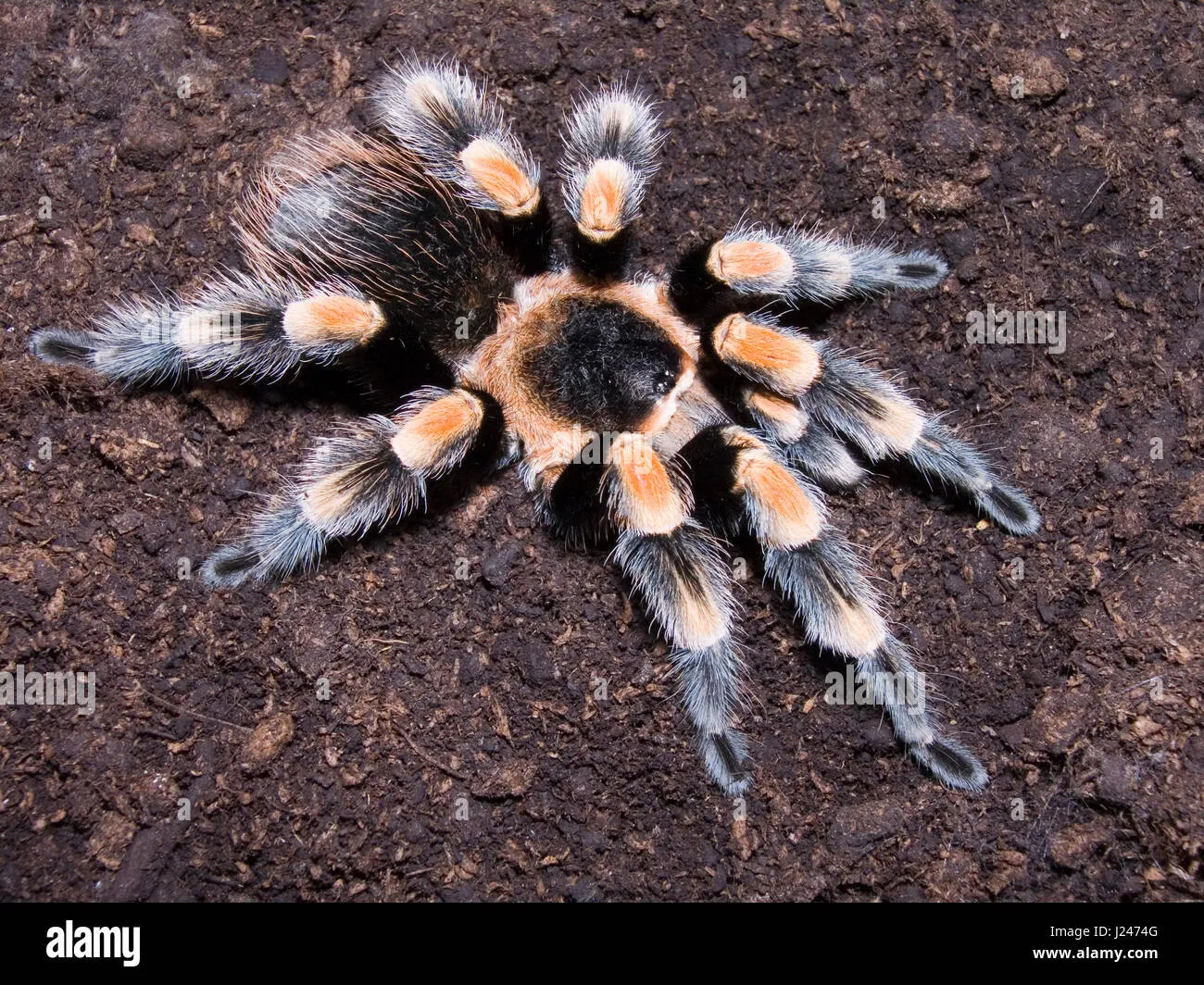
The Mexican Red Knee Tarantula, Brachypelma hamorii, is a popular and rewarding pet for those interested in invertebrates. Their striking coloration, relatively docile temperament, and manageable care requirements make them a favorite among tarantula enthusiasts. This guide provides comprehensive information on how to keep a Mexican Red Knee Tarantula healthy and happy, from choosing your tarantula to understanding its specific needs.
Choosing Your Mexican Red Knee Tarantula
The first step in keeping a Mexican Red Knee Tarantula is selecting a healthy specimen. Observe the tarantula’s behavior and appearance. A healthy tarantula should be alert, active (though tarantulas are generally not very active), and have a full abdomen. Avoid tarantulas with missing limbs, sluggish movements, or a shrunken abdomen, as these could be signs of underlying health issues or dehydration. Always look for a tarantula that appears well-fed and in good condition. The color should be vibrant and the hairs should be intact, not patchy or thinning.
Where to Buy Your Tarantula
Choosing a reputable source for your tarantula is crucial. The health and well-being of your tarantula are directly related to the conditions it was raised in. Purchasing from a trustworthy source ensures you get a healthy specimen and valuable information about its care and origins.
Reputable Breeders

Reputable breeders often specialize in tarantulas and have extensive knowledge of their care. They typically prioritize the health of their tarantulas and can provide detailed information about their lineage, age, and feeding habits. They can also offer advice and support for new keepers. Buying directly from a breeder can ensure that you receive a healthy tarantula that is accustomed to being handled, which makes the whole process less stressful for the animal and you. Many breeders also offer guarantees, in case there are any health issues with the tarantula soon after purchase.
Online Retailers
Online retailers can offer convenience and a wider selection. When choosing an online retailer, check for customer reviews and ensure they have a good reputation for shipping live animals safely. Inquire about their quarantine procedures and health guarantees. Look for retailers that provide detailed information about the tarantula’s origin and care requirements. Be prepared to provide a suitable enclosure and environment upon arrival, and remember that a healthy tarantula is worth the investment in a reliable source, which will benefit the animal’s well-being and also your experience keeping a tarantula.
Setting Up the Perfect Enclosure
The enclosure is where your Mexican Red Knee Tarantula will spend most of its life, so creating a comfortable and safe environment is essential. The enclosure setup significantly impacts the tarantula’s health, well-being, and behavior. A well-designed enclosure should mimic the tarantula’s natural habitat and provide the necessary conditions for survival. This involves the right size, substrate, humidity, and ventilation.
Enclosure Size and Type

A juvenile Mexican Red Knee Tarantula can start in a small enclosure, such as a deli cup or a small plastic terrarium. As the tarantula grows, you will need to upgrade to a larger enclosure. A good rule of thumb is to provide an enclosure that is at least three times the tarantula’s leg span in width. The height of the enclosure should be sufficient to allow for the tarantula’s burrowing behavior and to prevent falls. Ensure that the enclosure has a secure lid to prevent escapes. Consider a front-opening enclosure, which can be easier for access and maintenance. Always prioritize ventilation, which is critical in maintaining good conditions.
Substrate Selection
The substrate is the bedding material at the bottom of the enclosure, and it plays a crucial role in maintaining humidity, providing a burrowing medium, and offering the tarantula a sense of security. A suitable substrate for Mexican Red Knee Tarantulas is a mix of coconut fiber, peat moss, and a bit of vermiculite. This mixture holds moisture well, allows for burrowing, and maintains the proper humidity levels. The substrate should be deep enough to allow the tarantula to burrow, typically 3-6 inches, depending on the size of the tarantula and enclosure. Avoid substrates that are dusty or can easily trap the tarantula’s legs, which can cause injury.
Humidity and Ventilation
Mexican Red Knee Tarantulas thrive in a moderate humidity environment, typically between 60-70%. You can monitor humidity using a hygrometer. To maintain humidity, mist the enclosure lightly with water every few days, taking care not to oversaturate the substrate. Good ventilation is also crucial to prevent mold and mildew growth. Ensure the enclosure has adequate ventilation holes or a screened top. Proper ventilation also prevents the buildup of harmful gases and maintains the air quality within the enclosure, which is essential for the tarantula’s respiratory health.
Creating a Suitable Environment

In addition to the basic enclosure elements, providing some décor can enrich the tarantula’s environment. Include a water dish with fresh, clean water at all times. Add a hide, such as a piece of cork bark or a half-log, to provide a secure retreat where the tarantula can hide and feel safe. Live or artificial plants can also add enrichment and help maintain humidity. Avoid sharp objects or anything that could potentially injure the tarantula. When arranging the décor, ensure there is enough space for the tarantula to move around comfortably and to easily access its water and hide.
Temperature Requirements
Mexican Red Knee Tarantulas are ectothermic, meaning they rely on their environment to regulate their body temperature. The ideal temperature range for a Mexican Red Knee Tarantula is between 75-85°F (24-29°C). In most homes, this temperature range can be maintained without additional heating. However, if your home is consistently cooler, you may need to use a low-wattage heat lamp or a heat mat attached to the side of the enclosure. Always monitor the temperature with a thermometer to ensure it stays within the recommended range. Avoid placing the enclosure in direct sunlight or near heat sources that could overheat the environment.
Feeding Your Tarantula
Feeding is a critical aspect of tarantula care, as it directly impacts their health and growth. Providing the right food and feeding frequency ensures your Mexican Red Knee Tarantula receives the necessary nutrients to thrive. The diet should match the tarantula’s size, as a growing juvenile has different needs from a mature adult.
What to Feed

The primary diet for Mexican Red Knee Tarantulas consists of insects. Crickets, mealworms, and Dubia roaches are all suitable food options. It’s essential to provide a variety of insects to ensure a balanced diet. Always gut-load the insects before feeding them to your tarantula. Gut-loading involves feeding the insects nutritious food, such as fruits, vegetables, and commercially available cricket food, at least 24 hours before feeding them to your tarantula. This enhances the nutritional value of the meal. Avoid feeding your tarantula insects that have been exposed to pesticides or chemicals.
Feeding Frequency
The feeding frequency depends on the tarantula’s age and size. Spiderlings and juveniles should be fed more frequently, typically every other day or every three days. Adults can be fed less frequently, about once a week or every two weeks, depending on their appetite and condition. Always remove uneaten food from the enclosure within 24 hours to prevent mold and mites. If the tarantula refuses to eat, it could be a sign of an impending molt or environmental stress. Don’t overfeed, as this can lead to a refusal to eat or other health complications.
Watering Your Tarantula
Fresh water is essential for your tarantula’s health. Provide a shallow water dish with fresh, clean water at all times. The water dish should be small enough to prevent the tarantula from drowning. For spiderlings, a water dish can be replaced with a small bottle cap or a cotton ball saturated with water. Change the water regularly, at least once a week, to prevent bacteria growth. Occasionally, you may notice your tarantula drinking from the water dish, demonstrating the importance of readily available water.
Handling and Safety

Mexican Red Knee Tarantulas are generally considered docile, but they can still bite if they feel threatened or startled. It’s best to minimize handling, and when you do handle them, always prioritize your safety and the tarantula’s well-being. Respecting their boundaries and understanding their behavior is crucial.
Handling Guidelines
If you choose to handle your tarantula, do so cautiously and deliberately. Avoid sudden movements or actions that could startle the tarantula. Always handle the tarantula close to the ground or a soft surface, in case it falls. Never force the tarantula to be handled; if it shows any signs of stress, such as raising its front legs or flicking hairs, put it back in its enclosure immediately. Wash your hands thoroughly before and after handling your tarantula. Always supervise children when they are near the tarantula.
Recognizing Stress Signals
Knowing how to recognize stress signals in your tarantula can prevent bites and ensure its safety. Common signs of stress include the tarantula raising its front legs, flicking hairs from its abdomen, or attempting to flee. If the tarantula displays any of these behaviors, it’s a clear sign that it is feeling threatened or uncomfortable. It is best to leave it alone and allow it to retreat to its enclosure. Never handle a tarantula if it shows signs of stress. Give it time to calm down and remove anything that might be causing the stress.
Understanding Molting

Molting is a natural process in which tarantulas shed their exoskeleton to grow and replace damaged or worn body parts. Understanding the molting process and knowing how to care for your tarantula during this time is essential for its well-being.
Molting Process Explained
Before molting, a tarantula may become less active and may refuse to eat. It may also spend more time in its burrow or hiding place. The tarantula will lie on its back, and the exoskeleton will split open. The tarantula will then slowly pull itself out of its old exoskeleton. The process can take several hours. After molting, the tarantula’s new exoskeleton is soft and vulnerable. The tarantula will be very pale and will need time to harden its new exoskeleton.
Post-Molting Care
During and after molting, it is crucial to avoid disturbing the tarantula. Do not attempt to handle the tarantula until its exoskeleton has hardened, which can take several days or weeks. Provide extra humidity to help the exoskeleton harden properly. Offer food a week or so after molting. Be patient, and allow the tarantula to settle into its new exoskeleton. Do not feed the tarantula until the fangs have hardened, which can take a few days.
Common Health Issues and Solutions
While Mexican Red Knee Tarantulas are relatively hardy, they can still experience health issues. Recognizing these potential issues and taking preventative measures can help ensure your tarantula remains healthy and lives a long life.
Preventative Measures
Maintaining a clean and appropriate environment is the best way to prevent health problems. This includes providing fresh water, proper humidity and temperature, and a clean substrate. Regularly remove uneaten food and any waste from the enclosure to prevent the growth of mold and mites. Ensure that the enclosure is adequately ventilated to prevent the buildup of harmful gases. Quarantine new tarantulas or insects before introducing them to your existing collection to avoid the spread of diseases or parasites. Regularly inspect the tarantula for any signs of health issues, and be prepared to consult with a veterinarian experienced in exotic animals if you notice anything unusual.
Identifying and Addressing Problems
Common health issues include mites, fungal infections, and dehydration. Mites can often be identified by tiny, moving specks on the tarantula or in the enclosure. If you suspect mites, you can try to remove them by carefully cleaning the enclosure and replacing the substrate. Fungal infections can occur if the humidity is too high or if the enclosure is not well-ventilated. Symptoms may include discoloration or lesions on the tarantula. Dehydration can occur if the tarantula does not have access to fresh water or if the humidity is too low. Signs of dehydration include a shrunken abdomen and sluggish behavior. If you notice any of these problems, consult a veterinarian with experience in invertebrates. Early detection and treatment are key to resolving health issues.
Keeping a Mexican Red Knee Tarantula can be a rewarding experience for any exotic pet enthusiast. By following these guidelines, you can ensure that your tarantula thrives in a healthy and stimulating environment. Remember that patience, observation, and consistent care are key to successfully keeping a Mexican Red Knee Tarantula. Enjoy the fascinating world of tarantulas!