Understanding the Mexican Red Knee Tarantula’s Web
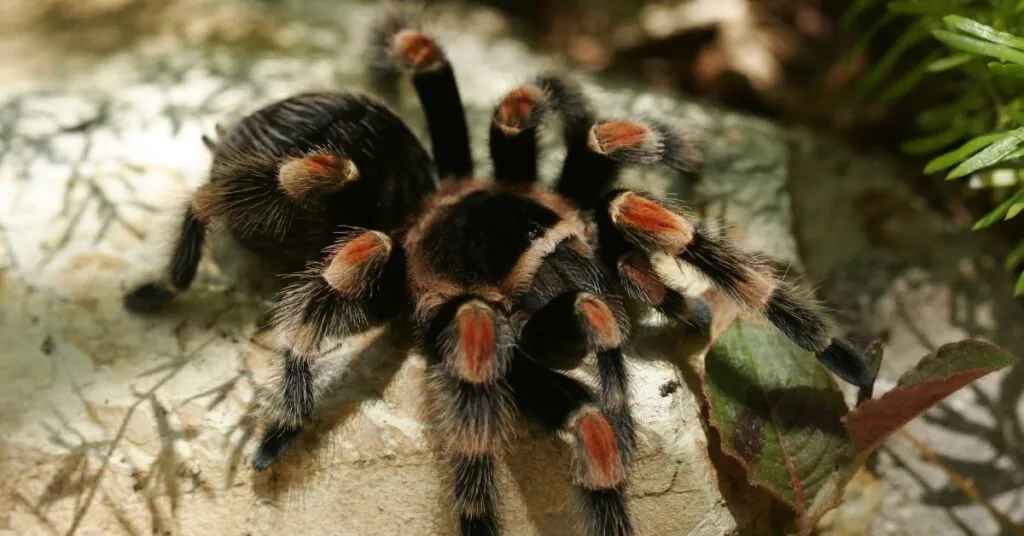
The Mexican Red Knee Tarantula, Brachypelma hamorii, is a captivating creature, and understanding its behavior is key to providing optimal care. One fascinating aspect of their behavior is web-spinning. While not as elaborate as some spiders, the Mexican Red Knee Tarantula uses silk for several crucial purposes. This article unveils the secrets of caring for your Mexican Red Knee Tarantula, focusing on its web and overall well-being. We will explore the importance of the web, its role in their environment, and how to recreate a suitable habitat. This knowledge will help you provide the best possible environment for your pet tarantula, ensuring its health and happiness.
Why Tarantulas Web
Tarantulas, including the Mexican Red Knee, spin silk for several essential purposes, even though their webs are not as intricate as those of web-weaving spiders. The silk is produced by spinnerets located at the end of their abdomen. This silk is incredibly versatile, used for shelter, molting, and prey capture. Understanding these functions is vital for providing the right environment for your tarantula. By observing their webbing, you can gain insights into their well-being and adjust their care accordingly. The silk acts as a lifeline for your tarantula, ensuring their survival and comfort within their enclosure.
Webbing for Shelter

Mexican Red Knee Tarantulas often use their silk to create a cozy burrow or retreat within their enclosure. This webbing helps stabilize the substrate and provides a sense of security. It’s like building a den for themselves. The tarantula will often line its burrow with silk, creating a soft, protective environment. This shelter is critical for their well-being, allowing them to feel safe from predators and environmental stressors. A well-webbed burrow is a sign of a contented tarantula, indicating that its basic needs are being met and that it feels safe and secure within its environment.
Webbing for Molting
Molting is a natural process where tarantulas shed their exoskeleton to grow. Before molting, the tarantula will often create a silk mat to turn over on. This mat provides a stable surface during the vulnerable molting process. The web helps to grip the substrate, allowing the tarantula to safely maneuver during the shedding of its old exoskeleton. After molting, the new exoskeleton is soft and vulnerable, the silk provides a safe space for the tarantula to recover before venturing out again. Observing the webbing patterns can help you anticipate when your tarantula is preparing to molt, allowing you to provide the optimal environment during this critical time. See tarantula molting.jpg
Webbing for Prey Capture
While Mexican Red Knee Tarantulas are not web-based hunters like some spiders, they still use silk to enhance prey capture. They may lay down silk tripwires or create small webs near their burrow entrance. When prey, such as crickets or roaches, moves across these silk strands, the tarantula detects the vibrations and quickly pounces. This strategic use of silk helps them secure their food, making them more efficient hunters in their enclosure. The presence of these web strands indicates the tarantula’s hunting behavior and the setup that aids in its feeding.
Creating the Perfect Habitat

Creating the perfect habitat is crucial for the health and happiness of your Mexican Red Knee Tarantula. The environment should mimic its natural habitat as closely as possible, providing the right conditions for it to thrive. Several factors contribute to a healthy habitat, including substrate selection, humidity control, and temperature regulation. Providing the ideal enclosure will help your tarantula spin a good web and allow it to engage in other natural behaviors. A well-designed habitat isn’t just aesthetically pleasing; it is a critical component of proper care.
Substrate Selection
The substrate is the base layer of your tarantula’s enclosure and is a critical part of providing proper care. For a Mexican Red Knee Tarantula, a substrate that holds moisture well but also allows for burrowing is ideal. A good choice is a mix of coco coir and peat moss. This combination provides the right balance of moisture retention and drainage. The substrate should be deep enough, typically 4-6 inches, to allow the tarantula to burrow. Regular spot cleaning is crucial to maintain a clean and healthy environment for your pet. Avoid substrates with added chemicals or fertilizers, as these can be harmful to the tarantula. Ensure the substrate is free of any harmful additives.
Humidity Control
Maintaining the correct humidity levels is crucial for a healthy Mexican Red Knee Tarantula. This species thrives in a moderate humidity range, typically around 60-70%. Monitoring humidity can be done with a hygrometer, and adjustments can be made by misting the enclosure. Avoid over-misting, which can lead to mold growth. Ensure proper ventilation to prevent excessive humidity. The substrate should be slightly moist, but not waterlogged. High humidity is especially important during molting, to help the tarantula shed its old exoskeleton. Adequate humidity supports healthy web production and helps maintain the tarantula’s overall well-being.
Temperature Regulation

Temperature plays a significant role in the health and activity of your Mexican Red Knee Tarantula. The ideal temperature range is typically between 75-85°F (24-29°C). Maintaining a consistent temperature helps ensure the tarantula is active and eating. A heat source, such as a heat mat placed on the side of the enclosure, can be used if needed, but direct heat sources should be avoided to prevent overheating. Ensure that the temperature doesn’t fluctuate excessively. Regularly check the temperature with a reliable thermometer. Proper temperature regulation supports the tarantula’s metabolism and helps it thrive in its habitat.
Feeding and Hydration
Providing proper nutrition and hydration is essential for your Mexican Red Knee Tarantula’s health and web-spinning ability. This involves choosing the right food and ensuring a constant water source. A well-fed tarantula is a healthy tarantula, and a healthy tarantula is more likely to produce a strong, robust web. A lack of food or hydration can lead to stress and health problems. Providing the proper nutrients helps the tarantula build its web and shed its skin successfully during molting. A healthy diet contributes to a healthy and happy tarantula, enabling it to display its natural behaviors and spin its web with ease. See tarantula feeding.jpg
Appropriate Food Choices
The Mexican Red Knee Tarantula is an opportunistic predator, primarily feeding on insects in the wild. In captivity, a diet of appropriately sized insects is vital. Crickets, roaches, and mealworms are all good options. The insects should be gut-loaded with nutritious food before being fed to the tarantula. Feed your tarantula regularly, typically once or twice a week, adjusting the frequency based on its size and appetite. Overfeeding should be avoided, as it can lead to health problems. Provide a variety of insects to ensure a balanced diet for your tarantula. The food should be slightly smaller than the tarantula’s abdomen.
Water Source

Clean, fresh water is essential for your tarantula. Provide a shallow water dish in the enclosure. The dish should be shallow enough to prevent drowning, but large enough for the tarantula to drink from. Change the water regularly to prevent the build-up of bacteria and keep it fresh. The dish should always be available, ensuring your tarantula has constant access to water. Consider adding a small sponge or gravel to the water dish to prevent the tarantula from drowning. Proper hydration supports all bodily functions, including web production, molting, and overall health. See tarantula water dish.jpg
Essential Care Tips
Aside from the basic requirements of food, water, and habitat, there are some essential care tips to keep your Mexican Red Knee Tarantula healthy. These include regular cleaning, avoiding harsh handling, and recognizing potential health problems. Following these tips will go a long way in ensuring your tarantula lives a long and healthy life. A dedicated tarantula owner pays close attention to the tarantula’s environment, appearance, and behavior, proactively addressing any signs of distress. Proper care translates to a happy tarantula, making it more enjoyable to own and observe.
Regular Enclosure Cleaning
Regularly cleaning the enclosure is crucial for maintaining a healthy environment. Spot clean the enclosure weekly, removing any uneaten food and waste. Complete substrate changes every 6-12 months, depending on the size of the enclosure. Avoid the use of harsh chemicals or cleaning agents. Replace the substrate as needed, ensuring that all waste is removed. A clean enclosure reduces the risk of bacterial and fungal infections, keeping your tarantula healthy. The combination of good hygiene and a clean habitat supports the longevity and well-being of the tarantula. This also helps with odor control, providing a better environment for both the tarantula and the owner.
Handling Considerations

Mexican Red Knee Tarantulas are generally docile but should still be handled with caution. Avoid handling unless necessary. Tarantulas can be startled, and a fall can be fatal. Handling should be kept to a minimum and should only be done when absolutely necessary, such as cleaning or health inspections. If you do need to handle your tarantula, do so close to the ground or over a soft surface, minimizing the risk of injury. Always wash your hands thoroughly before and after handling. It’s better to admire them from a distance; by doing so, you minimize the risk of stress or harm. See tarantula handling.jpg
Recognizing and Addressing Health Issues
Knowing how to recognize and address potential health issues is critical for tarantula care. Observing your tarantula’s behavior and appearance can help identify problems early. Some common issues include parasites, mites, and injuries. Early detection and treatment can make a significant difference in your tarantula’s health. You are the best advocate for your tarantula, so vigilance is essential in keeping it safe and healthy. A healthy tarantula is active and will spin its web readily, while a sick tarantula may show a loss of appetite, lethargy, or other unusual symptoms.
Common Health Problems
Tarantulas can suffer from a range of health problems, including mites, parasites, and injuries. Mites can be a common problem, appearing as tiny, crawling insects. Treat mites by improving the enclosure’s hygiene and possibly using mite-specific treatments. Parasites can also affect tarantulas, though they are less common. Injuries may occur from falls or other accidents. Watch for signs of illness or injury, such as loss of appetite, lethargy, or changes in behavior. Be prepared to address these health issues promptly. Early treatment can prevent minor problems from becoming severe. See tarantula health.jpg
Seeking Veterinary Assistance

If you are concerned about your tarantula’s health, do not hesitate to seek professional veterinary assistance. Not all veterinarians are experienced with exotic animals, so find a vet with experience treating tarantulas and other invertebrates. Describe the symptoms in detail to the veterinarian to facilitate diagnosis. Be prepared to provide information about the enclosure and your tarantula’s care routine. A qualified veterinarian can diagnose the problem and recommend appropriate treatment. Seeking timely veterinary care is one of the most important steps in keeping your pet tarantula healthy and ensuring its well-being.
Conclusion
Caring for a Mexican Red Knee Tarantula involves understanding its natural behaviors, including the importance of the web. By providing the proper habitat, nutrition, and care, you can create a thriving environment for your tarantula. Regular monitoring, proper humidity, and temperature control all contribute to a healthy and happy pet. Remember that the Mexican Red Knee Tarantula’s web is not just a simple structure; it is an indicator of its overall health. By paying attention to your tarantula’s behavior and habitat, you can ensure it lives a long, fulfilling life. Owning a tarantula can be a rewarding experience. Following the care guidelines will make this a pleasurable and satisfying hobby.