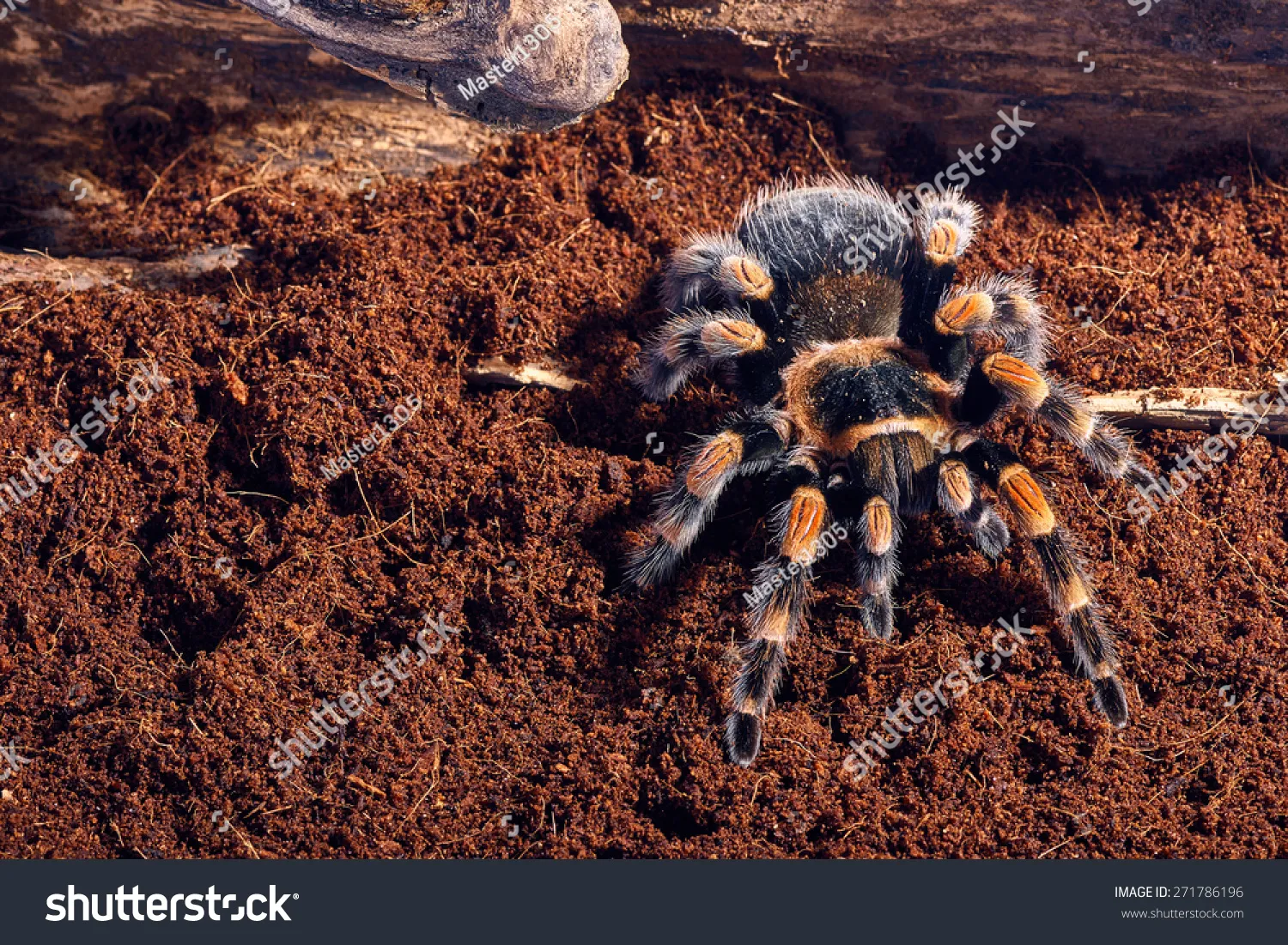
Mexican Red Knee Tarantula Adaptations 5 Key Facts
The Mexican Red Knee Tarantula (Brachypelma hamorii) is a captivating creature, renowned for its striking red and black markings and relatively docile temperament. Native to the arid scrublands and tropical forests of the Pacific coast of Mexico, this tarantula has evolved a remarkable set of adaptations that enable it to thrive in its challenging environment. These adaptations are crucial for survival, allowing it to evade predators, capture prey, and conserve resources. Understanding these fascinating traits offers a glimpse into the intricate relationship between the tarantula and its habitat. This article delves into the top 5 crucial adaptations that make the Mexican Red Knee Tarantula a successful species, revealing the secrets behind its resilience and longevity.
Camouflage and Coloration
One of the most visually striking adaptations of the Mexican Red Knee Tarantula is its coloration. The bold black and red bands on its legs and carapace serve a crucial purpose in its survival strategy. This coloration helps the tarantula blend seamlessly with its surroundings, particularly the dry leaf litter and rocky terrain of its natural habitat. The contrasting colors can also disrupt the tarantula’s outline, making it harder for predators like birds, snakes, and larger mammals to spot. This form of camouflage, known as disruptive coloration, is a highly effective method of predator avoidance, allowing the tarantula to remain hidden while it hunts or rests. The ability to blend into the environment provides a significant advantage, increasing its chances of survival in a world filled with potential threats. Consider how the vibrant colors of the Red Knee mirror the hues of its natural environment.
Blending into the Environment

The Mexican Red Knee Tarantula’s ability to blend into its surroundings is further enhanced by its behavior. It often chooses to reside in burrows or under rocks, where the combination of its coloration and the surrounding environment provides optimal camouflage. The tarantula will also remain relatively still when threatened, relying on its cryptic coloration to avoid detection. This behavior, coupled with its striking patterns, makes it remarkably difficult to spot in its natural habitat. The overall effect is a highly effective defense mechanism, minimizing the risk of predation and allowing the tarantula to thrive in its environment. The tarantula’s existence is a testament to the power of natural selection and the importance of adaptation in the survival of a species. The interplay between its colors and environment showcases a masterful example of natural camouflage, and the tarantula’s survival is a direct result of these unique physical attributes.
Defensive Hairs and Irritation
Another key adaptation of the Mexican Red Knee Tarantula is its use of urticating hairs, a highly effective defense mechanism. These specialized hairs, located on the abdomen, are barbed and easily dislodged. When threatened, the tarantula flicks these hairs towards potential predators, causing intense irritation upon contact. This irritant can deter a wide range of threats, from mammals to other insects. The hairs embed themselves in the skin or eyes, causing discomfort and making the predator think twice before approaching the tarantula again. This defense mechanism is a crucial part of the tarantula’s survival strategy, allowing it to protect itself from harm without having to engage in direct combat. The use of urticating hairs is a sophisticated adaptation that has helped the Mexican Red Knee Tarantula thrive in its native habitat for millions of years. This amazing adaptation protects them from a variety of threats they may encounter during their lifetime.
The Role of Urticating Hairs
The urticating hairs serve as a primary defense mechanism. When agitated or threatened, the tarantula will use its hind legs to flick these hairs towards the perceived danger. The hairs, which are covered in microscopic barbs, become embedded in the skin or mucous membranes of the attacker. This causes intense itching, burning, and irritation, making the predator want to avoid the tarantula. The effectiveness of these hairs lies in their ability to cause immediate discomfort, providing the tarantula with valuable time to escape. The urticating hairs act as a first line of defense, and significantly reduce the risk of injury from potential predators. This strategy is incredibly efficient, enabling the tarantula to defend itself against threats without having to risk injury from direct combat. The urticating hairs demonstrate the tarantula’s ingenious way of surviving in a world filled with predators.
Molting Process and Growth

Like all arthropods, the Mexican Red Knee Tarantula has an exoskeleton that does not grow with the animal. To grow larger, the tarantula must shed its exoskeleton, a process known as molting. This is a crucial adaptation, allowing it to increase in size as it matures. During molting, the tarantula creates a new, larger exoskeleton underneath the old one. The tarantula then sheds the old exoskeleton, leaving the new, larger one exposed. This process leaves the tarantula vulnerable, as its new exoskeleton is soft and delicate. The tarantula will often hide during this time, protecting itself from predators until its new exoskeleton hardens. The molting process is an essential part of the tarantula’s life cycle, enabling it to grow and thrive over many years. The process of molting is, therefore, essential for their survival.
Shedding Exoskeletons
The act of shedding the exoskeleton is a remarkable feat of biological engineering. The tarantula carefully prepares for molting by secreting enzymes to separate its old exoskeleton from its underlying tissues. Then, it will split its exoskeleton, typically along the carapace (the top part of the body), and slowly crawl out of its old shell. This process can take several hours, and the tarantula is extremely vulnerable during this time. The new exoskeleton, initially soft and pliable, gradually hardens over several days, providing protection as it grows. The shed exoskeleton, or exuviae, provides valuable information about the tarantula’s health and growth. The molting process is, therefore, an indication of its well-being and overall life cycle. This is an example of a fascinating, yet essential, adaptation.
Feeding Strategies and Venom
The Mexican Red Knee Tarantula is a skilled predator, its hunting strategies and venom being another critical adaptation. They are opportunistic hunters, primarily feeding on insects, but also consuming small vertebrates like lizards and even small rodents. The tarantula typically waits in ambush, using its excellent sensory organs to detect the vibrations of potential prey. Once a target is located, the tarantula swiftly pounces, injecting venom through its fangs. The venom paralyzes the prey, and also begins the digestive process by breaking down the prey’s tissues. The tarantula then uses its chelicerae (mouthparts) to grind the prey, feeding on the resulting liquid. This feeding strategy, along with the efficient venom, is a highly effective way to obtain the necessary nutrients for survival and growth. The predatory prowess of these tarantulas is a testament to their adaptation and survival mechanisms.
Hunting and Prey Capture

The tarantula’s hunting strategy relies on a combination of patience, stealth, and precise execution. They are primarily ambush predators, waiting patiently for prey to come within striking distance. The tarantula uses its sensory hairs, located on its legs and body, to detect vibrations in the ground, indicating the presence of potential prey. Once a target is identified, the tarantula swiftly moves to the prey, using its powerful legs to pounce and subdue its victim. The venom, injected through the fangs, acts quickly to paralyze the prey, allowing the tarantula to safely consume its meal. The tarantula’s hunting prowess is a finely-tuned adaptation, ensuring it can efficiently acquire the nutrients it needs to survive. This specialized hunting strategy helps to make them a successful species.
Water Conservation and Adaptation
Living in arid environments, the Mexican Red Knee Tarantula has adapted to conserve water efficiently. They obtain moisture from their prey and absorb water from their surroundings, such as dew or condensation. Their exoskeleton also plays a key role in minimizing water loss by preventing excessive evaporation. These adaptations are crucial for survival in the dry climate. The tarantula’s ability to retain water is essential to its survival. This adaptation is a testament to the tarantula’s resilience, and the way in which it survives in its habitat. The mechanisms and processes that the tarantula uses to maintain its internal environment are critical to its survival.
Efficient Water Management
The Mexican Red Knee Tarantula employs several strategies to conserve water. They have a relatively low metabolic rate, which reduces the amount of water needed to sustain their bodily functions. Their exoskeleton also plays a key role, acting as a barrier to prevent water loss through evaporation. The tarantulas are also able to extract moisture from their food. The tarantula’s behavior also influences water conservation. They tend to be most active during the cooler, more humid times of the day and night. The tarantula’s physiology and behavior are all adapted to minimize water loss and to survive in an arid environment. They have evolved to become highly efficient in water management. They are, therefore, well suited to their native habitat.
In conclusion, the Mexican Red Knee Tarantula’s adaptations are a testament to the power of natural selection. From camouflage and defensive hairs to efficient water conservation and specialized hunting strategies, these traits have allowed this tarantula to thrive in its challenging environment. Understanding these adaptations provides a deeper appreciation for this fascinating creature and highlights the importance of biodiversity and the intricate relationships within ecosystems. The Mexican Red Knee Tarantula remains a captivating example of how species adapt and evolve to ensure survival in the face of environmental challenges.