Mexican Beauty Tarantula For Sale Top 5 Care Tips
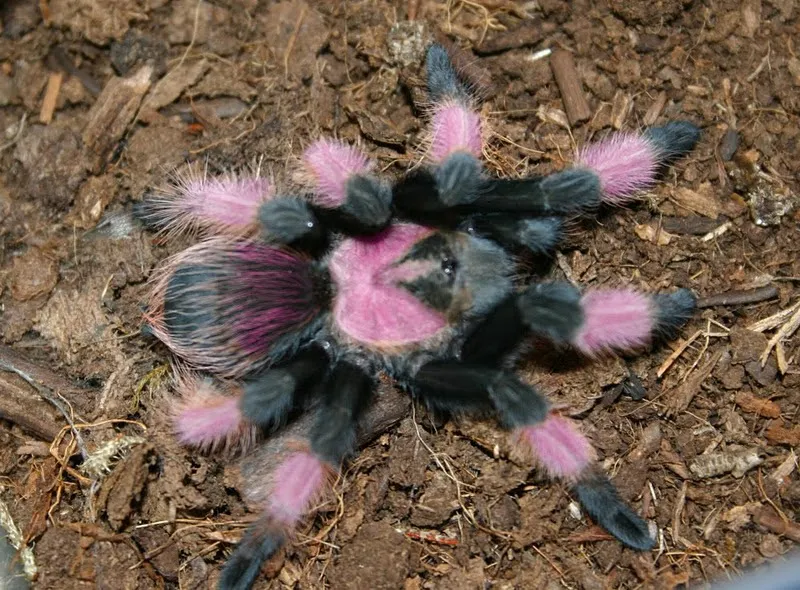
The Mexican Beauty Tarantula, also known as Brachypelma vagans, is a popular pet due to its relatively docile nature and striking appearance. These spiders, with their dark bodies and vibrant orange or red hairs, make a fascinating addition to any home. If you are considering purchasing a Mexican Beauty Tarantula for sale, it’s important to understand their specific care requirements. This guide provides the top five essential care tips to ensure your tarantula thrives, promoting a long and healthy life for your eight-legged friend. Proper care not only benefits the tarantula but also makes ownership a more rewarding experience.
Habitat Setup
Creating the right habitat is crucial for your Mexican Beauty Tarantula’s well-being. They are terrestrial spiders and spend most of their time on the ground. A well-designed enclosure mimics their natural environment, providing security and comfort. The goal is to create a space where your tarantula feels safe and can engage in natural behaviors, such as burrowing or hiding. Proper habitat setup is the foundation of tarantula care, setting the stage for a healthy and happy spider. Consider this as the first and most important step when you acquire a Mexican Beauty Tarantula for sale.
Enclosure Size

Choose an enclosure that is appropriately sized for your tarantula. A general rule is to provide an enclosure that is at least twice the tarantula’s leg span in width and length, and the height should be enough for it to stand upright without touching the top. A juvenile Mexican Beauty Tarantula can be housed in a smaller enclosure, such as a deli cup or a small plastic container, but as it grows, it will need an upgrade. An adult Mexican Beauty Tarantula typically thrives in a 10-20 gallon tank. This ensures ample space for movement and exploration, reducing stress and promoting healthy molting.
Substrate Selection
The substrate is the bedding material that lines the bottom of the enclosure. The substrate serves several purposes it absorbs waste, helps maintain humidity, and provides a surface for the tarantula to burrow. Good choices include a mix of peat moss, coconut fiber (coco coir), and a small amount of vermiculite or sphagnum moss. Avoid using cedar or pine shavings as they can be toxic to tarantulas. The substrate should be deep enough (at least 4-6 inches) to allow your tarantula to burrow if it chooses. A proper substrate setup will also help regulate the humidity levels which is vital for the tarantula’s health.
Temperature and Humidity
Mexican Beauty Tarantulas thrive in a warm, humid environment. The ideal temperature range is between 75-85°F (24-29°C). You can use a heat lamp or a heat mat placed on the side of the enclosure to maintain the correct temperature. Always monitor the temperature with a thermometer. Humidity should be kept at around 60-70%. You can achieve this by misting the enclosure with water every few days, but avoid over-misting, which can lead to mold growth. Ensure good ventilation to prevent the buildup of stagnant air while maintaining the right humidity level. Regular monitoring and adjustments are key to providing the optimal environment.
Feeding Your Tarantula

Feeding your Mexican Beauty Tarantula correctly is crucial for its health and growth. Tarantulas are opportunistic eaters and will consume a variety of insects. Understanding their dietary needs helps ensure your tarantula receives the necessary nutrients to thrive. A well-fed tarantula is more likely to molt successfully and exhibit vibrant colors. Knowing what, how much, and how often to feed are essential aspects of responsible tarantula ownership. Remember to remove any uneaten prey within 24 hours to prevent stress for the tarantula and to avoid potential mold or mite problems.
What to Feed
The primary diet of a Mexican Beauty Tarantula consists of insects. Good options include crickets, mealworms, super worms, and roaches. Varying the diet provides a balanced intake of nutrients. Always ensure that the insects are gut-loaded before feeding them to your tarantula. Gut-loading involves feeding the insects nutritious food, such as vegetables, for at least 24 hours before offering them to your tarantula. This practice ensures that your tarantula receives essential vitamins and minerals. Avoid feeding wild-caught insects, as they may carry parasites or pesticides that can harm your tarantula.
Feeding Frequency
The feeding frequency depends on the tarantula’s age and size. Spiderlings (young tarantulas) and juveniles need to be fed more frequently than adults. Spiderlings can be fed two to three times a week, while juveniles can be fed once or twice a week. Adult Mexican Beauty Tarantulas only need to be fed once every one to two weeks. Observe your tarantula’s abdomen; if it appears plump and rounded, it is well-fed. Reduce feeding if the tarantula refuses food or is about to molt. Do not overfeed your tarantula, as this can lead to health issues.
Watering and Hydration

Providing a constant supply of fresh water is essential for the health of your Mexican Beauty Tarantula. Water is critical for hydration, molting, and overall well-being. Proper hydration prevents dehydration, which can lead to serious health complications. Regularly monitoring and maintaining the water source is a simple yet vital aspect of tarantula care. This aspect often gets overlooked by novice keepers, but is a must for the spider’s survival and growth. A dehydrated tarantula can easily become ill or even die.
Providing Fresh Water
Always provide a shallow water dish filled with clean water. The dish should be shallow enough to prevent the tarantula from drowning, especially for smaller tarantulas. Replace the water regularly, at least once or twice a week, to prevent bacteria growth. You can also use a water gel product, which provides a source of hydration without the risk of drowning. Ensure that the water dish is easily accessible and placed in a stable location within the enclosure. Clean the water dish during each water change to maintain hygiene and prevent potential health issues.
Humidity Maintenance
Maintaining proper humidity is crucial for your tarantula’s health, particularly during molting. Mist the enclosure with water using a spray bottle every few days, depending on the humidity levels in your area. The frequency of misting will vary based on the environment. Always monitor the substrate; it should be moist but not soggy. Over-misting can lead to mold growth, which is harmful to the tarantula. The substrate should be allowed to dry slightly between mistings to maintain the right balance. Provide good ventilation to prevent the buildup of stagnant air and excessive humidity.
Handling and Safety

While Mexican Beauty Tarantulas are relatively docile, handling them requires caution. Understanding the potential risks and proper techniques minimizes the risk of harm to both you and the tarantula. Although these tarantulas are less prone to biting or flicking urticating hairs than some other species, it is important to handle them with respect and awareness. Taking the time to understand how to handle these animals safely can enhance your ownership experience. Always approach handling with a calm and cautious mindset, prioritizing the well-being of the tarantula.
When to Handle
Limit handling to necessary situations, such as cleaning the enclosure or health checks. Avoid handling your tarantula if it is about to molt, as this can cause stress and potential injury. Similarly, avoid handling a tarantula immediately after it has molted. Handling can be stressful for tarantulas, so it should be kept to a minimum. Observe your tarantula’s behavior; if it appears agitated or defensive, it is best to leave it undisturbed. Only handle your tarantula when it is calm, and you have the time and appropriate environment to do so.
Safety Precautions
If you choose to handle your tarantula, do so over a soft surface, such as a bed or carpet, to prevent injury if it falls. Handle the tarantula gently, and avoid quick or jerky movements. Always wash your hands before and after handling your tarantula. Be aware that some tarantulas have urticating hairs that can cause skin irritation; avoid touching your face or eyes after handling. Never force your tarantula to be handled; respect its boundaries and body language. Always be cautious and mindful of the tarantula’s reactions during handling.
Health and Maintenance

Regularly monitoring your Mexican Beauty Tarantula’s health and maintaining its enclosure is essential for a long and healthy life. Understanding how to recognize signs of illness and maintaining a clean environment will help prevent potential problems. Proactive care will help you quickly address any health issues and ensure your tarantula remains in excellent condition. A healthy tarantula is a happy tarantula; so dedicate time to observe, monitor, and maintain optimal health standards.
Recognizing Health Issues
Learn to recognize signs of illness. Common symptoms include lethargy, loss of appetite, and difficulty molting. If your tarantula refuses to eat for an extended period, consult a veterinarian. Check for mites, which can be visible as tiny white or red dots on the tarantula’s body. If you suspect an illness or see any signs of mites, quarantine the tarantula and seek advice from an experienced tarantula keeper or a veterinarian familiar with exotic animals. Observe your tarantula regularly to notice any behavioral or physical changes that may indicate a health problem.
Regular Tank Cleaning
Regularly clean the enclosure to prevent the buildup of waste and potential health issues. Spot-clean the enclosure weekly, removing any uneaten food, feces, and molted skin. Replace the substrate every few months or as needed, depending on the size of the enclosure and the amount of waste produced. Clean the water dish regularly and ensure that the enclosure is free of mold and other contaminants. A clean environment is essential for the health and well-being of your Mexican Beauty Tarantula. Maintaining good hygiene within the enclosure is a must.
By following these top 5 care tips, you can ensure your Mexican Beauty Tarantula thrives in its environment. From setting up the perfect habitat to proper feeding, watering, handling, and health maintenance, your care will directly impact your tarantula’s well-being and longevity. Buying a Mexican Beauty Tarantula for sale can be an exciting experience; however, the responsibility of ownership is not to be taken lightly. With the proper knowledge and commitment, you can enjoy a rewarding experience of owning these incredible creatures. Providing a comfortable and safe environment is key to enjoying the beauty and wonder of a Mexican Beauty Tarantula.