The Mexican Red Knee Tarantula: An Overview
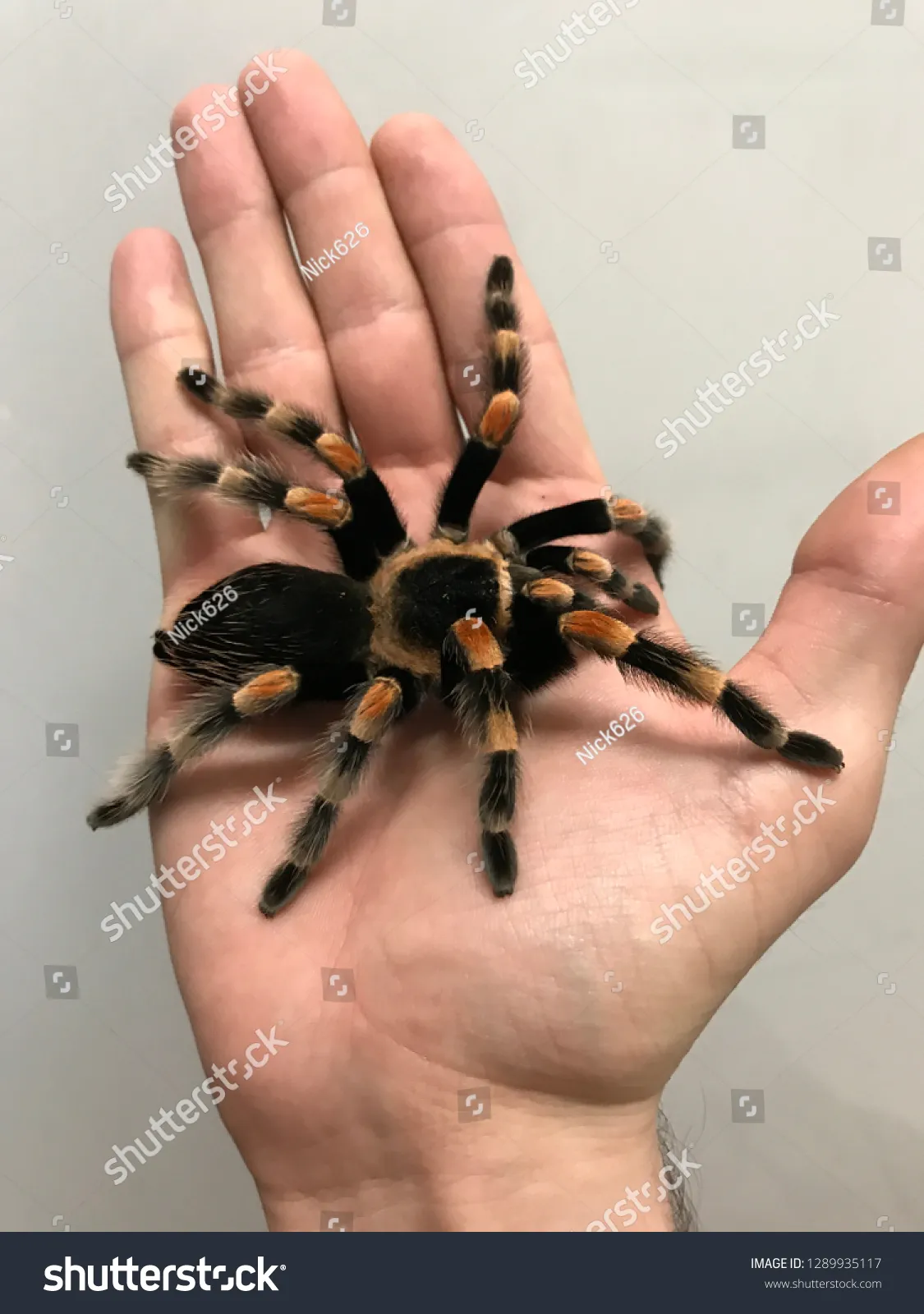
The Mexican Red Knee Tarantula ( Brachypelma hamorii ), a captivating species within the tarantula family, is a popular choice among arachnid enthusiasts. Native to the arid scrublands and deserts of the Pacific coast of Mexico, these spiders are known for their striking coloration and relatively docile temperament. Their longevity and manageable size also contribute to their appeal as pets. But, one of the most common question is about the Mexican red knee tarantula max size. Understanding their growth and the factors that influence it is crucial for providing proper care and ensuring a thriving pet. This article will explore the key aspects of their size, growth, and overall well-being.
What Influences Tarantula Size
Several factors play a significant role in determining the final size of a Mexican Red Knee Tarantula. These influences can be categorized into internal and external forces. Genetics, for example, provides the basic blueprint for the potential size range. The availability of resources, such as food and water, and the environmental conditions also have a huge impact on growth. Understanding these influences can help owners optimize the conditions for their tarantula’s development, leading to a healthier and potentially larger specimen. These factors collectively shape the growth trajectory of a Mexican Red Knee Tarantula, affecting their size and overall health.
Genetics and Size

Genetics is the foundation for a tarantula’s size potential. Like all living organisms, the Mexican Red Knee Tarantula inherits genetic information from its parents. This genetic makeup sets the upper and lower limits of its eventual size. Some tarantulas may be predisposed to be larger than others, even within the same species, based on their lineage. Selective breeding, although not widely practiced with these tarantulas, could potentially influence size over generations. The genetic influences, coupled with other environmental variables, ultimately determine the tarantula’s size throughout its life cycle. Careful breeding practices, and preserving the genetic diversity of the species is very important.
Diet and Nutrition Impacts
Nutrition is a critical element in the growth of a Mexican Red Knee Tarantula. A tarantula’s diet directly impacts its size. A diet rich in essential nutrients, including proteins, carbohydrates, and fats, is necessary for optimal growth. Regularly feeding a tarantula with appropriately sized insects, such as crickets, roaches, or mealworms, is crucial. Overfeeding can potentially lead to a larger size, although it is important to avoid obesity. On the other hand, underfeeding or a poor diet can stunt growth. The frequency and quantity of feeding must be adjusted based on the tarantula’s age, molting stage, and overall health, ensuring that the nutritional needs are adequately met to maximize their size potential.
Environmental Factors and Their Effects
Environmental factors also play a key role in the development of a Mexican Red Knee Tarantula. Temperature and humidity levels within the enclosure can significantly affect the tarantula’s metabolism, molting cycles, and ultimately, its size. Consistent, suitable temperatures help to regulate the metabolic rate, promoting healthy growth. Similarly, maintaining the correct humidity levels is essential for molting. Insufficient humidity may cause the tarantula to struggle during molting, potentially leading to deformities or stunted growth. A clean and stress-free environment is also vital for overall health, which in turn supports growth. A well-maintained environment optimizes these conditions, contributing to the tarantula’s ability to reach its maximum size.
How Big is Big: Maximum Size

The size of a Mexican Red Knee Tarantula can vary. Generally, females are larger than males, with a leg span that can reach up to 6 inches (15 cm) or more. Males typically have a leg span of around 4-5 inches (10-13 cm). However, these measurements are approximate and can vary depending on individual tarantula, their lineage, and the environmental factors mentioned. The size is measured using the leg span, which is the distance from the tip of one leg to the tip of the opposite leg, when the tarantula is at rest. Recognizing the differences in size can help owners gauge their tarantula’s health and understand its stage of development.
Female vs. Male Size Differences
Sexual dimorphism, or the difference in size and appearance between males and females, is a key characteristic of Mexican Red Knee Tarantulas. Females are typically larger and bulkier than males, a trait that is particularly noticeable as they mature. This size difference is largely due to the females’ reproductive roles. They need a larger body size to carry and produce eggs. Males tend to be smaller and more slender, with longer legs relative to their body size, which helps them to find mates. The size difference becomes more obvious as the tarantulas grow, and this difference is a useful way to differentiate between the sexes, along with other physical traits like the presence of mating hooks on the male’s front legs.
Measuring Techniques and Accuracy
The most common method for measuring the size of a tarantula is to measure its leg span. This is achieved by gently coaxing the tarantula onto a flat surface and measuring the distance from the tip of one leg to the tip of the opposite leg. Accuracy in measurement is critical for monitoring the tarantula’s growth and health. Care should be taken not to stress or harm the tarantula during this process. While measuring leg span is the most used method, it’s important to remember that these measurements can be approximate. The size of the tarantula can also be affected by its posture and the way it is positioned during measurement. Regular measurements, along with careful observation of the tarantula’s behavior, are essential for proper care.
Growth Stages and Molting

Mexican Red Knee Tarantulas grow through a process called molting, where they shed their exoskeletons. This process is essential for growth and also helps the tarantula to regenerate lost limbs. The frequency of molting decreases as the tarantula ages. The molting process is a critical period in a tarantula’s life, during which it is particularly vulnerable. Understanding the different stages of growth and molting helps owners in providing the correct care, ensuring the tarantula thrives.
The Molting Process and Its Role
Molting is a complex physiological process where the tarantula sheds its old exoskeleton. This allows the tarantula to grow. Before molting, the tarantula will typically stop eating and become less active. The new exoskeleton is formed underneath the old one. During the molt, the tarantula will lie on its back, and its exoskeleton splits open, allowing it to wriggle out. After molting, the tarantula is very soft and vulnerable. It will remain hidden until its new exoskeleton hardens. Molting also plays a role in regenerating lost limbs and removing parasites. This essential process is crucial for the growth and health of the tarantula, and understanding it is crucial for owners.
Frequency of Molting
The frequency of molting decreases as the tarantula ages. Spiderlings molt frequently, sometimes every few weeks, while adults molt much less often, perhaps once a year or even less. The molting frequency depends on various factors, including the age, diet, and environmental conditions. A tarantula’s growth rate and molting cycle are closely related. Adequate nutrition and optimal environmental conditions facilitate a healthy molting cycle, which supports the growth of the tarantula. Monitoring molting frequency is a practical way to assess the health of the tarantula and also to adjust care as needed.
Identifying a Healthy Tarantula

Recognizing the signs of a healthy tarantula is very important for its well-being. A healthy Mexican Red Knee Tarantula typically displays a good appetite, active behavior, and vibrant coloration. Regular observation of the tarantula’s physical characteristics and behavior provides valuable insights into its health. Early detection of any health issues is necessary for timely intervention. Understanding the typical appearance and behavior of a healthy tarantula helps owners quickly identify any potential problems, and take immediate actions.
Appearance and Physical Characteristics
A healthy Mexican Red Knee Tarantula has a shiny, well-defined exoskeleton. The coloration should be vibrant and distinct. The legs should be strong and move freely. The abdomen should be plump, indicating good nutrition. The presence of any unusual bumps, lesions, or deformities could indicate health issues. Regular checks for signs of parasites, or any other unusual physical features are key to the health monitoring. Keeping a close eye on these physical characteristics offers significant information about the tarantula’s overall health and well-being.
Behavioral Indicators of Health
A healthy tarantula typically has a good appetite and a regular feeding response. It should be active, exploring its enclosure. The tarantula should not be lethargic or display any unusual behavior. The tarantula’s posture should be normal, and there should be no signs of distress. Changes in behavior, such as a loss of appetite, inactivity, or unusual postures, may be indicators of health problems. By observing the tarantula’s behavior, owners can identify any signs of illness and seek appropriate care.
Caring for a Growing Tarantula

Providing the correct care is essential for a growing Mexican Red Knee Tarantula. This includes creating a suitable habitat, providing a balanced diet, and taking preventative measures to ensure its well-being. By following these guidelines, owners can promote the healthy growth of their tarantula, which is the goal of all tarantula owners. Understanding these requirements is essential for responsible pet ownership.
Creating the Right Habitat
A suitable habitat is very important for the health of the tarantula. The enclosure should be appropriately sized, with enough space for the tarantula to move around. A good substrate, such as coconut fiber or peat moss, should be provided to help with burrowing and humidity control. The enclosure should have a water dish for hydration and a hide for security. The temperature and humidity levels should be maintained at appropriate levels. Regular cleaning of the enclosure is also essential to prevent the build-up of waste and to maintain a clean environment, which promotes the health and well-being of the tarantula.
Feeding and Hydration Needs
Feeding a Mexican Red Knee Tarantula with appropriately sized insects, such as crickets or roaches, is essential for its growth. The feeding frequency should be adjusted according to the tarantula’s age and growth stage. Overfeeding should be avoided, as it can lead to health problems. Fresh water should always be available. Monitoring the tarantula’s feeding habits and adjusting the diet accordingly is important to ensure optimal nutrition. Providing a well-balanced diet, along with access to fresh water, supports the tarantula’s health and promotes its growth.
Preventing Stunted Growth

Several factors can stunt the growth of a Mexican Red Knee Tarantula, including a poor diet, unsuitable environmental conditions, and stress. To prevent stunted growth, owners should ensure that the tarantula receives a balanced diet and is provided with proper temperature and humidity levels. The tarantula should be housed in an appropriate size enclosure with adequate space and enrichment. Minimizing stress, by avoiding frequent handling and providing a secure environment, is also important. Regular health checks and observations can help identify and resolve potential issues before they affect the growth of the tarantula. Paying attention to all these aspects will help ensure the tarantula grows to its full potential.
In conclusion, the Mexican Red Knee Tarantula’s max size is affected by multiple factors, including genetics, diet, environment, and general care practices. With good practices, the tarantula can reach its maximum potential size. As a pet owner, you need to understand their growth stages and how to provide the best conditions. Following the guidelines can support your tarantula’s health and improve its chance to thrive.