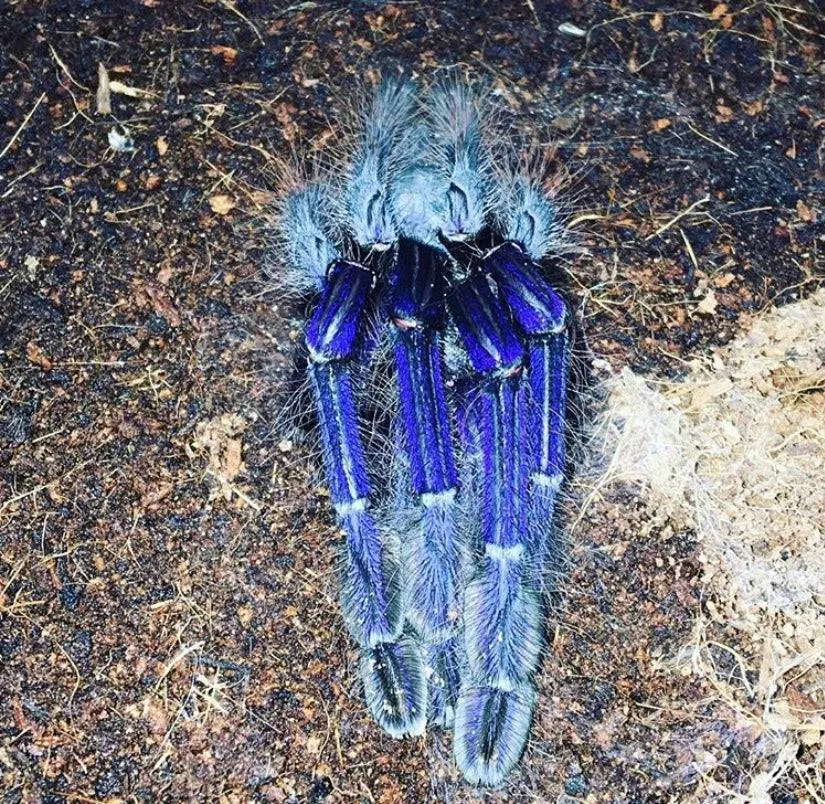
What is a Male Singapore Blue Tarantula
The Male Singapore Blue Tarantula (Cyriopagopus sp. ‘Singapore Blue’) is a striking and captivating species sought after by tarantula enthusiasts. These spiders are native to the rainforests of Singapore and are known for their vibrant blue coloration, particularly on their legs. Male Singapore Blue Tarantulas are generally smaller and more slender than their female counterparts, and their appearance and behavior differ in several key ways. Understanding these characteristics is crucial for proper care and appreciation of these fascinating creatures. They represent a unique blend of beauty and intrigue within the tarantula world, making them a prized possession for those who are prepared to meet their specific needs. Recognizing the distinctions between male and female tarantulas is essential for breeding and overall tarantula care, ensuring the well-being of these captivating arachnids.
Physical Characteristics of Male Singapore Blue Tarantulas
Size and Appearance

Male Singapore Blue Tarantulas, in contrast to females, typically exhibit a smaller overall size. While females can reach a leg span of up to 6 inches or more, males are usually considerably smaller. Their bodies tend to be less bulky, showcasing a more slender physique. The legs, the defining feature for many, exhibit a stunning blue hue, which is the most recognizable trait of this species. The cephalothorax, or the combined head and thorax, and the abdomen also display variations in color, but it is the legs that are truly spectacular. Their overall appearance is a blend of vibrant colors and a somewhat delicate build compared to the more robust females. This distinct difference in size and form is important for identification and care.
Coloration and Markings
The coloration of the Male Singapore Blue Tarantula is truly mesmerizing. The most striking feature is the vivid blue hue found on their legs, which intensifies as they mature. This blue coloration can vary in shade, influenced by factors like genetics, diet, and the environment. The carapace, or the top part of the cephalothorax, might display a metallic sheen, often with contrasting darker or lighter markings. The abdomen generally features a muted color, possibly with subtle patterns, providing a visual contrast to the bright legs. The overall aesthetic is one of elegance and brilliance. The combination of the blue legs and contrasting body colors makes this species a visual highlight. The colors are more vibrant just after a molt.
Identifying Features
Identifying a male Singapore Blue Tarantula can be achieved through several key features. One primary indicator is the presence of mating hooks or tibial hooks on their front legs. These hooks are used to hold the female’s fangs during mating. Males also possess pedipalps with bulbous ends, which they use to store sperm. These characteristics are crucial for distinguishing males from females. Additionally, the overall size and build of the tarantula can provide clues, with males typically being smaller and more slender. Inspecting these physical markers, combined with the distinct blue coloration, will help in accurate identification. Close examination under good lighting is advised, and, in some cases, comparison to photographic references is helpful.
Behavior and Temperament

Mating Behavior
The mating behavior of the Male Singapore Blue Tarantula is an intricate and delicate process. Males, when sexually mature, actively search for females to mate. This involves drumming or tapping on the substrate to attract a receptive female. The male then approaches the female cautiously, employing a series of courtship rituals. He uses his mating hooks to secure the female’s fangs, thus preventing her from biting him during copulation. Once secured, the male inserts his pedipalps to transfer sperm. The entire process is a display of agility and careful coordination, with potential risks for the male if the female is not receptive. After mating, the male typically retreats to avoid being preyed upon by the female.
Defensive Behaviors
Male Singapore Blue Tarantulas, like all tarantulas, possess various defensive behaviors when threatened. One of their primary defense mechanisms is a threat posture, where they raise their front legs and display their fangs, signaling a warning to the potential attacker. They may also flick urticating hairs from their abdomen, which cause irritation upon contact. While bites are possible, they are generally reserved as a last resort. Their defensive behaviors aim to ward off predators and protect themselves from harm. Providing a secure environment in captivity helps reduce the likelihood of defensive displays and keeps the tarantula calm. Understanding these behaviors is essential for responsible handling and care.
Molting Process

Frequency and Duration
The molting process is crucial for a tarantula’s growth and development, which is the shedding of their exoskeleton. Male Singapore Blue Tarantulas, especially while young, molt more frequently, which can be several times a year. As they mature, the frequency of molting decreases. Each molt allows the tarantula to shed its old exoskeleton and grow larger. The duration of a molt can vary depending on the spider’s age and overall health, lasting from a few hours to a day or more. The molting process is a vulnerable time, and it is important to maintain a stable environment and avoid disturbance during this period. After molting, the tarantula’s new colors are often at their most vibrant.
Signs of an Imminent Molt
Recognizing the signs of an imminent molt is essential for providing the best care during this critical period. Several indicators can help. The tarantula may become less active and may stop eating or appear lethargic. The abdomen can appear darker and swollen. The skin between the carapace and the abdomen can appear stretched. In preparation, the tarantula may create a web mat or close off its burrow. It is crucial to avoid disturbing the tarantula during this time. Providing adequate humidity and avoiding handling will help ensure a successful molt. Observing these signs carefully will help you be prepared for the event.
Care and Habitat Requirements

Enclosure Setup
The enclosure setup is vital for the well-being of a Male Singapore Blue Tarantula in captivity. A secure, appropriately sized enclosure is required, with adequate ventilation. The enclosure should be large enough for the tarantula to move around comfortably but not excessively large. The substrate should be deep enough for the tarantula to burrow if it chooses. Common substrates include a mixture of coconut fiber, peat moss, and vermiculite, which help maintain humidity. Provide a water dish with fresh water and a hide, such as a cork bark or a piece of decor, for security. Maintaining the correct temperature and humidity levels is crucial. The ideal temperature range is between 75-85°F (24-29°C), and humidity should be around 70-80%.
Feeding and Diet
The diet of a Male Singapore Blue Tarantula mainly consists of insects. Crickets, roaches, and mealworms are all suitable food items, providing essential nutrients for growth and energy. The size of the prey should be appropriate for the size of the tarantula, ensuring that it can be easily captured and consumed. Young tarantulas should be fed more frequently than adults. Adult tarantulas can be fed once or twice a week. Overfeeding should be avoided. Fresh water should be provided at all times in a shallow dish. It is important to remove uneaten prey items to prevent stress and the risk of injury to the tarantula. Feeding a varied diet is beneficial for their overall health and development.
Lifespan and Maturity

Lifespan in Captivity
The lifespan of a Male Singapore Blue Tarantula is generally shorter than that of females. While females can live for up to 10-12 years or longer in captivity, males typically live for only 1-2 years after reaching maturity. This difference is primarily due to their biological role in reproduction, where they put most of their energy into the mating process. Understanding this difference in lifespan is essential for setting expectations when owning these tarantulas. Proper care can help maximize the male tarantula’s lifespan, providing him with the best possible quality of life.
Reaching Maturity
Reaching maturity is a significant milestone in the life of a Male Singapore Blue Tarantula. This usually happens after several molts, depending on factors like their environment and feeding regime. The most obvious sign of maturity is the presence of the mating hooks on their front legs and the bulbous pedipalps. Once they have reached maturity, males are capable of mating and will begin exhibiting behaviors associated with finding a female. The exact age at which a male reaches maturity can vary, often between 1.5 to 3 years. It is a critical phase for them.
Common Health Issues

Parasites and Diseases
While Male Singapore Blue Tarantulas are generally hardy, they are susceptible to certain health issues. Parasites, such as mites, can infest the tarantula and cause irritation and stress. Diseases, like fungal infections, can occur if the enclosure is not kept clean or has excessively high humidity. Symptoms of illness may include lethargy, loss of appetite, and unusual behavior. Regular inspection of the tarantula for any abnormalities is essential. Prompt identification and treatment are important. Maintaining a clean environment, providing proper care, and quarantining new tarantulas are crucial measures to prevent and manage health issues.
Preventative Measures
Preventative measures are key to keeping a Male Singapore Blue Tarantula healthy. Regular cleaning of the enclosure is essential. Maintaining optimal temperature and humidity levels is also important. Ensuring a balanced diet with appropriate prey is crucial. Quarantine new tarantulas before introducing them to an established collection. Regularly inspecting the tarantula for any signs of illness or parasites can help detect problems early. Always wash hands before and after handling the tarantula or their enclosure. By taking these preventative steps, you greatly increase the chances of your Singapore Blue Tarantula enjoying a long and healthy life.
Conservation Status and Threats

Threats in the Wild
In their natural habitat, Male Singapore Blue Tarantulas face various threats. Habitat loss, due to deforestation and urbanization, is a primary concern. This reduces their living space and food sources. The illegal pet trade can also impact wild populations as individuals are collected for sale. Climate change also poses a threat by altering their natural environment and making it less suitable for survival. Understanding the threats they face is essential for the conservation of this beautiful species. These spiders play an important role in their ecosystem.
Conservation Efforts
Conservation efforts are important for protecting Male Singapore Blue Tarantulas. These efforts include habitat preservation and reforestation projects. Supporting sustainable practices and regulations related to the pet trade helps reduce the pressure on wild populations. Educating the public about the importance of these tarantulas and their habitat is a crucial step. Supporting organizations and conservation programs that focus on protecting these species can make a difference. By promoting conservation, we can help ensure that future generations can appreciate the stunning beauty of Male Singapore Blue Tarantulas in their natural environment.