Understanding the Mexican Red Knee Tarantula
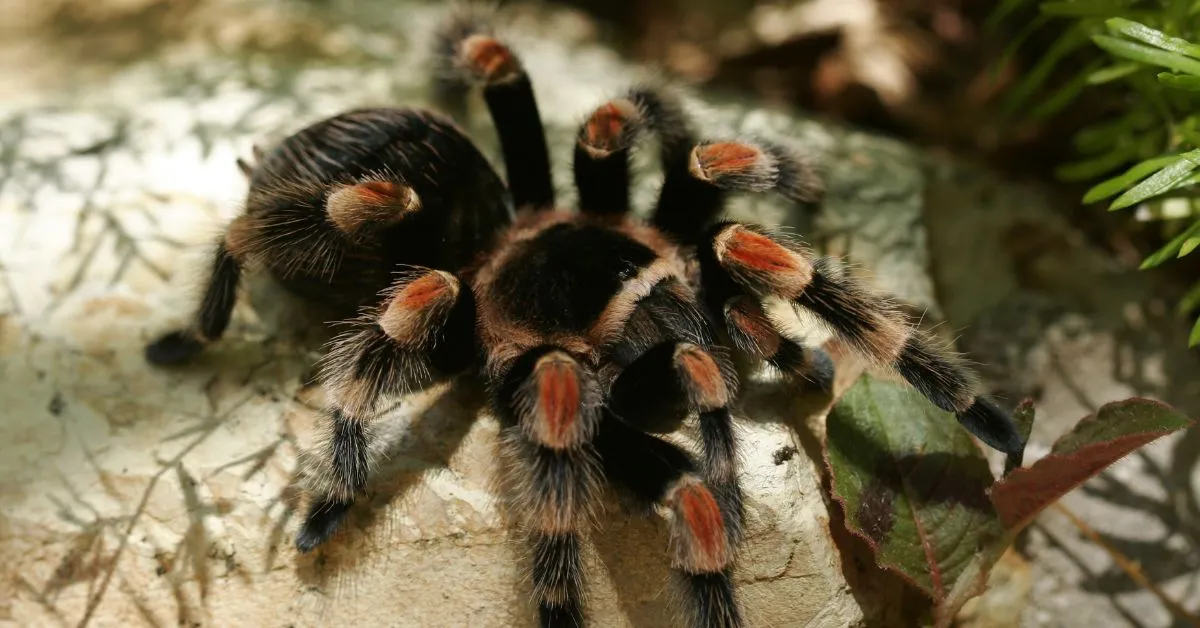
The Mexican Red Knee Tarantula (Brachypelma hamorii) is a popular pet, admired for its striking appearance and relatively docile temperament. These fascinating creatures, native to the Pacific coast of Mexico, captivate hobbyists and enthusiasts worldwide. One of the most crucial aspects of caring for a Mexican Red Knee Tarantula is understanding its sex. Determining whether your tarantula is male or female is essential for providing proper care, predicting lifespan, and potentially breeding them. This guide provides a detailed exploration of the methods used to sex Mexican Red Knee Tarantulas, helping you become a more informed and responsible tarantula owner. From examining molts to observing behavior, you’ll learn the key indicators that differentiate males and females.
Basic Biology and Appearance
Before diving into sexing, it’s helpful to understand some basic aspects of a Mexican Red Knee Tarantula’s biology and appearance. These tarantulas are arthropods, belonging to the arachnid family. They have a hard exoskeleton that they periodically shed through a process called molting. Their bodies are divided into two main parts: the cephalothorax (head and thorax combined) and the abdomen. The cephalothorax houses the spider’s eyes, mouthparts, and legs, while the abdomen contains the digestive and reproductive organs. The vibrant coloration, characterized by black legs with orange or red ‘knees,’ is a defining feature. The carapace, the top of the cephalothorax, can vary in color from a light tan to a rich brown. Knowing these basic biological features will aid in understanding the sexing methods to be described later.
Size and Body Shape Differences

Size and body shape can provide initial clues about the sex of a Mexican Red Knee Tarantula, although these are not definitive indicators. Generally, females tend to be larger and more robust than males, particularly as they mature. Females often have a rounder abdomen, capable of expanding to accommodate eggs. Males, in contrast, typically have a slightly smaller abdomen and a more slender build. However, it’s important to note that these differences can be subtle, and individual variation exists. Therefore, relying solely on size and shape is not a reliable method for accurate sex determination. Other methods are needed for a conclusive identification.
Molting and Exuviae Inspection
Molting is a crucial process for tarantulas, allowing them to shed their old exoskeleton and grow. The shed exoskeleton, known as the exuviae, provides the most reliable means of determining the sex of a tarantula. This is because the reproductive organs are internal and not directly visible. The exuviae, which retains the details of the tarantula’s anatomy, allows for detailed examination. Careful inspection of the exuviae under good lighting and potentially with a magnifying glass can reveal the presence or absence of specific sexual characteristics. It is important to wait until the tarantula has completely molted and discard the old exoskeleton. Once the tarantula has molted, collect the exuviae and prepare for examination.
Examining the Exuviae for Sex Determination
The exuviae is the key to accurate sex determination. Careful inspection under magnification is the most common method. There are several features that you need to look for. The first, and the easiest to identify, is the presence of spermathecae. These are located in the abdomen of the female, and when viewed under a magnifying glass, they appear as small, sac-like structures. If spermathecae are present, the tarantula is a female. In males, you will need to examine the pedipalps, which are small leg-like appendages near the mouth. The key is to examine the exuviae carefully, and compare it with images and guides to properly identify the relevant features for sexing your tarantula.
Determining the Sex: A Closer Look

There are two primary methods for sexing a Mexican Red Knee Tarantula using the exuviae. The first is to examine the presence or absence of the spermathecae. The second is to search for the presence of mating hooks on the first pair of legs. You will need a magnifying glass and good lighting to properly do this. The exuviae can be very delicate, so you must handle it carefully. Make sure to note that these methods are more reliable on mature specimens, as the sexual characteristics may not be fully developed in juveniles. Practice with images and guides to improve your sexing skills.
Identifying the Spermathecae in Females
In mature female Mexican Red Knee Tarantulas, the spermathecae are located inside the abdomen. These are the receptacles where the female stores sperm after mating. When examining the exuviae, turn the abdomen over to reveal the underside. With a magnifying glass, you should be able to see the spermathecae as small, sac-like structures. The shape and appearance of spermathecae can vary, but they usually appear as small, round or oval structures. If you see spermathecae, you have a female tarantula. The presence of spermathecae is the most reliable indicator of a female. They are clearly visible in most mature females, making it the most straightforward method for sexing.
Looking for Hooks in Males
Male Mexican Red Knee Tarantulas possess mating hooks on their front legs (pedipalps) used to hold the female’s fangs during mating. These hooks are located on the tibia of the pedipalps, and they are only present in males. To identify them, carefully examine the leg under a magnifying glass. The hooks will appear as small, often curved, protrusions. If hooks are present, you have a male tarantula. The hooks are only visible on the exuviae, so inspecting the molt is necessary. This feature is only present in mature males. This method of sexing is typically reliable, though requires a close inspection.
Examining Pedipalps for Bulbs

In addition to hooks, male Mexican Red Knee Tarantulas develop mating bulbs on the tips of their pedipalps as they mature. These bulbs are used to transfer sperm to the female during mating. You can examine the exuviae of the pedipalps to find these bulbs. With a magnifying glass, look for a bulbous structure at the end of the pedipalp. These structures are usually clearly defined, and easily distinguishable from the rest of the appendage. Finding mating bulbs confirms that your tarantula is a male. This method is only useful for mature males as the bulbs develop as the tarantula reaches sexual maturity.
Behavioral Clues: Mating and Molting
While not as definitive as examining the exuviae, behavioral cues can offer hints about a tarantula’s sex. During mating season, males will often display specific behaviors, such as drumming their legs to attract a female. If you observe this behavior, it may indicate that you have a male. Molting behavior is a general indicator of growth. However, it’s important to remember that observing behavior alone is not enough to accurately determine the sex. Using the exuviae method in addition can provide a much more accurate result. Observe any strange behaviors in conjunction with other sexing methods. This will help you to have a clearer understanding.
Behavioral Differences Between Males and Females
There are some behavioral differences between male and female Mexican Red Knee Tarantulas. These are subtle clues, not definitive proof. Males tend to be more active, especially when mature, and may wander around their enclosure more frequently. Females are often more reclusive and spend more time in their burrow or hiding spots. These behavioral differences are related to different life strategies. Males are driven to find a mate, while females focus on creating and maintaining a home. It is important to note that these differences may vary between individual tarantulas. These behaviors are general trends, and your tarantula may act differently.
Using Behavior to Estimate Sex

Behavior alone is not a reliable method for determining sex. However, it can be used to estimate the sex of the tarantula in conjunction with other methods. For example, if you have a tarantula that is actively moving around and you suspect it might be a male, you may use the exuviae method to confirm. Behavior can provide additional information to help you assess the sex of your tarantula. Using multiple methods will increase the chance of correct identification. It is important to remember that only examining the exuviae can provide definitive information. Use other methods only as guides to possibly confirm the result.
Importance of Accurate Sexing
Accurately sexing a Mexican Red Knee Tarantula is essential for several reasons. It is important for providing appropriate care, especially in terms of housing and feeding. Determining sex can also help you predict the lifespan of your tarantula. Males typically live for 5-10 years, while females can live for 20-30 years or more. The main reason is for breeding purposes. Breeding requires one male and one female. Being able to accurately determine the sex of your tarantula is essential for planning. If you are interested in breeding, accurate sexing is important for success. This will allow you to provide the best possible care for your tarantula, and enjoy your pet to the fullest.
Why Sexing Matters for Care
Knowing the sex of your tarantula can help in providing the best possible care. For example, females can live longer and may require a larger enclosure. Males will need different levels of care as they get closer to their lifespan. For males, provide a suitable enclosure to help with mating. The proper care can help your tarantula thrive. Being able to differentiate between male and female tarantulas will help you to understand their needs, which in turn helps ensure your tarantula’s well-being. It allows you to customize their environment, diet, and handling to give them the best possible life.
Breeding and Conservation

If you are interested in breeding your tarantula, sexing is an absolute must. To breed Mexican Red Knee Tarantulas, you will need to have a mature male and female. Once you have correctly sexed your tarantulas, you can begin to prepare for mating. Sexing can also play a role in conservation efforts. By accurately identifying the sex of individual tarantulas, researchers and conservationists can better understand population dynamics and implement strategies to protect these fascinating creatures. This knowledge helps in understanding species populations and supports habitat preservation efforts.
Potential Challenges and How to Overcome Them
Sexing a Mexican Red Knee Tarantula is generally straightforward, but there can be challenges. One of the most common challenges is dealing with an immature tarantula. In this case, the reproductive organs may not have fully developed, making sexing difficult or impossible. Another challenge is the difficulty of handling and the delicacy of the exuviae. The exuviae may be difficult to examine if it is damaged or if you are using low magnification. The most important thing is to practice and refer to guides and images, which will improve your skills. Be patient, careful, and always prioritize the safety of your tarantula. With practice and a good understanding of the methods, you will be able to accurately sex your Mexican Red Knee Tarantula.
In conclusion, accurately determining the sex of your Mexican Red Knee Tarantula is essential for its proper care, predicting its lifespan, and considering breeding opportunities. By understanding the methods described in this guide, you can confidently determine whether your tarantula is male or female. Remember that patience, a good magnifying glass, and clear images are your best friends in this process. With careful observation and practice, you can become skilled at sexing your tarantula and providing it with the best possible care. Enjoy the fascinating world of tarantula keeping and the knowledge you gain in understanding these amazing creatures.