Choosing the Best Low Light Plants for Tarantulas
Creating a thriving habitat for your tarantula involves careful consideration of several factors, and one of the most beneficial additions you can make is incorporating live plants. Low light plants not only add aesthetic appeal to your tarantula’s enclosure but also contribute significantly to its overall well-being by providing natural humidity, promoting a more stable microclimate, and offering enrichment for your eight-legged friend. This guide will help you select the best plants, ensuring a happy and healthy environment for your tarantula. Choosing the right plants is paramount for success, considering the specific needs of your tarantula species and the conditions within its terrarium.
Why Low Light Plants Are Ideal for Tarantulas
Low light plants are particularly well-suited for tarantula enclosures due to their ability to thrive in the relatively dim conditions that often exist within a terrarium setup. Tarantulas, being nocturnal creatures, do not require intense lighting, and in fact, may be stressed by bright lights. Low light plants can flourish under these conditions, creating a more natural environment that mimics the tarantula’s natural habitat. Furthermore, these plants contribute to the humidity levels essential for tarantula health, aiding in molting and overall well-being. The presence of live plants also helps in breaking down waste products and improving air quality within the enclosure.
Benefits of Live Plants in a Tarantula Enclosure

Incorporating live plants brings numerous advantages. They help maintain consistent humidity levels, critical for tarantula molting and overall health. Plants assist in filtering the air, removing harmful toxins and producing oxygen, contributing to a healthier environment. They also offer enrichment by providing natural hiding places and cover, which reduces stress and encourages natural behaviors. Live plants add visual appeal to the terrarium, making it a more attractive display and a more interesting living space for both you and your pet. Consider that the plants can act as a natural substrate, providing a varied environment.
Factors to Consider When Selecting Plants
When choosing plants, select species known to be safe for tarantulas. Avoid plants that are toxic or have sharp thorns or spines that could injure your pet. Consider the humidity and temperature requirements of both the plant and the tarantula, ensuring they are compatible. Assess the plant’s light needs to ensure it will thrive in the terrarium’s lighting conditions. Select plants that are relatively easy to care for, especially if you are new to terrarium plants. Look for plants that will not quickly outgrow the enclosure, needing frequent trimming or replanting. Consider the plant’s growth rate, size at maturity, and ease of maintenance to ensure they are suitable for the long-term care of your tarantula.
Top 5 Low Light Plants for Your Tarantula
Pothos (Epipremnum aureum)

Pothos is a popular choice for terrariums, and for good reason. Its trailing vines and heart-shaped leaves add a lush, green touch. Pothos can tolerate low light conditions and a wide range of humidity levels. Its ability to purify air also contributes to a healthier terrarium environment. This plant is relatively easy to care for, making it suitable for beginners. Pothos is very adaptable and can be planted directly into the substrate or grown in a small pot within the enclosure. Make sure to secure the vines to prevent them from tangling or interfering with your tarantula’s movements.
Pothos Care Requirements
Pothos thrives with moderate watering; allow the soil to dry out slightly between waterings to prevent root rot. Provide well-draining soil, and consider adding a layer of sphagnum moss for added humidity. Pothos is very tolerant of a variety of conditions, so it will be sure to thrive with minimal maintenance. Regular trimming will help maintain its size and prevent it from overcrowding the enclosure. The plant can adapt to low-light conditions, but a bit of indirect light will help it maintain its vibrant color.
Advantages of Pothos for Tarantulas
Pothos offers several advantages, including its hardiness and ability to tolerate varied terrarium conditions. It provides excellent cover and hiding spots for your tarantula, reducing stress and promoting natural behaviors. Pothos also helps to maintain humidity levels through transpiration, contributing to a healthier environment for your pet. Its easy care and low maintenance make it an ideal choice for busy tarantula keepers. The plant is also non-toxic, so there is no risk to your tarantula if it comes into contact with the leaves.
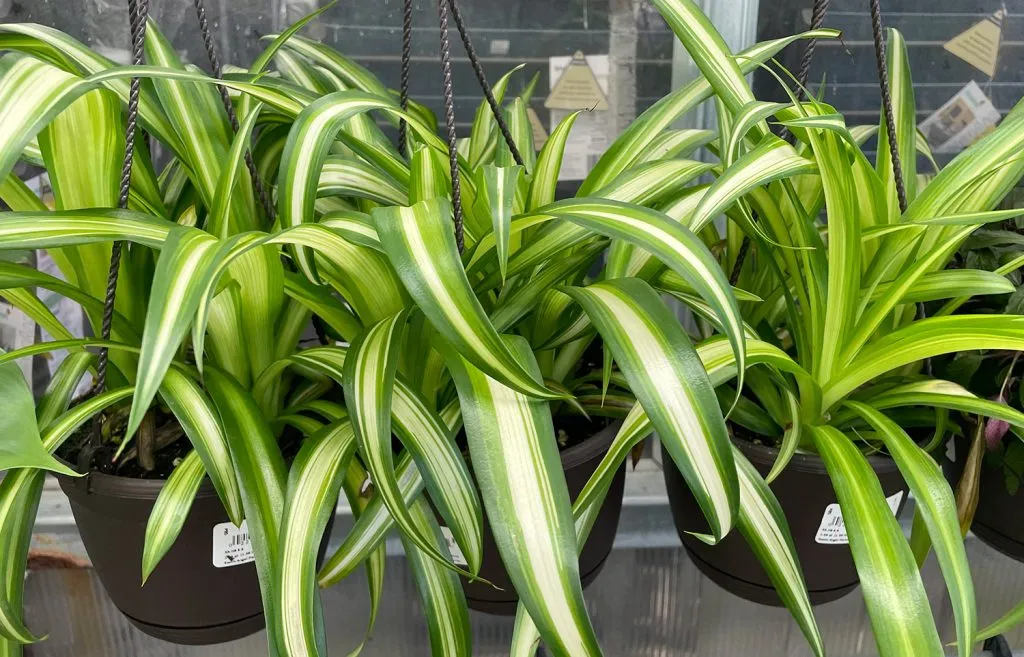
Spider Plant (Chlorophytum comosum)

Spider plants are another excellent choice, known for their air-purifying abilities and easy care. They produce small ‘spiderettes’ or baby plants, which can add visual interest and create a natural, lush appearance in your tarantula’s terrarium. These plants are adaptable to low light conditions and require moderate watering. Their arching leaves create excellent hiding places, providing a sense of security for your tarantula. The spider plant is also known for its resilience, tolerating fluctuations in humidity and temperature.
Spider Plant Care Guide
Spider plants prefer bright, indirect light but can survive in low-light conditions. Water thoroughly when the top inch of soil is dry. Provide well-draining soil to prevent root rot. You should remove any dead or yellowing leaves to maintain the plant’s health and appearance. The spider plant can be easily propagated from the spiderettes, allowing you to create more plants for other enclosures or to share with friends. Spider plants can handle occasional neglect, making them very beginner-friendly.
Spider Plant’s Role in Tarantula Habitats
Spider plants serve as a natural humidifier and air purifier, both of which are incredibly important in a terrarium. They provide cover for your tarantula and contribute to the overall aesthetic of the enclosure. Their arching leaves create a visually appealing environment. The spider plant is also non-toxic to tarantulas, so there is no need to worry if your pet interacts with the plant. These plants thrive in a humid environment and add moisture to the enclosure.
Snake Plant (Sansevieria trifasciata)

Snake plants, also known as mother-in-law’s tongue, are extremely low-maintenance and highly adaptable, making them ideal for beginners. They tolerate low light and infrequent watering, which suits the typical terrarium environment. Snake plants have upright, sword-like leaves that add a unique texture to the enclosure. These plants also help purify the air. The snake plant requires very little care and is very drought resistant, making it a great addition to your pet’s habitat.
Snake Plant Maintenance and Care
Water sparingly, allowing the soil to dry out completely between waterings. Snake plants are susceptible to root rot if overwatered. Provide well-draining soil, such as a mix of potting soil and sand. Wipe the leaves occasionally to remove dust and maintain their shine. Propagate by dividing the rhizomes or by leaf cuttings. Snake plants are very durable and will survive even in the harshest conditions, so they are perfect for beginners who are still learning about plant care.
Suitability of Snake Plants for Tarantulas
Snake plants are suitable for tarantulas because of their low-maintenance requirements and their non-toxic nature. They provide a visually appealing element to the enclosure and require little attention, reducing the risk of disturbing the tarantula. The upright leaves can provide partial cover and visual barriers within the terrarium. Ensure that the leaves are not sharp enough to injure your tarantula, but otherwise, they are very safe. The plant’s ability to thrive in low-light conditions makes them perfect for a terrarium.
Prayer Plant (Maranta leuconeura)

Prayer plants get their name from the way their leaves fold upward at night, resembling praying hands. These plants thrive in low to moderate light and high humidity. They offer a splash of color with their patterned leaves, which can be a welcome addition to any tarantula enclosure. Prayer plants require moderate watering and prefer well-draining soil. Their interesting leaves can provide some visual stimulation for the tarantula and the owner. However, prayer plants are more sensitive than some other choices, so it is essential to maintain a consistent environment.
Prayer Plant Care Instructions
Keep the soil consistently moist, but not waterlogged. Use distilled or filtered water to avoid mineral buildup. Provide high humidity by misting the plant regularly or placing it near a humidifier. Avoid direct sunlight, as it can scorch the leaves. Regularly prune any yellowing leaves. Keep the prayer plant away from drafts and sudden temperature changes, which can stress the plant. Proper lighting is essential for the prayer plant’s care. These plants provide vibrant colors to an enclosure.
Prayer Plant and Tarantula Compatibility
Prayer plants are a good choice for tarantulas, given that they provide both visual interest and humidity. Their non-toxic nature makes them safe for your pet. The leaves are soft and won’t harm your tarantula. They thrive in the high-humidity environment often found in tarantula enclosures. Prayer plants are very sensitive to fluctuations in humidity and temperature, so keep this in mind when choosing them. The prayer plant is a great option for tarantula owners with more experience.
Cast Iron Plant (Aspidistra elatior)

True to its name, the cast iron plant is incredibly resilient and can tolerate a wide range of conditions, including low light. Its broad, dark green leaves add a simple, elegant touch to the terrarium. This plant is exceptionally low-maintenance, making it an excellent choice for beginners. Cast iron plants can survive with minimal water and infrequent feeding, making them ideal for those new to caring for terrarium plants. They provide a natural aesthetic to the habitat.
Cast Iron Plant Growing Tips
Water only when the soil is completely dry. Cast iron plants are highly drought-tolerant and are prone to root rot if overwatered. Provide well-draining soil and avoid direct sunlight. Wipe the leaves occasionally to remove dust. This plant is easy to propagate by dividing the rhizomes. Fertilize sparingly, if at all. Cast iron plants require almost no attention. These plants thrive in very low light conditions.
Cast Iron Plant’s Benefits in a Terrarium
Cast iron plants provide a hardy and low-maintenance green element, with a touch of decoration. Their tolerance to low light makes them a perfect choice for tarantula habitats. They are safe and non-toxic, so the tarantula is safe from any harm. The broad leaves offer a natural look and can provide a degree of cover for the tarantula. The cast iron plant is the perfect option for those with little experience with terrarium plants.
Maintaining a Thriving Tarantula Habitat

Lighting and Humidity Considerations
Monitor and maintain proper lighting and humidity levels. Tarantulas do not need bright light. Use a low-wattage bulb or indirect lighting. Maintain a humidity level suitable for your tarantula species (usually between 60-80%) by misting the enclosure regularly and providing a water dish. Ensure good ventilation to prevent mold and fungal growth while maintaining proper humidity levels. The plants chosen will also help with humidity control.
Substrate and Drainage
Use a substrate that retains moisture while providing good drainage. A mix of coco coir, peat moss, and sphagnum moss often works well. Include a drainage layer at the bottom of the enclosure, such as gravel or clay pebbles, to prevent waterlogging. The correct substrate helps the plant to thrive by providing nutrients and a place for the roots to settle. The substrate should be appropriate for the species of tarantula being housed.
Tarantula-Safe Plant Care Products
When caring for plants in your tarantula’s enclosure, choose products that are safe for your pet. Avoid using pesticides, insecticides, or fertilizers that could harm your tarantula. If you need to treat your plants, opt for organic or natural alternatives. Regularly check the plants for pests and diseases, and take action immediately if you find them. Wash any new plants thoroughly before introducing them to the terrarium, ensuring there are no unwanted guests. Use only tap water that has been treated to remove chlorine.
Conclusion Low Light Plants for Happy Tarantulas
By selecting the right low light plants, you can create a beautiful, healthy, and enriching environment for your tarantula. Pothos, spider plants, snake plants, prayer plants, and cast iron plants are all excellent choices. Remember to consider your tarantula’s specific needs, choose plants that are non-toxic and easy to care for, and maintain the appropriate environmental conditions. With careful planning and attention, you can provide your tarantula with a thriving habitat where it can flourish and live a long, happy life. Embrace the process, enjoy the results, and watch your tarantula thrive in its new, green-filled home!