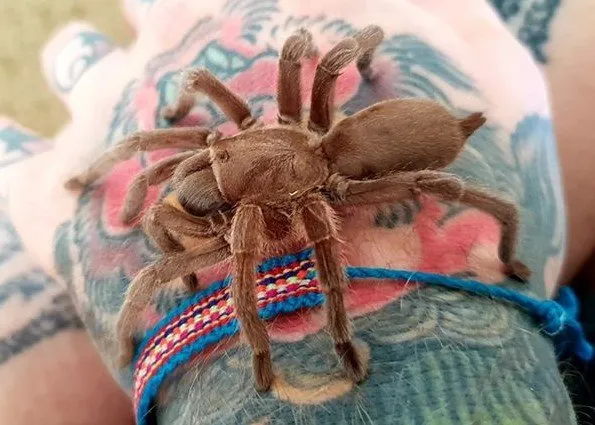
Understanding the Kotzman Tarantula
The Kotzman tarantula, a captivating member of the tarantula family, has gained popularity as a unique pet. This comprehensive guide provides all the essential information for prospective and current owners to ensure the health and well-being of their Kotzman tarantula. From habitat setup to feeding and handling, every aspect of care is addressed. Understanding the specific needs of this fascinating arachnid is crucial for creating a thriving environment. By following the guidelines presented, you can provide a fulfilling life for your Kotzman tarantula, while enjoying the unique experience of owning this exotic pet. This guide will transform you into a knowledgeable and confident tarantula caretaker.
Origin and Habitat
Kotzman tarantulas, though commonly kept as pets, originate from specific geographical regions. They are often found in tropical and subtropical environments, which directly influences their needs in captivity. Their natural habitats typically consist of humid forests or grasslands, where they build burrows or utilize natural shelters. Replicating their natural environment is key to their survival and happiness. Understanding where they come from helps in providing them with the right conditions, mimicking the climate and terrain of their native land. This includes the appropriate substrate, temperature, and humidity, elements that are all critical for their health and well-being. Without these environmental factors, the tarantula may suffer stress and a shortened lifespan.
Appearance and Characteristics
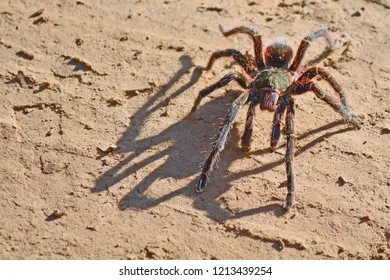
Kotzman tarantulas possess striking features that make them a visual delight. Their bodies are typically covered with a coat of fine hairs that can vary in color, ranging from earthy browns to vibrant shades. Their size can differ depending on their age and sex, with females usually being larger than males. A key characteristic is their fangs, which they use for both hunting and defense. Furthermore, they have eight eyes, which, while not providing exceptional vision, allow them to detect movement and changes in light. The overall appearance of the Kotzman tarantula, its coloration, size, and unique features, will make it a wonderful pet for any owner. Understanding these characteristics allows for better identification and appreciation of these remarkable creatures.
Creating the Ideal Kotzman Tarantula Habitat
A proper habitat is the cornerstone of a healthy Kotzman tarantula. The enclosure must be designed to meet their specific needs, providing a safe and comfortable living space. The environment should mimic their natural habitat to reduce stress and encourage natural behaviors. This section details the essential components needed for creating an ideal living space. This involves careful consideration of enclosure size, substrate type, and climate control. A well-designed habitat not only ensures the tarantula’s physical health but also contributes to its psychological well-being, making it a happy and thriving pet. Neglecting this aspect can lead to many health issues and will impact how long your tarantula will live.
Enclosure Size and Type
The enclosure size and type are crucial for a Kotzman tarantula’s comfort. The habitat should be large enough to allow the tarantula to move freely and exhibit natural behaviors, yet not so large that it feels insecure. For terrestrial species, a wider, shallower enclosure is preferable, while arboreal species benefit from taller enclosures with climbing space. The material of the enclosure is important as well. Glass or clear plastic enclosures are ideal because they allow for easy viewing and maintain humidity levels. Ensure the enclosure has a secure lid to prevent escape and proper ventilation to avoid mold growth. When choosing an enclosure, consider the tarantula’s adult size and behavior to ensure a comfortable and secure environment. This will make the tarantula feel at home and have the appropriate living space.
Substrate and Furnishings

The substrate serves as the flooring of the tarantula’s home and plays a critical role in maintaining humidity and providing a natural feel. A good substrate for Kotzman tarantulas is one that retains moisture well, such as a mix of coconut fiber and peat moss. It should be deep enough for the tarantula to burrow, if it is a burrowing species. Furnishings, such as hides (cork bark or half logs), provide places for the tarantula to retreat and feel safe. Adding a water dish and some fake or live plants can further enhance the habitat. Avoid using sharp objects or anything that could harm the tarantula. The substrate should be cleaned and changed regularly to prevent the buildup of waste and maintain a healthy environment. A well-furnished habitat enhances the tarantula’s quality of life by offering enrichment and security.
Temperature and Humidity
Temperature and humidity are critical environmental factors for a Kotzman tarantula’s health. The ideal temperature range is typically between 75 and 85 degrees Fahrenheit (24-29 degrees Celsius), depending on the species. This can be achieved using a heat lamp or a heat mat placed on the side of the enclosure, never directly underneath. Humidity levels should be maintained between 60-80%, depending on the species’ needs, and can be monitored using a hygrometer. Regular misting of the enclosure with water, along with the use of a good substrate, helps in maintaining the appropriate humidity levels. Proper temperature and humidity are essential for molting, growth, and overall well-being. It is important to monitor these factors closely and make adjustments as needed to create a stable and healthy environment.
Feeding Your Kotzman Tarantula
Feeding a Kotzman tarantula requires an understanding of its dietary needs and feeding habits. The tarantula’s diet consists mainly of insects, and the frequency of feeding depends on the tarantula’s age and size. This section offers comprehensive guidance on the proper diet, feeding schedule, and water requirements for your Kotzman tarantula. A balanced diet will ensure that your pet thrives and maintains its health. The right approach to feeding, from selecting appropriate prey to providing fresh water, contributes significantly to the tarantula’s longevity and vitality. Understanding the unique feeding requirements of these creatures makes pet ownership a rewarding experience.
Diet and Feeding Schedule
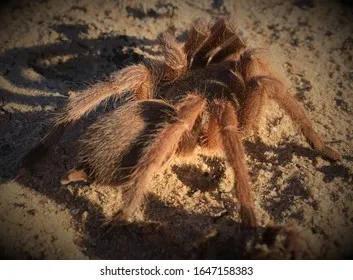
The staple diet for Kotzman tarantulas consists primarily of insects. Crickets, mealworms, and roaches are common choices, and the size of the prey should be appropriate for the tarantula. As a general rule, the prey should be no larger than the tarantula’s abdomen. Spiderlings need to be fed more frequently, typically every other day, while adults can be fed once or twice a week. It is important to remove uneaten prey within 24 hours to prevent stress for your pet. Variety in the diet is important to ensure your tarantula receives a range of nutrients. Avoid feeding wild-caught insects, as they may carry parasites or pesticides. A well-planned feeding schedule ensures proper growth and maintains your tarantula’s health.
Water and Hydration
Fresh, clean water is essential for the survival of your Kotzman tarantula. A shallow water dish should always be available in the enclosure. The water should be replaced frequently, typically every day or two, to prevent bacterial growth. Alternatively, water can be provided by misting the enclosure, especially for arboreal species that may not readily drink from a dish. Hydration is crucial for successful molting and overall health. Ensure the water dish is easily accessible, and always keep the water level shallow to prevent drowning. Your tarantula’s well-being directly depends on a constant supply of fresh water. Proper hydration practices are one of the simplest, yet most critical, aspects of tarantula care.
Handling and Interaction
Handling a Kotzman tarantula is not essential for their well-being, as they are often solitary creatures. However, if you choose to interact with your tarantula, it is important to do so safely and respectfully. Understanding the tarantula’s behavior, practicing caution, and being mindful of its needs are key to a positive experience. This section provides guidance on safe handling practices and how to interpret tarantula behavior. By approaching interaction thoughtfully, owners can minimize the risk of harm to both themselves and their pets. This approach fosters a more informed and enjoyable relationship with your Kotzman tarantula.
Safe Handling Practices
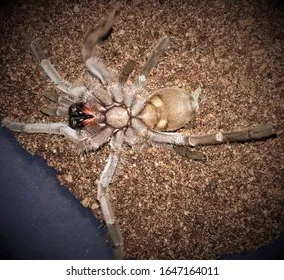
If you choose to handle your Kotzman tarantula, it is critical to do so safely. Before handling, ensure that the tarantula is calm and not in a defensive posture. Always wash your hands before and after handling to avoid transferring any contaminants. When handling, do so close to the ground or a soft surface, in case the tarantula falls. Avoid any sudden movements, and gently encourage the tarantula to walk onto your hand. Never squeeze or restrain the tarantula. Be aware that some tarantulas have urticating hairs, which can cause irritation. If a bite occurs, seek immediate medical attention. Prioritizing safety, both for you and your tarantula, is the foundation of responsible handling.
Understanding Tarantula Behavior
Understanding tarantula behavior is essential for interacting safely and providing the best care. Tarantulas can exhibit various behaviors, such as leg-drumming, which can be a sign of aggression or stress. Urticating hairs, which they may flick off their abdomen, are a defense mechanism. Knowing the signs of stress, such as a defensive posture or a refusal to eat, can help you prevent issues. Spend time observing your tarantula to learn its individual personality. This understanding enables you to tailor your care practices to meet its needs. Developing a good understanding of their behavior allows owners to respect their natural instincts, leading to a more fulfilling relationship with their pet.
Common Health Issues and Prevention
Preventing health issues is crucial for ensuring the long-term well-being of your Kotzman tarantula. Regular observation, proper habitat management, and a balanced diet are fundamental to maintaining good health. Recognizing potential health problems early can prevent them from escalating. This section outlines common health issues and provides strategies for prevention and intervention. A proactive approach to health management can greatly enhance the quality of life for your pet. Being vigilant about potential problems and knowing how to address them are essential skills for any Kotzman tarantula owner.
Identifying Potential Problems

Regularly inspect your Kotzman tarantula for signs of illness or injury. Look for changes in behavior, such as lethargy, loss of appetite, or unusual postures. Check for any visible injuries, such as cuts or damaged legs. Examine the enclosure for signs of mold or pests. During molting, watch for any difficulties, as this is a vulnerable time. If you notice any concerning symptoms, consult with a veterinarian experienced in exotic animal care. Early detection is key to successful treatment. A proactive approach will allow you to recognize problems before they become severe, ensuring your tarantula’s long-term health.
Preventative Measures and Veterinary Care
Preventative measures are essential for minimizing the risk of health problems. Maintain a clean and appropriate habitat, ensuring proper temperature and humidity levels. Provide a varied and nutritious diet. Avoid handling your tarantula unnecessarily to reduce the risk of injury. If you suspect your tarantula is ill, consult with a veterinarian who specializes in exotic animals. They can diagnose and treat any health issues. Regular health checkups are not typically needed but are recommended if you notice any concerning symptoms. Proactive care, good hygiene, and early intervention can help ensure that your Kotzman tarantula lives a long and healthy life. Taking these precautions makes your pet ownership a rewarding experience.
Breeding and Reproduction
Breeding Kotzman tarantulas can be a rewarding but complex process. It requires knowledge of the tarantula’s life cycle, proper housing, and mating behavior. This section provides basic information on breeding, including how to determine the sex of your tarantula, the mating process, and the care of the egg sac. Breeding is not for the beginner, so make sure you know everything before you start. Successful breeding requires careful planning and attention to detail. Understanding these aspects of reproduction can provide insights into the tarantula’s life and increase your appreciation for these fascinating creatures. Consider all the responsibilities, and make sure you are ready.
Sexing Your Tarantula

Determining the sex of your Kotzman tarantula is the first step in breeding. The most reliable method is to examine the underside of the tarantula after a molt. Males have small, hook-like structures (pedipalps) on the front legs, used for mating. They also have a different abdominal area than females. Females have a slit-like structure on their underside, called an epigastric furrow, which contains the spermathecae where they store sperm. Accurate sexing can be challenging, especially for smaller tarantulas. When breeding, it is very important to be sure you have a male and female. Consulting with an expert can help if you are unsure. Correctly identifying the sex is crucial for successful breeding.
Mating and Egg Sacs
Mating involves placing a mature male with a mature female in a controlled environment. The female may or may not accept the male, and it is essential to supervise the interaction. If the mating is successful, the female will eventually lay eggs and create an egg sac. The egg sac contains numerous eggs and needs careful handling. The female will guard the sac, and you should provide the right conditions for the eggs to hatch. Providing the correct temperature and humidity is very important. Once the spiderlings hatch, they need to be separated and cared for individually. Breeding Kotzman tarantulas requires extensive knowledge and commitment.
Conclusion
Caring for a Kotzman tarantula can be a rewarding experience, providing a unique opportunity to observe and interact with these fascinating creatures. By understanding their specific needs and providing proper care, you can ensure that your tarantula thrives. This guide covers all aspects of care, from habitat setup and feeding to handling and health. Remember that responsible pet ownership involves continuous learning and adapting to your tarantula’s needs. With the right knowledge and dedication, you can create a fulfilling and enriching life for your Kotzman tarantula. Enjoy the rewarding experience of caring for this unique and captivating pet. Remember, a happy tarantula is the best reward for a dedicated owner.