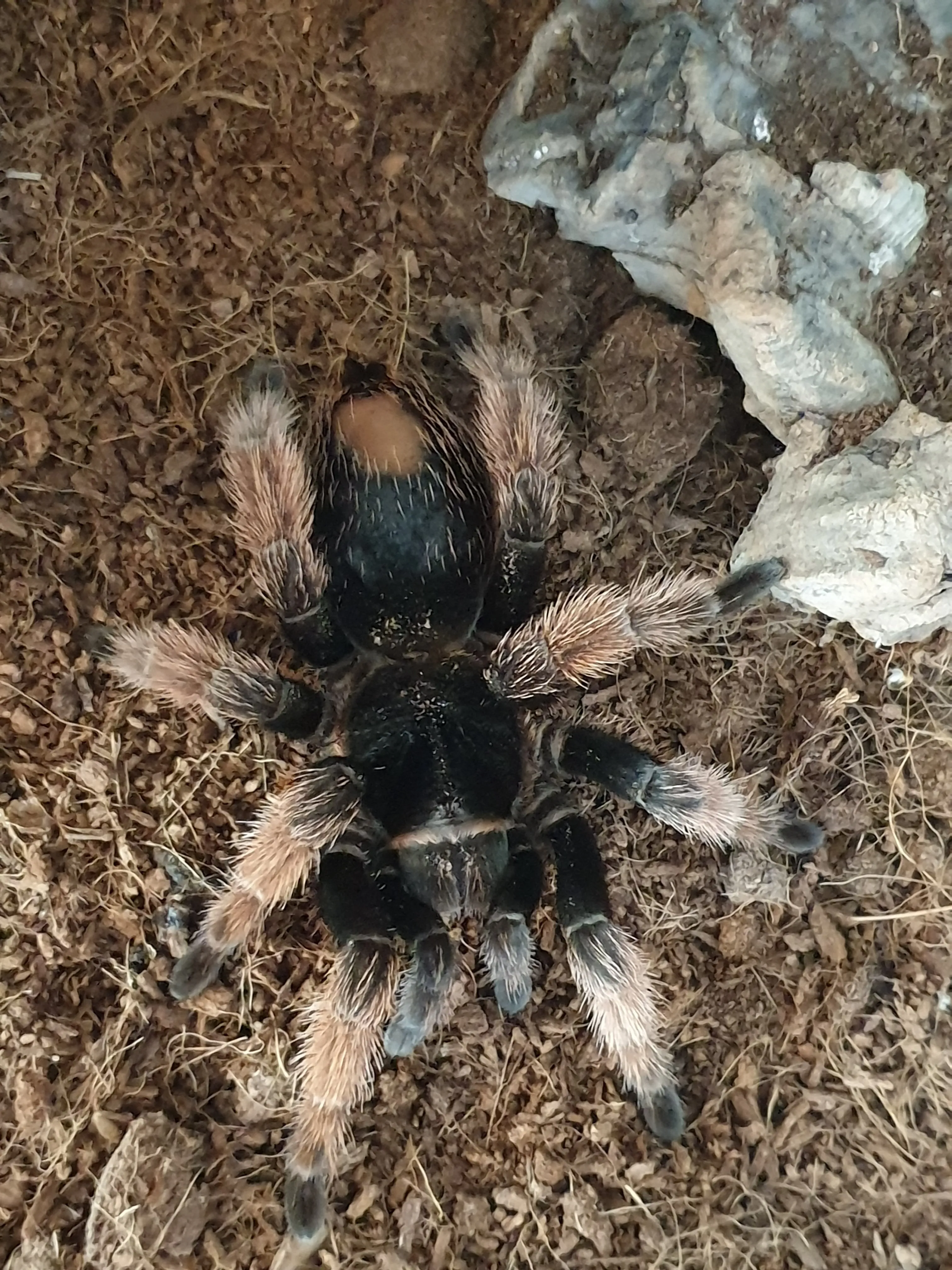
Klaasi Tarantula Size: Overview
The Klaasi tarantula, a captivating species, has garnered attention among arachnid enthusiasts. Understanding the size of these creatures is fundamental for proper care and appreciation. This overview delves into the various aspects of their size, from their maximum potential to factors influencing their growth. This knowledge is essential whether you’re a seasoned tarantula keeper or just starting your journey into the world of these fascinating spiders. We will explore the different stages, and lifespan, providing a comprehensive understanding of the Klaasi tarantula’s dimensions.
Klaasi Tarantula: Maximum Size
The maximum size of a Klaasi tarantula is a key piece of information for anyone considering owning one. The species generally reach a leg span of around 5 to 6 inches. This measurement is taken from the tip of one leg to the tip of the opposite leg when the tarantula is fully extended. This size places them in the medium to large category among tarantula species. It’s important to note that individual sizes can vary depending on genetics, care, and environmental factors. Observing these spiders in person truly highlights the impressive size they can attain.
Klaasi Tarantula Size: Impacted by Diet
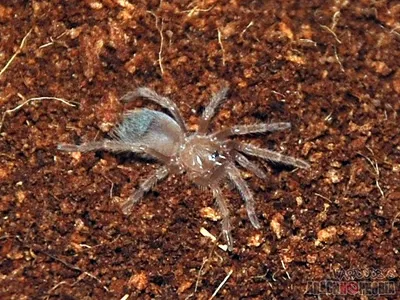
A tarantula’s diet plays a crucial role in its size and overall health. A balanced diet, consisting of appropriately sized insects like crickets, roaches, and mealworms, is essential for optimal growth. Overfeeding can lead to accelerated growth, which may not always be beneficial, potentially impacting the lifespan. Conversely, underfeeding can stunt growth and affect the tarantula’s ability to molt successfully. The frequency of feeding also matters, especially for younger tarantulas, who require more frequent meals to fuel their rapid growth. Providing a varied and nutritious diet ensures a healthy Klaasi tarantula that reaches its potential size.
Klaasi Tarantula: Growth Stages
Klaasi tarantulas, like all tarantulas, grow through a process called molting. This is where they shed their exoskeleton to accommodate their growing bodies. Young tarantulas molt more frequently than adults, sometimes every few months. As they mature, the frequency decreases, with adults molting perhaps once a year, or even less often. Each molt is a significant event, during which the tarantula is vulnerable. The size increase with each molt isn’t always dramatic but is noticeable over time. Understanding these growth stages helps in anticipating enclosure needs and ensuring the tarantula’s wellbeing throughout its life.
Klaasi Tarantula: Lifespan and Size
The lifespan of a Klaasi tarantula is directly linked to its size and sex. Females tend to live longer than males, with females potentially living for 10-15 years, sometimes even longer. Males, on the other hand, often have a shorter lifespan, typically 3-5 years after reaching maturity. The size a Klaasi tarantula achieves is also a factor in its lifespan. Larger, healthier tarantulas generally live longer, assuming they have good genetics and proper care. Environmental factors, such as consistent temperatures and humidity, also contribute to their longevity, ensuring that these fascinating creatures can thrive for many years.
Klaasi Tarantula Care

Klaasi Tarantula Enclosure Size
Choosing the right enclosure size is vital for the Klaasi tarantula’s well-being. A general guideline is to provide an enclosure that is at least three times the tarantula’s leg span in width. For a fully grown Klaasi tarantula, a 10 to 20-gallon terrarium is usually adequate. The enclosure should provide enough space for the tarantula to move around, burrow (if it’s a terrestrial species), and feel secure. The height is less critical, but it should be enough to accommodate substrate depth and the tarantula’s activities. A properly sized enclosure reduces stress and allows the tarantula to exhibit natural behaviors.
Klaasi Tarantula: Feeding Schedule
Establishing a proper feeding schedule is key to maintaining a healthy Klaasi tarantula. Young tarantulas should be fed more frequently, perhaps every other day or every three days, depending on their size and appetite. Adults can be fed less often, about once or twice a week. It’s essential to monitor the tarantula’s abdomen to gauge its condition; a slightly rounded abdomen indicates a well-fed tarantula. Remove any uneaten food within 24 hours to prevent mold and mites. Providing the right amount of food prevents overfeeding and ensures the tarantula’s growth and overall health.
Klaasi Tarantula: Humidity and Temperature

Maintaining proper humidity and temperature is essential for the health of a Klaasi tarantula. They thrive in a moderately humid environment, typically around 60-70%. This can be achieved by lightly misting the enclosure or providing a water dish. The temperature should be kept within a range of 75-85°F (24-29°C). Use a thermometer to monitor the temperature accurately. Consistent environmental conditions are crucial for molting and overall health. Fluctuations in temperature or humidity can cause stress and health issues, so it’s important to regularly monitor the enclosure.
Klaasi Tarantula: Health Problems
Klaasi Tarantula: Recognizing Molting
Recognizing the signs of an impending molt is crucial for a Klaasi tarantula owner. Tarantulas often become less active, stop eating, and may appear darker in color. They may also create a webbing mat, where they will molt. It’s crucial to avoid disturbing a tarantula during a molt, as they are extremely vulnerable during this process. Provide a consistent environment and avoid any handling or disruptions. The new exoskeleton will be soft and pliable for some time after molting, so the tarantula should not be fed for a few days to allow its fangs to harden.
Klaasi Tarantula: Common Diseases

While Klaasi tarantulas are generally hardy, they can be susceptible to certain diseases. Common problems include fungal infections, bacterial infections, and parasitic infestations, often linked to poor enclosure conditions. These can result from improper humidity, stagnant air, or contaminated substrate. Regularly cleaning the enclosure and ensuring proper ventilation are essential for preventing these issues. If a tarantula shows signs of illness, such as lethargy, loss of appetite, or unusual behaviors, it’s crucial to consult with a veterinarian experienced in arachnids.
Klaasi Tarantula: Maintaining Health
Maintaining the health of a Klaasi tarantula involves a multifaceted approach. This includes providing a proper diet, maintaining the correct environmental conditions, and practicing good hygiene. Ensure that the enclosure is clean and well-ventilated, and the substrate is replaced regularly. Handle the tarantula only when necessary, and always do so gently. Regular observation is also essential; checking for any signs of illness or unusual behavior. By addressing these factors, you can help your Klaasi tarantula thrive and live a long, healthy life.
Klaasi Tarantula: Interesting Facts
Klaasi Tarantula: Origin and Habitat

Klaasi tarantulas, native to South Africa, inhabit savanna and grasslands. They are terrestrial tarantulas, spending most of their time on the ground. In the wild, they construct burrows, which provide shelter from the elements and predators. Understanding their natural habitat is crucial for replicating the correct environmental conditions in captivity. This includes providing a suitable substrate for burrowing and maintaining the appropriate temperature and humidity levels. Recreating their natural environment is key to ensuring that Klaasi tarantulas can thrive and exhibit their natural behaviors.
Klaasi Tarantula: Behavior and Temperament
Klaasi tarantulas are known for their generally docile temperament, but individual personalities can vary. While they are not typically aggressive, they can be defensive if provoked. They are primarily nocturnal, becoming most active at night. Their behavior includes burrowing, web-spinning, and hunting. These behaviors are best observed when their enclosure is well-suited to their needs, and their environmental requirements are met. Understanding their behavior allows owners to provide appropriate care and to appreciate the unique characteristics of this fascinating species.
Klaasi Tarantula: Conservation Status
Currently, Klaasi tarantulas are not considered to be under any immediate threat of extinction, and they are not on the IUCN Red List. However, it’s important to support sustainable practices in the pet trade to ensure their continued survival. Responsible pet ownership and habitat preservation are key to protecting these and other species. Ethical sourcing and a commitment to providing adequate care are essential for ensuring the well-being of Klaasi tarantulas in captivity and their continued existence in the wild.