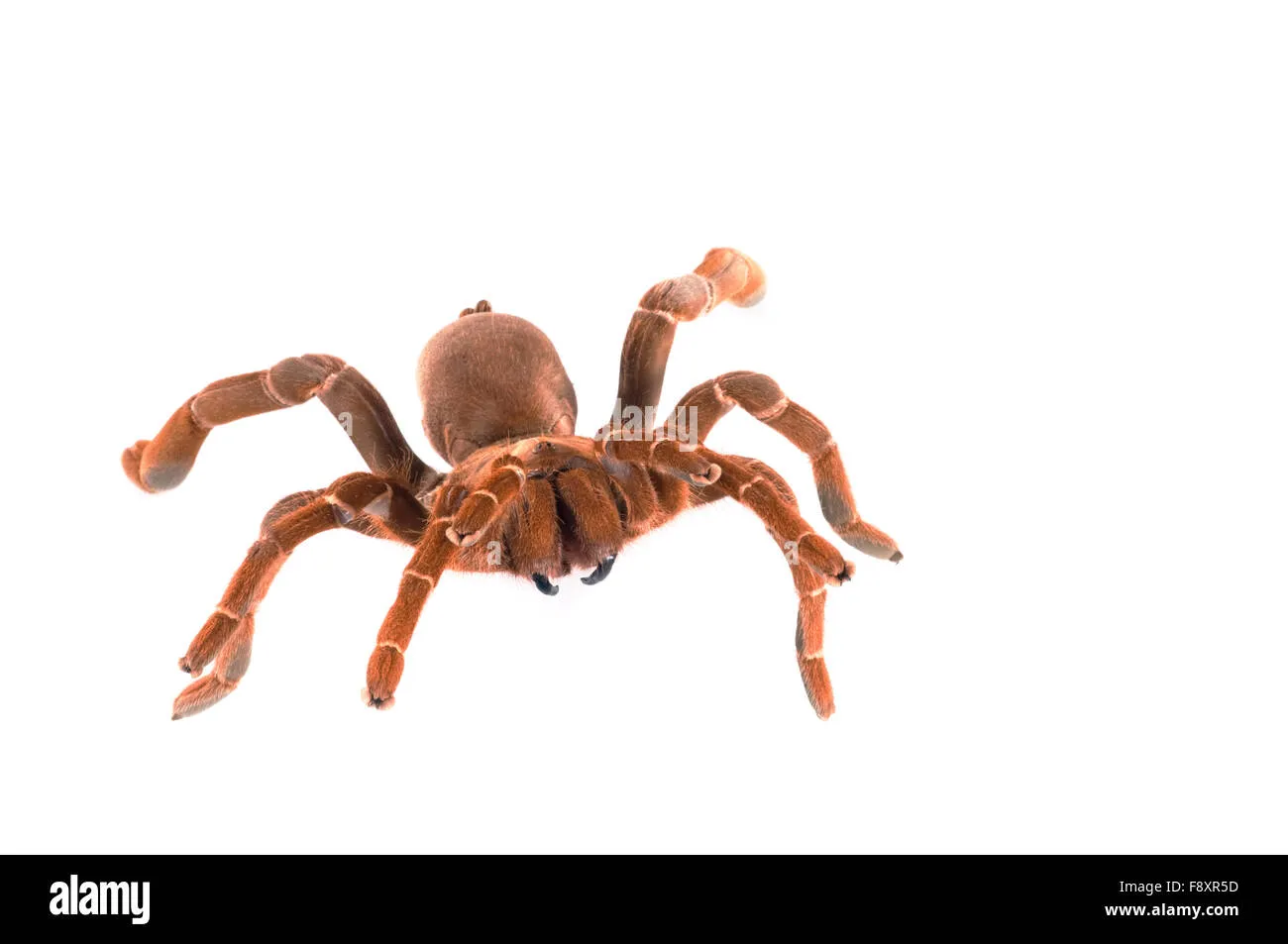
What is a King Baboon Tarantula
The King Baboon Tarantula ( Pelinobius muticus) is a terrestrial Old-World tarantula species, known for its impressive size, distinctive appearance, and, as the name suggests, a temperament that can sometimes be as commanding as a king. Native to the savannas and grasslands of East Africa, this species captivates arachnid enthusiasts with its robust build and intriguing behaviors. Understanding the size of the King Baboon Tarantula is a fundamental aspect of appreciating this species, both for those considering keeping one as a pet and those simply fascinated by the diversity of the spider world. Their size is a crucial factor in habitat planning, feeding strategies, and overall care. The King Baboon Tarantula’s size is not only a physical characteristic but also an indicator of its health, age, and overall well-being, making it an essential piece of information for any arachnid enthusiast or keeper.
Identifying Characteristics of the King Baboon Tarantula
Beyond size, several other characteristics help in identifying the King Baboon Tarantula. These spiders have a distinctive appearance that separates them from other tarantula species. Their physical traits and behaviors offer valuable insights into their lives and needs. For those interested in keeping or simply observing these fascinating creatures, recognizing these characteristics is essential for appropriate care and understanding. It is also important to correctly identify the species to ensure that all the specific requirements for this tarantula are fulfilled.
Physical Appearance

The King Baboon Tarantula is known for its robust and sturdy build. The carapace, or the top part of the cephalothorax, is typically a rich brown color, often with a slightly glossy sheen. Their legs are covered in hairs, adding to their overall appearance. The abdomen is usually a darker shade of brown. These spiders are not known for being colorful, and their appeal comes from their size, build and the texture of their hairy legs. These features contribute to the overall imposing presence of this tarantula. Their physical appearance, combined with their size, gives them a formidable look that distinguishes them from other tarantula species.
Size as a key factor
The size of a King Baboon Tarantula is a very important feature. It helps in habitat selection, feeding, and care. A large King Baboon Tarantula needs a large enclosure with enough space to move around freely. The spider’s size also influences how much food it needs. This makes it essential to know and to monitor its growth. Also, size helps keepers compare their spider with others, which is essential to understanding whether the spider is healthy and thriving. The King Baboon Tarantula is one of the larger tarantula species, so size is an important consideration for anyone thinking of keeping it.
Average Size of King Baboon Tarantulas
King Baboon Tarantulas are among the larger tarantula species. The size varies, and it depends on factors such as the individual spider’s genetics, diet, and living conditions. Knowing the average size helps in setting up proper living conditions and monitoring their health. The average size can also serve as a reference point for assessing whether a spider is growing correctly. It also helps to compare your spider with other spiders. When keeping a King Baboon Tarantula, understanding the average size helps ensure that the spider is getting the best care possible. This, in turn, will allow it to live a long and healthy life.
Male vs Female Size Differences

Like many tarantula species, there are size differences between male and female King Baboon Tarantulas. Generally, females tend to be larger and more robust than males. This size difference is a key consideration for those who are keeping this tarantula species, especially when it comes to habitat, and also during breeding. Males reach maturity faster than females, but females continue to grow for a longer time. This difference can impact how you plan for housing and other aspects of their care. The bigger size of females is an important factor in their reproductive capabilities, while males are often smaller and more slender, in preparation for their mating behavior. As the keepers observe these differences, they are better able to understand the individual tarantula’s needs and adjust care accordingly.
Factors Affecting Size
Several factors influence how large a King Baboon Tarantula can grow. These elements are important for keepers. Careful attention to these details will help you give your spider the best care possible. The King Baboon Tarantula’s size depends on many things. Diet, environment, and genetics all play a part in determining the size and health of these fascinating spiders. Understanding these things will help you care for the tarantula properly. These are the primary elements that have the biggest impact on how large a King Baboon Tarantula will become.
Diet and Nutrition Influence
A balanced diet is very important for a King Baboon Tarantula to grow. A diet that is rich in protein is crucial, especially when the tarantula is young and growing. A steady diet, including appropriately sized insects such as crickets, mealworms, and roaches, is ideal. Overfeeding can lead to a spider that is too large, which can cause problems molting. On the other hand, underfeeding can result in stunted growth. Providing vitamins and mineral supplements is not necessary if a good diet is provided. Careful observation of the tarantula’s feeding habits and adjusting the diet as needed will help the spider reach its potential size.
Environment and Habitat Impact

The environment where the King Baboon Tarantula lives is very important. The enclosure needs to be the right size to let the spider grow and move around. The enclosure should have enough space for the spider to move, and also to retreat and hide. The temperature and humidity inside the enclosure also need to be correct. A suitable substrate, such as coco fiber or peat moss, allows the tarantula to burrow, which is a natural behavior. Poor environmental conditions can lead to stress and health problems. The right environment is critical for the spider to reach its full size and potential.
Molting and Growth Stages
Molting is a natural part of the King Baboon Tarantula’s life cycle, during which they shed their exoskeleton to grow. The frequency of molting depends on the spider’s age, diet, and growth rate. Young tarantulas molt more often than adults. Before molting, the spider might stop eating and become less active. The size of the new exoskeleton will be larger than the old one, showing how much the spider has grown. During the molting process, the spider is vulnerable. Keepers should ensure a safe environment during this period. The molting process shows how much the spider has grown and allows it to grow further.
Maximizing Growth in Captivity
Caring for a King Baboon Tarantula in captivity requires attention to detail. By providing a good habitat and feeding schedule, you can help the spider reach its full size. This section offers some advice for giving your tarantula the best care. The goal is to make the tarantula as comfortable and healthy as possible. With proper care, the King Baboon Tarantula can thrive and reach its full potential. Also, a happy tarantula is more fun to watch.
Providing Optimal Habitat

A good habitat is essential for a King Baboon Tarantula to grow. Choose an enclosure that is the right size. It should be big enough for the spider to move around but not so big that the spider feels insecure. Add a substrate like coco fiber or peat moss so that the spider can burrow. Maintain the correct temperature and humidity levels. Proper ventilation and regular cleaning are important. A good habitat will make the tarantula feel safe. This can improve its health and well-being. This will help the spider grow to its full size.
Feeding Strategies
The way you feed your King Baboon Tarantula affects its growth. A balanced diet that is rich in protein is important. Feed the spider live insects of the correct size, like crickets and roaches. Feed young spiders more often than adults. Do not overfeed the spider. Overfeeding can lead to problems molting. Observe the spider’s eating habits. If the spider is not eating, there might be something wrong. Adjusting the diet as needed will help the tarantula stay healthy and reach its full size.
Monitoring Growth
Keep track of your King Baboon Tarantula’s growth to make sure it is healthy. Measure the tarantula regularly, and also keep a record of its molts. Compare its size with the average size for the species. Watch the tarantula’s behavior and eating habits for signs of any problems. If you see any problems, adjust the care and habitat to solve the problem. Monitoring growth helps ensure that the tarantula is getting the best care. The keeper can then make any necessary changes to help the tarantula thrive. By watching, you will learn about your tarantula and provide what it needs to live a long, healthy life.
Comparing King Baboon Tarantula Size

Comparing the King Baboon Tarantula’s size to other tarantulas gives context and helps in understanding its place in the arachnid world. It also allows keepers to see their tarantula in context. This comparison can be very helpful, helping keepers evaluate how well their tarantula is growing. Understanding the relative size helps keepers to understand the needs of this species and to provide the appropriate care.
Size Comparison to Other Tarantula Species
When comparing the King Baboon Tarantula to other species, it becomes clear that it is a large tarantula. Compared to smaller species, it is significantly larger and more robust. This size means that the King Baboon Tarantula requires a larger enclosure and more food than many other species. It is also helpful to compare the King Baboon Tarantula to other large tarantula species. Comparing sizes can give keepers a good understanding of the spider. It helps to provide appropriate care for the tarantula.
How to Measure a Tarantula
To measure a tarantula, you can measure its leg span, which is the distance from the tip of one leg to the tip of the opposite leg on the same side of the body. Use a ruler or a soft measuring tape. If the tarantula is in a container, you can measure from the outside. It is also important to consider the body length, which is the distance from the front of the cephalothorax to the end of the abdomen. Keep records of the measurements over time to keep track of your tarantula’s growth. Also, take care not to stress or injure the spider during measurement. Regular measuring allows you to monitor the health and growth of the tarantula.
Conclusion

Understanding the King Baboon Tarantula’s size is important for anyone interested in these fascinating creatures. Knowing the average size, what affects it, and how to measure it enables keepers to provide the best care. Proper care involves providing a good habitat, diet, and monitoring growth. The King Baboon Tarantula can thrive in captivity with the correct care. Appreciating the size of these spiders enhances our understanding of their biology and behavior. It also promotes the well-being of these remarkable creatures. By studying these spiders, we gain a deeper respect for the natural world.