What Are Tarantulas?
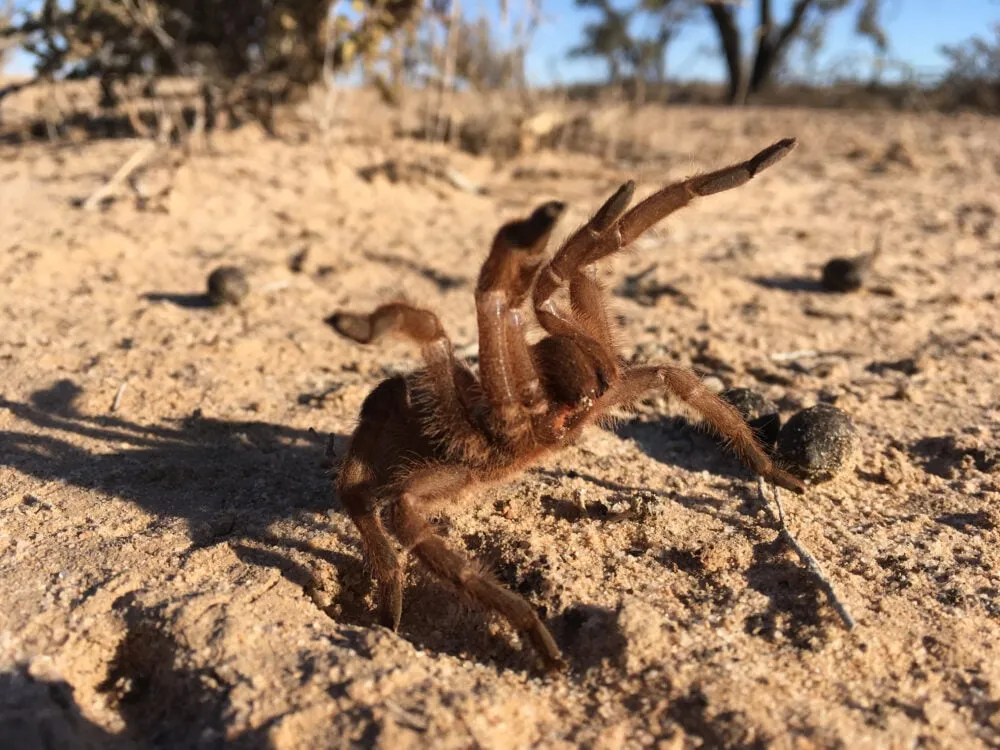
Tarantulas, members of the Theraphosidae family, are large and hairy spiders. These fascinating creatures are often misunderstood. They are generally nocturnal hunters, known for their impressive size and diverse appearances. Tarantulas are found in various habitats around the world, including North and South America, Africa, Asia, and Australia. They are not insects, but arachnids, closely related to scorpions and mites. The term tarantula is often used loosely, and different species exhibit a wide range of behaviors, colors, and sizes. They can live for several years, with females often living longer than males. Their diet consists of insects, small reptiles, and even small mammals, depending on the species and size of the tarantula. Understanding the basic biology of tarantulas is crucial to appreciate their role in the ecosystem and to address common misconceptions.
Basic Biology of Tarantulas
Tarantulas have a segmented body, consisting of a cephalothorax (fused head and thorax) and an abdomen. They possess eight legs, and typically have eight eyes, although the arrangement and size can vary between species. Tarantulas breathe through structures called book lungs, and they molt their exoskeleton as they grow. This process, called ecdysis, allows them to shed their old skin and increase in size. Their bodies are covered in hairs, some of which can be urticating, causing irritation if they come into contact with skin. Tarantulas possess fangs, used to inject venom into their prey. The venom is primarily used to immobilize and digest the prey, and is generally not considered deadly to humans. They have sensory hairs called setae that help them detect vibrations and air currents, aiding in hunting and navigation. They are also known for their silk production, used for creating webs, lining burrows, and protecting their eggs.
Physical Characteristics

Tarantulas are known for their size, with some species having a leg span of over 10 inches. Their bodies are covered in hairs, providing both sensory information and protection. The coloration of tarantulas varies greatly, ranging from solid blacks and browns to vibrant blues, oranges, and reds. Some species display intricate patterns and markings. Their fangs, used for injecting venom, are generally large and prominent. They have eight eyes, typically arranged in two rows, providing them with good vision, although not as acute as some other predators. Tarantulas also possess pedipalps, which are small, leg-like appendages near their mouth that are used for manipulating food and sensing their environment. The physical characteristics of a tarantula are well adapted for their lifestyle, allowing them to be effective hunters and survive in their habitats. The appearance of tarantulas is one of the aspects that fascinates and sometimes frightens people.
Where Do Tarantulas Live?
Tarantulas are found in a variety of habitats worldwide. They are generally terrestrial spiders, meaning they live on the ground. Their habitats include grasslands, deserts, rainforests, and woodlands. Some species are burrowers, creating underground dens, while others are arboreal, living in trees. They prefer warm climates, but they can adapt to different environments. The distribution of tarantulas depends on the species, with some being native to specific regions. They are usually found in areas with an abundance of prey and suitable shelter. The choice of habitat greatly impacts the tarantulas’ behavior and life cycle. The study of their habitats helps in understanding and protecting the species.
Tarantula Habitats in Kelowna
While tarantulas are not typically found in Kelowna, British Columbia, as the climate is generally too cold for most tarantula species, the possibility exists due to the pet trade. Escaped or released pet tarantulas could theoretically survive in a heated environment or greenhouse setting. The dry, warm summers and relatively mild winters in certain parts of the Okanagan Valley might offer a limited possibility for a tarantula to survive in a specific microclimate. If tarantulas were to exist in Kelowna, they would most likely be found in human-altered environments such as gardens, heated garages, or areas with an abundant supply of insects. It is, however, extremely unlikely to find established wild tarantula populations in the Kelowna region due to environmental factors.
Specific Locations and Environments

Should a tarantula be found in the Kelowna area, the environment would likely be very specific and unusual for its survival. It might include sheltered, man-made structures like greenhouses, sheds, or heated basements. In these environments, they might find a stable temperature and humidity level along with a supply of insects for food. The presence of suitable soil, as well as a place to hide, is also essential. They are also often found in gardens, especially if they contain compost piles, which attract a variety of insects that could serve as prey. Natural locations would be extremely rare and may only be suitable in areas that maintain a higher temperature through the winter months. Understanding that their survival in the Kelowna area is improbable due to the natural climate conditions is essential.
Are Tarantulas Dangerous?
Tarantulas are often feared, but they are generally not considered dangerous to humans. Their venom is typically mild and similar to a bee sting. Bites are rare and usually only occur if the spider feels threatened. Some species have urticating hairs that can cause skin irritation and itching. Despite their size and appearance, tarantulas are more likely to run away than attack. They are mostly defensive and use their fangs and hairs to protect themselves. The danger of tarantulas largely comes from the fear associated with them. Education about tarantulas helps to demystify them and reduce unnecessary fear.
Tarantula Bites and Their Effects
When a tarantula bites a human, the effects usually depend on the species and the individual’s sensitivity. The bite often results in localized pain, redness, and swelling. Some people might experience minor symptoms such as itching or muscle cramps. In rare cases, people with allergies might have a more severe reaction. It is essential to clean the bite area with soap and water and seek medical attention if symptoms worsen. Avoid handling tarantulas to minimize the risk of bites. Understanding the possible effects helps one react appropriately in case of a bite. While tarantulas are not deadly to humans, it is essential to treat their bites properly.
How to React to a Tarantula Encounter

If you encounter a tarantula, it is best to observe it from a safe distance. Avoid sudden movements or attempts to handle the spider, as these can trigger a defensive reaction. Do not try to catch or corner the tarantula. If the tarantula is in your home, and you’re uncomfortable, you can gently guide it outside using a container and a piece of cardboard. If you are bitten, remain calm, clean the wound, and seek medical attention if necessary. If you have any concerns about the species or the location of the tarantula, it is best to contact animal control or a local wildlife expert. Proper precautions can minimize the risk of bites and ensure the safety of both the tarantula and yourself. Remaining calm and cautious is the best approach.
What Do Tarantulas Eat?
Tarantulas are carnivorous predators. Their diet consists mainly of insects, but depending on the species and size, they may also consume small vertebrates. This can include small lizards, rodents, and birds. Tarantulas typically ambush their prey. They inject venom to paralyze and begin digesting their food. They use their fangs to crush and tear apart the prey. Their diet has an essential role in the ecosystem as they regulate the populations of insects and other small animals. The food habits of tarantulas can differ from species to species. The variety of their diets is related to the habitats they live in and what is available in their environment.
Tarantula Diet and Feeding Habits
Tarantulas have various feeding habits depending on their size, species, and the availability of prey. Young tarantulas mainly consume smaller insects. Adult tarantulas can eat larger prey like mice or lizards. They typically hunt at night or during dawn and dusk. They ambush their prey, using their fangs to inject venom and paralyze their victims. The process includes releasing digestive enzymes that help break down the prey. They often consume the prey entirely, leaving behind only the indigestible parts. The feeding habits of tarantulas are a sign of their predatory nature. Understanding the eating habits can contribute to proper care when keeping tarantulas as pets.
Importance of Tarantulas in the Ecosystem

Tarantulas play a significant role in their ecosystems. They are top predators. Tarantulas help regulate the populations of insects and other small animals. By consuming these animals, they prevent overpopulation and help maintain a balance. They also serve as prey for larger animals. Their presence contributes to the biodiversity of their habitats. Tarantulas help transfer energy through the food web. The study of their ecosystem impact is important for conservation. Tarantulas are part of the intricate web of life.
Conservation Status of Tarantulas
The conservation status of tarantulas varies depending on the species and location. Some species are widespread and abundant. Others are facing threats and are considered vulnerable or endangered. Habitat loss is a significant threat to tarantula populations. Deforestation and urban development have led to the loss of their homes. The pet trade poses another challenge. Collecting tarantulas for the pet market can threaten wild populations. Conservation efforts include habitat protection and captive breeding programs. Raising public awareness about tarantulas can help protect these fascinating creatures. Conservation is critical to maintaining biodiversity.
Threats to Tarantula Populations
Tarantula populations face many threats. Habitat loss and destruction are the main threats. Deforestation, agriculture, and urban development reduce their habitat. The pet trade poses a risk by over-collecting tarantulas from the wild. Pesticide use affects tarantulas. The use of pesticides can reduce the insect populations that tarantulas rely on for food. Climate change is another concern. Changing climate conditions can affect tarantula habitats. Invasive species may also compete with tarantulas for resources. Understanding these threats can help develop conservation strategies. Protecting these amazing arachnids needs careful planning.
How to Protect Tarantulas

Protecting tarantulas requires a multifaceted approach. Habitat preservation is crucial. Protecting natural areas is very important. Support sustainable land-use practices to minimize habitat loss. Regulating and monitoring the pet trade is essential. Buying tarantulas from reputable breeders is also a great idea. The ethical practices of breeders help reduce demand from wild populations. Avoid using pesticides that can affect tarantulas or their prey. Support conservation organizations. Educate the public about tarantulas. By taking these steps, we can help ensure the survival of these fascinating spiders for future generations. These steps will help create a safe environment.
How to Identify a Tarantula
Identifying a tarantula can be an interesting process. Look for their large size, hairy bodies, and eight legs. The color and patterns can vary widely, but the presence of large fangs and the overall spider appearance is quite distinctive. Observe the arrangement of the eyes. Count their number. Note any distinctive markings or patterns on the body. Compare the spider to images or guides of tarantulas in your region. It is essential to avoid close contact with any spider you are not familiar with. Proper identification requires careful observation and access to reliable information. Knowing the species helps better understand its behavior and habitat.
Distinguishing Features
Several features help distinguish tarantulas. Their size is a primary identifier. Their hairy bodies are unlike other spiders. The presence of large fangs is a notable feature. The arrangement of their eyes and the color patterns of the tarantula also aid in identification. Their pedipalps, located near the mouth, are also useful. Compare the spider to known species in the area to narrow down identification. Consult identification guides to get a positive identification. Accurate identification requires patience and careful observation of these specific features.
Tips for Tarantula Identification

When identifying tarantulas, there are a few tips to keep in mind. Take pictures to help with identification. Compare the spider to pictures in identification guides. Note the habitat where the spider was found. Use a magnifying glass to observe key features, such as the arrangement of hairs. Be very cautious, avoid getting too close. If unsure, consult with a wildlife expert. These tips can help you safely and accurately identify tarantulas. Accurate identification relies on detailed observation and the use of correct resources. Identification is a fascinating process that can deepen appreciation for these arachnids.
Final Thoughts on Kelowna Tarantulas
Tarantulas are remarkable creatures, and though the likelihood of finding them in Kelowna is low, their presence can be an exciting thought. Understanding their biology, habitat, and behavior is important, regardless of location. Appreciating the role of tarantulas in their ecosystems helps promote conservation efforts. Continuing education and awareness can help reduce fear and foster respect for these creatures. If you ever encounter one in an unlikely location such as Kelowna, remember to observe from a distance, and report the sighting to local wildlife authorities. The more we know about tarantulas, the better we can work to protect them. Education is key to fostering appreciation.