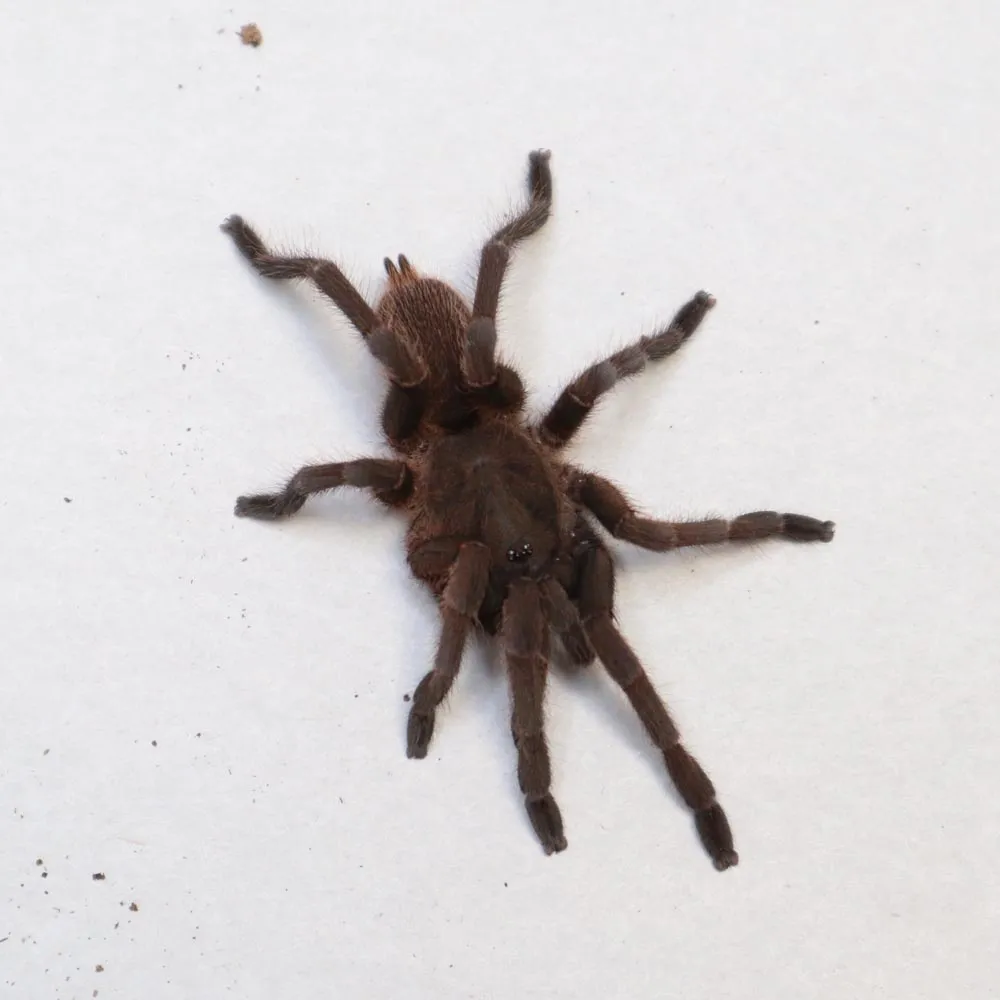
Java Yellow Knee Tarantula: 5 Amazing Facts
The Java Yellow Knee Tarantula, scientifically known as Lasiodora parahybana, is a fascinating creature that captivates the hearts of many arachnid enthusiasts. This captivating species, native to the tropical regions of Java, is known for its striking appearance and relatively docile temperament, making it a popular choice for pet owners. This article delves into five amazing facts about the Java Yellow Knee Tarantula, exploring its physical characteristics, habitat, care requirements, and interesting behaviors. Whether you’re a seasoned tarantula keeper or a curious beginner, you’ll gain valuable insights into these captivating spiders.
Appearance and Characteristics
The Java Yellow Knee Tarantula is a large and impressive spider, known for its striking appearance. Its overall size, combined with its unique coloration, makes it an instantly recognizable species. The tarantula’s body is covered in dense hairs, which provide both sensory input and a degree of protection. These hairs can also be urticating, meaning they can cause irritation if they come into contact with the skin. The species is a true giant among tarantulas, displaying a robust build and a presence that commands attention.
Size and Physical Features

One of the most remarkable aspects of the Java Yellow Knee Tarantula is its impressive size. Females can reach a leg span of up to 10 inches (25 cm), making them one of the largest tarantula species in the world. Males are typically slightly smaller. Their bodies are robust and muscular, designed for both speed and strength. These physical attributes contribute to their overall presence and make them a captivating sight for any tarantula enthusiast. The sheer size of this tarantula is often a primary draw for potential owners.
Distinctive Yellow Markings
As the name suggests, the Java Yellow Knee Tarantula is characterized by its distinctive yellow markings on its legs. These bright yellow patches, particularly noticeable at the joints, provide a striking contrast against the tarantula’s darker body and leg color. The coloration can vary slightly between individuals, but the presence of yellow on the knees is a defining characteristic. The vibrant yellow knee patches are a key feature in identifying this tarantula species, making it easily distinguishable from other tarantulas. These yellow markings add to its aesthetic appeal.
Lifespan and Growth
The Java Yellow Knee Tarantula has a relatively long lifespan, especially for females. Females can live for 15-20 years or even longer with proper care, while males typically live for 3-5 years. This longevity is a significant factor for owners considering this species. The tarantula grows through molting, shedding its exoskeleton as it matures. The growth rate can be quite impressive, with juveniles molting frequently. The time it takes to reach full size depends on factors like diet and environmental conditions.
Habitat and Native Region
The Java Yellow Knee Tarantula originates from the tropical rainforests of Java. Understanding their natural habitat is crucial for providing proper care in captivity. They thrive in warm, humid environments. Replicating these conditions in their enclosure is essential for their health and well-being. The climate of the rainforest provides the optimal environment for this species. The study of their habitat provides insights for responsible pet ownership.
Natural Environment and Behavior
In their native habitat, Java Yellow Knee Tarantulas are terrestrial, meaning they spend most of their time on the ground. They are opportunistic burrowers, often creating burrows in the soil or utilizing natural shelters. They are primarily nocturnal, actively hunting for prey at night. Their behavior in the wild influences their behavior in captivity. They are generally solitary creatures, only interacting during mating. Their natural behaviors provide valuable context for understanding their needs.
Diet and Feeding Habits
The Java Yellow Knee Tarantula is an avid predator, and its diet consists mainly of insects. Providing a varied and appropriate diet is crucial for their health and development. The feeding habits of tarantulas differ from those of many other pets, and understanding their needs is key to successful care. Correct feeding practices directly affect the tarantula’s growth and lifespan. A well-fed tarantula is a healthy tarantula.
What They Eat

Java Yellow Knee Tarantulas are primarily insectivores. Their diet in captivity should consist of a variety of insects, such as crickets, mealworms, roaches, and other commercially available feeder insects. It is crucial to offer insects that are gut-loaded, meaning they have been fed nutritious food before being offered to the tarantula. This ensures that the tarantula receives essential nutrients. The size of the prey should be appropriate for the size of the tarantula. Avoid feeding them insects that are too large.
Feeding Frequency
Feeding frequency depends on the tarantula’s age and size. Spiderlings and juveniles should be fed more frequently, typically 2-3 times per week. Adults can be fed once a week or every other week. Overfeeding should be avoided, as it can lead to health problems. Observe your tarantula to monitor its feeding habits and adjust accordingly. A tarantula that refuses to eat may indicate a problem with its environment or its health. Always ensure a fresh water source is available.
Temperament and Handling
Java Yellow Knee Tarantulas are generally considered to be relatively docile, but caution is always advised when handling them. Understanding their temperament and behavior is crucial for safe interaction. This tarantula species, though relatively calm, can still exhibit defensive behaviors when threatened. The ability to recognize and respect these behaviors is essential to responsible ownership. Handling should be done with care and only when necessary.
Handling Guidelines

Handling a Java Yellow Knee Tarantula is not generally recommended unless absolutely necessary, such as when moving it for enclosure maintenance or health checks. If you do handle it, do so with caution. Wash your hands thoroughly before and after handling to remove any potential contaminants. Avoid sudden movements and always handle the tarantula over a soft surface, in case it falls. Never force the tarantula to do anything it doesn’t want to do. Observe the tarantula’s behavior.
Defensive Behaviors
Like all tarantulas, the Java Yellow Knee Tarantula has defensive mechanisms. When threatened, it may exhibit a threat posture, rearing up on its hind legs and displaying its fangs. It can also flick urticating hairs from its abdomen as a defense mechanism. These hairs can cause irritation if they come into contact with the skin or eyes. Understanding and respecting these defensive behaviors is vital for both your safety and the tarantula’s well-being. Avoid any actions that could be perceived as a threat.
Popularity as Pets
The Java Yellow Knee Tarantula is a popular choice for pet owners due to its striking appearance, relatively docile temperament, and manageable care requirements. Its large size and impressive presence add to its allure. They have gained significant popularity within the exotic pet community. Their overall appeal stems from a combination of aesthetic and practical factors. Their popularity continues to grow.
Why They Are Popular

Several factors contribute to the Java Yellow Knee Tarantula’s popularity as a pet. Their impressive size and striking yellow markings make them visually appealing. They are known to be relatively docile, making them easier to handle (with caution) than some other tarantula species. They are relatively easy to care for. They have a long lifespan, offering owners the opportunity to enjoy them for many years. All these factors contribute to their appeal.
Care Requirements
Providing proper care is essential for the health and well-being of your Java Yellow Knee Tarantula. This includes maintaining an appropriate enclosure, providing suitable temperature and humidity levels, and offering a balanced diet. Proper care is crucial for a long and healthy life for your tarantula. Ignoring these care requirements can lead to health problems. Paying attention to detail is essential for proper care.
Enclosure Setup
A suitable enclosure is essential for the Java Yellow Knee Tarantula’s well-being. A glass terrarium or plastic enclosure is recommended, with dimensions appropriate for the tarantula’s size. The enclosure should be well-ventilated, with a secure lid to prevent escapes. Provide a substrate of coconut fiber, peat moss, or a similar material to maintain humidity and allow for burrowing. Include a hide, such as a piece of cork bark or a hollow log, to provide a secure hiding place. The enclosure setup should mimic their natural habitat as closely as possible. The size of the enclosure should increase as the tarantula grows.
Humidity and Temperature

Maintaining the correct humidity and temperature levels is vital for the Java Yellow Knee Tarantula. The ideal temperature range is between 75-85°F (24-29°C). Use a heat lamp or under-tank heater to maintain the temperature, but always monitor the temperature to prevent overheating. Humidity levels should be maintained between 60-70%. Use a hygrometer to measure humidity. Mist the enclosure regularly to maintain the appropriate humidity. Proper temperature and humidity will contribute to your tarantula’s molting.
Substrate and Decor
The substrate in the enclosure should be several inches deep to allow for burrowing. Coconut fiber and peat moss are popular choices because they retain moisture well and provide a natural environment. Include a water dish with fresh, clean water. Provide a hide, such as a piece of cork bark or a hollow log, for the tarantula to retreat to. Decorate the enclosure with safe, non-toxic plants and other natural elements to create an aesthetically pleasing and stimulating environment. The substrate should be cleaned regularly to remove any waste or uneaten food.
Conclusion
The Java Yellow Knee Tarantula is an amazing species, and understanding its care is crucial for any aspiring owner. This guide provided key facts about their appearance, habitat, diet, temperament, and care requirements. By following the guidelines, you can create a thriving environment for your tarantula. Remember to always prioritize the tarantula’s well-being and provide the necessary care. With proper care, you can enjoy the beauty and fascinating behaviors of this captivating species. Always research and learn as much as possible before acquiring any pet.