Jamaican Tarantula Facts Unveiled
The Jamaican Tarantula, a fascinating arachnid native to the island of Jamaica, often sparks curiosity and sometimes, apprehension. These spiders, known scientifically as Pseudoclamoris burgessi (formerly Phormictopus cancerides), are a unique part of Jamaica’s biodiversity. This guide unveils top facts about these amazing creatures, exploring their physical characteristics, habitat, behavior, and conservation status. Understanding these spiders is crucial to appreciating their role in the ecosystem and dispelling common myths. Prepare to delve into the world of the Jamaican Tarantula, discovering the wonders of this often-misunderstood species and how to approach them. We will cover everything from what they look like to the challenges they face in the wild, providing a comprehensive overview for both enthusiasts and those curious about these captivating creatures.
Appearance and Physical Characteristics
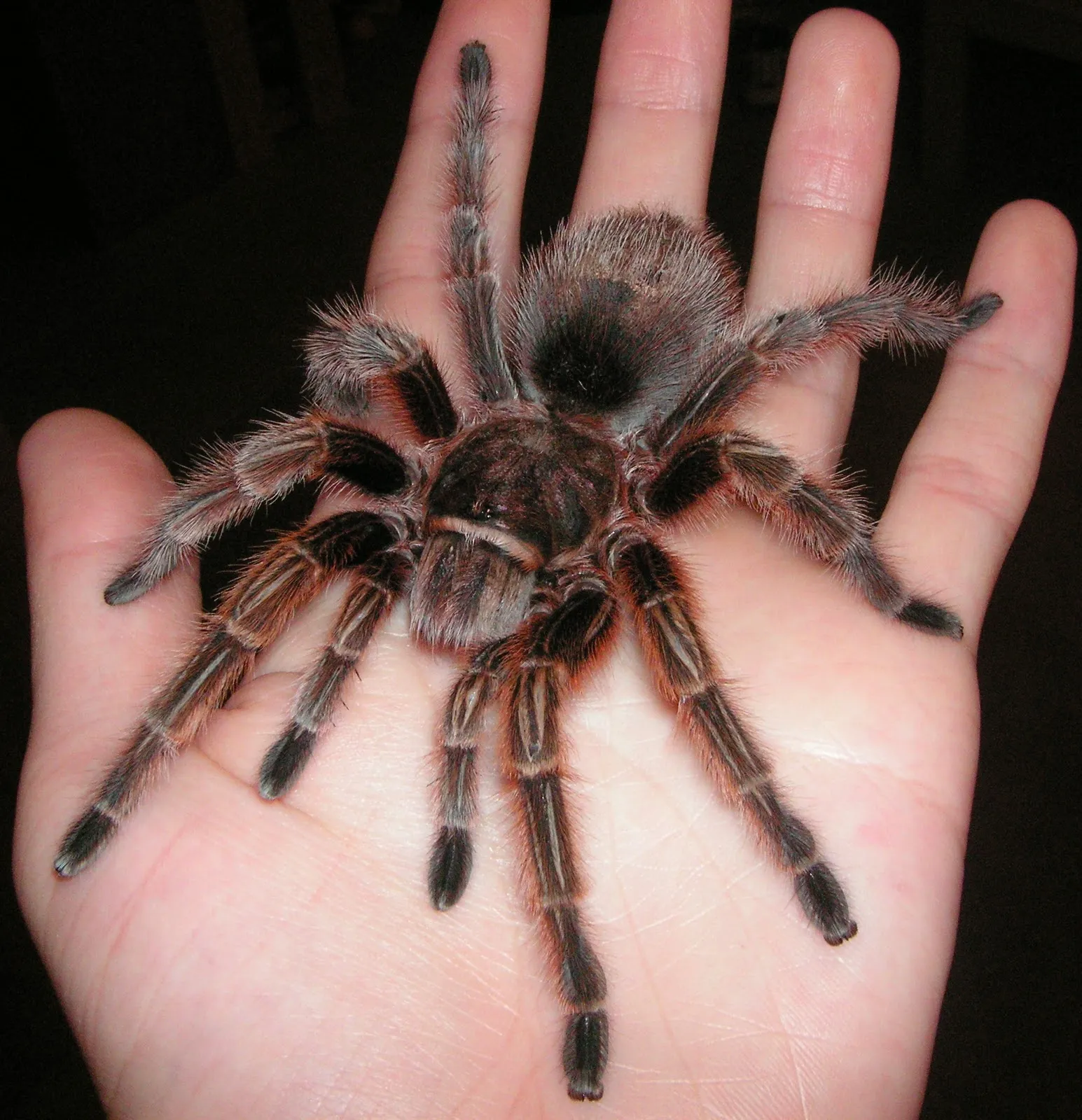
The Jamaican Tarantula is a sight to behold, with a robust body covered in hairs that give it a velvety appearance. Their coloration can vary, but they often exhibit shades of brown, black, and sometimes, reddish hues, providing excellent camouflage in their natural environment. The size of these tarantulas is another defining characteristic; adult females can reach a leg span of up to 6-7 inches, while males are typically slightly smaller. Their impressive size, combined with their hairy appearance, makes them easily identifiable, especially in comparison to other smaller arachnids on the island. The overall physical structure is typical of tarantulas, featuring a cephalothorax (fused head and thorax) and an abdomen, both covered with protective exoskeletons. Their powerful fangs and pedipalps also contribute to their striking appearance.
Size and Colors

Adult female Jamaican Tarantulas are generally larger, boasting a leg span that can reach an impressive 6-7 inches. This substantial size allows them to be formidable predators in their habitat. Males, on the other hand, are usually smaller, often around 5-6 inches. The difference in size is a common trait in many tarantula species, and it plays a role in their mating behavior. Coloration can vary from a deep, rich brown to a more reddish or even black hue, which helps them blend seamlessly with the Jamaican foliage. The contrast in colors also adds to their visual appeal. This color variability, combined with their significant size, makes the Jamaican Tarantula a visually captivating species.
Unique Features
One of the unique features of the Jamaican Tarantula is its robust build, which differs slightly from some other tarantula species. Their hairs, which are not urticating (meaning they don’t cause irritation when touched), cover their entire bodies and provide both sensory input and some protection. The chelicerae, or fangs, are also proportionally larger, reflecting their powerful predatory nature. The pedipalps, which are used for sensing and manipulating prey, are also notable in males, becoming more pronounced during mating. These combined features make the Jamaican Tarantula distinct from other tarantulas, showcasing its adaptation to the specific environment of Jamaica. Additionally, the presence of sensory hairs allows them to detect vibrations and movement, crucial for hunting and avoiding potential threats within their surroundings.
Habitat and Native Range
The Jamaican Tarantula is endemic to Jamaica, meaning it is found nowhere else in the world. Their habitat is primarily located in the forests and woodlands across the island. They prefer areas with dense vegetation, which provides ample shelter and cover from predators. The presence of these spiders is an essential indicator of a healthy ecosystem, and their survival is closely tied to the preservation of their natural habitat. Understanding their habitat helps in both conservation efforts and in providing proper care if kept in captivity. They are a crucial part of the Jamaican ecosystem, playing a role in controlling insect populations and serving as prey for larger animals. The island environment provides the perfect conditions for their survival.
Where They Live

Jamaican Tarantulas are primarily terrestrial, meaning they live on the ground. They create burrows or find shelter under rocks, logs, or within the roots of trees. These burrows provide protection from the elements and predators, and are essential for their survival. The specific locations vary based on the individual spider’s preference, but they always select locations that offer both shelter and easy access to prey. In captivity, they will often burrow if provided with suitable substrate like coco coir or peat moss. Their ability to adapt their living spaces to suit their needs reflects their resilience and adaptability within their environment.
Environmental Preferences
The Jamaican Tarantula thrives in a warm, humid environment. The climate of Jamaica, with its high humidity and temperatures, is ideal for these arachnids. They prefer environments with ample moisture to aid in molting and overall health. In captivity, maintaining the right humidity levels is essential. Additionally, they favor areas with a good supply of leaf litter, which provides both camouflage and a source of prey. Proper temperature and humidity levels are crucial to ensure the spider’s well-being. Understanding their environmental needs is vital for both their survival in the wild and the effective care provided in a captive setting. The microclimates created by the vegetation play a significant role.
Diet and Feeding Habits
The Jamaican Tarantula is a carnivore, with its diet consisting primarily of insects and other invertebrates. They are ambush predators, meaning they wait for prey to come within striking distance. Their powerful fangs and venom are used to subdue and then digest their meals. The availability of prey in their natural habitat plays a significant role in their growth and overall health. In captivity, their diet is typically supplemented with commercially available insects, and a varied diet is essential for optimal nutrition. The Jamaican Tarantula’s feeding habits are crucial to its survival and adaptation within its specific ecosystem, influencing its behavior and habitat preferences.
What They Eat

Their diet primarily comprises insects such as crickets, roaches, and other invertebrates they encounter in their environment. Larger specimens may occasionally prey on small lizards or even small rodents. They are opportunistic hunters, meaning they will consume whatever is readily available, which reflects their ability to adapt to different food sources based on the season. In captivity, keepers feed them a varied diet of insects, including crickets, mealworms, and roaches, supplemented with vitamins and minerals to ensure optimal health. Understanding their diet is key to providing appropriate care and ensuring their longevity, both in their natural habitat and when kept as pets.
Feeding Frequency
The feeding frequency of a Jamaican Tarantula depends on its age and size. Spiderlings (young spiders) need to be fed more often than adults, typically a couple of times a week. As the spider matures, the feeding frequency decreases, often to once a week or even less. Overfeeding can be detrimental, so monitoring their body condition is essential. In their natural habitat, the frequency of feeding varies depending on prey availability. Providing fresh water at all times is also important. The feeding schedule should be adjusted based on the spider’s activity level and molting cycle, recognizing the impact of their environmental conditions.
Behavior and Temperament
Jamaican Tarantulas are generally considered to be docile compared to some other tarantula species, but their temperament can vary. They are not typically aggressive, but they can be defensive if they feel threatened. Understanding their behavior is crucial for handling them safely and ensuring their well-being. They are often more active during the evening and night, when they are more likely to hunt. The behavior of the Jamaican Tarantula is influenced by various factors, including the environment, their size, and their health. Providing an appropriate environment and handling them carefully can minimize stress and promote their well-being.
Typical Behavior

Jamaican Tarantulas are not particularly active spiders, spending a significant amount of time in their burrows or hiding places. They are ambush predators, waiting patiently for prey to come within reach. When they do move, they often display deliberate, deliberate movements. Their behavior also includes molting, which is when they shed their exoskeleton to grow. During the molting period, they are vulnerable and typically retreat to a safe place, avoiding any potential disturbance. Observing their behavior allows for greater understanding of their habits and needs. A healthy specimen will show consistent hunting and feeding behavior, alongside regular molting cycles.
Defense Mechanisms
While generally docile, Jamaican Tarantulas have several defense mechanisms. Their primary defense is biting, using their fangs to inject venom. The venom is not lethal to humans, but the bite can be painful and cause localized reactions. Another defense mechanism is the release of hairs from their bodies to deter predators, although Jamaican tarantulas do not have urticating hairs. These spiders will also try to escape and hide if threatened. They can also exhibit a defensive posture, raising their front legs and fangs as a warning. It’s very important to handle these spiders with care and avoid provoking them, preventing them from needing to use their defense mechanisms.
Conservation Status
The conservation status of the Jamaican Tarantula is a critical concern, given its limited geographic range and the threats it faces. Habitat destruction, due to deforestation and urban development, is a major threat. Awareness and conservation efforts are crucial to ensure their long-term survival. The conservation status of this species reflects the importance of protecting natural habitats and the impact of human activities on biodiversity. Understanding the challenges faced by this species is essential for implementing effective conservation strategies.
Threats and Challenges

The primary threats to the Jamaican Tarantula are habitat loss and human interference. Deforestation and habitat destruction, driven by agriculture and development, directly impact their habitat, and the population of the spiders. These spiders are also vulnerable to the exotic pet trade, and it is important to ensure that they are sourced legally and ethically. Climate change and environmental pollutants also pose indirect threats. Awareness, habitat preservation, and the implementation of sustainable practices are all essential in helping this remarkable species thrive and face less challenges within its natural surroundings. Effective conservation measures must include the protection of their natural habitat and strict regulations to discourage the illegal collection of these spiders for the pet trade.