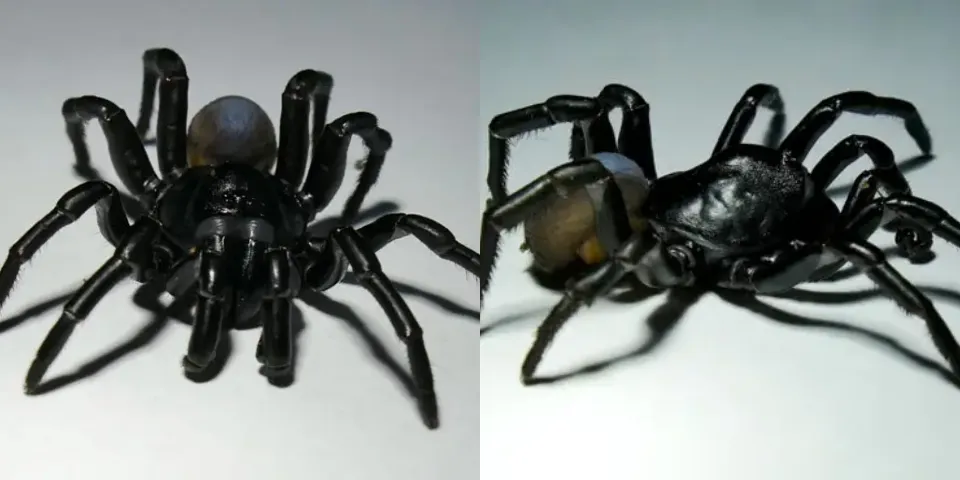
What is Tarantula Venom?
Tarantulas, despite their intimidating size and appearance, are a source of both fascination and concern for many. One of the most common questions surrounding these creatures is whether they possess venom, and if so, how dangerous it might be. The answer lies in understanding that tarantulas, like many spiders, do indeed have venom. This venom is a complex mixture of proteins and enzymes designed to subdue their prey. However, the composition and potency of this venom can vary significantly between different species of tarantulas. Understanding the nature of tarantula venom is the first step in assessing the potential risks associated with these spiders. It’s important to distinguish between venom and poison, as they operate differently in how they affect living beings.
Understanding Venom vs. Poison
A critical distinction needs to be made between venom and poison. Venom is injected, typically through a bite or sting, directly into the bloodstream or tissue of the target. Poison, on the other hand, is ingested, inhaled, or absorbed through the skin. Tarantulas use venom, injecting it into their prey to paralyze or kill it. The venom’s effects on humans can vary greatly depending on the species of tarantula and the amount of venom injected. This distinction is fundamental because the route of exposure dictates the potential reactions and treatments. Understanding this difference clarifies the type of danger posed by tarantulas and aids in the appropriate response to a bite.
The Venom of Tarantulas

The venom of tarantulas is a complex concoction, primarily consisting of proteins, enzymes, and peptides. These components serve various purposes, from quickly immobilizing prey to initiating the digestive process. The exact composition of the venom varies depending on the tarantula species, with some species producing more potent venom than others. In general, tarantula venom is not considered highly toxic to humans. However, it can cause a range of localized symptoms, and in rare cases, more severe reactions. The spider uses its fangs to inject this venom. The length of the fangs and the amount of venom injected are also factors that influence the severity of the bite. The venom’s purpose is to subdue prey, such as insects and small animals, making it easier for the tarantula to consume its meal.
Effects of Tarantula Venom on Humans
When a tarantula bites a human, the effects are usually localized and not life-threatening. The venom typically causes a reaction around the bite site. It is important to know what to expect if you are bitten. Most people experience mild to moderate symptoms, similar to a bee sting. However, the severity can differ based on the individual and the species of tarantula. It’s critical to understand that while tarantula bites are generally not fatal, they can still cause discomfort and require appropriate care. The symptoms are primarily due to the body’s inflammatory response to the venom. Therefore, the first step in assessing a tarantula bite is to observe the physical reaction and the onset of the effects.
Minor Symptoms of a Tarantula Bite
The most common symptoms experienced after a tarantula bite are typically minor. These can include immediate pain at the bite site, often described as a sharp, stinging sensation. Redness and swelling around the area are also typical signs of the body’s inflammatory response. Some individuals may experience itching or a mild burning feeling. In most cases, these symptoms subside within a few hours to a day. The intensity of these minor symptoms can vary from person to person. These are all signs that the body is reacting to the venom and beginning its natural healing process. Usually, the primary treatment will be focused on alleviating these mild discomforts, such as pain relief.
More Severe Reactions to Consider

Although rare, some individuals may experience more severe reactions to a tarantula bite. These can include muscle cramps, which may cause significant discomfort, and increased sweating. Other symptoms include nausea, leading to possible vomiting, and in some cases, dizziness or lightheadedness. While not as common, more severe reactions could also manifest as an allergic response. This could include hives, difficulty breathing, or in the extreme instance, anaphylaxis. If any of these more severe symptoms appear, immediate medical attention is necessary. Prompt treatment is essential to mitigate any severe health risks, and to stabilize the individual quickly. Observing the bitten person carefully is vital to monitor the symptoms’ progression.
First Aid for Tarantula Bites
If bitten by a tarantula, immediate first aid can significantly reduce discomfort and potential complications. The first step is to gently clean the bite area with mild soap and water to prevent infection. Applying a cold compress to the area can help reduce pain, swelling, and slow the venom absorption. It’s important to keep the bite area clean and dry. Over-the-counter pain relievers, such as ibuprofen or acetaminophen, can help manage pain and inflammation. Any jewelry or tight clothing near the bite should be removed to accommodate swelling. If more severe symptoms develop, seek immediate medical attention. First aid is crucial in the initial response to a tarantula bite. Moreover, it aids in minimizing the risks of any adverse reactions to the bite.
How to Treat a Tarantula Bite
The treatment for a tarantula bite largely depends on the severity of the symptoms. For minor symptoms, such as localized pain and swelling, the primary treatment involves symptomatic relief. This may include pain relievers, antihistamines to reduce itching, and regular cleaning of the bite site to prevent infection. A doctor might prescribe stronger medications for managing severe reactions. In the event of an allergic reaction, such as anaphylaxis, emergency medical treatment is essential. This could involve epinephrine (an EpiPen) and other supportive measures. The treatment focuses on the specific symptoms present and on preventing any secondary infections. Following the guidance of a medical professional is imperative, particularly if the reaction is severe.
Are All Tarantulas Venomous?

Yes, all tarantulas are venomous, but not all tarantulas pose the same level of threat to humans. Tarantulas use their venom to subdue prey, like insects and small animals. The potency of the venom varies between different species. Some tarantulas have a much more potent venom than others. This difference in venom potency affects the severity of the effects on humans. While all tarantulas possess venom, the overall risk of serious harm from a bite is generally low. However, caution and awareness of the potential risks are always recommended. It’s also worth noting that tarantulas may also use their hairs (urticating hairs) as a defense mechanism, which can cause irritation.
Different Species and Venom Potency
The venom potency of tarantulas varies significantly between species. Some species have relatively mild venom that causes only minor localized effects in humans. In contrast, other species possess venom that can cause more severe symptoms. Factors such as the tarantula’s size, diet, and evolutionary adaptation play a role in its venom composition. Understanding these differences is essential for assessing the potential risks associated with various tarantula species. This knowledge is especially important for those who handle tarantulas or who live in areas where these spiders are common. Researching the specific species is recommended if you have an encounter with a tarantula.
Do Tarantulas Pose a Threat to Pets?
Tarantulas can pose a threat to pets, although the risk is generally lower than for humans. Small pets, such as birds, rodents, and smaller reptiles, may be more vulnerable to the effects of tarantula venom. Larger pets, such as dogs and cats, typically experience only mild symptoms. The size and health of the pet will influence the reaction to the bite. It is essential to monitor pets closely if they come into contact with a tarantula. Prompt veterinary care should be sought if any adverse symptoms develop. Pet owners should be cautious when tarantulas are nearby. The risk is present, especially for animals that are smaller or more sensitive to venom.
Keeping Tarantulas as Pets Safety Precautions

If you keep tarantulas as pets, several safety precautions are important. Proper containment is crucial to prevent escape, which can minimize the risk of bites to both humans and pets. Handling tarantulas should be done with care and knowledge. Avoid handling them unless necessary. If handling is unavoidable, wear gloves and use tools to minimize the risk of direct contact. Educating yourself about the specific species you own is crucial to understanding its temperament and venom potency. Secure housing and careful handling practices are fundamental in ensuring the safety of both the pet owner and their pets. Furthermore, it’s also necessary to understand the tarantulas’ behaviors and how they may react to their environments.
Top 5 Facts About Tarantula Venom
Fact 1 The Purpose of Tarantula Venom
The primary function of tarantula venom is to subdue prey. It paralyzes or kills insects and other small animals that the tarantula hunts. The venom aids in the digestion of their prey, breaking down tissues and making it easier for the tarantula to consume its meal. Tarantulas, as predators, rely on venom to survive and thrive. The venom is an integral part of their predatory strategy and their ability to secure food. Understanding the venom’s purpose provides a better grasp of its role in the tarantula’s life cycle and survival. The venom’s role helps the tarantulas to dominate their ecosystem and successfully hunt their food.
Fact 2 Venom Potency

The potency of tarantula venom varies significantly among different species. Some species have a relatively mild venom, while others possess more potent toxins. The potency can also depend on the tarantula’s age, diet, and overall health. Understanding the venom potency is essential for assessing the potential risk of a bite. It informs the level of precautions needed and the severity of expected reactions. Scientists often study venom potency. They analyze the composition of the venom. They also measure the effects on test subjects to determine the toxicity levels.
Fact 3 Severity of Bites
Most tarantula bites in humans are not life-threatening and cause only minor symptoms. These symptoms include localized pain, redness, and swelling. Severe reactions are rare but can occur in some individuals. Those may experience muscle cramps, nausea, and, in extreme cases, allergic reactions. The severity of the bite depends on several factors. These include the species of tarantula, the amount of venom injected, and the individual’s sensitivity. Understanding the potential severity allows for better preparation and response. It also underscores the importance of seeking medical attention if more severe symptoms arise. Proper first aid is also important in minimizing any negative reactions.
Fact 4 Risk Factors
Several factors can influence the risk associated with tarantula bites. These include the tarantula species, the individual’s sensitivity to the venom, and any pre-existing health conditions. People with allergies or sensitivities may experience more severe reactions. The location of the bite and the amount of venom injected also play a role. Proper handling techniques and awareness of potential risks can help mitigate these factors. Being aware of these risk factors empowers people to take the necessary precautions. It helps reduce the chances of adverse outcomes and to ensure safety, especially for those working with or around tarantulas.
Fact 5 The Prevalence of Bites

Tarantula bites are relatively rare, particularly in areas where these spiders are not common. The likelihood of being bitten increases if you handle tarantulas or live in an area where they are found. Most bites occur due to human interaction, such as accidentally disturbing a tarantula. The majority of bites result in minor symptoms. Education and awareness can help reduce the risk of bites. Learning about tarantula behavior and avoiding contact can greatly minimize the possibility of getting bitten. Understanding the prevalence provides a realistic perspective on the risk and reinforces the importance of safe practices.