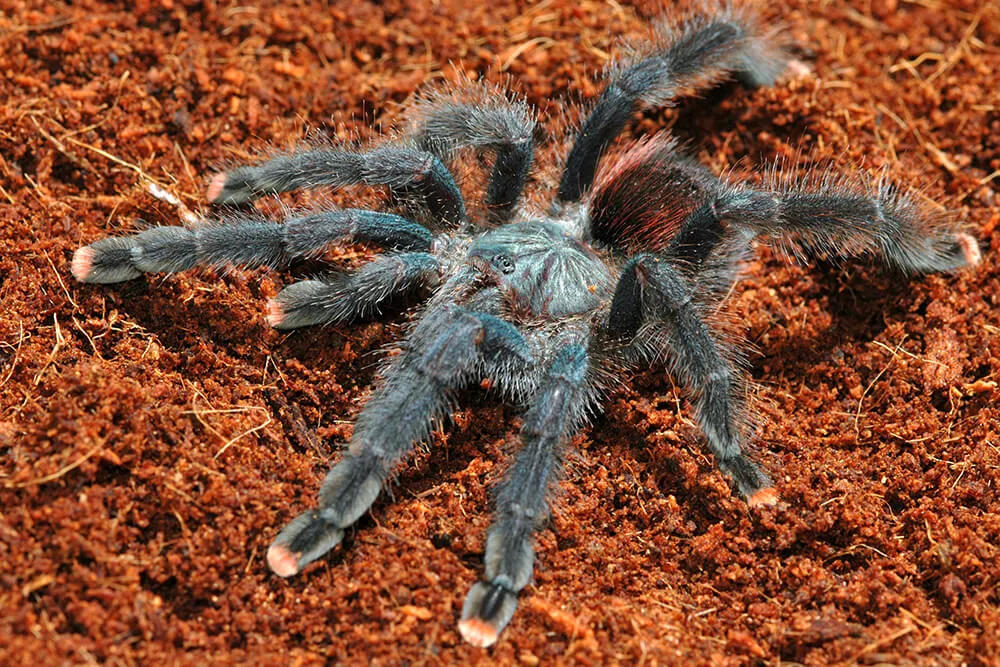
What are Tarantulas
Tarantulas are large, hairy spiders belonging to the Theraphosidae family. They are known for their impressive size, often boasting leg spans that can reach over 10 inches. These arachnids are found in various habitats around the world, from tropical rainforests to arid deserts. Tarantulas are generally nocturnal hunters, preying on insects, small reptiles, and occasionally, even small mammals. Despite their intimidating appearance, most tarantula species possess venom that is not considered life-threatening to humans. Their life cycle includes molting, a process where they shed their exoskeletons to grow. These fascinating creatures play a vital role in their ecosystems, controlling insect populations and serving as a food source for other animals. They are popular pets, and their unique characteristics have captured the interest of many people worldwide. Understanding tarantulas is the first step in appreciating the complexity of the animal kingdom.
Tarantulas in Hyderabad Overview
Hyderabad, a bustling city in India, is also home to various species of tarantulas, although they are not as commonly encountered as other wildlife. These spiders typically inhabit the less disturbed areas surrounding the city, including scrub forests, rocky terrains, and even some urban green spaces. The presence of tarantulas in Hyderabad highlights the region’s biodiversity and the importance of preserving their habitats. While sightings might be rare due to their secretive nature, the local tarantula species contribute to the ecosystem’s balance by controlling insect populations. These spiders play an important role in the local ecology, and their presence is an indicator of a healthy environment. Efforts to conserve these habitats and educate the public about these fascinating creatures are essential to ensure their survival. Local conservation groups work to study and understand these spiders, promoting awareness.
Fact 1 Size and Appearance of Hyderabad Tarantulas

Hyderabad tarantulas, like their counterparts worldwide, exhibit a range of sizes and appearances, depending on the species. Generally, these spiders have a robust build, with hairy legs and bodies. Their coloration varies, often featuring shades of brown, black, and sometimes, subtle patterns. The leg span can vary, but many species in the region can reach several inches across. The body of the tarantula is divided into two main parts the cephalothorax (fused head and thorax) and the abdomen. They possess eight legs, each equipped with tiny claws that help them grip surfaces. Their bodies are covered in sensory hairs, which enable them to detect vibrations and movement in their surroundings. These sensory hairs play a vital role in hunting and navigating their environment, giving them advanced awareness.
Fact 2 Habitat and Where to Find Them
The ideal habitat for Hyderabad tarantulas includes undisturbed environments with suitable shelter. They often make their homes in burrows, under rocks, or within dense vegetation. The presence of these spiders is often linked to areas with a steady food supply, such as insect populations. Finding these spiders requires a keen eye and patience. Look in areas with rocky outcrops, scrub forests, and occasionally, even in gardens with minimal disturbance. Because they are nocturnal hunters, the chances of seeing one during the day are slim. The microclimates of their chosen habitats also play a crucial role in their survival. Factors like temperature and humidity levels influence their activity. Their ability to adapt to different conditions is an important aspect of the tarantulas of Hyderabad.
Fact 3 Behavior and Habits
Hyderabad tarantulas are primarily nocturnal creatures, most active during the night hours. This behavior helps them avoid the harsh daytime heat and also gives them an advantage in hunting. They are typically ambush predators, waiting patiently for prey to come within striking distance. Their diet consists primarily of insects, but they may also consume small lizards or other invertebrates if the opportunity arises. These spiders are generally solitary, only interacting with others during mating season. The males wander in search of a mate. They engage in a complex courtship ritual, often involving drumming or tapping to attract a female. After mating, the female lays eggs and protects her eggs, which can result in the development of a lot of spiderlings. Their behaviors, like hunting, defense, and mating, play an important role in their lifecycle.
Fact 4 Diet and Feeding

The diet of Hyderabad tarantulas mainly consists of insects. They are opportunistic feeders and will readily consume any suitable prey that comes their way. Crickets, cockroaches, beetles, and other ground-dwelling insects are common food sources. Tarantulas use their fangs to inject venom, immobilizing their prey before consuming it. The venom contains digestive enzymes that break down the prey’s tissues, allowing the spider to suck up the nutrient-rich fluids. They can survive for extended periods without food, particularly if they are well-hydrated. The frequency of feeding varies depending on their size, age, and the availability of food. Young tarantulas need to eat more frequently than adults. The spider may refuse food before molting. Providing a varied diet is essential to ensuring they get all necessary nutrients.
Fact 5 Venom and Safety
While Hyderabad tarantulas possess venom, it is generally not considered life-threatening to humans. Their venom primarily affects small prey, such as insects. A bite from a tarantula might cause local pain, redness, and swelling, but serious reactions are rare. If bitten, it’s essential to wash the affected area thoroughly with soap and water. Avoid squeezing the wound. It’s important to seek medical attention if symptoms worsen or if you experience any allergic reactions. In general, the risk of being bitten is low, as these spiders are not aggressive and will usually try to escape rather than attack. Avoid handling tarantulas without proper knowledge and precautions. Educating yourself about the spiders and their behavior can reduce any risk.
Conservation Status of Hyderabad Tarantulas
The conservation status of Hyderabad tarantulas is a concern due to habitat loss and degradation. The expansion of urban areas, agricultural practices, and deforestation are threatening their natural habitats. The lack of awareness about these species also hinders conservation efforts. Some species might be locally common, while others face serious risks. Conservation initiatives should focus on protecting their remaining habitats and preventing further destruction. Educating the public about their value and importance can foster support for their conservation. Monitoring populations, studying their ecology, and implementing habitat restoration projects are critical to their long-term survival. The cooperation of government agencies, conservation organizations, and the community is crucial to ensure the future of Hyderabad tarantulas.
Threats to Hyderabad Tarantulas

Hyderabad tarantulas face several threats. The most significant threat is habitat loss due to urbanization and agriculture. The destruction of forests and natural landscapes reduces the spiders’ available living space. Climate change can also impact their habitat, changing temperature and rainfall patterns. Pollution and pesticide use can affect their food supply and directly poison them. The illegal pet trade is another threat. Removing these spiders from their natural habitat can disrupt their populations. Invasive species can compete with native tarantulas for resources. Raising public awareness about these threats is essential to promoting conservation efforts. Collaboration among all stakeholders is required to reduce these dangers and ensure their survival.
How to Help Protect Tarantulas in Hyderabad
You can take steps to help protect Hyderabad tarantulas and their habitats. Support conservation organizations that work to protect their habitats. Avoid disturbing the natural environment and report any sightings of tarantulas or illegal activities. Educate yourself and others about tarantulas and their importance in the ecosystem. Participate in local conservation projects. Advocate for policies that protect natural habitats and wildlife. Promote sustainable practices that minimize environmental impact. By making informed choices, you can contribute to their conservation. Every effort, no matter how small, makes a difference. By helping to protect the tarantulas, you are also helping to protect biodiversity. This includes the other animals that live in the same habitat. The cumulative effect of all these efforts can help ensure the future of the tarantulas.