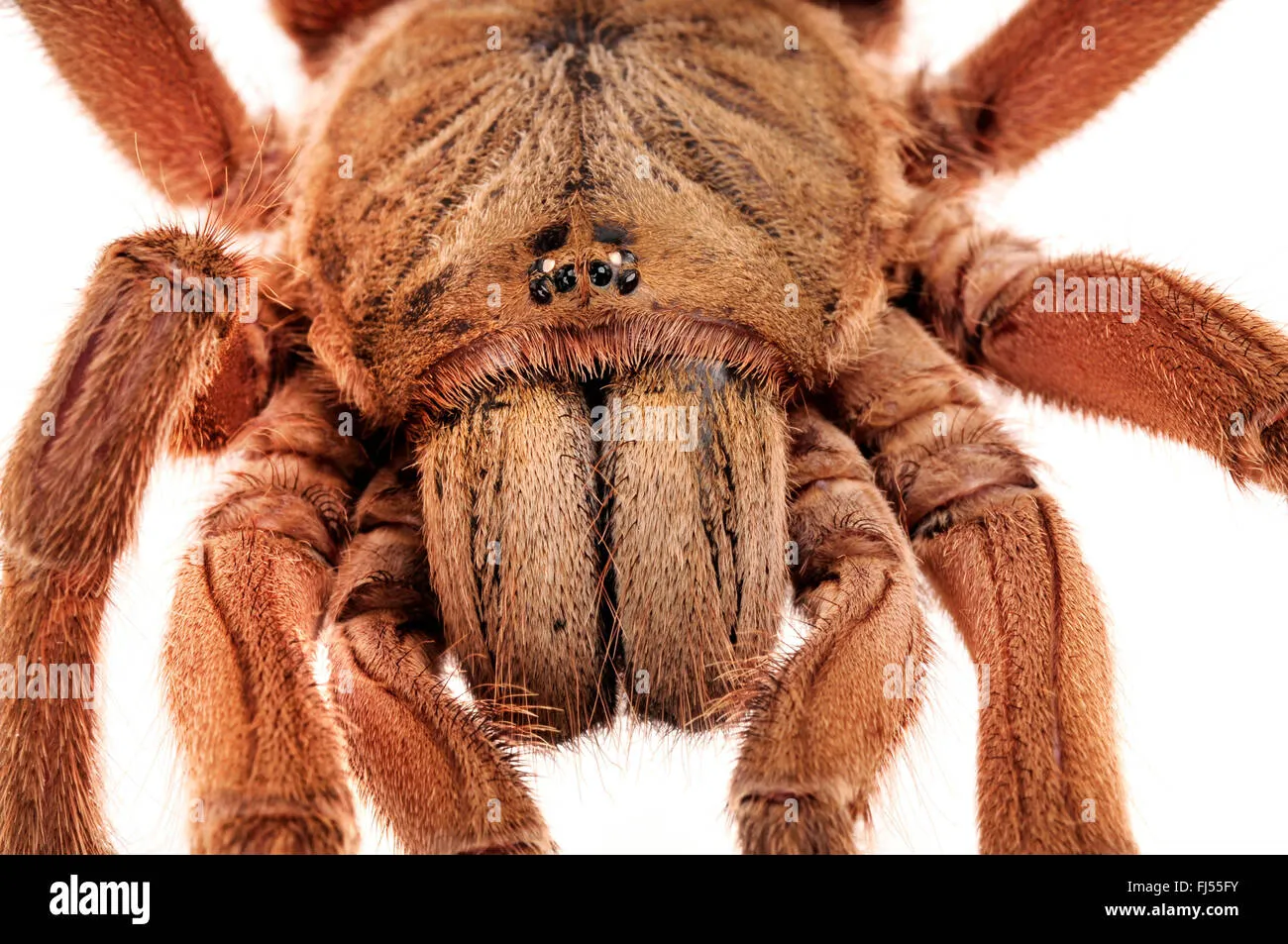
What is a Huahini Tarantula?
The Huahini tarantula, scientifically known as Cyriopagopus vonathi, is a captivating species of tarantula that has gained significant attention within the arachnid enthusiast community. These spiders are native to the tropical regions, and they are known for their striking appearance and intriguing behavior. Understanding the basics of what constitutes a Huahini tarantula sets the stage for appreciating the unique characteristics that make them stand out. The Huahini tarantula is a burrowing species, meaning they prefer to create underground tunnels where they spend most of their time. Their lifestyle, appearance and the relative ease of their care, make them popular pets for those who appreciate exotic animals. This guide will further explore the world of these fascinating creatures, from their physical traits to their conservation status.
Appearance and Physical Characteristics
Size and Colors

Huahini tarantulas are medium to large spiders, with mature females generally being larger than males. The size of these tarantulas can vary slightly depending on the specific individual, but they typically range in leg span from 5 to 7 inches when fully grown. This makes them a substantial presence in any enclosure. Their coloration is another defining aspect. The Huahini tarantula displays a vibrant range of colors, often featuring a base body color that is a deep brown or black. This base is contrasted by intricate patterns of orange, gold, or reddish hues on their legs and carapace. This coloration not only adds to their visual appeal but also serves as a form of camouflage in their natural habitat. The overall appearance of the Huahini tarantula is a testament to the beauty and diversity of the tarantula world.
Unique Features
Beyond size and color, the Huahini tarantula boasts several unique features that set it apart. One of the most distinctive aspects is the texture of their bodies. The carapace, which is the top part of the cephalothorax, often has a smooth, glossy appearance. The legs, on the other hand, can be covered in fine hairs, giving them a velvet-like texture. The spinnerets, which are used to produce silk, are also prominently visible at the end of their abdomen. These spinnerets are crucial for creating the silk that they use to build their burrows and traps, showcasing a sophisticated architectural skill. Furthermore, the Huahini tarantula, like other tarantulas, has chelicerae, or fangs, that are used for injecting venom into prey. Their physical attributes collectively contribute to their unique visual and behavioral profile.
Habitat and Distribution of Huahini Tarantulas
Natural Environment

Huahini tarantulas thrive in specific environmental conditions that influence their behavior and overall well-being. They are naturally adapted to humid and warm environments, with temperatures typically ranging between 75°F to 85°F (24°C to 29°C). They prefer a substrate that allows them to burrow, such as a mix of substrate and coconut fiber, providing them with the necessary space to construct their habitats. Humidity levels in their environment should be kept relatively high, around 70% to 80%, which mimics their natural tropical environment. These conditions are vital for proper molting, preventing dehydration, and overall health. The presence of hiding places, like cork bark or artificial caves, enriches their environment, giving them the security they need. By replicating their native habitat, you enhance their well-being and their display of natural behaviors.
Geographical Range
The geographical distribution of the Huahini tarantula is generally limited to certain regions. It’s crucial to understand the exact native locales to appreciate their adaptations and conserve them effectively. These tarantulas are often found in specific pockets of Southeast Asia, particularly in areas with lush, dense vegetation and high humidity. They tend to inhabit tropical rainforests and other areas that are characterized by ample cover, such as decaying wood and burrows beneath the soil. Due to their preference for these specialized habitats, their range can be quite limited. Understanding their natural habitats and distribution helps in implementing effective conservation strategies, making sure these incredible arachnids continue to thrive in their natural environment.
Huahini Tarantula Behavior and Lifestyle
Diet and Feeding Habits

The diet of the Huahini tarantula is a critical element in its survival and overall health. As obligate carnivores, these spiders primarily feed on insects. Crickets, mealworms, and roaches are common food sources, offering essential nutrients for growth and maintenance. The size and frequency of feedings depend on the tarantula’s age. Spiderlings require more frequent feeding, while adult tarantulas can eat less often. It’s also important to provide appropriately sized prey to avoid any issues during the hunting process. These tarantulas are ambush predators, waiting patiently for their prey to come close. They then use their fangs to inject venom, immobilizing their meal. They also consume any leftover exoskeleton or other insect parts for additional nutrients. A varied and balanced diet is vital for ensuring the longevity and vibrancy of Huahini tarantulas.
Defensive Mechanisms
Huahini tarantulas have a number of defensive mechanisms they employ when threatened. They are not aggressive creatures, but they will defend themselves if they feel they are at risk. One of their key defenses is their ability to bite, which can be painful. Their fangs are used to inject venom, which is primarily used to subdue prey, although the bite can still cause discomfort to humans. Some species have urticating hairs. Huahini tarantulas do not possess urticating hairs. Moreover, like all tarantulas, they can also flick hairs off their abdomen if they perceive a threat. Therefore, it is important to handle these creatures with care and respect. Providing them with a secure environment with plenty of hiding places reduces the likelihood of these defensive actions.
Reproduction and Life Cycle
Mating Rituals

Mating is a fascinating aspect of the Huahini tarantula’s life cycle. It starts with the male initiating a courtship ritual. This often involves drumming or vibrating the ground to attract a receptive female. Once the male approaches the female, he presents himself cautiously, trying to avoid being mistaken for prey. Males also use special structures called tibial hooks on their front legs to secure themselves from the female’s fangs. The male will deposit sperm into the female’s epigastric furrow, a specialized area on her underside. After successful mating, the male often retreats quickly to avoid becoming a meal for the female. The process is intricate and demonstrates the complexities of tarantula behavior.
Egg Sacs and Spiderlings
After mating, the female Huahini tarantula produces an egg sac, a protective structure made of silk in which she incubates her eggs. The number of eggs can vary, depending on the size and health of the female. She diligently guards the egg sac and keeps it safe until the spiderlings hatch. Once the spiderlings emerge, they stay with their mother for a short time. They go through several molting cycles as they grow. The spiderlings are particularly vulnerable during their early stages. They require proper care and nutrition to reach maturity. The entire reproductive process highlights the parental care behaviors and the complex life cycle of the Huahini tarantula.
Conservation Status and Threats
Current Conservation Efforts

The Huahini tarantula’s conservation status and the threats it faces are matters of great concern. Habitat loss due to deforestation, urbanization, and agriculture is a major threat. The destruction of their natural environment reduces the area where they can survive and reproduce. The pet trade, particularly unregulated collection, also puts significant pressure on wild populations. While responsible breeders and enthusiasts promote the conservation of these species, illegal collection and the pet trade can negatively impact the balance of the wild population. Climate change, which affects temperature and humidity, further intensifies the challenges these species face. To protect these species, conservation efforts include habitat preservation, captive breeding programs, and raising awareness among the public about the importance of tarantula conservation.
What Makes Huahini Tarantulas Special?
The Huahini tarantula is special due to its striking appearance, interesting behavior, and the unique role it plays in its ecosystem. Their vibrant colors and patterned legs are captivating to observe. Their burrowing habits and ambush hunting techniques provide insight into their survival strategies. They are a key part of the food web, contributing to the health of their ecosystems. Their presence indicates that their environments are healthy. Furthermore, Huahini tarantulas are increasingly popular in the pet trade. This popularity highlights the importance of understanding their needs and the need for responsible practices in the care and conservation of the species. Appreciation for these beautiful arachnids is important for promoting their survival in the wild.