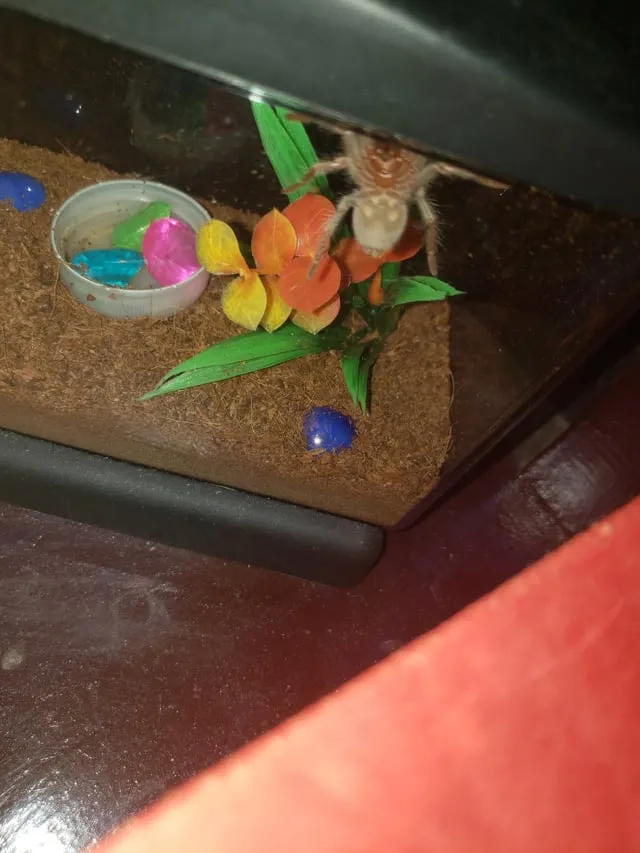
Understanding Tarantula Gender Basics
Determining the gender of your tarantula is a crucial aspect of responsible tarantula ownership. Whether you’re planning to breed them, understand their behavior, or simply want to know more about your pet, sexing a tarantula is a skill every keeper should acquire. This ultimate guide will walk you through the process, providing you with the knowledge and techniques needed to accurately identify your tarantula’s gender, offering comprehensive methods and expert tips to help ensure a successful and informative experience.
Why Knowing Your Tarantula’s Sex Matters
Knowing the gender of your tarantula goes beyond mere curiosity; it has practical implications for its care and your overall experience. For instance, if you’re considering breeding, you’ll obviously need to know the sex of each tarantula before you can even begin. Males and females also have different lifespans; females often live significantly longer than males. Moreover, understanding the gender can help you anticipate and interpret specific behaviors, allowing you to provide the best possible care tailored to your tarantula’s needs, ultimately leading to a more rewarding experience for both you and your eight-legged friend.
Male vs. Female Tarantulas

The primary differences between male and female tarantulas are related to their reproductive systems and physical characteristics. Males possess pedipalps that are modified for mating, often appearing bulbous and swollen at the tips, while females have spermathecae (internal reproductive organs) which may be visible through the exuvia. Males also have tibial hooks on their front legs, used to hold the female’s fangs during mating. Females are generally larger, live longer, and have more robust bodies. Understanding these distinctions is the key to successfully sexing your tarantula, so keep these differences in mind while following the methods below.
Methods for Sexing Tarantulas
There are several methods to sex a tarantula, each with its own advantages and disadvantages. The most common techniques include examining the exuvia (molted skin), analyzing the pedipalps, and using the ventral sexing method. These methods rely on identifying specific anatomical features that differ between males and females. Accuracy depends on factors like the tarantula’s species, age, and the quality of the tools and lighting. Let’s dive into each method to determine how to check tarantula gender and the steps involved.
Examining the Exuvia (Molted Skin)
The exuvia, or the molted skin of a tarantula, is a valuable resource when sexing. After molting, the tarantula leaves behind a perfect cast of its anatomy. This method is less invasive than handling the tarantula, and it provides a clear view of certain sex-specific features. This method works best with mature tarantulas, as the characteristics become more prominent with age and successive molts. The key is to carefully examine the ventral side of the exuvia for the presence of spermathecae or the absence of tibial hooks.
Identifying Spermathecae in Females

Female tarantulas have spermathecae, which are internal reproductive organs that appear as distinct structures within the exuvia. These structures are typically located near the front of the abdomen. They can vary in shape, often appearing as two separate pouches or a single, more complex structure. The visibility of the spermathecae depends on the species, size, and clarity of the molt, but with careful observation, you can confidently identify a female tarantula by the presence of these organs.
Observing the Presence of Hooks in Males
Male tarantulas do not possess spermathecae, so when sexing the exuvia, the absence of these structures is a primary indicator of a male. However, a more definitive clue is the presence of tibial hooks. These hooks are found on the first pair of legs and are used during mating to hold the female’s fangs. These hooks may be small, so examine the legs under magnification to identify them. If you see tibial hooks, you can confirm that the tarantula is male.
Analyzing the Pedipalps
Another reliable method involves examining the pedipalps, the small leg-like appendages located near the tarantula’s mouth. In mature males, the pedipalps are modified to store sperm and are often bulbous and swollen at the tips. This method, therefore, is most effective with adult tarantulas, as the bulbs develop after the final molt. The shape and structure of the pedipalps can be examined under magnification, helping you identify whether the tarantula is male or female.
Visual Inspection of the Pedipalps

To sex your tarantula this way, gently hold the tarantula, making sure to ensure your safety and the safety of the spider. Using a magnifying glass or microscope, inspect the pedipalps. In males, the pedipalps will have a distinctive, swollen, bulbous structure at the tips, often referred to as ‘boxing gloves’. Females have pedipalps similar in appearance to their other legs. Note that this method is only reliable for adult males, as the bulbs do not develop until the final molt.
Importance of Proper Lighting and Magnification
Proper lighting and magnification are essential for the accurate sexing of tarantulas using the pedipalp method. Use a bright, focused light source to illuminate the pedipalps, ensuring that you can see the details. A magnifying glass or a microscope is crucial to get a clear view of the structures. Without adequate magnification, it will be difficult to discern the subtle differences between the pedipalps of males and females. Make sure the tarantula is in a secure and calm environment to allow for detailed examination.
Ventral Sexing Method
The ventral sexing method involves directly examining the underside (ventral side) of the tarantula’s abdomen. This method may require gently handling the tarantula, so it is important to be careful and confident in your handling skills. This method is especially useful when no molt is available, or if you are working with younger tarantulas. The key is to look for the presence of the spermathecae or the absence of these organs in males.
Locating the Spermathecae or Epigastric Furrow

The location of the spermathecae is key to identifying the sex of the tarantula. In females, spermathecae are located on the underside of the abdomen, near the front, and appear as distinct structures. They may be two separate pockets or a single, complex shape. In some species, you may also look for an epigastric furrow, which is a groove where the spermathecae are housed. In males, you will not find spermathecae. Keep in mind that this method can be challenging with younger tarantulas or with tarantulas that are difficult to handle.
Benefits and Drawbacks of Each Method
Each sexing method has its own advantages and disadvantages. The best method for you will depend on the specific circumstances, your level of expertise, and the tarantula’s age and species. Consider the pros and cons of each to determine which is best for your needs.
Exuvia Method Advantages and Disadvantages
Advantages: Non-invasive; you do not have to handle the tarantula. It provides a clear view of the sex-specific features. Disadvantages: Requires a recent molt; the quality of the molt influences accuracy. May not be possible to sex immature tarantulas.
Pedipalp Inspection Strengths and Weaknesses

Advantages: Provides direct visual confirmation for adult males. Disadvantages: Requires handling and a good eye; only reliable with adult males.
Ventral Sexing Method Pros and Cons
Advantages: Can be used even if you don’t have access to a molt. Disadvantages: Requires handling and a good eye; the accuracy may be limited with immature tarantulas.
Factors Affecting Accuracy
Several factors can affect the accuracy of sexing your tarantula. The species, age, and size of the tarantula can influence how easy it is to identify the sex. Similarly, your skills, tools, and the lighting conditions also play an important role.
Tarantula Species Variations

Different tarantula species have unique characteristics. Some species might have spermathecae that are more easily visible. Others may have more distinct tibial hooks. Researching the specific characteristics of your tarantula’s species can enhance the accuracy of your sexing efforts. Some species are more difficult to sex than others, requiring a more advanced technique.
Tarantula Size and Age Influence
The age and size of your tarantula will affect the visibility of sex-specific features. Younger tarantulas may not have fully developed characteristics. The features needed for sexing become clearer as they mature. Adult tarantulas are generally easier to sex because the reproductive organs and secondary sexual characteristics are well-developed. Therefore, it is generally more challenging to sex a juvenile tarantula.
Expert Tips for Success
To improve your chances of accurately sexing your tarantula, here are some expert tips, including when to avoid sexing, the essential tools needed, and common mistakes to avoid.
When to Avoid Sexing

There are a few situations where it’s best to avoid sexing your tarantula. If the tarantula is in premolt, handling could stress the animal. If you’re inexperienced with handling tarantulas, it’s best to seek the advice of an experienced keeper. If the tarantula is very young, sexing can be difficult due to underdeveloped features. Additionally, if you are uncertain about the tarantula’s species or the specific traits, it’s best to gather more information before attempting to sex it.
Tools and Equipment Needed
To successfully sex your tarantula, you’ll need a few essential tools. A magnifying glass or a microscope is crucial for inspecting the pedipalps and exuvia. A bright, focused light source will help illuminate the structures and make them easier to see. Non-reflective tools such as tweezers can be helpful for manipulating the exuvia. Knowledge of the species will help in the process, and some resources and guides will be helpful.
Common Mistakes to Avoid
Several common mistakes can compromise the accuracy of your sexing efforts. One mistake is rushing the process; take your time to carefully examine the key features. Another is relying on a single method. For the most reliable results, use multiple methods whenever possible. Also, be cautious when handling the tarantula; avoid unnecessary stress. Finally, ensure that you are familiar with the species and its characteristics.
With this comprehensive guide, you now have the knowledge and tools to sex your tarantula confidently. Remember to be patient, use the correct tools, and follow these steps. By understanding the basics, learning each method, and practicing these tips, you can accurately determine the gender of your tarantula, ensuring its well-being and enriching your experience as a tarantula keeper. Happy sexing!