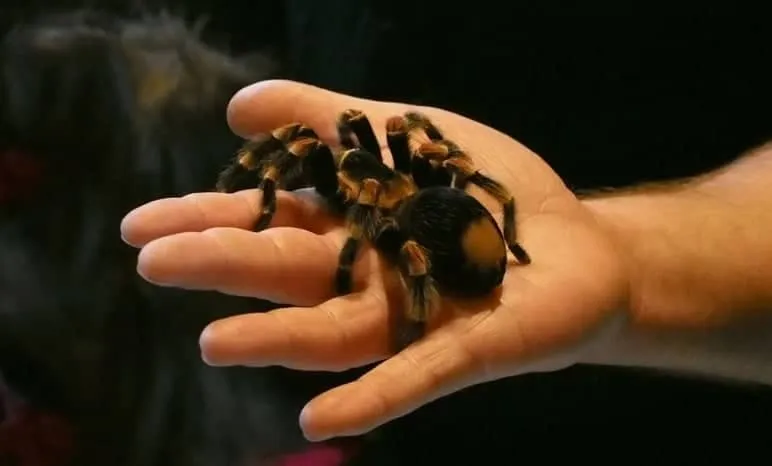
Understanding Tarantulas: Before You Handle
Before you even think about handling a tarantula, it’s crucial to understand these fascinating creatures. Tarantulas, while often perceived as menacing, are generally docile when treated with respect. They are not aggressive hunters like some other spiders; their primary defense mechanism is usually to flick urticating hairs, or, as a last resort, bite. Knowing their behavior, temperament, and how to recognize signs of stress is paramount for ensuring both your safety and the tarantula’s well-being. This understanding forms the foundation for responsible tarantula ownership and handling.
Tarantula Temperament and Species Differences
Not all tarantulas are created equal. Different species exhibit varying temperaments. Some, like the Chilean Rose Hair, are known for their relatively docile nature and tolerance of handling. Others, such as certain Old World species, may be quicker to defend themselves, displaying more defensive behaviors and potent venom. Researching the specific species you own is critical. Understanding their known tendencies allows you to anticipate their behavior and handle them accordingly. This knowledge helps in managing expectations and preparing the appropriate precautions before any handling attempt.
Identifying a Docile Tarantula

Even within a species, individual tarantulas can have unique personalities. Observing your tarantula regularly will help you determine if it’s a good candidate for handling. Look for signs of calmness. A docile tarantula might sit still, move slowly, and not exhibit any defensive postures such as raising its front legs or flicking hairs. Avoid handling any tarantula that appears agitated, stressed, or aggressive. Patience and observation are key. If your tarantula consistently displays a calm demeanor, you can consider slowly introducing handling, but always with caution.
Recognizing Signs of Stress in Tarantulas
Tarantulas communicate stress through specific behaviors. Recognizing these signals is crucial to prevent unnecessary harm to the spider. A stressed tarantula might adopt a defensive posture: rearing up on its hind legs with fangs bared, flicking urticating hairs (small, irritating hairs), or rapidly moving around its enclosure. Other signs include excessive leg twitching, loss of appetite, or hiding in its burrow for extended periods. If you observe any of these behaviors, immediately cease any handling attempts and allow the tarantula to relax and retreat to its comfort zone. Always prioritize your tarantula’s comfort and safety.
Setting Up for Safe Handling
A safe handling environment minimizes risk for both you and your tarantula. This involves careful preparation of the area where the handling will take place. Choose a location that is free from hazards such as high ledges, open windows, and areas where the tarantula could easily escape. Ensure that the area is well-lit, but not directly under bright lights which could stress the tarantula. The space should be uncluttered, allowing for safe movement without potential obstacles that could startle the spider. Having a clear and controlled environment is a fundamental step in handling a tarantula safely.
Essential Equipment for Tarantula Handling

Having the right equipment not only facilitates safer handling but also minimizes stress for the tarantula. Always have a soft brush on hand, such as a paintbrush, to gently guide the spider. Long, non-metallic tongs can be useful for moving the tarantula gently if needed, though direct handling is usually preferred. Consider wearing disposable gloves to protect your hands, and always have a container ready for emergency situations, like a secure deli cup. This equipment helps maintain control and safety throughout the handling process.
Preparing Your Handling Area
Before you begin handling, prepare your handling area thoroughly. Clear away any potential escape routes and hazards. Cover the floor with a soft surface, like a blanket or towel, to cushion any accidental drops. Place the tarantula’s enclosure nearby so you can easily return the spider to its home. Have all your equipment ready within easy reach. By preparing in advance, you create a safe, predictable environment, which helps reduce stress for both you and the tarantula, minimizing the likelihood of a negative experience.
The Step-by-Step Guide to Handling
Handling should always be a measured process, never rushed. Start by observing your tarantula in its enclosure. If the spider appears calm and receptive, gently open the enclosure. Approach with slow, deliberate movements. Use the brush or tongs to gently encourage the spider to move onto your hand, if it’s receptive, or simply allow it to move at its own pace. Never force the tarantula. Keep your movements smooth and avoid sudden gestures. This slow, gentle approach sets the stage for a positive experience.
Approaching Your Tarantula

When approaching your tarantula, speak softly and move slowly. Avoid making any sudden movements or loud noises that could startle the spider. Gently position your hand near the tarantula, offering it a surface to climb onto. Avoid hovering directly over the tarantula, as this can be perceived as a threat. Observe its reactions closely. If the tarantula appears curious or remains calm, you can proceed with handling. Always be prepared to withdraw if the tarantula shows any signs of stress. Your patience and sensitivity are key to a successful handling session.
Gentle Methods to Encourage Tarantula Movement
Sometimes a tarantula needs gentle persuasion to move. If your tarantula doesn’t readily climb onto your hand, use a soft brush to gently nudge it. Apply light strokes on its legs or body, guiding it in the direction you want it to move. Never poke or prod the tarantula. This will only cause it to feel threatened. Another option is to gently tap on the substrate near the tarantula. This may encourage it to move to a more comfortable spot. Always remember that a tarantula’s comfort is paramount. If it still refuses to move, respect its wishes and end the handling session.
Handling Techniques to Avoid Bites
While tarantula bites are rarely life-threatening, they can be painful. To minimize the risk of being bitten, avoid sudden movements and keep your hands away from the spider’s fangs. Never corner or trap the tarantula. Handle the spider close to the ground or a soft surface to minimize injury if it falls. When holding a tarantula, support its body gently, allowing it to move freely without feeling restricted. Always pay attention to the spider’s body language and be prepared to gently place it back in its enclosure if it shows signs of stress or agitation.
Best Practices for Holding a Tarantula

When you are holding your tarantula, support its body from underneath. Avoid squeezing or restricting the spider’s movement. Keep your movements slow and steady. Limit the handling time to a few minutes, as prolonged handling can be stressful for the tarantula. Always be aware of the tarantula’s position and the surrounding environment. If the tarantula starts to show signs of stress, such as erratic movements, place it back in its enclosure immediately. Focus on creating a calming experience for your pet.
Post-Handling Procedures
After handling your tarantula, it’s essential to take appropriate post-handling measures. Wash your hands thoroughly with soap and water to remove any potential irritants or allergens. Observe the tarantula for a few minutes after returning it to its enclosure to ensure it is behaving normally. If you notice any unusual behavior, such as hiding or loss of appetite, monitor the tarantula closely for a few days. Record the handling session in a journal, including any observations about the tarantula’s behavior. This documentation will help you learn and improve your handling techniques.
Returning Your Tarantula to Its Enclosure
Gently return the tarantula to its enclosure once the handling session is complete. Position your hand near the opening of the enclosure and encourage the tarantula to walk onto its substrate. Never drop or forcefully place the tarantula back into its enclosure. Ensure that the enclosure is secure before stepping away. Observe the tarantula for a few minutes to confirm that it is comfortable and settling back into its routine. Provide fresh water if needed and allow the spider to relax without further disturbance.
Cleaning and Disinfecting After Handling

Cleaning and disinfecting your hands and any equipment that came into contact with the tarantula or its enclosure is a critical step. Wash your hands thoroughly with soap and water. Disinfect any tools you used, such as tongs or brushes, with a reptile-safe disinfectant. Thorough cleaning minimizes the risk of transmitting bacteria or parasites and helps maintain a healthy environment for both you and your pet. Routine hygiene practices contribute to the overall well-being of your tarantula and the safety of its keeper.
Common Handling Mistakes and How to Avoid Them
Beginners often make some common handling mistakes. Forcing the tarantula to move, panicking if the tarantula moves quickly, and handling too frequently are common pitfalls. To avoid these mistakes, always prioritize the spider’s comfort and safety. Never force handling or handle a tarantula when stressed. Practice patience and observe the tarantula’s behavior. Limit handling sessions to short periods and avoid overhandling. Regular monitoring, combined with responsible practices, ensures a safe and positive handling experience.
Handling When the Tarantula is in Molt
Avoid handling your tarantula during molting. During this process, the spider is extremely vulnerable and susceptible to injury. The exoskeleton is soft, and even a minor fall could be fatal. Observe for signs of pre-molt behavior, such as the tarantula refusing food, becoming lethargic, or developing a darkened abdomen. If you notice these signs, provide plenty of fresh water and leave the spider undisturbed until it has fully molted and its new exoskeleton has hardened. Patience is key to the health and safety of your tarantula.
Handling and Feeding

Avoid handling your tarantula immediately before or after feeding. Handling can stress the tarantula, potentially causing it to regurgitate its meal. Additionally, a stressed tarantula may be less likely to eat. Wait at least 24 hours after feeding before attempting to handle your tarantula, and observe its behavior to ensure it is calm and has digested its meal. This practice ensures your tarantula’s well-being and minimizes the risk of complications. Always prioritize the spider’s comfort and digestion process.
Advanced Handling Techniques
Once you become comfortable with basic handling, you might explore advanced techniques. One example is the “cup and slide” method where you use a clear container to gently coax the tarantula. Ensure the container is large enough to minimize stress. Another advanced skill involves observing the tarantula’s behaviors and responding accordingly. Understanding these advanced techniques will help you in complex scenarios but requires extensive knowledge and experience.
Training Your Tarantula for Handling (Optional)
While not always necessary, you can train your tarantula to associate your presence with positive experiences. This could involve offering a treat or providing a comfortable environment. However, remember that training a tarantula is challenging. Tarantulas are not as responsive to training as other pets. If your tarantula displays any signs of stress, such as fleeing or refusing food, stop and allow it to rest. The goal is to build a positive association. Always prioritize the spider’s well-being.
Troubleshooting Handling Issues
If you encounter problems while handling your tarantula, remain calm and patient. If the spider is showing signs of stress, gently place it back in its enclosure and reassess the situation. If the tarantula seems agitated or defensive, end the handling session and try again later. Always prioritize the spider’s comfort. If you are experiencing ongoing issues, consult a more experienced tarantula keeper or a veterinarian specializing in exotic pets.
Why Isn’t My Tarantula Letting Me Handle It?
There are many reasons why a tarantula might resist handling. It could be due to species temperament, the tarantula’s personality, or a recent molting cycle. Other factors, such as a stressful environment, can also affect handling. If your tarantula isn’t letting you handle it, respect its boundaries. Always consider the spider’s welfare and the reasons behind its reluctance. Make sure its enclosure meets its needs, and only try handling it when it appears calm and comfortable.
Conclusion
Handling a tarantula can be a rewarding experience, but it requires knowledge, patience, and respect for the animal. Always prioritize your tarantula’s safety and well-being. By understanding their behavior, recognizing signs of stress, and following these guidelines, you can build a positive relationship with your tarantula and enjoy your time with these fascinating creatures. Remember to always be patient and observant, and handle your tarantula responsibly.