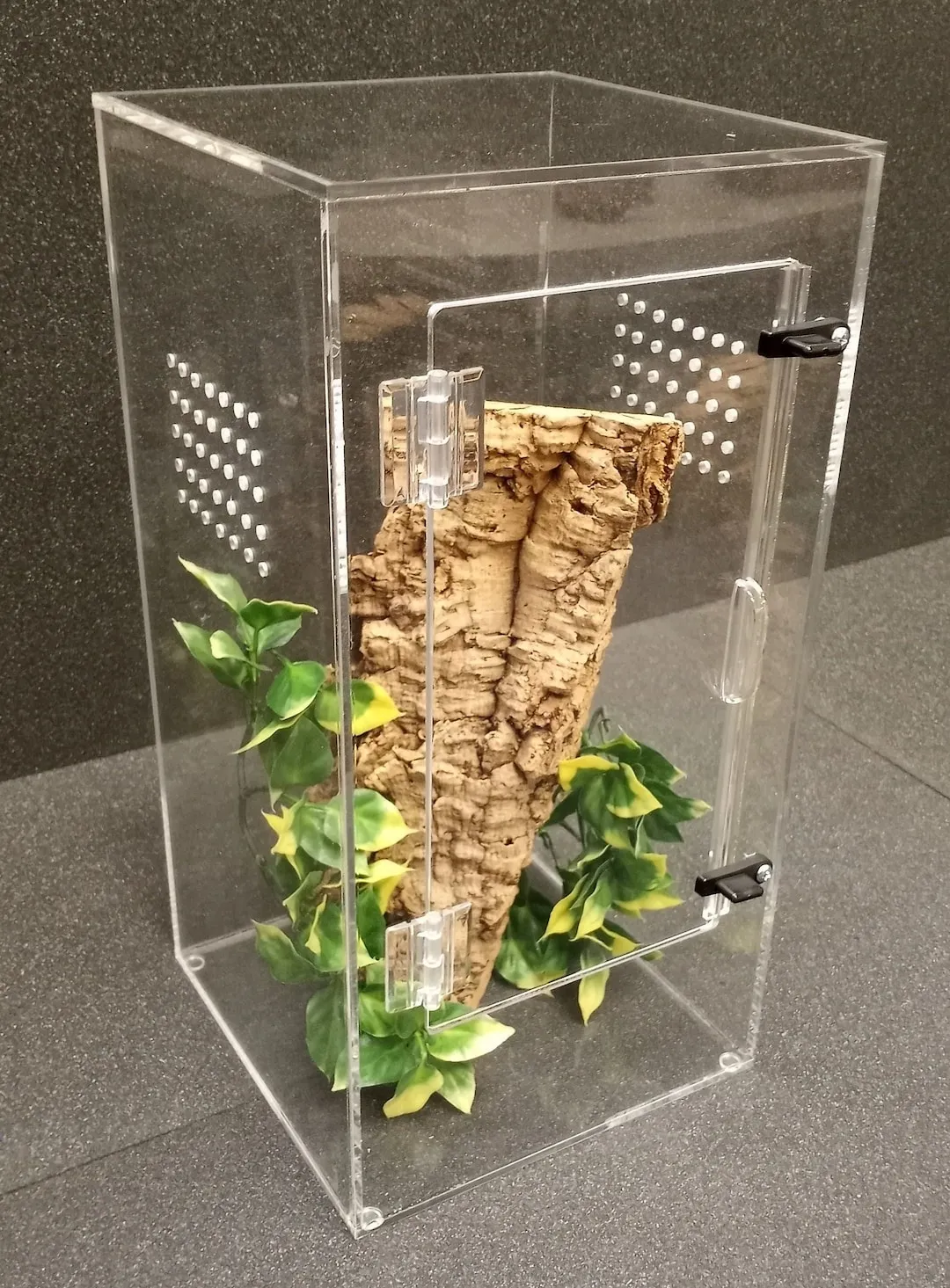
What Makes a Good Plastic Tarantula Cage
Choosing the right plastic tarantula cage is crucial for the health and well-being of your eight-legged friend. A well-chosen enclosure provides a secure, comfortable, and enriching environment that mimics the tarantula’s natural habitat. There are several factors to consider, from size and ventilation to material and security. Understanding these key elements will help you select the perfect plastic cage, ensuring your tarantula thrives. This guide dives deep into all these aspects, helping you make an informed decision and create an ideal home for your pet tarantula. Get ready to learn how to create a safe and thriving environment.
Size Matters Choosing the Right Cage Size
One of the most critical factors in choosing a plastic tarantula cage is size. An enclosure that is too small can restrict movement and lead to stress, while an overly large cage can make it difficult for the tarantula to find food and may also make it feel less secure. The appropriate cage size depends on the species and the size of your tarantula, so it’s essential to research the specific needs of your pet. A good rule of thumb is to provide an enclosure that is at least three times the tarantula’s leg span in length and width. Consider the height, as some tarantula species are terrestrial and prefer more floor space, while others are arboreal and need more vertical space to climb. Incorrect size can lead to a distressed pet, while the right size promotes a thriving habitat.
Understanding Tarantula Species Needs

Different tarantula species have unique needs when it comes to enclosure size. For example, larger species like the Goliath Birdeater (Theraphosa blondi) require significantly larger enclosures than smaller species. Juvenile tarantulas will need smaller cages initially, and the enclosure should be upgraded as they grow. Consider the natural behavior of the species; some species are more active and need more space to roam, while others are more sedentary. Before purchasing a cage, research your tarantula species thoroughly to determine its specific size and space requirements, and be sure to provide adequate space for hiding and burrowing.
Consider Adult Size
When selecting a plastic tarantula cage, it is essential to consider the adult size of your tarantula. Even if you are starting with a juvenile, anticipate its growth and choose an enclosure that will accommodate its full size. Purchasing multiple cages as your tarantula grows can be cumbersome and unnecessary, so planning for the future saves money and stress for your pet. Always make sure the cage is not too large for a juvenile, as it may be harder to find food and feel secure in a vast space. Researching the maximum size your tarantula will reach will help you make the best decision for your pet’s long-term needs. Remember, the right cage is a long-term investment in your tarantula’s well-being.
Account for Substrate
The substrate is the bedding material that covers the bottom of the cage and is an important part of the habitat. When determining the appropriate size of the plastic tarantula cage, remember to account for the depth of the substrate needed. Tarantulas burrow and require a depth that allows for burrowing behavior, typically several inches deep. Additionally, the substrate contributes to humidity control within the enclosure. So, the cage needs to be tall enough to accommodate the substrate and the tarantula’s movements. It is important to consider the space the substrate will take up within the cage. By accounting for the depth of the substrate, you can ensure that your tarantula has enough space to thrive.
Ventilation The Key to a Healthy Habitat

Adequate ventilation is vital for maintaining a healthy environment inside the plastic tarantula cage. Poor ventilation can lead to the build-up of excess humidity, which can result in mold growth and bacterial infections. Proper ventilation ensures that the air inside the enclosure is fresh and that moisture levels remain at an appropriate level. When choosing a plastic tarantula cage, pay close attention to the ventilation system. A good design will allow for adequate air circulation without compromising the security of the enclosure. This will help to prevent the buildup of harmful microorganisms and will help your tarantula thrive. The best enclosures have vents placed in a way that facilitates cross-ventilation, promoting air circulation and preventing stagnant air pockets.
Types of Ventilation Systems
Plastic tarantula cages typically come with several ventilation systems. These include slotted vents, mesh vents, and drilled holes. Slotted vents are often found on the sides or top of the enclosure and provide good airflow. Mesh vents, typically made of metal or plastic, can offer excellent ventilation but must be fine enough to prevent tarantulas from escaping. Drilled holes are another option, but their effectiveness depends on their number and placement. The best ventilation system will depend on the species of tarantula and the environmental conditions in your home. Proper research will help you decide on the perfect solution for your pet.
Ventilation Placement
The placement of ventilation is another critical aspect of the plastic tarantula cage design. Ventilation should be strategically placed to promote good air circulation without creating drafts. Cross-ventilation, which involves vents on opposite sides of the enclosure, is generally the most effective. It encourages air to flow through the cage, removing stale air and maintaining optimal humidity levels. Avoid placing the vents directly above the heating source, as this can dry out the enclosure too quickly. Consider the natural behavior and needs of your tarantula when choosing and arranging the enclosure. This approach will ensure a healthy and comfortable habitat. Correct ventilation placement prevents humidity buildup and ensures your tarantula’s well-being.
Material Matters Plastic Cage Options

The material used in the construction of a plastic tarantula cage significantly impacts its overall quality, durability, and suitability for the tarantula’s needs. Different types of plastic offer varying benefits. From transparency to ease of cleaning, the right material will create the best environment for your tarantula. Understanding the differences between materials like acrylic and other plastics ensures that you are choosing an enclosure that is safe, durable, and easy to maintain. The correct material is not only about safety but also about how easy the cage will be to live with and care for.
Acrylic vs. Other Plastics
Acrylic and other types of plastic are commonly used for tarantula cages. Acrylic is a popular choice due to its high transparency, which provides an unobstructed view of your tarantula. It is also scratch-resistant and generally more durable than other plastics. Other plastics, such as polyethylene terephthalate (PET), are also used. These plastics are often more affordable but may not be as clear or as scratch-resistant. When choosing a plastic tarantula cage, consider the advantages and disadvantages of each material. Acrylic offers excellent clarity and durability, while other plastics may be a more budget-friendly option. The best choice depends on your preferences and budget.
Durability and Longevity
Durability and longevity are essential factors to consider when selecting a plastic tarantula cage. Look for cages made from high-quality plastics that are resistant to cracking, warping, and general wear and tear. A durable cage will withstand daily use and last for years. Consider the thickness of the plastic and the overall construction of the enclosure. Reinforced corners and sturdy lids contribute to the overall durability. In addition, consider whether the material is resistant to damage from cleaning products. Investing in a durable cage is a practical choice that saves money in the long run. A well-built cage ensures your tarantula’s safety and provides a stable and long-lasting habitat.
Ease of Cleaning and Maintenance

Ease of cleaning and maintenance is crucial for maintaining a healthy environment inside the plastic tarantula cage. Choose an enclosure with smooth surfaces that are easy to wipe down and disinfect. Avoid cages with complex designs or hard-to-reach corners, as they can be difficult to clean thoroughly. Consider the material’s resistance to stains and odors. Acrylic, for example, is easy to clean and does not readily absorb odors. Easy-to-clean cages make it easier to maintain a hygienic environment and reduce the risk of bacterial growth. Regular cleaning is essential for your tarantula’s well-being, and the right cage will make this task more manageable. Also, easy-to-clean cages save time and effort.
Security Features Preventing Escapes
Preventing escapes is a critical aspect of selecting a plastic tarantula cage. Tarantulas are adept at finding ways out of their enclosures, and an escaped tarantula can pose a danger to your family and the pet. Secure lids and latches, along with features that prevent climbing, are necessary to ensure your pet stays safely inside. When selecting a plastic tarantula cage, pay close attention to the security features. These features include robust lids and locking mechanisms to prevent accidental escapes. Make sure the cage has no gaps or openings that a tarantula could squeeze through. Correct security features are crucial for the safety of your pet and peace of mind.
Secure Lids and Latches
Secure lids and latches are the first line of defense against tarantula escapes. Choose a plastic tarantula cage with a lid that fits snugly and cannot be easily dislodged. Latches should be strong and reliable, preferably with a locking mechanism to prevent accidental opening. Consider the type of latch and its durability. Avoid latches that are easily broken or can be manipulated by the tarantula. Regularly inspect the lid and latches for wear and tear and replace them as needed. Investing in a cage with robust and secure lids and latches is vital for your tarantula’s safety and for preventing unexpected escapes. A secure lid will provide peace of mind and prevent any potential risks.
Hinges and Locking Mechanisms

Hinges and locking mechanisms are essential security features in a plastic tarantula cage. Sturdy hinges prevent the lid from sagging or becoming misaligned, which could create gaps that a tarantula could exploit. Locking mechanisms provide an extra layer of security, preventing accidental openings. Look for cages with well-designed hinges and reliable locking mechanisms. Consider the materials used for hinges and locks, ensuring they are durable and resistant to rust or corrosion. Regular checks are a must to ensure they are in good working order. These features add an extra layer of security to prevent escapes. They also ensure you can safely access your tarantula’s habitat.
Viewing and Access
The ability to view your tarantula and access its enclosure for feeding, cleaning, and maintenance is essential. A well-designed plastic tarantula cage should provide clear visibility and easy access. Transparent materials, such as acrylic, offer an unobstructed view of your pet, allowing you to observe its behavior and ensure its well-being. Consider the placement of access points, such as doors or removable lids, and how they affect your interaction with the enclosure. The ability to monitor your tarantula and provide care is critical to its health. Clear visibility and accessible access points will enhance your experience and make caring for your tarantula a pleasure.
Accessibility for Feeding and Cleaning
Easy access for feeding and cleaning is a significant consideration when selecting a plastic tarantula cage. Choose an enclosure with access points that are convenient and safe. This could include a hinged lid, a sliding door, or a removable panel. Ensure the access point is secure and does not create an escape risk. The design should allow easy access to the inside of the cage without disturbing the tarantula too much. Look for cages with features that simplify cleaning, such as removable substrates or easy-to-wipe surfaces. Accessibility makes it easier to care for your tarantula. A well-designed cage will make feeding and cleaning a straightforward task.
Visibility and Viewing Panels

Good visibility is a key element of a quality plastic tarantula cage. Clear viewing panels allow you to observe your tarantula’s behavior and detect any potential issues. Acrylic is an excellent choice for the viewing panels due to its high transparency. Choose an enclosure with panels that are scratch-resistant and do not distort the view. Consider the placement of the viewing panels. This approach will give you the best possible view of your pet. Clear visibility allows you to enjoy watching your tarantula. It also enables you to monitor the habitat’s condition and ensure it is suitable for your pet. This aspect will contribute to a more enjoyable pet ownership experience.
Decor and Enrichment Creating a Natural Habitat
Creating a natural and enriching habitat is essential for your tarantula’s well-being. A well-decorated plastic tarantula cage provides hiding places, climbing structures, and opportunities for the tarantula to exhibit natural behaviors. Adding décor will help reduce stress and provide enrichment, contributing to a happy and healthy pet. Consider your tarantula’s natural habitat and try to recreate aspects of it within the enclosure. This will make your pet more comfortable and enhance its overall quality of life. Correct décor selection will make for a happy tarantula and a much better experience for the pet owner. With thoughtful touches, you can create a great environment for your tarantula to thrive.
Adding Hides and Climbing Structures
Adding hides and climbing structures is an important part of creating a stimulating and secure environment for your tarantula. Hides provide a safe retreat where the tarantula can feel secure and hide from potential threats. Climbing structures allow arboreal species to explore their environment and engage in natural behaviors. Choose hides and structures that are appropriate for your tarantula’s size and species. Consider materials that are non-toxic and easy to clean. Arrange the décor to create a visually appealing and functional habitat. This approach offers plenty of opportunities for the tarantula to explore and provides enriching activities. Proper décor reduces stress and promotes overall well-being.
Substrate Selection
Substrate selection plays a crucial role in creating a suitable habitat for your tarantula. The substrate is the bedding material that covers the bottom of the enclosure and serves multiple purposes. It provides a surface for the tarantula to walk on, helps to maintain humidity levels, and allows the tarantula to burrow. Choose a substrate that is appropriate for your tarantula’s species and needs. Common options include coconut fiber, peat moss, and vermiculite. Ensure the substrate is non-toxic and does not contain any chemicals or additives that could harm your pet. Proper substrate choice will ensure your tarantula is comfortable. It also supports its health and helps to create the perfect environment for your pet.
Humidity and Temperature Control
Maintaining the correct humidity and temperature levels is essential for the health and well-being of your tarantula. Proper climate control is crucial for the tarantula to thrive, especially as it mimics their natural environments. Different tarantula species have specific requirements, so it’s vital to research your pet’s needs and adjust the enclosure accordingly. Proper humidity and temperature will contribute to the tarantula’s health and overall quality of life. You can achieve the right climate by using appropriate substrates, ventilation, and, if necessary, supplemental heating and misting. A well-regulated environment can help prevent health issues and support your tarantula’s ability to shed its skin and live a long and healthy life.
Monitoring Environmental Conditions
Regularly monitoring the environmental conditions inside the plastic tarantula cage is essential for maintaining a healthy habitat. Use a hygrometer to measure the humidity level and a thermometer to monitor the temperature. The enclosure will need adjustments to ensure the levels are optimal for your tarantula. Keep a close eye on the substrate for moisture and make sure to replace it as needed. Consistent monitoring will alert you to any changes that may negatively impact your pet. Regular checks and adjustments are required to guarantee the habitat remains suitable. Monitoring is key to ensuring your tarantula remains healthy. Take the time to monitor the conditions of the habitat.