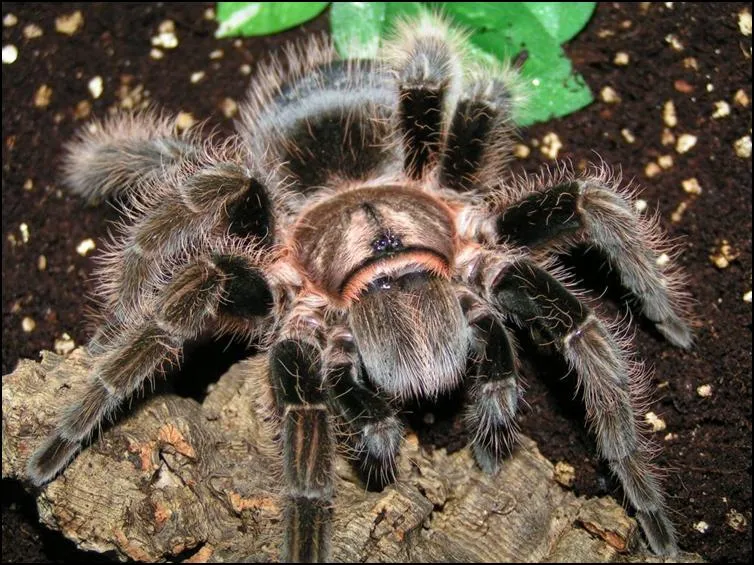
Choosing the Right Habitat for Your Curly Hair Tarantula
Providing a suitable habitat is the first and most crucial step in caring for your curly hair tarantula. A well-designed enclosure replicates their natural environment, ensuring your tarantula thrives. This involves selecting the correct size, substrate, and overall setup that caters to their specific needs. A poorly chosen habitat can lead to stress, health problems, and even a shorter lifespan for your pet. Understanding the importance of a proper habitat will set you on the right path to successful tarantula ownership. Remember, a happy tarantula is a healthy tarantula, and their home is the foundation of their well-being.
Enclosure Size
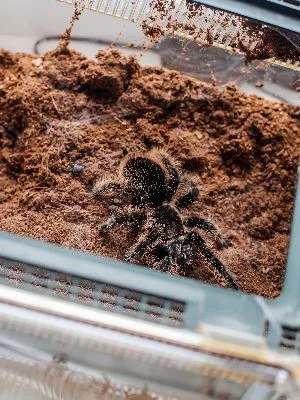
The size of the enclosure is paramount. A juvenile curly hair tarantula can be housed in a smaller enclosure, such as a 5-gallon tank, but as they grow, they will need more space. A full-grown adult will need at least a 10-gallon tank, or even larger, depending on the individual tarantula’s size. The enclosure should be wider than it is tall, providing ample floor space for movement and burrowing. Avoid enclosures that are too large for smaller tarantulas, as this can make it difficult for them to find food and feel secure. Ensure the enclosure has a secure lid to prevent escapes, as these spiders are excellent climbers and escape artists. Proper ventilation is also key, so make sure the enclosure has appropriate airflow to avoid mold and maintain healthy conditions.
Substrate Selection

The substrate is the bedding material on the floor of the enclosure, and it plays a vital role in maintaining humidity and allowing your tarantula to burrow. A suitable substrate for a curly hair tarantula consists of a mix of eco-earth, peat moss, and a small amount of vermiculite. This combination holds moisture well while still allowing for proper drainage and ventilation. Avoid using substrates that are too dusty, as they can irritate your tarantula’s respiratory system. The substrate should be deep enough to allow your tarantula to burrow if it chooses, typically at least 4-6 inches deep for an adult. Always ensure the substrate is free from any pesticides or chemicals that could be harmful to your pet. Regular spot cleaning of the substrate is also necessary to maintain cleanliness and prevent the buildup of waste.
Providing the Right Temperature and Humidity
Maintaining the correct temperature and humidity levels is crucial for the health and well-being of your curly hair tarantula. These conditions mimic their natural habitat and are essential for proper molting, feeding, and overall comfort. Deviations from the ideal range can lead to various health issues, including dehydration and failure to molt successfully. Monitoring and adjusting these environmental factors are a key responsibility of any tarantula owner, ensuring their pet lives a long and healthy life. A well-managed environment minimizes stress and supports the natural behaviors of these fascinating creatures.
Temperature Requirements
Curly hair tarantulas thrive in a temperature range of 75-85°F (24-29°C). Maintaining this temperature is easily achieved using a heat mat attached to the side of the enclosure. Avoid placing the heat mat directly under the enclosure, as this can cause the substrate to dry out too quickly. A thermometer should be placed inside the enclosure to monitor the temperature accurately. Avoid direct sunlight, as it can overheat the enclosure, potentially harming your tarantula. If you live in a cooler climate, you may need to use a small space heater to maintain the correct ambient temperature in the room where the enclosure is kept. Consistent temperature regulation is important for your tarantula’s health and activity levels, so check it daily.
Humidity Management

Humidity is also crucial for curly hair tarantulas, and it should be maintained at around 60-70%. This can be achieved by lightly misting the enclosure once or twice a week. The frequency of misting will depend on the ventilation of the enclosure and the humidity levels in your home. You can also provide a water dish with a shallow dish, as this will also help maintain humidity. A hygrometer, which measures humidity, is an essential tool for monitoring the humidity levels. Ensure that the enclosure is not too humid, as this can lead to mold growth and respiratory problems for your tarantula. Regular monitoring and adjustments will ensure your tarantula has the ideal environment to thrive.
Feeding Your Curly Hair Tarantula
Providing a balanced diet is essential for the health and growth of your curly hair tarantula. These spiders are voracious eaters, but the type and frequency of feeding depend on their age and size. Understanding their dietary needs and providing appropriately sized prey is critical to ensuring they receive the necessary nutrients to thrive. A well-fed tarantula is typically a healthy tarantula, demonstrating vibrant colors and active behaviors. Feeding practices directly impact their well-being, and proper care will lead to a content and healthy pet.
Choosing the Right Food
The primary food source for curly hair tarantulas consists of live insects, such as crickets, roaches, and mealworms. The size of the prey should be appropriate for the size of your tarantula; as a general rule, the prey should be no larger than the tarantula’s body. It’s best to feed them insects that are gut-loaded, meaning they have been fed nutritious food before being offered to your tarantula. This ensures that your tarantula receives a more balanced diet. Avoid feeding wild-caught insects, as they may carry parasites or pesticides that could harm your pet. Always remove any uneaten prey within 24 hours to prevent stress to your tarantula.
Feeding Frequency
The feeding frequency depends on the age and size of the tarantula. Spiderlings, or young tarantulas, should be fed two to three times a week. As they grow, the feeding frequency can be reduced to once or twice a week for adults. Adult tarantulas can often go several weeks or even months without food, especially after a large meal. Always ensure your tarantula has access to fresh water. Observe your tarantula’s behavior and body condition to adjust feeding frequency as needed. A tarantula that refuses food may be in pre-molt, a period when they will not eat.
Watering Your Tarantula
Providing a source of fresh water is crucial for the health and hydration of your curly hair tarantula. Water is essential for their survival, helping them to molt and maintain their bodily functions. Neglecting this aspect of care can lead to dehydration, which can be fatal. Monitoring and maintaining access to clean water is a simple yet essential component of responsible tarantula ownership, contributing significantly to the animal’s well-being. Providing a consistent water source demonstrates a commitment to the spider’s long-term health and happiness.
Water Bowl
A shallow water dish is essential and should always be available in the enclosure. The water dish should be shallow enough to prevent your tarantula from drowning, especially for younger tarantulas. Use a water dish made of a sturdy material that won’t tip over easily. Change the water in the dish regularly, ideally every few days, to prevent bacterial growth. Clean the dish thoroughly with warm water and a mild soap, ensuring all soap residue is removed before refilling it. If your tarantula is small, you can use a bottle cap or a shallow dish to avoid any potential drowning hazards.
Misting

In addition to the water dish, you can also mist the enclosure lightly with a spray bottle. This helps to increase humidity, which is especially important during molting. Misting should be done once or twice a week, depending on the humidity levels in your home and the ventilation of the enclosure. Be careful not to over-mist, as excess humidity can lead to mold and health issues. Mist the sides of the enclosure and the substrate, but avoid spraying the tarantula directly. Observe your tarantula’s behavior and the humidity levels to determine the ideal misting frequency, adjusting as necessary to maintain a healthy environment.
Handling Your Curly Hair Tarantula
Handling your curly hair tarantula is a personal choice, and it is not a necessary part of their care. While some tarantulas are more docile than others, it is essential to approach handling with caution. Understanding their temperament and practicing safe handling techniques is crucial to avoid any potential harm to both you and the tarantula. Consider your tarantula’s stress levels and personality before attempting to handle it. If your tarantula seems agitated or defensive, it is best to leave it alone. Responsible handling is a sign of respecting your pet and their well-being.
Understanding Their Temperament
Curly hair tarantulas are generally considered to be docile and relatively easy to handle. However, individual tarantulas have their own personalities, and some may be more defensive or skittish than others. They can become defensive, and it’s important to understand their body language. A raised stance or flicking hairs from their abdomen are signs that they are feeling threatened. Never force a tarantula to be handled if it is showing signs of stress or aggression. Spend time observing your tarantula to learn its individual temperament and adjust your approach accordingly. Always prioritize the tarantula’s well-being and safety.
Safe Handling Techniques

If you choose to handle your curly hair tarantula, do so with caution. Handle them close to the ground or over a soft surface, such as a bed, to minimize the risk of injury if they fall. Avoid sudden movements and always speak calmly and gently. Never try to grab or restrain the tarantula; instead, allow it to walk onto your hand. Use a soft, gentle approach, and be patient. Always wash your hands thoroughly before and after handling, and avoid using any scented soaps or lotions, as these can be harmful to the tarantula. Be mindful of their fragile nature and treat them with the utmost care and respect. If you are unsure about handling your tarantula, it is best to avoid it altogether.