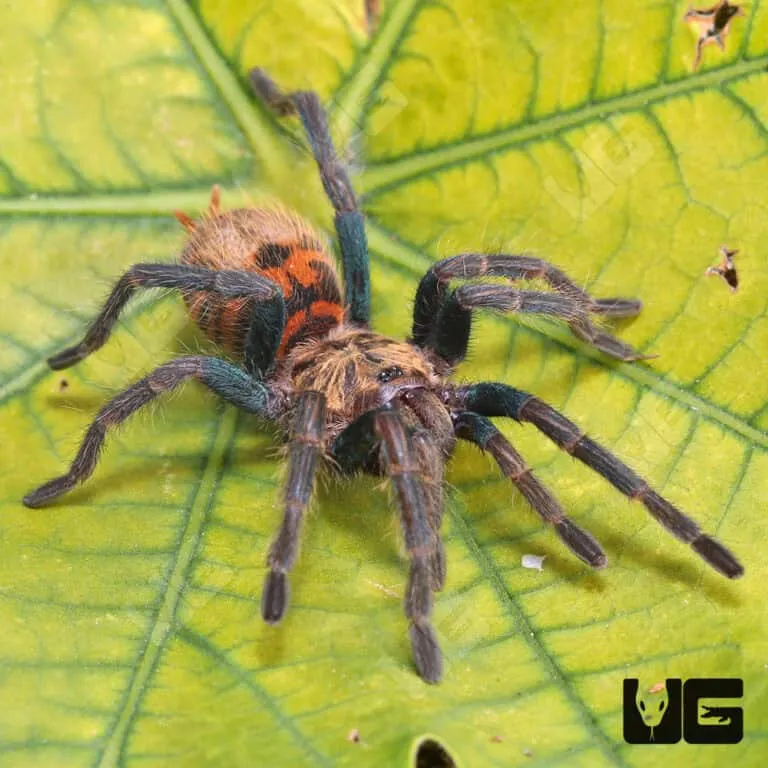
The Green Bottle Blue (GB Blue) tarantula, with its striking blue legs and vibrant green carapace, is a captivating pet. Providing a suitable terrarium is crucial for its well-being, offering it a safe and stimulating environment to thrive. This comprehensive guide will walk you through every step of building the perfect GB Blue tarantula terrarium, from selecting the right enclosure to maintaining optimal conditions. Whether you’re a beginner or an experienced tarantula keeper, this guide will provide valuable insights and practical advice to ensure your GB Blue lives a long, healthy, and happy life.
Choosing the Right Terrarium for Your GB Blue
Selecting the appropriate terrarium is the first and most critical step in setting up a healthy habitat for your Green Bottle Blue tarantula. The terrarium serves as your tarantula’s home, providing shelter, security, and the necessary environmental conditions for its survival. The size, material, and overall design of the enclosure significantly impact the tarantula’s ability to thrive. A poorly chosen terrarium can lead to stress, difficulty in molting, and other health problems. Considering several factors such as size, ventilation, and material is essential to create a suitable environment for your GB Blue.
Terrarium Size Considerations
The size of the terrarium is paramount, as it directly influences your tarantula’s comfort and well-being. A terrarium that is too small will restrict movement and can cause stress, while one that is excessively large may make it difficult for your tarantula to find food and feel secure. As a general guideline, a juvenile GB Blue can thrive in a terrarium that is approximately 8x8x12 inches (length x width x height). However, as it grows, you’ll need to upgrade to a larger enclosure. Adult GB Blues typically do well in a terrarium that is at least 12x12x18 inches, providing ample space for movement, burrowing, and exploration. Always prioritize horizontal space over vertical space for terrestrial tarantulas like the GB Blue. Ensure the height is sufficient to allow for substrate depth and the tarantula to comfortably molt.
Glass vs. Acrylic Terrariums
Both glass and acrylic terrariums have their advantages and disadvantages. Glass terrariums are readily available, relatively inexpensive, and provide excellent visibility, allowing you to observe your tarantula. They also scratch less easily than acrylic. However, glass terrariums are heavier and can be more prone to cracking if dropped. Acrylic terrariums are lightweight, durable, and offer superior insulation, helping to maintain a consistent temperature. Acrylic also provides exceptional clarity, offering a great view of your tarantula. However, acrylic can scratch more easily than glass and may warp over time if exposed to excessive heat. Consider your budget, aesthetic preferences, and the long-term needs of your tarantula when choosing between these two materials.
Ventilation Requirements
Adequate ventilation is critical to prevent the build-up of harmful mold and maintain proper humidity levels. A well-ventilated terrarium allows for the free flow of air, reducing the risk of respiratory infections and creating a healthier environment for your GB Blue. Ensure the terrarium has ventilation holes or a mesh top. Cross-ventilation is ideal, meaning that air can enter from one side and exit from another. Avoid terrariums with only top ventilation, as this can trap humidity and lead to mold growth. The ventilation system should be sufficient to prevent condensation from building up on the sides of the enclosure. Regularly inspect the ventilation openings to ensure they are not blocked by substrate or debris.
Setting Up the Substrate
The substrate is the foundation of your GB Blue’s terrarium, providing a comfortable surface for walking, burrowing, and molting. It also helps regulate humidity, which is vital for your tarantula’s health. The right substrate choice will also contribute to the overall aesthetic appeal of the terrarium, creating a natural and visually pleasing environment. When choosing and preparing the substrate, it’s important to consider the specific needs of your GB Blue, including its preference for a slightly humid environment.
Best Substrate Options for GB Blues

Several substrate options are suitable for GB Blues. A mixture of coconut fiber (coir) and peat moss is a popular choice, providing excellent moisture retention and a naturalistic look. Sphagnum moss can also be added to the mixture to further enhance humidity levels. Other viable options include a mix of potting soil (ensure it’s free of pesticides and fertilizers), vermiculite, and a small amount of sand to help with drainage. Avoid using substrates that are too dusty or can easily mold, such as wood shavings or cedar. Ensure the substrate is clean, free from contaminants, and appropriate for a humid environment.
Substrate Depth and Maintenance
The depth of the substrate should be adequate for your GB Blue to burrow if it chooses. A general guideline is to provide a substrate depth that is at least equal to the tarantula’s leg span. This allows the tarantula to create a comfortable hide and regulate its own microclimate. For juvenile GB Blues, a substrate depth of 2-3 inches is usually sufficient, while adults may benefit from 4-6 inches. Regularly check the substrate for mold or excessive dryness. If the substrate becomes too dry, mist it lightly with water. If mold appears, remove the affected area and replace it with fresh substrate. Spot clean the substrate regularly by removing any uneaten food or fecal matter to maintain a clean and healthy environment.
Decorating Your GB Blue Terrarium
Adding decorations to your GB Blue terrarium not only enhances its aesthetic appeal but also provides enrichment for your tarantula. Decorations can offer hiding places, stimulate natural behaviors, and contribute to the overall well-being of your pet. When selecting decorations, prioritize safety and functionality, ensuring that all items are non-toxic and won’t harm your tarantula. Keep in mind that a naturalistic environment is often best for tarantulas, mimicking their natural habitat as closely as possible.
Essential Hides and Hiding Spots

Hides are essential for providing your GB Blue with a sense of security and reducing stress. Tarantulas are naturally shy creatures and feel vulnerable without a place to retreat. Provide at least one hide, and ideally, offer multiple options. Suitable hide options include cork bark, half logs, artificial caves, or even a simple upturned pot. Ensure the hide is large enough for your tarantula to comfortably fit inside, but not so large that it feels exposed. Place the hide in a secluded area of the terrarium, away from direct light or heat sources. Regularly check the hide for cleanliness and replace it if necessary.
Adding Plants and Foliage
Live or artificial plants can enhance the visual appeal of the terrarium and provide additional hiding places. Live plants also help maintain humidity and can contribute to the overall health of the enclosure. Choose plants that are safe for tarantulas, such as pothos, spider plants, or small ferns. Avoid plants with sharp thorns or toxic properties. Ensure that the plants are securely planted and won’t topple over easily. Artificial plants can also be used, offering a low-maintenance alternative. When selecting artificial plants, opt for those made of non-toxic materials and avoid any small parts that could be ingested by your tarantula. Incorporate foliage to create a more natural and stimulating environment.
Watering and Humidity
Maintaining proper humidity levels is critical for the health and well-being of your GB Blue. Proper humidity helps with molting, preventing dehydration, and promoting overall well-being. Monitoring and adjusting the humidity is a continuous process that requires attention to detail and understanding of your tarantula’s needs. Creating a stable and appropriate humidity level can be achieved through a combination of substrate, ventilation, and water source.
Maintaining Proper Humidity Levels

GB Blues thrive in a moderately humid environment, typically between 65% and 75% humidity. To measure humidity, use a hygrometer, which is a device that measures the moisture content in the air. Place the hygrometer inside the terrarium, and monitor the readings regularly. To increase humidity, mist the substrate lightly with water, especially during molting. The frequency of misting depends on the ventilation and the substrate type, but generally, misting a couple of times a week is sufficient. Avoid over-misting, as this can lead to mold growth and other issues. Adjust the ventilation to regulate humidity, increasing it if the enclosure is too dry and decreasing it if it is too humid.
Water Source and Placement
Providing a clean water source is essential for your GB Blue’s hydration. A shallow water dish is ideal, as it prevents the tarantula from drowning while still allowing it to drink easily. Use a small, stable dish that won’t tip over. Place the water dish in a safe area of the terrarium, away from direct heat sources. Change the water regularly, ideally every 1-2 days, to prevent the growth of bacteria. You can also provide water by misting the enclosure, which allows the tarantula to drink from the droplets on the sides of the terrarium or on the decorations.
Heating and Lighting Your Terrarium
GB Blues are ectothermic, meaning they rely on external sources to regulate their body temperature. Providing a stable temperature gradient is crucial for their health and well-being, allowing them to move to areas that are more suited to their needs. Lighting is also important, not just for aesthetic purposes but also to simulate natural day and night cycles, which can affect the tarantula’s behavior and overall health. Careful consideration of heating and lighting is crucial for creating a thriving environment.
Optimal Temperature Range

The ideal temperature range for a GB Blue terrarium is between 75°F and 80°F (24°C and 27°C). Use a thermometer to monitor the temperature within the terrarium. You can provide heat using a heat mat placed on the side of the terrarium. Avoid placing the heat mat directly under the enclosure, as this can overheat the substrate and potentially harm your tarantula. Ensure the heat mat is connected to a thermostat to regulate the temperature and prevent overheating. The temperature gradient can also be created using a low-wattage incandescent bulb or a ceramic heat emitter. Ensure these heat sources are placed safely, and the tarantula cannot come into direct contact with them. Monitor the temperature regularly and adjust accordingly.
Lighting Options for GB Blues
GB Blues don’t require special lighting, but providing a regular day-night cycle can be beneficial. Natural light from a nearby window is generally sufficient, but avoid placing the terrarium in direct sunlight, as this can overheat the enclosure. If you need supplemental lighting, use a low-wattage LED bulb. Avoid using bulbs that produce excessive heat or UV radiation, as these can be harmful to your tarantula. The light cycle should mimic natural daylight hours. A timer can be used to automate the lighting schedule, ensuring consistency and promoting healthy behavior in your GB Blue.
Feeding and Caring for Your Tarantula
Proper feeding and care are essential for your GB Blue’s overall health and longevity. GB Blues are voracious eaters, and providing them with a balanced diet and appropriate care will ensure that they remain active and healthy. Understanding the feeding habits, recognizing the signs of a healthy tarantula, and knowing how to address common issues are critical to responsible tarantula ownership.
Choosing the Right Food

GB Blues primarily eat insects. Crickets, mealworms, and roaches are all suitable options. The size of the feeder insect should be appropriate for the size of your tarantula. Avoid feeding insects that are larger than your tarantula’s abdomen, as this can cause injury. Ensure the feeder insects are gut-loaded with nutritious food before feeding them to your tarantula. Gut-loading involves feeding the insects a nutritious diet for 24-48 hours before offering them to your tarantula. This ensures that your tarantula receives a balanced diet. Remove any uneaten insects after 24 hours to prevent them from stressing your tarantula or causing injury during a molt.
Watering Schedule and Hydration
Provide fresh water at all times. As mentioned earlier, a shallow water dish should be available. Change the water every 1-2 days. Watch your tarantula for signs of dehydration, such as a wrinkled abdomen. If you notice signs of dehydration, increase the frequency of misting and ensure the water dish is always full. Monitor the tarantula’s feeding habits. A healthy GB Blue will typically eat several times a week. If your tarantula stops eating, it could be a sign of an impending molt or a health problem. Ensure your GB Blue has a safe environment and avoid handling it unless absolutely necessary. Handle it gently to minimize the risk of injury. Regularly inspect the terrarium and the tarantula itself for any signs of illness or parasites. Consult with a veterinarian or an experienced tarantula keeper if you have any concerns.
By following these guidelines, you can successfully build and maintain a terrarium that provides a comfortable and enriching environment for your Green Bottle Blue tarantula. Remember that careful observation, consistent care, and a deep understanding of your pet’s needs are the keys to ensuring your GB Blue thrives.