The Tarantula Bite Experience
Understanding what a tarantula bite feels like is crucial for anyone who keeps these fascinating creatures as pets or encounters them in the wild. Contrary to popular belief, tarantula bites are not typically life-threatening to humans. However, the experience can range from a minor nuisance to a more significant, though still manageable, level of discomfort. The sensation of a tarantula bite is often compared to a bee sting, though the exact feeling varies depending on several factors. These factors include the tarantula species, the size of the spider, the individual’s sensitivity, and the presence of any allergic reactions. This article will explore the various aspects of a tarantula bite, from the initial sensation to necessary treatments and preventative measures, to give you a comprehensive understanding of what to expect.
Initial Sensation
The initial sensation of a tarantula bite is often the first thing a person notices. This initial phase typically involves a sharp, stinging feeling, similar to a puncture. The intensity of this initial sensation varies depending on the size of the fangs and the location of the bite. Tarantulas, being arachnids, inject venom through their fangs, and this venom, while not usually potent enough to be deadly to humans, can cause localized pain and other reactions. The immediate aftermath can be characterized by different sensations, depending on the individual and the type of spider involved. It’s essential to remain calm if bitten and observe the area to monitor how your body reacts to it, as this can help determine the best course of action to take after a bite occurs.
The Puncture

The puncture itself is a key part of the initial sensation of a tarantula bite. Tarantulas have two fangs, and the depth and severity of the puncture depend on the size of the spider and the force with which it bites. The fangs create small puncture wounds in the skin, leading to immediate pain. The puncture marks are typically small, but the sensation can be surprisingly sharp due to the rapid penetration of the fangs. The skin around the puncture site may become red and slightly swollen. The punctures themselves can sometimes be difficult to see, especially if the spider’s fangs are small or if the bite occurs in an area with a lot of hair. Being able to identify the puncture can help confirm the bite and guide appropriate first aid measures.
The Itch
Following the initial puncture and pain, the bite site may start to itch. This itchiness can be caused by the venom injected by the tarantula, or by the body’s immune response to the bite. The itch may vary from mild to moderate, but it can be quite persistent. It is important not to scratch the area, as this can worsen the irritation and increase the risk of infection. Applying a cold compress can help alleviate the itch and reduce the overall discomfort. In some cases, an antihistamine may be recommended to help manage the itch and other symptoms, especially if there is an allergic reaction. Paying attention to how the area changes over time is crucial, and any concerning symptoms should be reported to a medical professional.
Pain Levels
The pain levels associated with a tarantula bite can differ greatly depending on various factors, including the species of tarantula, the individual’s sensitivity, and the presence of any allergic reaction. In most cases, the pain is not severe, but it can be uncomfortable. Some individuals experience only mild pain, while others may have moderate discomfort or, rarely, more intense pain. Understanding the different levels of pain and their causes is important to effectively manage the situation and determine if medical attention is needed. Knowing what to expect can also help prepare you mentally and emotionally, making the experience less distressing. While tarantula bites are rarely life-threatening, understanding the different levels of pain allows for the proper response and treatment to ensure a swift recovery.
Mild Discomfort

Many people who are bitten by a tarantula experience only mild discomfort. This typically involves a brief stinging sensation at the moment of the bite, followed by minor localized pain and perhaps a slight redness or swelling. The pain is often compared to a bee sting or a mild scratch, and it usually subsides within a few hours. If the tarantula bite is not accompanied by any other significant symptoms, you may treat the affected area at home by washing it with soap and water, applying a cold compress, and possibly taking an over-the-counter pain reliever. In these situations, mild discomfort is generally a sign that the body’s response to the venom is minimal, and the symptoms will pass quickly.
Moderate Pain
In some cases, a tarantula bite may cause moderate pain. This can involve more significant swelling, redness, and tenderness around the bite site. The pain may be more persistent and could last several hours or even a day or two. Along with the pain, you might experience symptoms such as itching, warmth at the bite site, and possibly some muscle cramps or stiffness. To manage moderate pain, you may want to consider taking an over-the-counter pain reliever, applying a cold compress regularly, and elevating the affected limb if possible. Monitoring for other symptoms, such as those related to an allergic reaction, is critical, and seeking medical advice might be necessary if the pain becomes increasingly intense or other severe symptoms arise.
Severe Pain
Severe pain following a tarantula bite is uncommon, but it can happen. This may involve intense pain, significant swelling, extensive redness, and possibly other systemic symptoms such as nausea, dizziness, or difficulty breathing. The severe pain could result from the venom’s effects or, sometimes, from an allergic reaction to the bite. If you experience severe pain, it’s essential to seek immediate medical attention. A healthcare provider can assess the situation and provide appropriate treatment, which could involve pain medication, antihistamines, or other interventions depending on the symptoms. Do not hesitate to seek medical help if you encounter severe pain as prompt attention can make a big difference in your health and recovery.
Allergic Reactions

Allergic reactions to tarantula bites, although rare, can occur, and they range in severity from mild to life-threatening. An allergic reaction happens when the body’s immune system overreacts to the venom, leading to various symptoms. Understanding the symptoms of an allergic reaction is critical for ensuring immediate and appropriate medical care. Allergic reactions to tarantula bites can manifest in different ways, from skin irritations to more severe systemic reactions. Recognizing these signs promptly can make a significant difference in managing the situation and preventing more severe health complications. Being aware of the possible symptoms and how to respond is extremely important for anyone who owns tarantulas or works with them.
Symptoms
Symptoms of an allergic reaction to a tarantula bite can vary widely. Mild reactions can include localized swelling, redness, itching, and hives at the bite site. More severe reactions may involve systemic symptoms such as difficulty breathing, wheezing, swelling of the face, lips, or throat, dizziness, nausea, and a rapid heartbeat. In extreme cases, a severe allergic reaction, called anaphylaxis, can occur, which is life-threatening. Anaphylaxis can cause a sudden drop in blood pressure, loss of consciousness, and difficulty breathing. If you or someone else experiences these more serious symptoms after a tarantula bite, seek immediate medical attention, and use an epinephrine auto-injector (EpiPen) if available.
Treatment
The treatment for a tarantula bite varies based on the severity of the symptoms and whether or not there is an allergic reaction. For a mild bite, treatment usually involves home care, like washing the area with soap and water and applying a cold compress to reduce swelling and pain. Over-the-counter pain relievers and antihistamines may help to relieve discomfort and reduce itching. For more severe reactions or systemic symptoms, medical intervention is necessary. Medical professionals can provide treatments such as epinephrine for anaphylaxis, corticosteroids to reduce inflammation, and other supportive measures to stabilize the patient. Prompt treatment is crucial to manage symptoms and prevent any complications. The specific treatment steps may vary, so always follow medical advice.
First Aid

If you have been bitten by a tarantula, the first steps to take involve basic first aid measures that can help mitigate the immediate effects. Clean the bite area with soap and water to reduce the risk of infection. Apply a cold compress or ice pack to the affected area to reduce swelling and pain. Elevate the affected limb, if possible, to help minimize swelling. It is also important to remain calm and monitor the symptoms, which can change over time. If you experience any signs of an allergic reaction, seek immediate medical attention. Keep the person who has been bitten still, and avoid any unnecessary movement to slow down the spread of the venom. If possible, identify the type of tarantula, or take a photo, as this can help medical professionals provide more effective treatment.
Medical Attention
Seek medical attention immediately if you experience severe symptoms after a tarantula bite, such as difficulty breathing, swelling of the face or throat, dizziness, or any other signs of a serious allergic reaction. Even if symptoms appear mild initially, it is best to seek medical advice. Medical professionals can evaluate your condition, provide appropriate treatment, and monitor for any complications. They can also administer medications such as epinephrine, corticosteroids, or antihistamines, depending on the severity of the reaction. If medical attention is not immediately available, call emergency services to get assistance as soon as possible. After the bite, seeking professional medical care is the safest way to ensure a full recovery and minimize any potential long-term health impacts.
Preventing Tarantula Bites
Preventing tarantula bites is important, especially for those who keep tarantulas as pets or work with them. Safety precautions can drastically reduce the risk of being bitten and help ensure a safe environment for both the tarantula and the handler. Understanding how tarantulas behave and what triggers them to bite is crucial for avoiding these situations. Adopting the proper practices and tools while handling them is essential. By following some basic rules, you can minimize the risk of bites. Preventive measures not only protect you but also contribute to the well-being of the tarantulas, ensuring the humane and responsible care of these creatures.
Handling Tarantulas Safely

When handling tarantulas, it’s essential to follow safety protocols. Always handle tarantulas over a soft surface, like a bed or a low table, in case the tarantula falls. Avoid sudden movements, as these can startle the spider and cause it to bite. Use tools like long tweezers or tongs to move the tarantula, especially if you are new to handling them. Wear gloves to protect your hands and arms from potential bites and urticating hairs. Always wash your hands thoroughly before and after handling a tarantula. Regular training and experience will increase your understanding and skills, making the process easier and safer. Safety is a must when handling tarantulas, and taking these precautions can significantly lower the possibility of a bite.
Understanding Tarantula Behavior
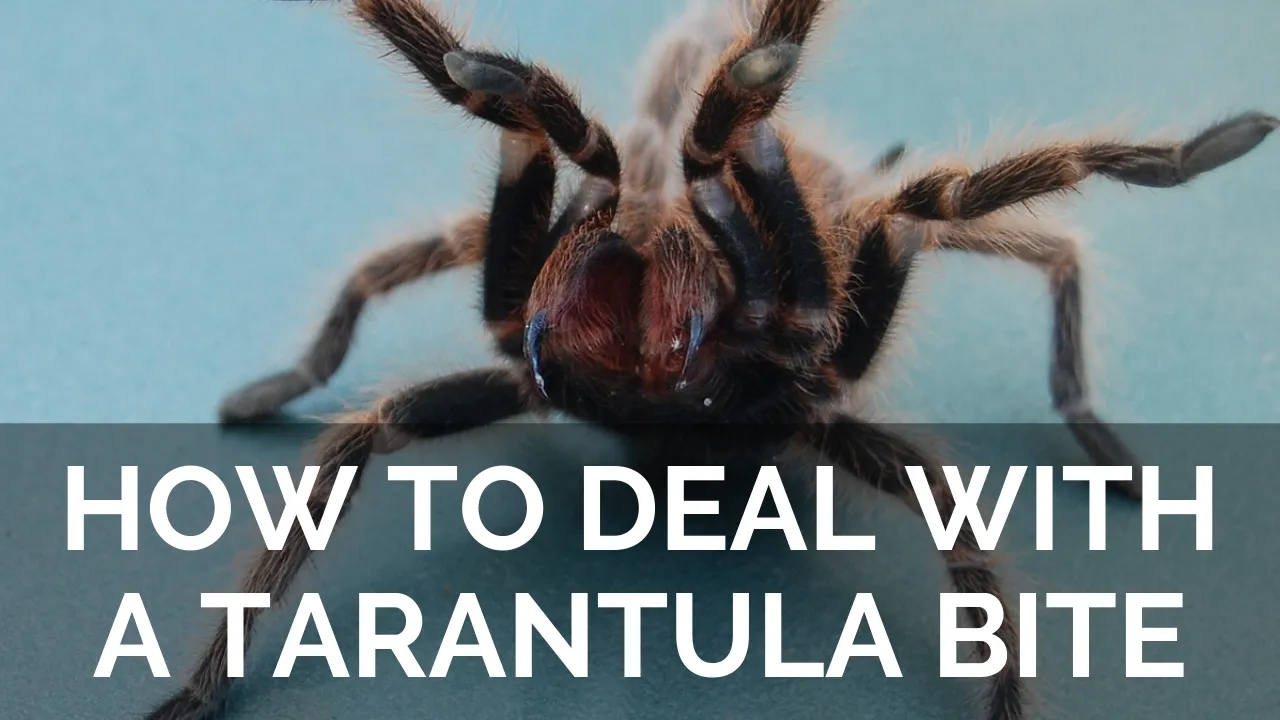
Understanding tarantula behavior is key to preventing bites. Tarantulas are generally docile creatures, but they will bite if they feel threatened. Learning the signs of a tarantula’s stress or agitation can help you avoid provoking them. Look for signs like defensive postures, such as raising their front legs or flicking urticating hairs. Avoid handling them when they are molting, as they are particularly vulnerable during this period. Study the specific behaviors of different tarantula species. By knowing their habits, you can respond appropriately and reduce the chances of a bite. Keeping tarantulas safe involves understanding their needs and respect them to prevent harm.
Why Tarantulas Bite
Tarantulas do not bite without a reason. These bites typically happen when the spider feels threatened or provoked. The main reasons for a tarantula bite are self-defense, fear, or stress. Knowing the triggers can help owners and handlers avoid situations that might lead to a bite. Understanding these triggers is crucial for preventing bites and maintaining a safe and respectful environment for both humans and tarantulas. By respecting the spider’s needs and behaviors, you can ensure a safer and more pleasant experience for everyone involved. Handling tarantulas safely means knowing when to stay away.