What is a Grammostola Pulchra Tarantula?
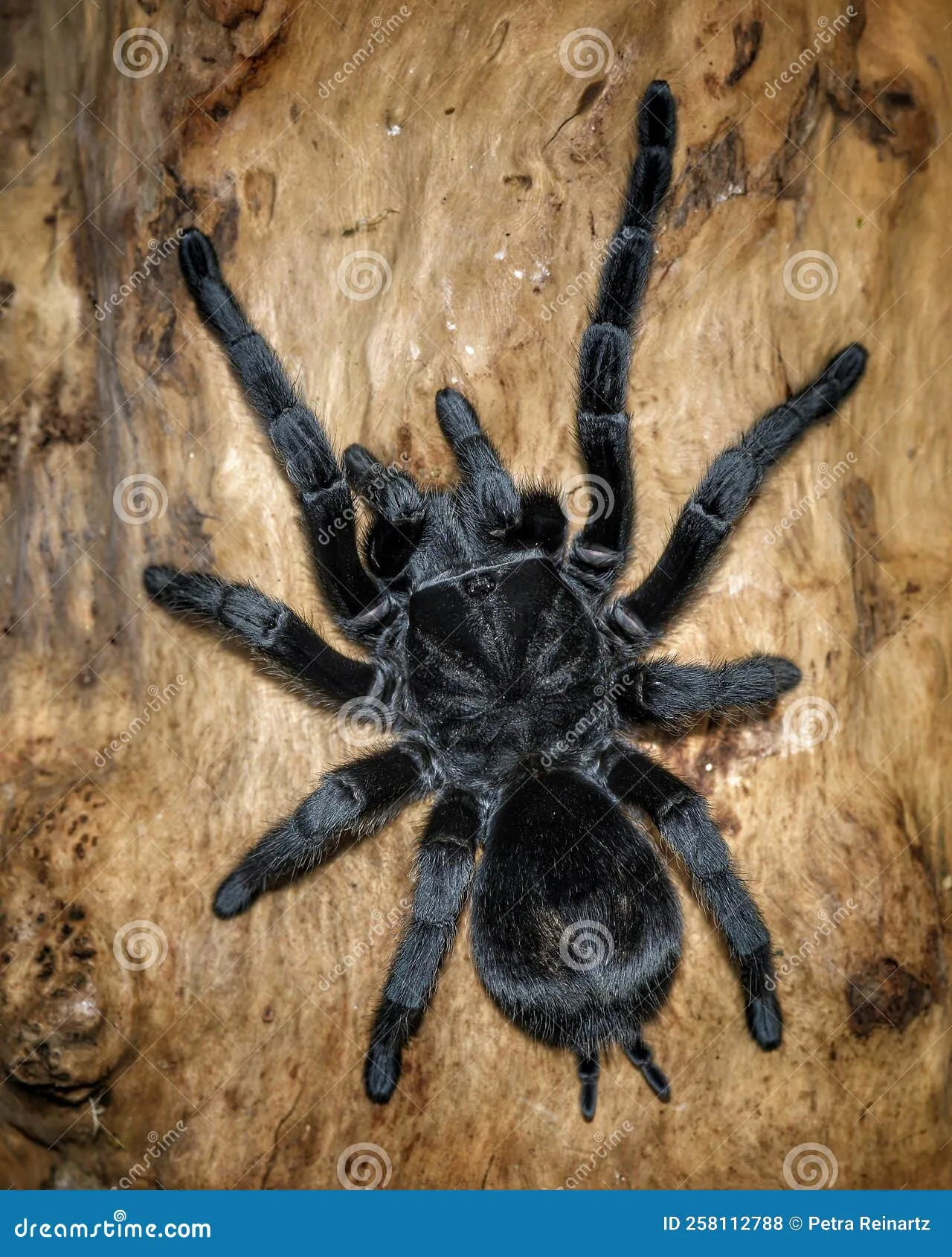
The Grammostola pulchra, commonly known as the Brazilian Black tarantula, is a popular pet tarantula admired for its striking appearance and relatively docile temperament. Native to the grasslands and forests of Southern Brazil, these spiders are known for their jet-black coloration and are a favorite among both beginner and experienced arachnid keepers. Understanding the basics of this species, including their natural habitat and behaviors, is the first step in providing optimal care and ensuring a long, healthy life for your Grammostola pulchra.
Characteristics of the Grammostola Pulchra
Appearance and Temperament

Grammostola pulchra tarantulas are renowned for their stunning all-black appearance, a characteristic that gives them their common name. The spiders typically reach a leg span of up to 6-7 inches, with females generally being larger than males. In terms of temperament, they are considered to be relatively docile and less likely to display defensive behaviors such as biting or flicking urticating hairs, making them a good choice for those new to tarantula keeping. However, like all tarantulas, they should be handled with care and respect, as they are still wild animals.
Ideal Enclosure Setup for your Grammostola Pulchra
Substrate and Habitat
Creating a suitable habitat is crucial for the well-being of your Grammostola pulchra. The enclosure should be large enough to allow for movement and exploration, with a size of approximately 10-gallon tank being suitable for juveniles and a 20-gallon tank or larger for adults. The substrate, which covers the bottom of the enclosure, should be deep enough to allow the tarantula to burrow. A mix of peat moss, coconut fiber, and a bit of vermiculite works well, providing good moisture retention and a naturalistic environment. The substrate should be kept slightly moist, but not waterlogged, to maintain the right humidity levels.
Temperature and Humidity

Maintaining the correct temperature and humidity is essential for the health of your tarantula. The ideal temperature range for a Grammostola pulchra is between 75-85°F (24-29°C). This can usually be achieved with room temperature, but a small heat mat placed on the side of the enclosure can be used if necessary, but never place the heater directly under the enclosure. Humidity levels should be kept between 60-70%, which can be achieved by misting the enclosure lightly with water every few days and ensuring a shallow water dish is always available. Regularly monitoring the temperature and humidity with a reliable thermometer and hygrometer is important.
Choosing the Right Food for your Grammostola Pulchra
Types of Insects to Feed
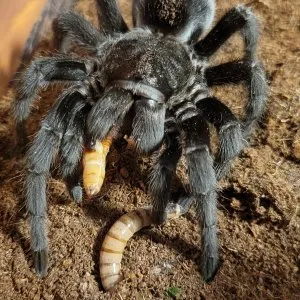
The Grammostola pulchra is an opportunistic predator, and its diet should consist primarily of insects. Crickets, mealworms, and roaches are all excellent choices. Crickets are a staple food, and mealworms can be used as a supplemental treat. Roaches, such as Dubia roaches, are highly nutritious and a good food source. It is important to vary the diet to ensure your tarantula receives a range of nutrients. Always ensure that the insects are gut-loaded with nutritious food (such as vegetables and fruits) before offering them to your tarantula, as this increases the nutritional value of the meal.
Prey Size and Feeding Frequency

The size of the prey should be appropriate for the size of your tarantula. As a general rule, the prey should be no larger than the tarantula’s body. For spiderlings, small crickets or pre-killed mealworms are suitable. As the tarantula grows, you can increase the size of the prey. Feeding frequency depends on the age of the tarantula. Spiderlings should be fed 2-3 times a week, while juveniles and adults can be fed once a week or every other week, depending on their appetite and condition. The tarantula’s abdomen should be plump, but not overly so.
How Often Should You Feed Your Tarantula?
Feeding Schedule for Grammostola Pulchra
Establishing a regular feeding schedule is crucial for the health of your Grammostola pulchra. Spiderlings, being in a rapid growth phase, require more frequent feedings. It’s recommended to feed spiderlings every 2-3 days, providing them with small, appropriately sized insects. Juvenile tarantulas can be fed about once a week, while adult tarantulas usually only need to be fed every 1-2 weeks. Always observe your tarantula’s behavior and adjust the feeding schedule as needed, as individual appetites can vary. It’s important to remove any uneaten food within 24 hours to prevent mold and mites from forming in the enclosure.
Understanding Molting and Feeding

Signs of a Molting Tarantula
Molting is a natural process in which tarantulas shed their exoskeleton to grow. Before molting, tarantulas often stop eating and may become lethargic, hiding in their burrow or under a hide. Their abdomen may appear darker, and they might develop a bald spot on their abdomen. During the molting process, it’s crucial not to disturb the tarantula. Provide a humid environment and avoid feeding. After molting, the tarantula’s fangs will be soft, so do not offer any food for at least a week until its fangs have hardened. Once hardened, resume the normal feeding schedule.
Watering and Hydration for your Tarantula
Importance of Fresh Water

Providing fresh, clean water is essential for the hydration and overall well-being of your Grammostola pulchra. A shallow water dish should always be available, ensuring that the tarantula can drink whenever it needs. The water dish should be placed on the substrate in a stable location to prevent spills. Change the water in the dish regularly to maintain its cleanliness and prevent the growth of bacteria. For spiderlings, you can use a bottle cap filled with water, or provide water by lightly misting the enclosure every few days, ensuring that the water droplets are readily available for drinking.
Handling and Safety Precautions
Safe Handling Practices
While the Grammostola pulchra is known for its docile nature, it’s essential to handle these tarantulas with caution and respect. Before handling, wash your hands thoroughly to remove any scents or substances that might irritate the spider. Always handle the tarantula over a soft surface, such as a bed or a carpet, to minimize the risk of injury if it falls. Avoid sudden movements and be gentle. If the tarantula seems stressed or defensive, do not attempt to handle it, and always wash your hands after handling, just in case.
Common Feeding Mistakes to Avoid
Overfeeding and its Risks
Overfeeding is a common mistake that can lead to several health issues. A tarantula that is fed too frequently may become obese, which can put stress on its internal organs and potentially shorten its lifespan. A tarantula that is fed too often is more likely to have problems during molting and may struggle to molt successfully. The abdomen should be plump, but not bulging excessively. Adjust the feeding schedule based on the tarantula’s size, age, and activity level. If the tarantula consistently refuses food, it may be a sign that you are feeding too often.
Troubleshooting Feeding Issues
Sometimes, tarantulas may refuse to eat for various reasons, like being in premolt, stress, or changes in the environment. If your tarantula is not eating, check the temperature and humidity levels in the enclosure to make sure they are within the correct ranges. Ensure that the water dish is always filled with fresh water. Inspect the tarantula for any signs of illness or injury. If the tarantula continues to refuse food, consult with an experienced tarantula keeper or a veterinarian specializing in exotic animals. It is important to observe and address any underlying issues promptly.
Creating a Thriving Environment
Caring for a Grammostola pulchra requires careful attention to detail, but with proper knowledge and dedication, you can ensure a long and fulfilling life for your tarantula. Provide a spacious and well-maintained enclosure with the correct substrate, temperature, and humidity. Offer a varied diet of nutritious insects at appropriate intervals. Monitor your tarantula’s behavior and health, and address any issues promptly. With a little effort, you can create a thriving environment for your Brazilian Black tarantula, allowing you to enjoy its beauty and fascinating behaviors for many years to come.